School of Biomedical Sciences, Li Ka Shing Faculty of Medicine, The University of Hong Kong, Pokfulam, Hong Kong SAR, China.
HKU-Zhejiang Institute of Research and Innovation (HKU-ZIRI), Hangzhou, China.
Nat Commun. 2021 May 5;12(1):2537. doi: 10.1038/s41467-021-22755-3.
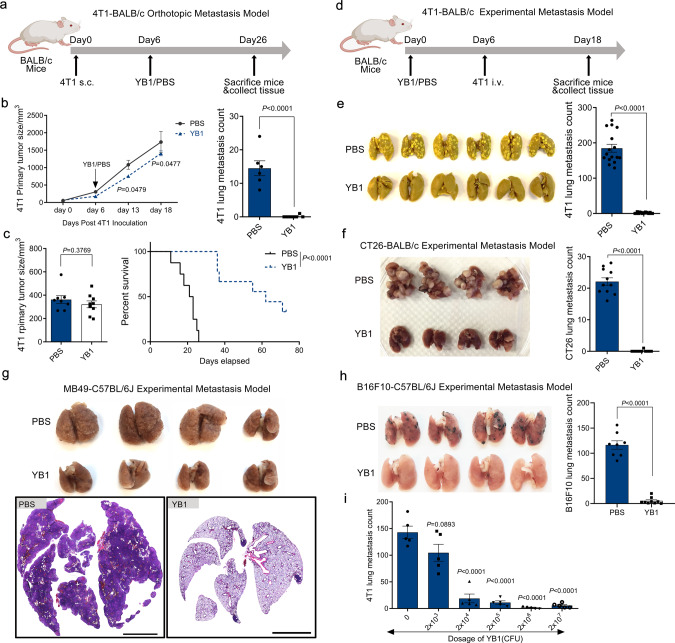
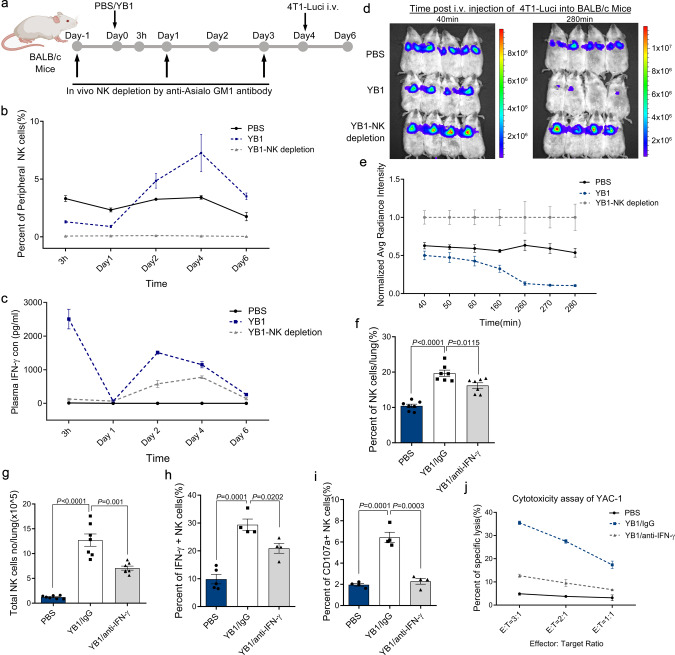
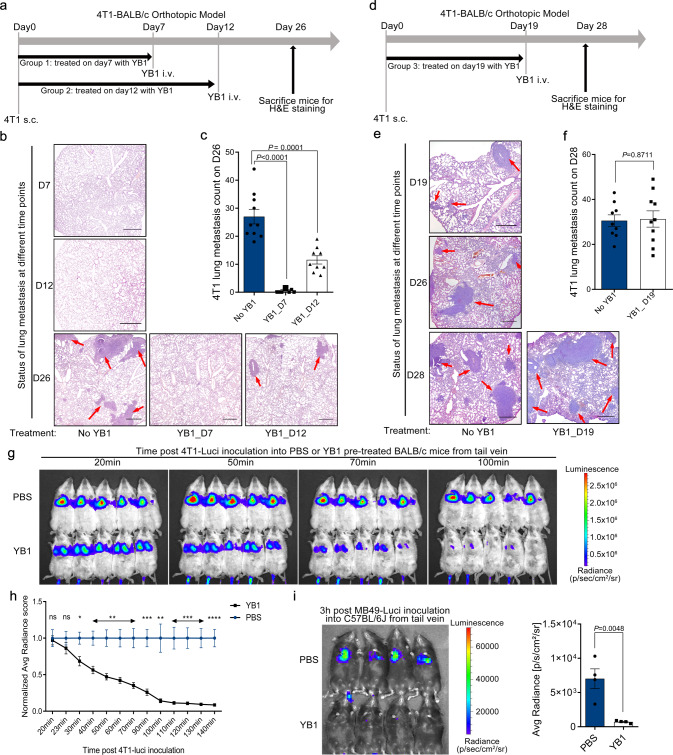
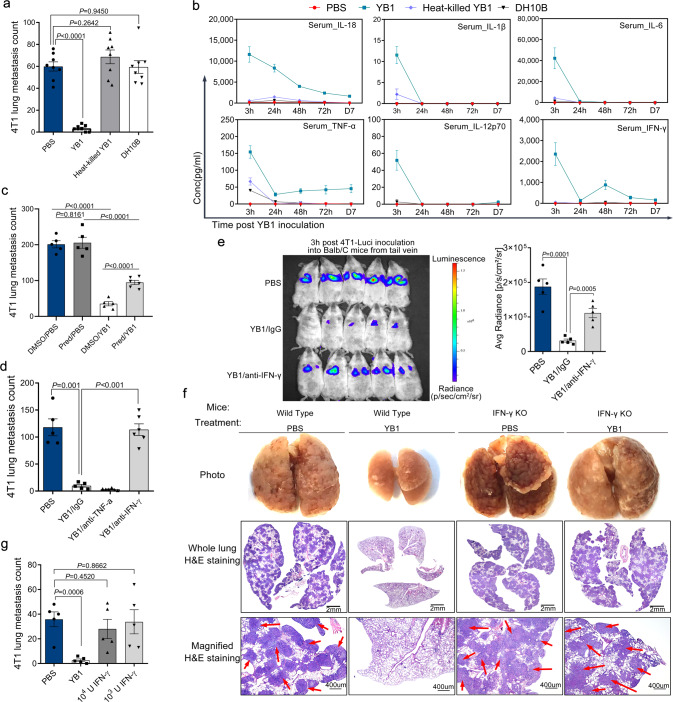
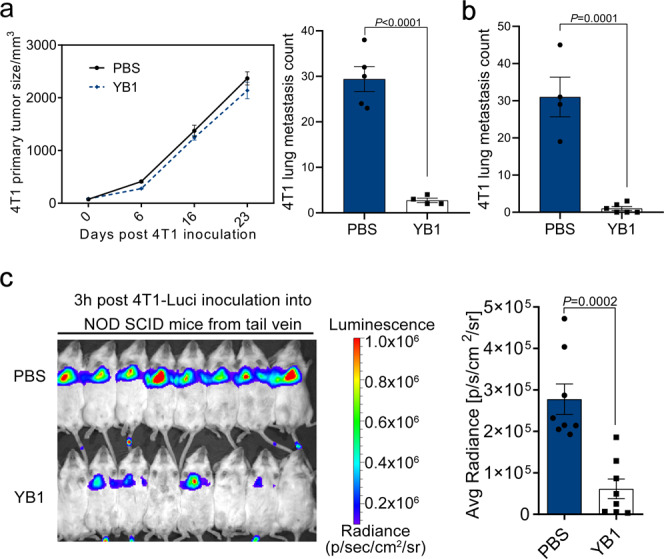
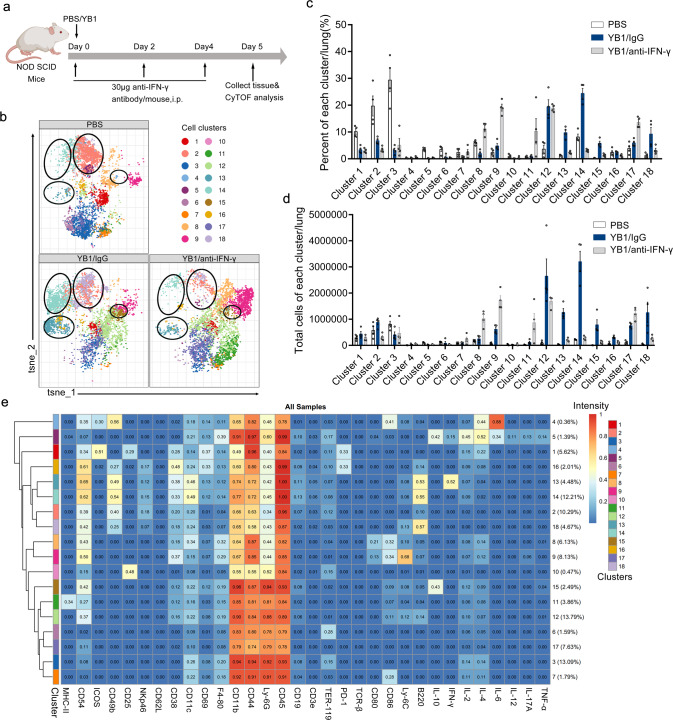
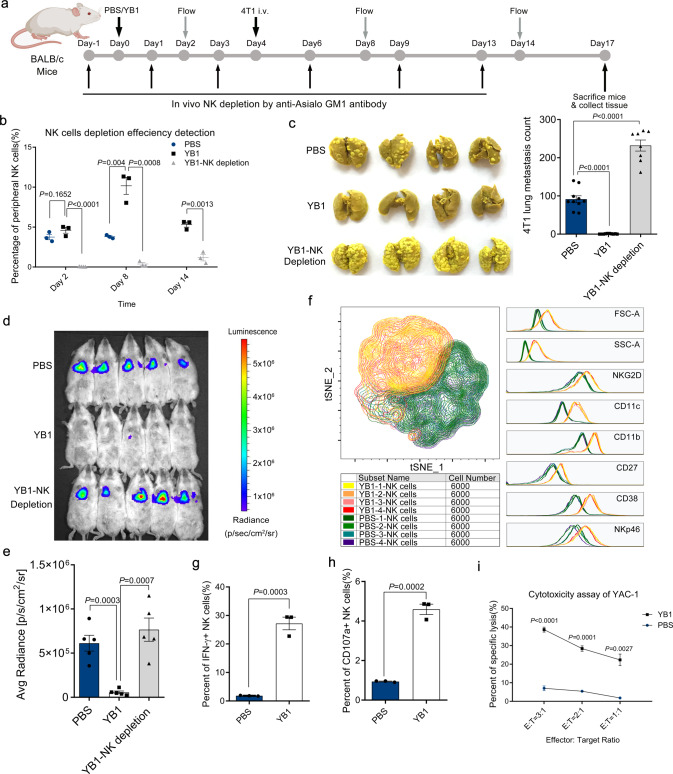
Metastasis accounts for 90% of cancer-related deaths and, currently, there are no effective clinical therapies to block the metastatic cascade. A need to develop novel therapies specifically targeting fundamental metastasis processes remains urgent. Here, we demonstrate that Salmonella YB1, an engineered oxygen-sensitive strain, potently inhibits metastasis of a broad range of cancers. This process requires both IFN-γ and NK cells, as the absence of IFN-γ greatly reduces, whilst depletion of NK cells in vivo completely abolishes, the anti-metastatic ability of Salmonella. Mechanistically, we find that IFN-γ is mainly produced by NK cells during early Salmonella infection, and in turn, IFN-γ promotes the accumulation, activation, and cytotoxicity of NK cells, which kill the metastatic cancer cells thus achieving an anti-metastatic effect. Our findings highlight the significance of a self-regulatory feedback loop of NK cells in inhibiting metastasis, pointing a possible approach to develop anti-metastatic therapies by harnessing the power of NK cells.
转移是导致 90%癌症相关死亡的原因,而目前临床上没有有效的治疗方法来阻断转移级联反应。因此,迫切需要开发专门针对基本转移过程的新型治疗方法。在这里,我们证明了工程化的氧敏感菌株 Salmonella YB1 能够有效抑制广泛的癌症转移。这一过程需要 IFN-γ 和 NK 细胞的参与,因为 IFN-γ 的缺失会大大降低,而体内 NK 细胞的耗竭则会完全消除 Salmonella 的抗转移能力。在机制上,我们发现 IFN-γ 主要是由 NK 细胞在早期 Salmonella 感染时产生的,而 IFN-γ 反过来又促进了 NK 细胞的积累、激活和细胞毒性,从而杀死转移性癌细胞,从而达到抗转移的效果。我们的研究结果强调了 NK 细胞自我调节反馈环在抑制转移中的重要性,为开发利用 NK 细胞的力量来抑制转移的治疗方法提供了可能的途径。