Department of Pharmacy, Xinhua Hospital, Affiliated to Shanghai Jiao Tong University, School of Medicine, Shanghai, 200092, People's Republic of China.
Department of Pharmacy, Shanghai First Maternity and Infant Hospital, Tongji University School of Medicine, Shanghai, 201204, People's Republic of China.
Drug Des Devel Ther. 2021 Apr 29;15:1765-1777. doi: 10.2147/DDDT.S288829. eCollection 2021.
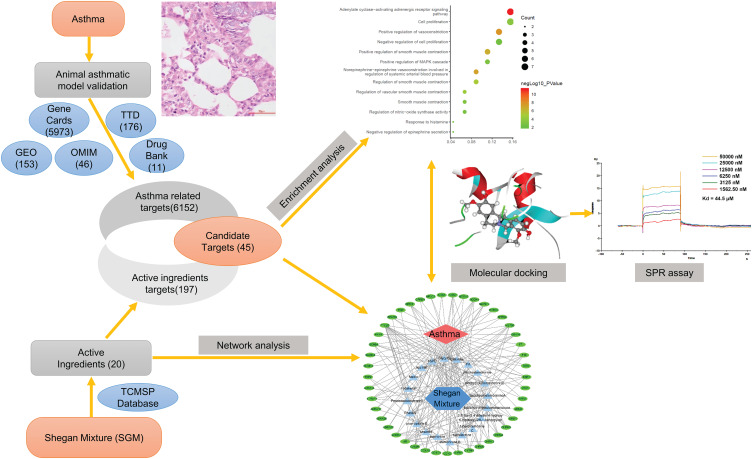
Shegan Mixture (SGM) is a traditional Chinese medicine that has anti-inflammatory and therapeutic effects on asthma. However, its active ingredients and combined action mechanism have not been fully elucidated so far. The purpose of this study was to screen the effective ingredients and targets and elucidate the synergistic action mechanism of SGM in asthma mice using the network pharmacological approach.
A mouse model of asthma model was used in this study. Mice were orally administered SGM at three doses for 4 weeks and the effect of SGM on asthma was evaluated. The active ingredients and their targets of SGM were identified by searching databases, such as Traditional Chinese Medicine Systems Pharmacology Database (TCMSP). The main active ingredients were selected with parameters OB and DL. The synergistic action mechanisms of SGM in asthma were studied through key active ingredient-target interaction network and verified using surface plasmon resonance assay (SPR).
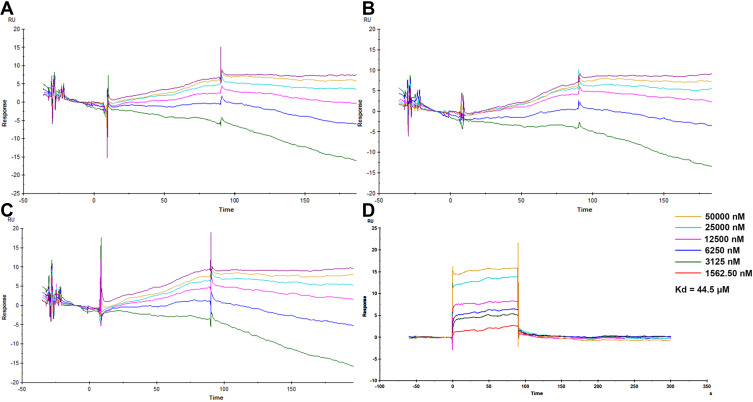
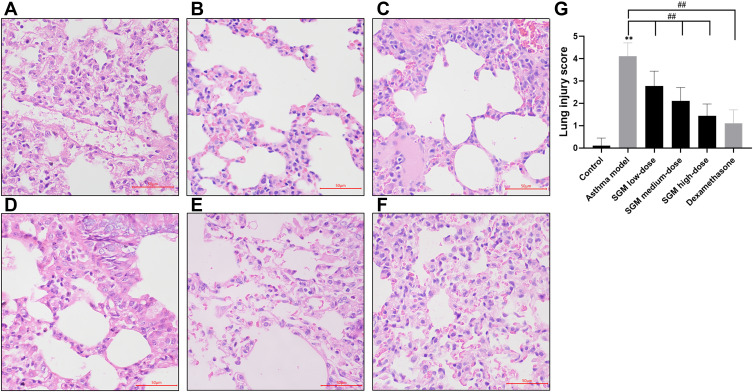
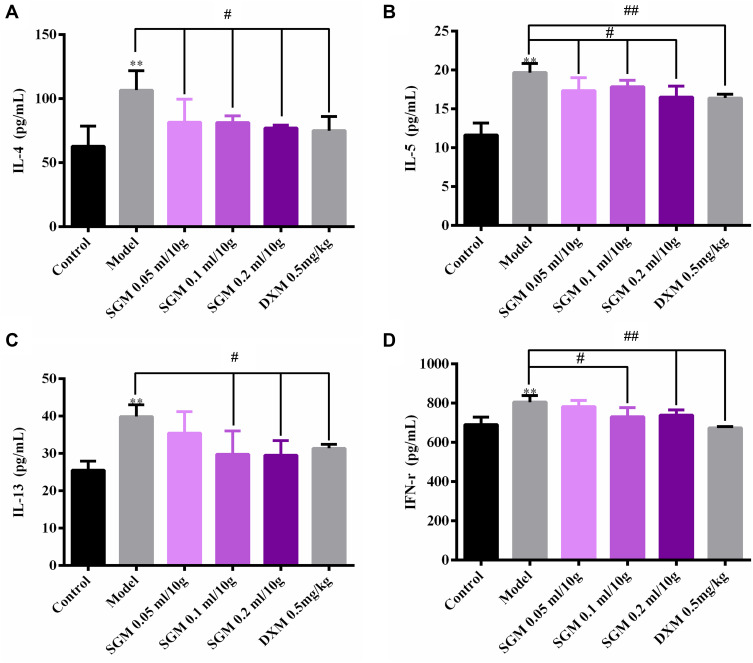
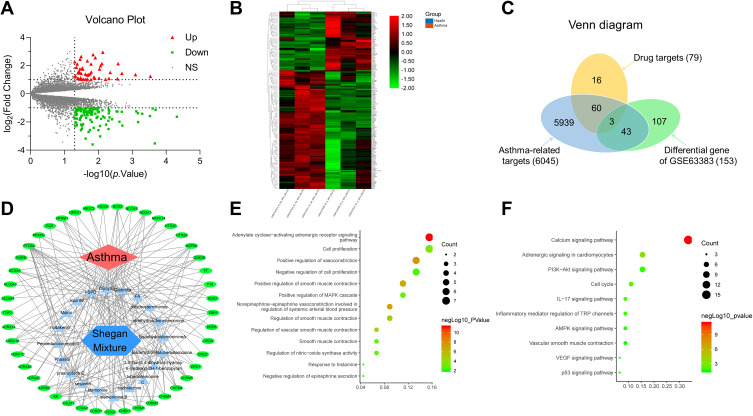
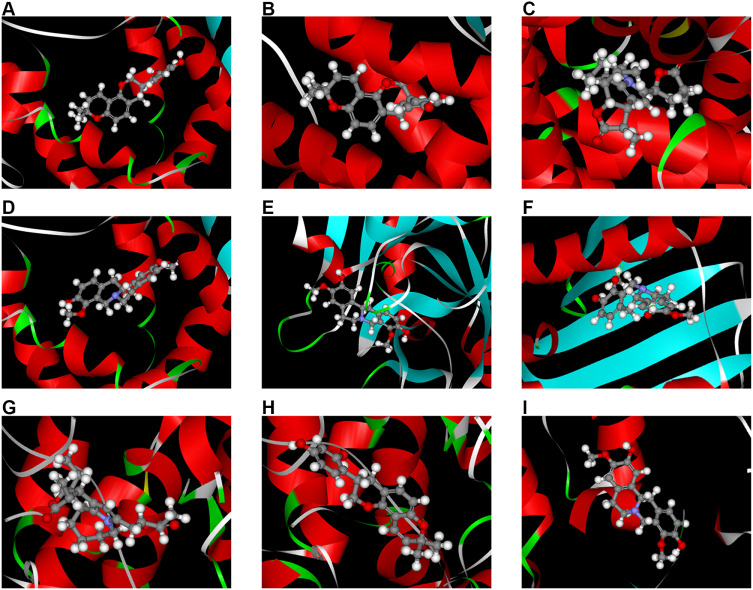
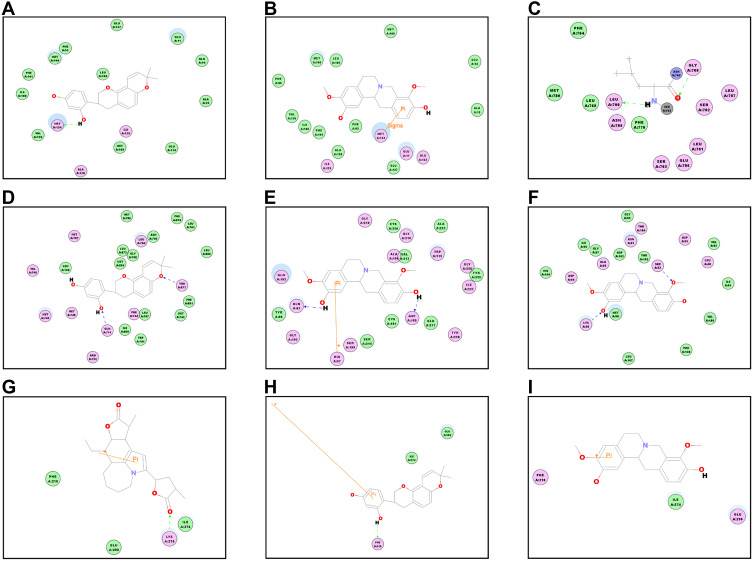
SGM exerts anti-asthmatic effects by reducing lung tissue damage and inflammatory factors (IFN-γ, IL-4, IL-5, and IL-13) in asthmatic mice. Twenty ingredients and 45 related proteins were selected as potential nodes using enrichment analysis and network analysis. Inflammation and smooth muscle regulation-related pathways were considered to be the main pharmacological mechanisms of SGM in the treatment of asthma. Especially, 5 molecule-target pairs (including 3 ingredients and 4 proteins) were well docked with each other and the SPR assay revealed that glabridin-PTGS2 had good binding with 44.5 μM Kd value.
SGM exerts the synergistic anti-asthma effects by virtue of reducing lung-tissue damage and inflammatory factors in asthmatic mice, which explains the theoretical basis for the traditional Chinese medicine, SGM, to treat asthma. Our study thus sheds light on a variety of options including Chinese medicine that could potentially be used in the clinical treatment of asthma.
麝香合剂(SGM)是一种中药,对哮喘具有抗炎和治疗作用。然而,其活性成分和联合作用机制尚未得到充分阐明。本研究旨在采用网络药理学方法筛选 SGM 治疗哮喘的有效成分和作用靶点,并阐明其协同作用机制。
本研究采用哮喘小鼠模型。小鼠分别给予 SGM 三个剂量口服给药 4 周,评价 SGM 对哮喘的作用。通过搜索中药系统药理学数据库(TCMSP)等数据库,确定 SGM 的活性成分及其靶点。选择 OB 和 DL 参数识别主要活性成分。通过关键活性成分-靶标相互作用网络研究 SGM 在哮喘中的协同作用机制,并通过表面等离子体共振(SPR)测定进行验证。
SGM 通过减轻哮喘小鼠肺组织损伤和炎症因子(IFN-γ、IL-4、IL-5 和 IL-13)发挥抗哮喘作用。通过富集分析和网络分析,选择了 20 种成分和 45 种相关蛋白作为潜在节点。炎症和平滑肌调节相关途径被认为是 SGM 治疗哮喘的主要药理机制。特别是,5 个分子-靶标对(包括 3 种成分和 4 种蛋白)相互良好对接,SPR 测定显示甘草素-PTGS2 与 44.5 μM Kd 值具有良好的结合。
SGM 通过减轻哮喘小鼠肺组织损伤和炎症因子来发挥协同抗哮喘作用,这解释了传统中药 SGM 治疗哮喘的理论基础。我们的研究为包括中药在内的各种潜在选择提供了新的思路,这些选择可能用于哮喘的临床治疗。