Department of Pharmaceutical Sciences, North Dakota State University, Fargo, North Dakota 58102, United States.
Department of Physics, North Dakota State University, Fargo, North Dakota 58102, United States.
ACS Appl Bio Mater. 2021 Feb 15;4(2):1450-1460. doi: 10.1021/acsabm.0c01336. Epub 2020 Dec 23.
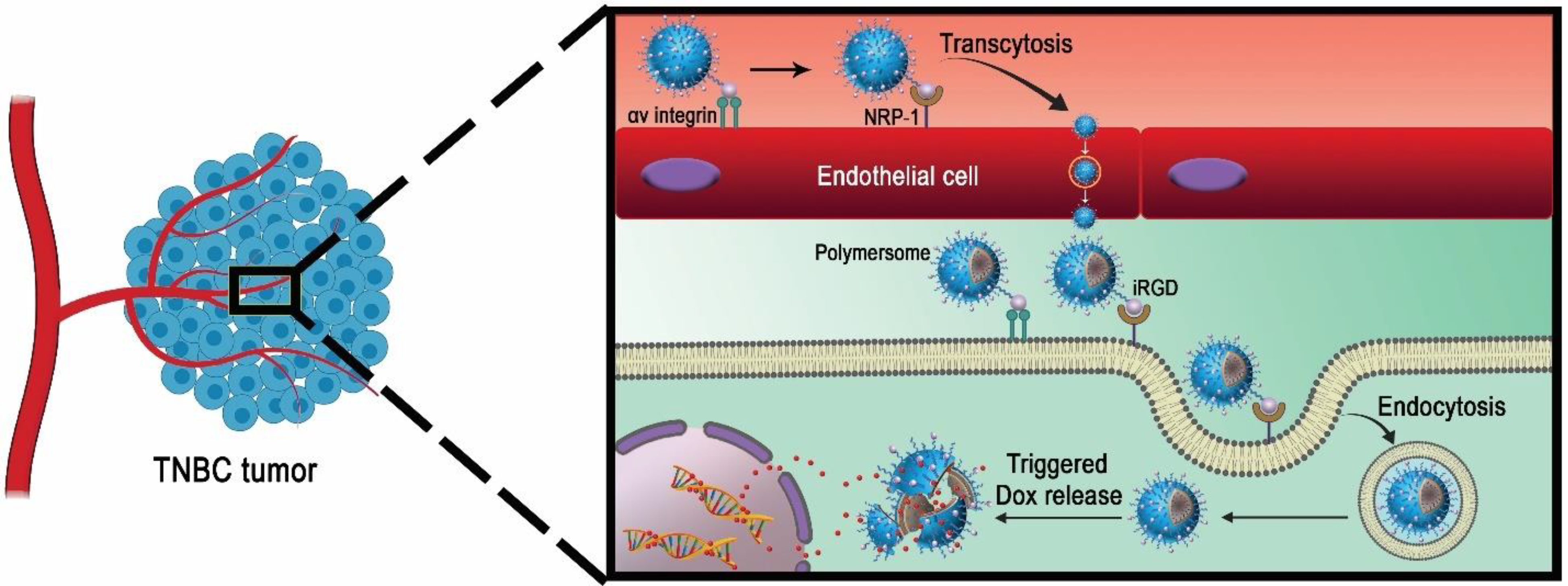
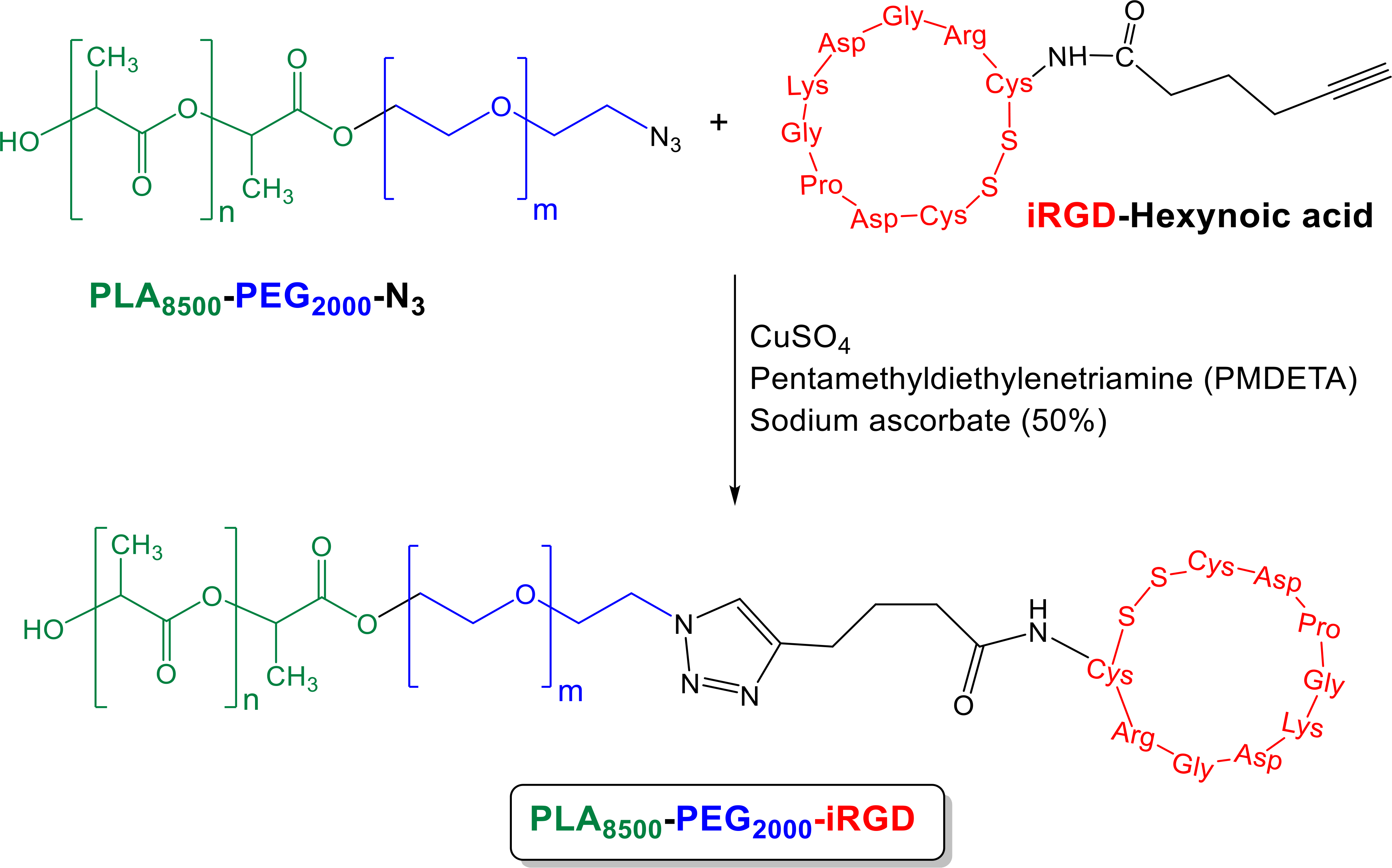
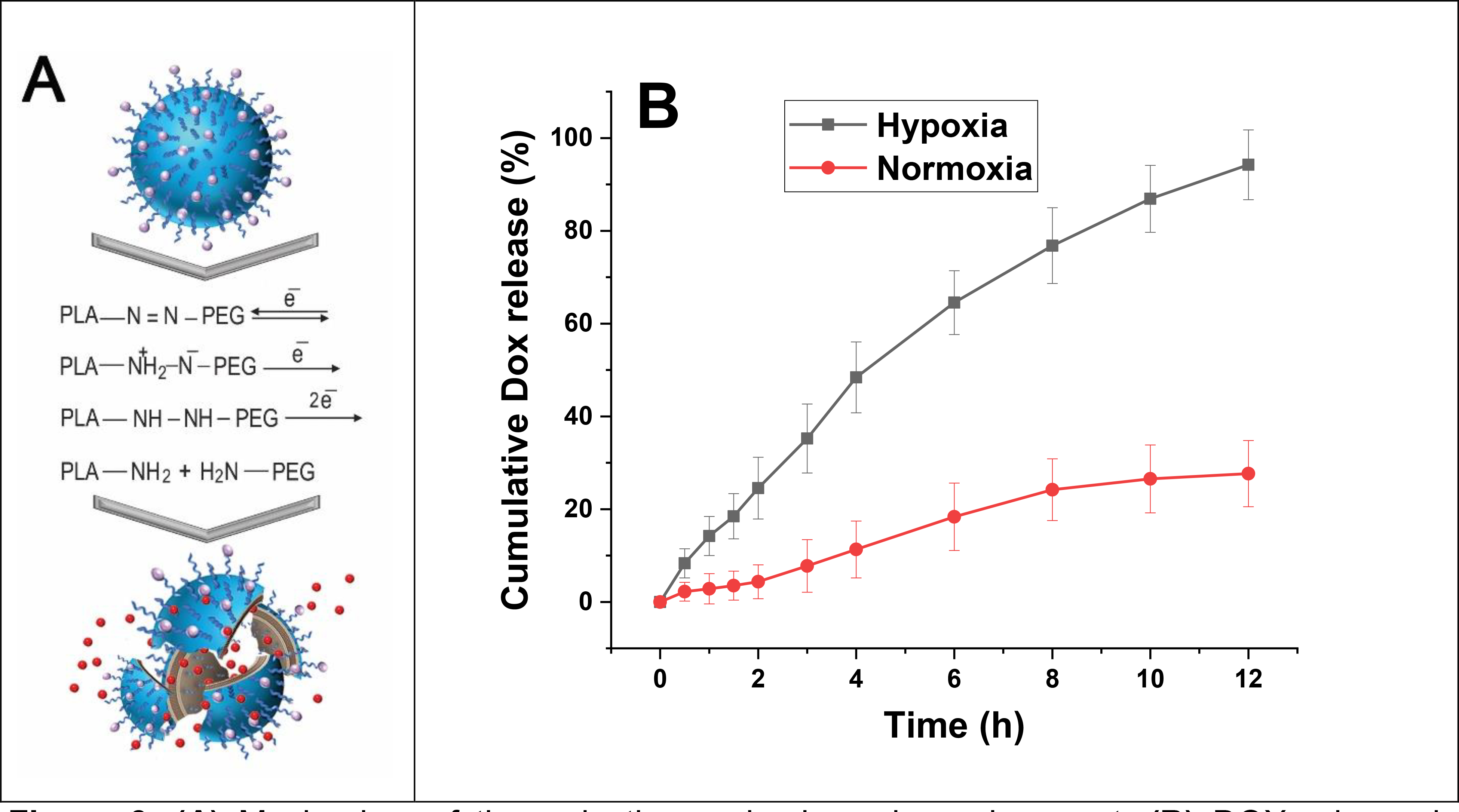
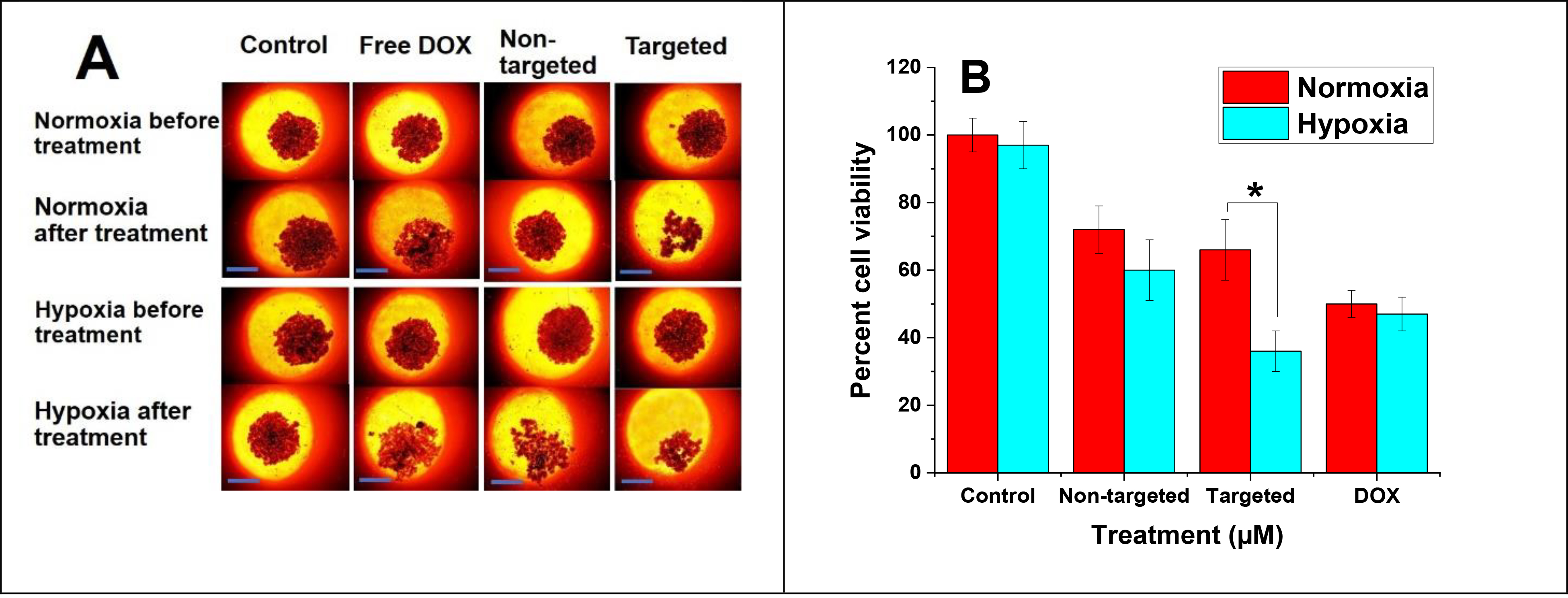
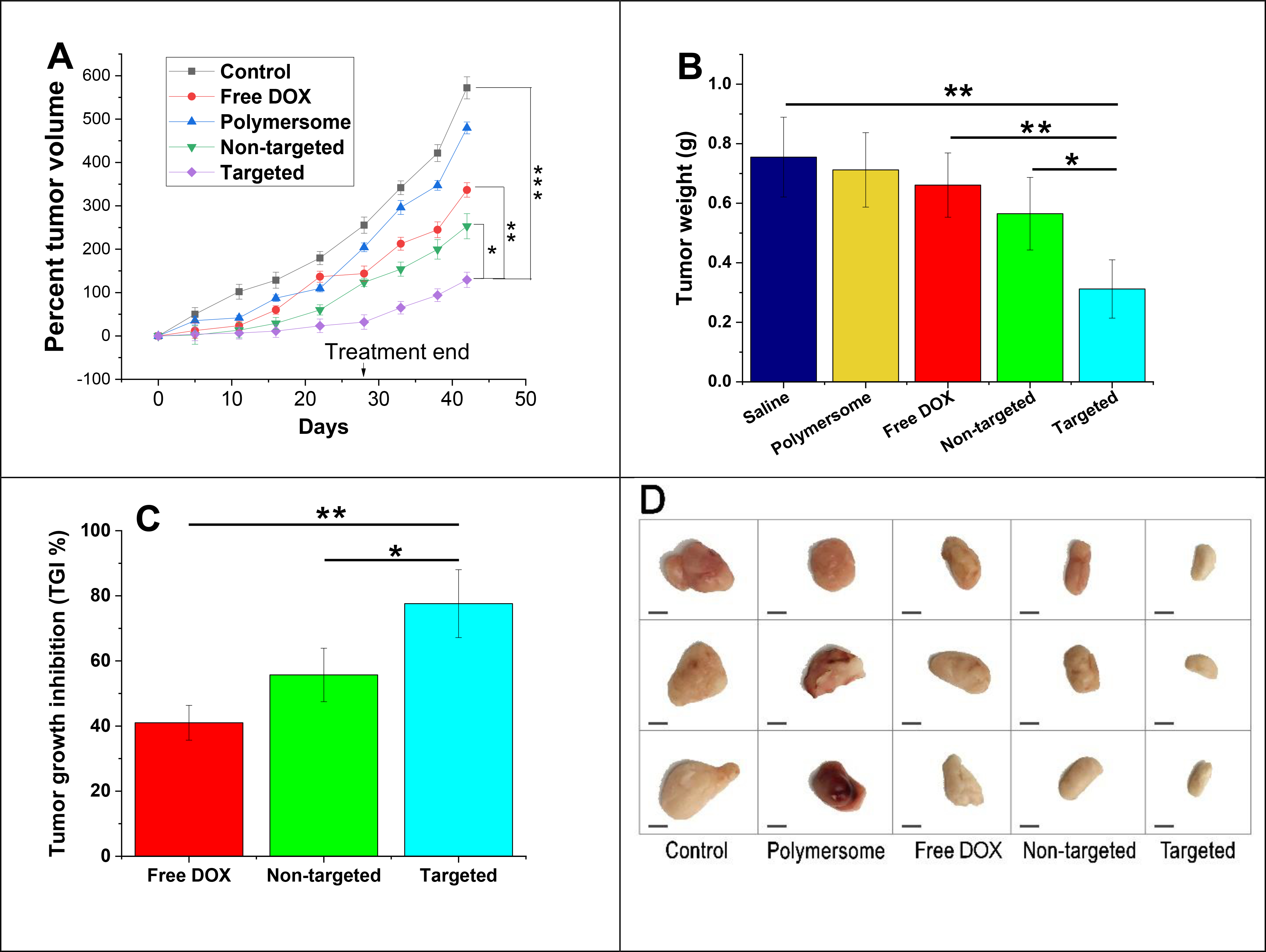
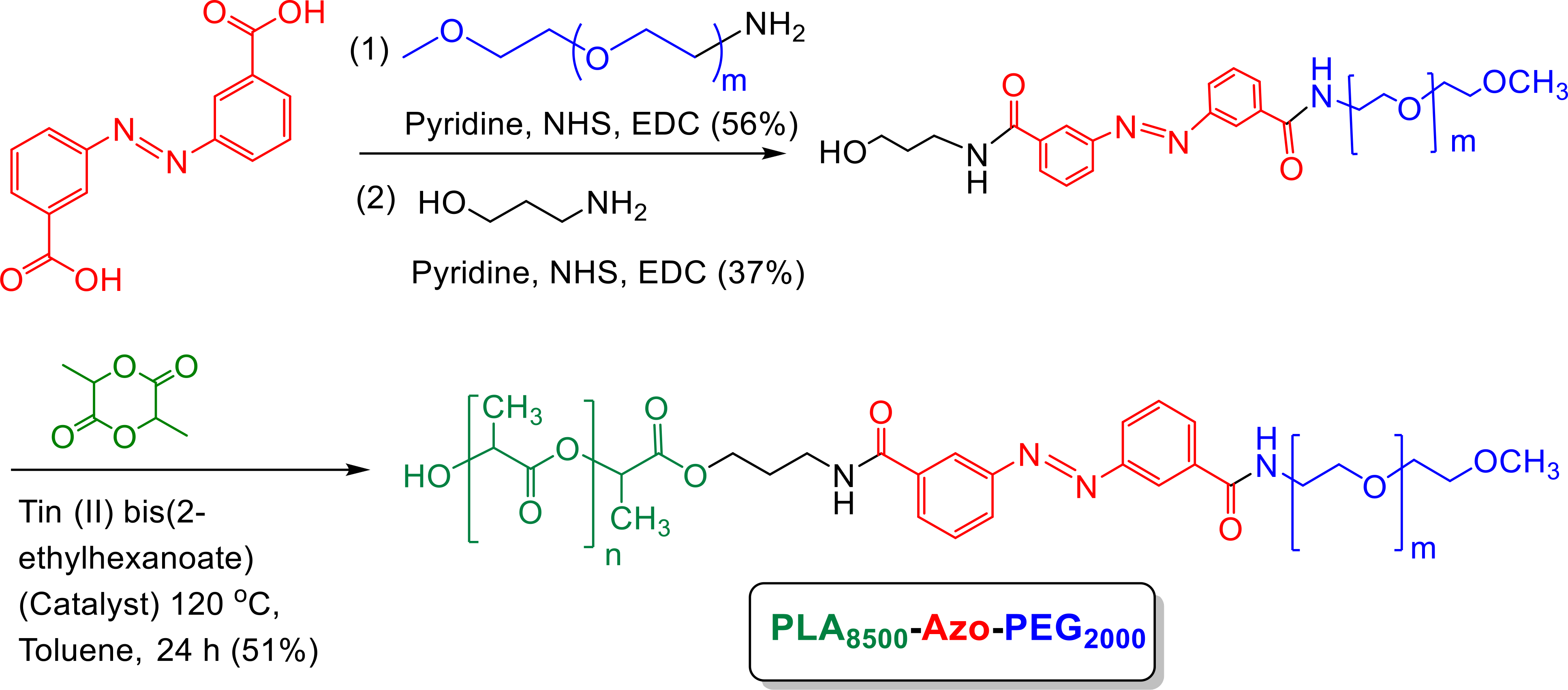
High recurrence and metastasis to vital organs are the major characteristics of triple-negative breast cancer (TNBC). Low vascular oxygen tension promotes resistance to chemo- and radiation therapy. Neuropilin-1 (NRP-1) receptor is highly expressed on TNBC cells. The tumor-penetrating iRGD peptide interacts with the NRP-1 receptor, triggers endocytosis and transcytosis, and facilitates penetration. Herein, we synthesized a hypoxia-responsive diblock PLA-diazobenzene-PEG copolymer and prepared self-assembled hypoxia-responsive polymersomes (Ps) in an aqueous buffer. The iRGD peptide was incorporated into the polymersome structure to make hypoxia-responsive iRGD-conjugated polymersomes (iPs). Doxorubicin (DOX) was encapsulated in the polymersomes to prepare both targeted and non-targeted hypoxia-responsive polymersomes (DOX-iPs and DOX-Ps, respectively). The polymeric nanoparticles released less than 30% of their encapsulated DOX within 12 hours under normoxic conditions (21% oxygen), whereas under hypoxia (2% Oxygen), doxorubicin release remarkably increased to over 95%. The targeted polymersomes significantly decreased TNBC cells' viability in monolayer and spheroid cultures under hypoxia compared to normoxia. Animal studies displayed that targeted polymersomes significantly diminished tumor growth in xenograft nude mice. Overall, the targeted polymersomes exhibited potent anti-tumor activity in monolayer, spheroid, and animal models of TNBC. With further developments, the targeted nanocarriers discussed here might have the translational potential as drug carriers for the treatment of TNBC.
三阴性乳腺癌(TNBC)的主要特征是高复发和转移至重要器官。低血管氧张力会促进对化疗和放疗的耐药性。神经纤毛蛋白 1(NRP-1)受体在 TNBC 细胞上高度表达。肿瘤穿透性 iRGD 肽与 NRP-1 受体相互作用,触发内吞作用和转胞作用,并促进穿透。在此,我们合成了一种缺氧反应性两亲性 PLA-重氮苯-PEG 共聚物,并在水性缓冲液中制备了自组装的缺氧反应性聚合物囊泡(Ps)。将 iRGD 肽掺入聚合物囊泡结构中,制成缺氧反应性 iRGD 缀合聚合物囊泡(iPs)。阿霉素(DOX)被包裹在聚合物囊中,分别制备了靶向和非靶向缺氧反应性聚合物囊(DOX-iPs 和 DOX-Ps)。在常氧条件(21%氧气)下,聚合物纳米粒子在 12 小时内释放的包裹 DOX 少于 30%,而在缺氧条件(2%氧气)下,阿霉素的释放显著增加到 95%以上。与常氧相比,靶向聚合物囊在缺氧单层和球体培养物中显著降低了 TNBC 细胞的活力。动物研究显示,靶向聚合物囊在异种移植裸鼠中显著抑制了肿瘤生长。总体而言,靶向聚合物囊在 TNBC 的单层、球体和动物模型中表现出强大的抗肿瘤活性。随着进一步的发展,这里讨论的靶向纳米载体可能具有作为 TNBC 治疗药物载体的转化潜力。