Department of Pediatrics, Division of Neonatology, Rainbow Babies & Children's Hospital, Case Western Reserve University, Cleveland, OH, USA.
Department of Anesthesiology and Perioperative Medicine, Mayo Clinic, Rochester, MN, USA.
Pediatr Res. 2022 May;91(6):1391-1398. doi: 10.1038/s41390-021-01540-4. Epub 2021 May 6.
Continuous positive airway pressure (CPAP) in preterm infants is initially beneficial, but animal models suggest longer term detrimental airway effects towards asthma. We used a neonatal CPAP mouse model and human fetal airway smooth muscle (ASM) to investigate the role of extracellular calcium-sensing receptor (CaSR) in these effects.
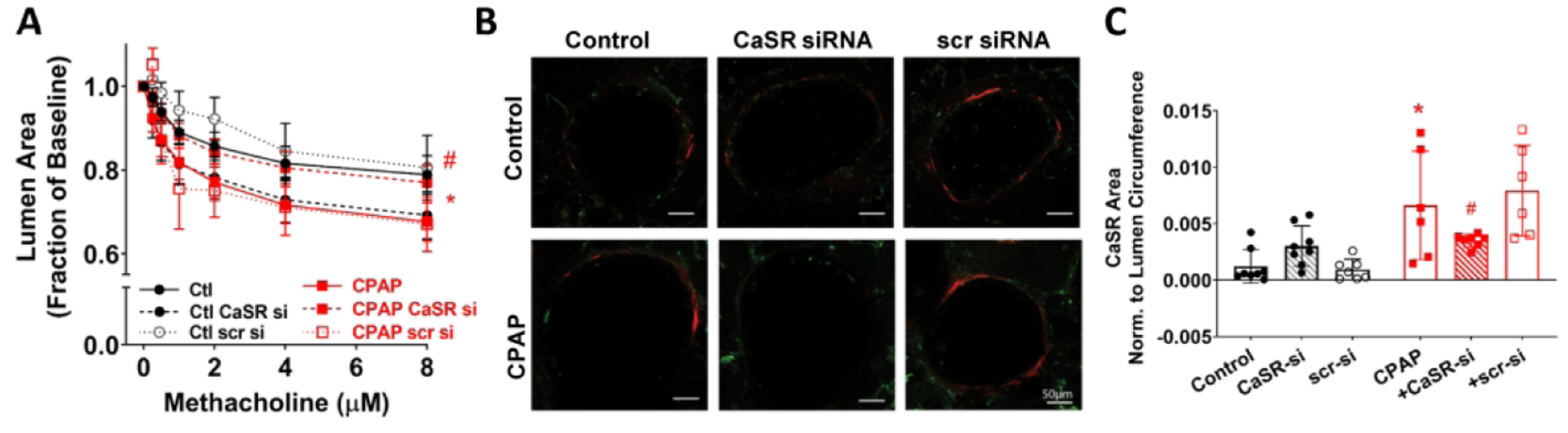
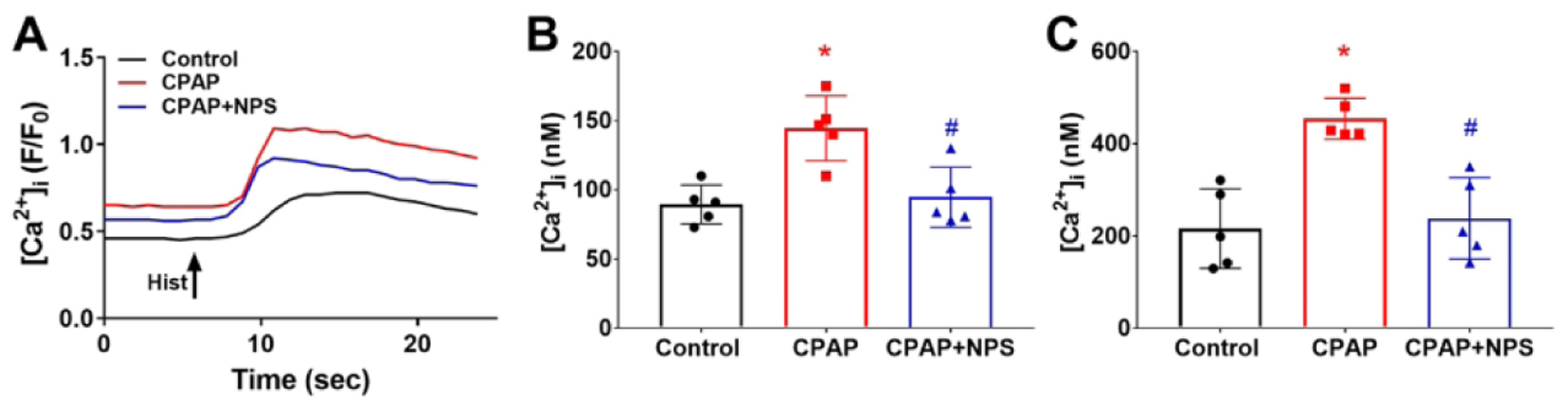
Newborn wild type and smooth muscle-specific CaSR mice were given CPAP for 7 days via a custom device (mimicking CPAP in premature infants), and recovered in normoxia for another 14 days (representing infants at 3-4 years). Airway reactivity was tested using lung slices, and airway CaSR quantified. Role of CaSR was tested using NPS2143 (inhibitor) or siRNA in WT mice. Fetal ASM cells stretched cyclically with/without static stretch mimicking breathing and CPAP were analyzed for intracellular Ca ([Ca]) responses, role of CaSR, and signaling cascades.
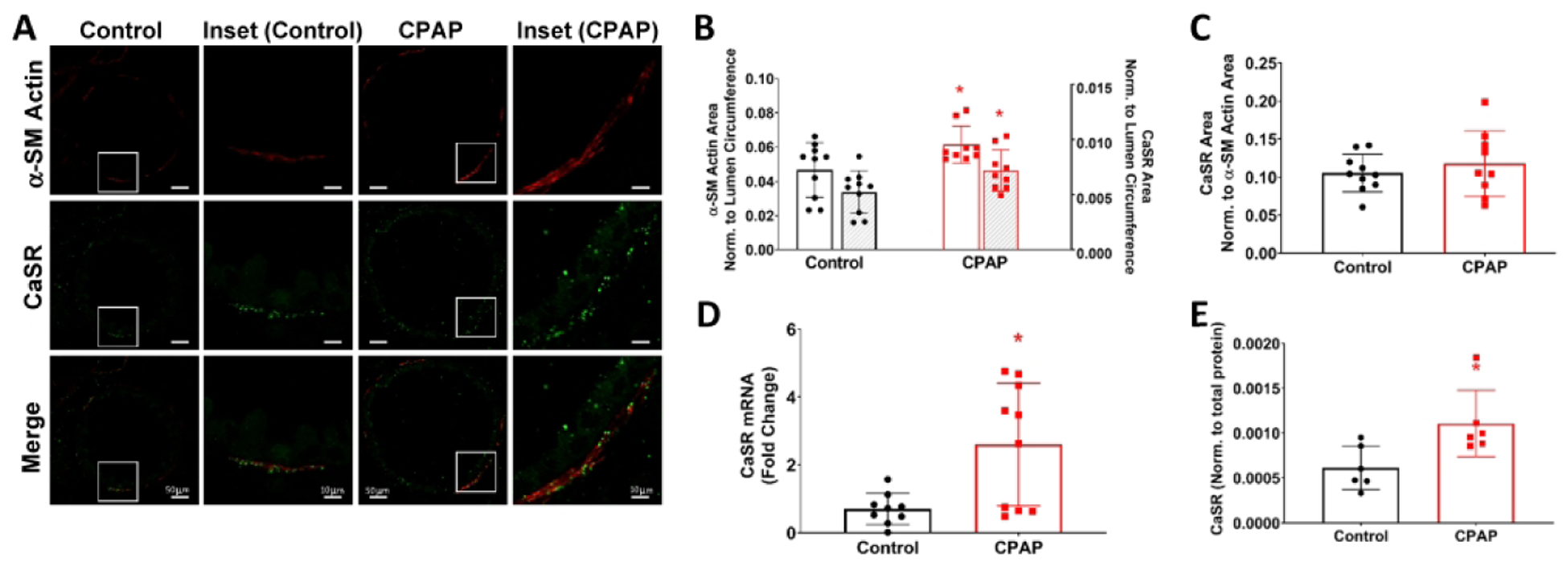
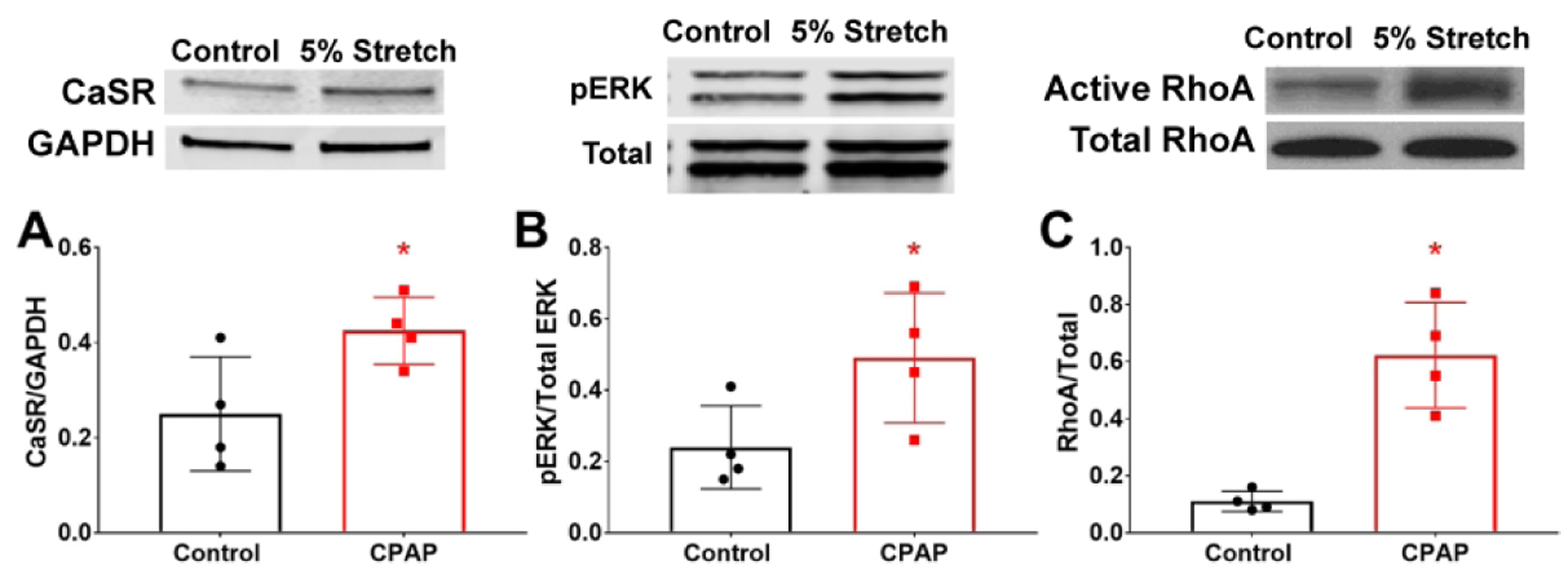
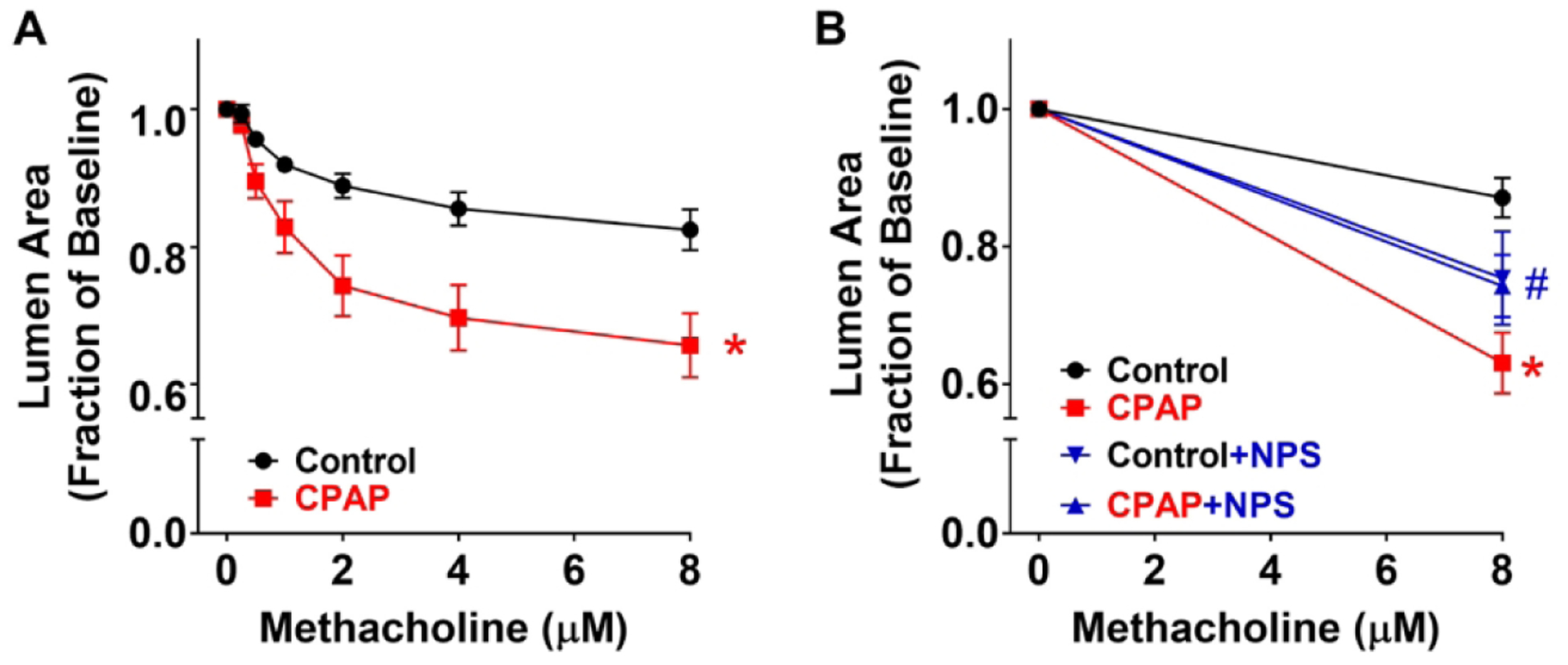
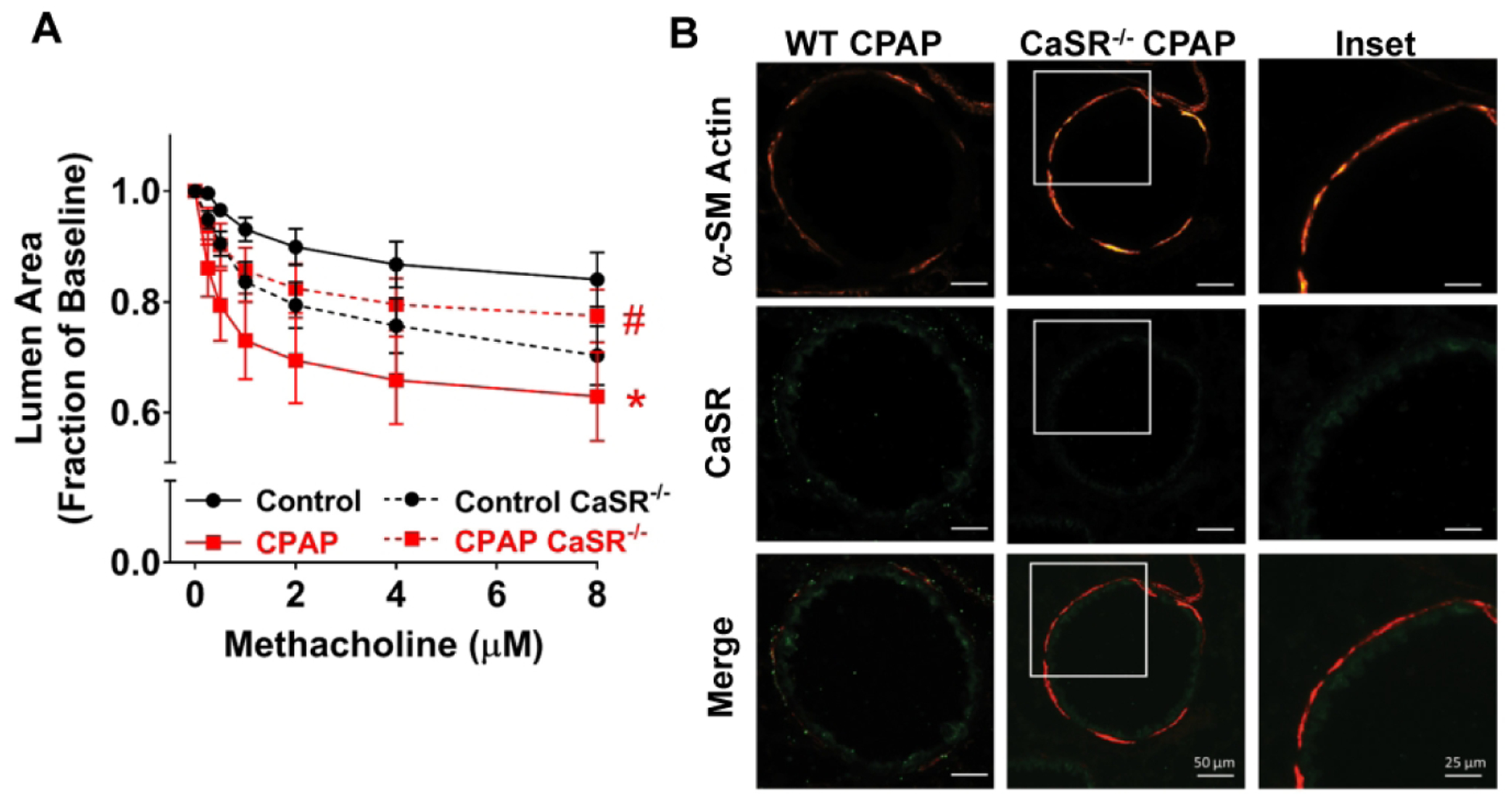
CPAP increased airway reactivity in WT but not CaSR mice, increasing ASM CaSR. NPS2143 or CaSR siRNA reversed CPAP effects in WT mice. CPAP increased fetal ASM [Ca], blocked by NPS2143, and increased ERK1/2 and RhoA suggesting two mechanisms by which stretch increases CaSR.
These data implicate CaSR in CPAP effects on airway function with implications for wheezing in former preterm infants.
Neonatal CPAP increases airway reactivity to bronchoconstrictor agonist. CPAP increases smooth muscle expression of the extracellular calcium-sensing receptor (CaSR). Inhibition or absence of CaSR blunts CPAP effects on contractility. These data suggest a causal/contributory role for CaSR in stretch effects on the developing airway. These data may impact clinical recognition of the ways that CPAP may contribute to wheezing disorders of former preterm infants.
早产儿持续气道正压通气(CPAP)最初是有益的,但动物模型表明,长期来看 CPAP 对气道有不利影响,可能会导致哮喘。我们使用了一种新生 CPAP 小鼠模型和人胎儿气道平滑肌(ASM)来研究细胞外钙敏感受体(CaSR)在这些影响中的作用。
新生野生型和平滑肌特异性 CaSR 小鼠通过定制设备(模拟早产儿中的 CPAP)接受 CPAP 治疗 7 天,然后在常氧下恢复 14 天(代表 3-4 岁的婴儿)。使用肺切片测试气道反应性,并定量气道 CaSR。在 WT 小鼠中使用 NPS2143(抑制剂)或 siRNA 测试 CaSR 的作用。用/不用模拟呼吸和 CPAP 的静态拉伸周期性拉伸胎儿 ASM 细胞,分析细胞内 Ca([Ca])反应、CaSR 的作用和信号级联。
CPAP 增加了 WT 但不是 CaSR 小鼠的气道反应性,增加了 ASM CaSR。NPS2143 或 CaSR siRNA 逆转了 WT 小鼠的 CPAP 作用。CPAP 增加了胎儿 ASM 的[Ca],被 NPS2143 阻断,并增加了 ERK1/2 和 RhoA,表明了两种拉伸增加 CaSR 的机制。
这些数据表明 CaSR 参与了 CPAP 对气道功能的影响,这对以前早产儿的喘息有影响。
新生儿 CPAP 增加了气道对支气管收缩剂激动剂的反应性。CPAP 增加了平滑肌细胞外钙敏感受体(CaSR)的表达。CaSR 的抑制或缺失减弱了 CPAP 对收缩性的影响。这些数据表明 CaSR 在伸展对发育中的气道的影响中起因果关系或促成作用。这些数据可能会影响临床对 CPAP 可能导致以前早产儿喘息障碍的方式的认识。