Department of Critical Care Medicine, Ruijin Hospital, Shanghai Jiao Tong University School of Medicine, 197 Ruijin Er Road, Shanghai 200025, China.
Department of Emergency, Ruijin Hospital, Shanghai Jiao Tong University School of Medicine, 197 Ruijin Er Road, Shanghai 200025, China.
Biomed Res Int. 2021 Apr 17;2021:6655425. doi: 10.1155/2021/6655425. eCollection 2021.
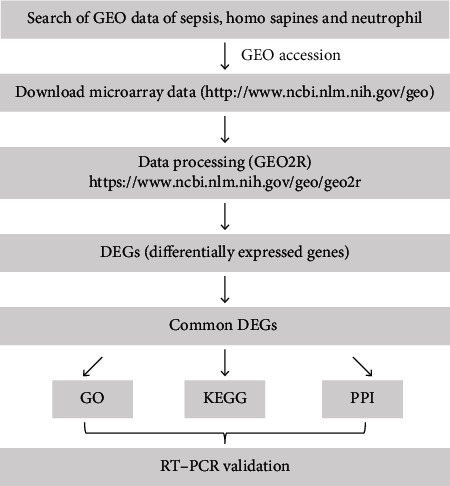
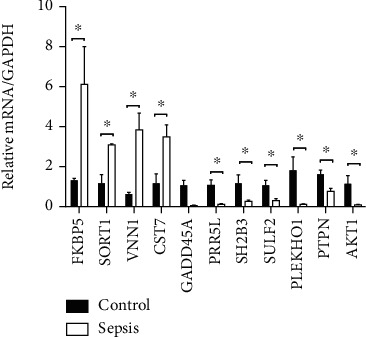
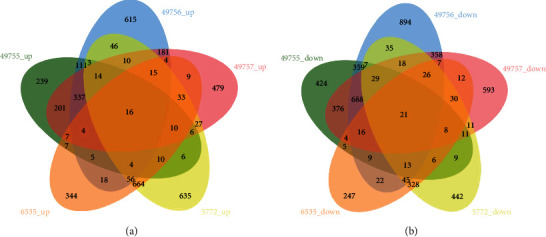
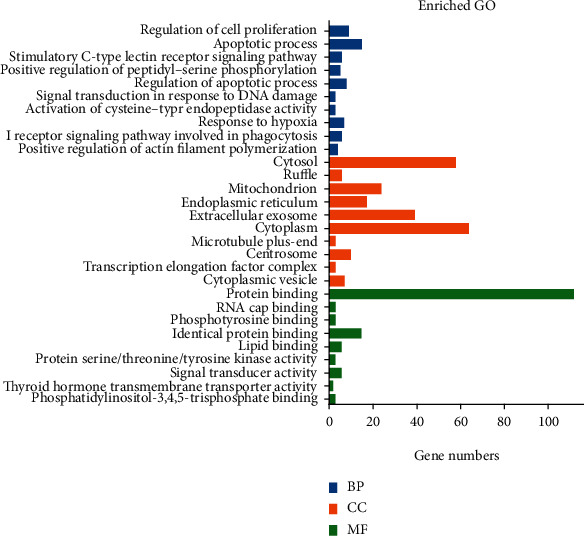
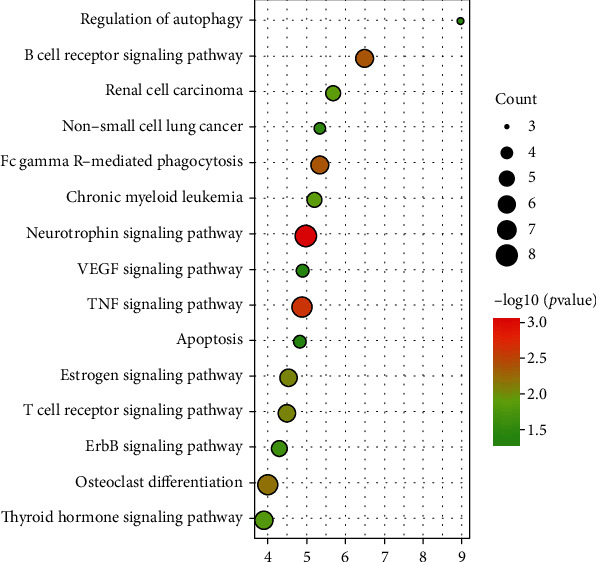
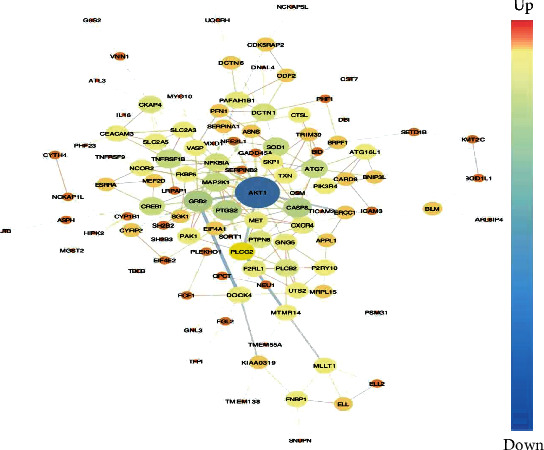
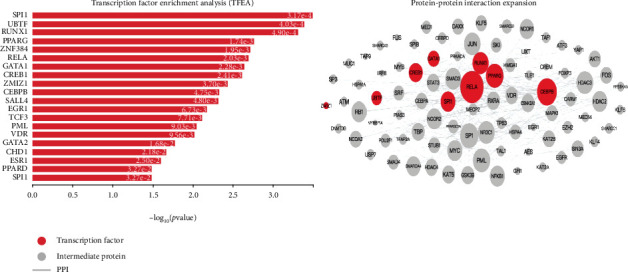
The central component of sepsis pathogenesis is inflammatory disorder, which is related to dysfunction of the immune system. However, the specific molecular mechanism of sepsis has not yet been fully elucidated. The aim of our study was to identify genes that are significantly changed during sepsis development, for the identification of potential pathogenic factors. Differentially expressed genes (DEGs) were identified in 88 control and 214 septic patient samples. Gene ontology (GO) and pathway enrichment analyses were performed using David. A protein-protein interaction (PPI) network was established using STRING and Cytoscape. Further validation was performed using real-time polymerase chain reaction (RT-PCR). We identified 37 common DEGs. GO and pathway enrichment indicated that enzymes and transcription factors accounted for a large proportion of DEGs; immune system and inflammation signaling demonstrated the most significant changes. Furthermore, eight hub genes were identified via PPI analysis. Interestingly, four of the top five upregulated and all downregulated DEGs were involved in immune and inflammation signaling. In addition, the most intensive hub gene and the top DEGs in human clinical samples were validated using RT-PCR. This study explored the possible molecular mechanisms underpinning the inflammatory, immune, and PI3K/AKT pathways related to sepsis development.
脓毒症发病机制的核心环节是炎症紊乱,这与免疫系统功能障碍有关。然而,脓毒症的确切分子机制尚未完全阐明。本研究旨在鉴定脓毒症发展过程中显著变化的基因,以识别潜在的致病因素。从 88 个对照和 214 个脓毒症患者样本中鉴定出差异表达基因(DEGs)。使用 DAVID 进行基因本体论(GO)和途径富集分析。使用 STRING 和 Cytoscape 建立蛋白质-蛋白质相互作用(PPI)网络。使用实时聚合酶链反应(RT-PCR)进一步验证。我们确定了 37 个常见的 DEGs。GO 和途径富集表明,酶和转录因子占 DEGs 的很大比例;免疫系统和炎症信号显示出最显著的变化。此外,通过 PPI 分析鉴定出 8 个枢纽基因。有趣的是,上调基因前 5 位中的 4 位和所有下调 DEGs 都参与了免疫和炎症信号。此外,使用 RT-PCR 验证了最密集的枢纽基因和人类临床样本中的顶级 DEGs。本研究探讨了与脓毒症发展相关的炎症、免疫和 PI3K/AKT 通路的可能分子机制。