Department of Drug Discovery and Biomedical Sciences, College of Pharmacy, University of South Carolina, Columbia, United States.
Peromyscus Genetic Stock Center, University of South Carolina, Columbia, United States.
Elife. 2021 May 7;10:e64711. doi: 10.7554/eLife.64711.
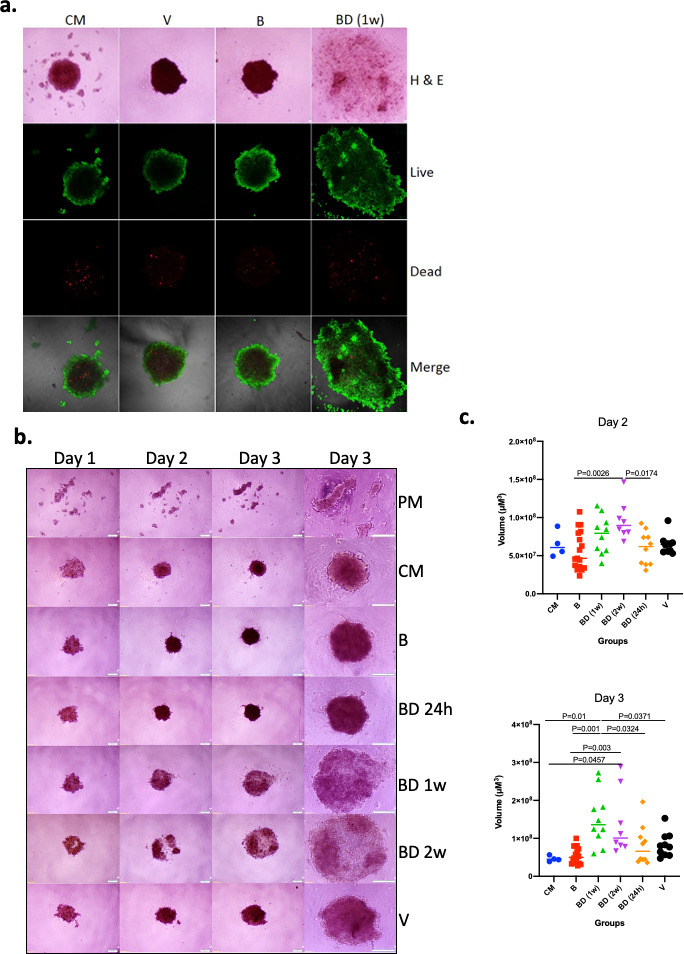
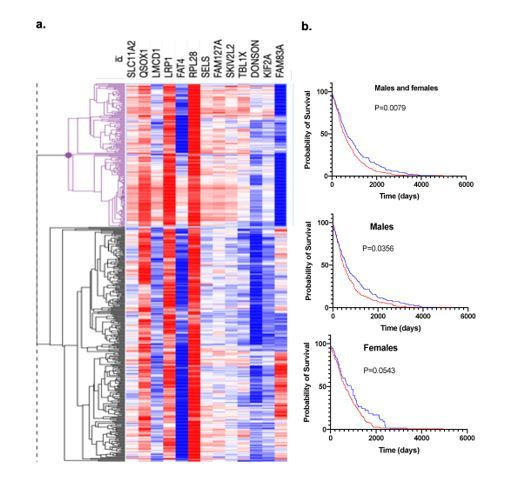
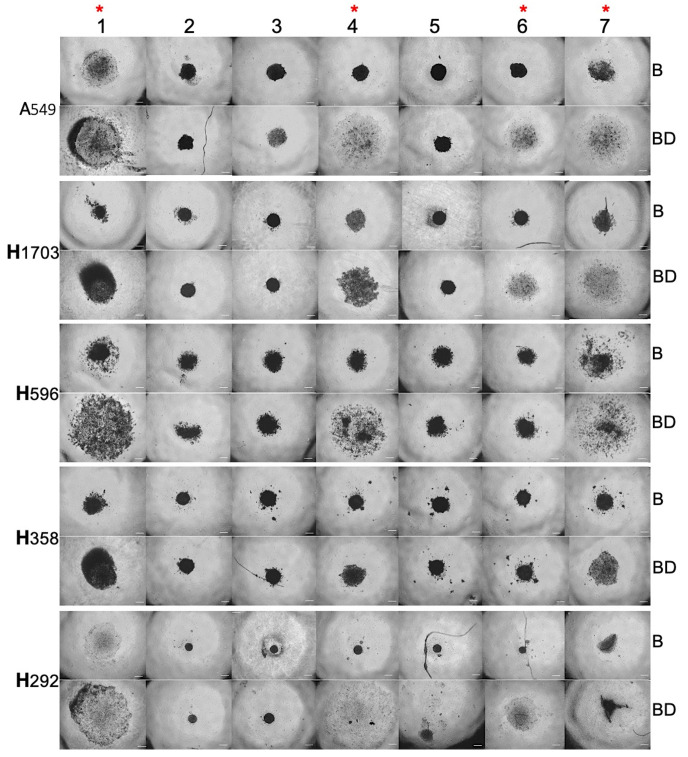
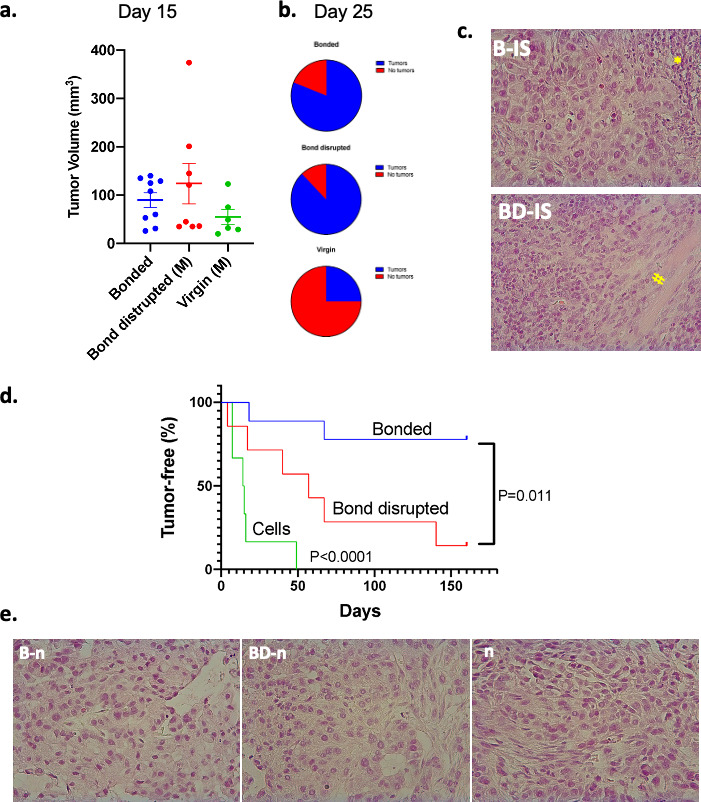
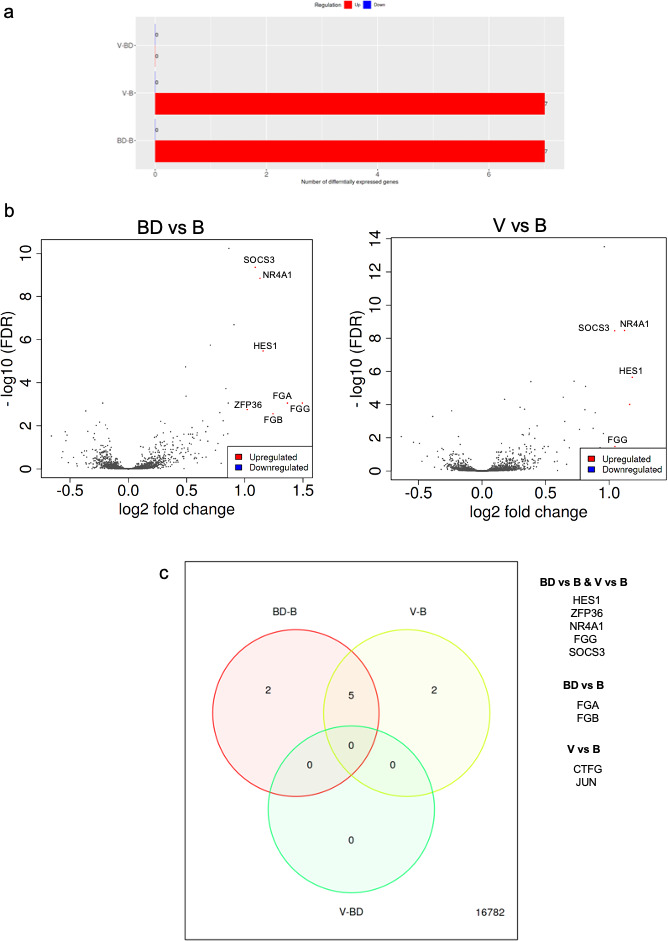
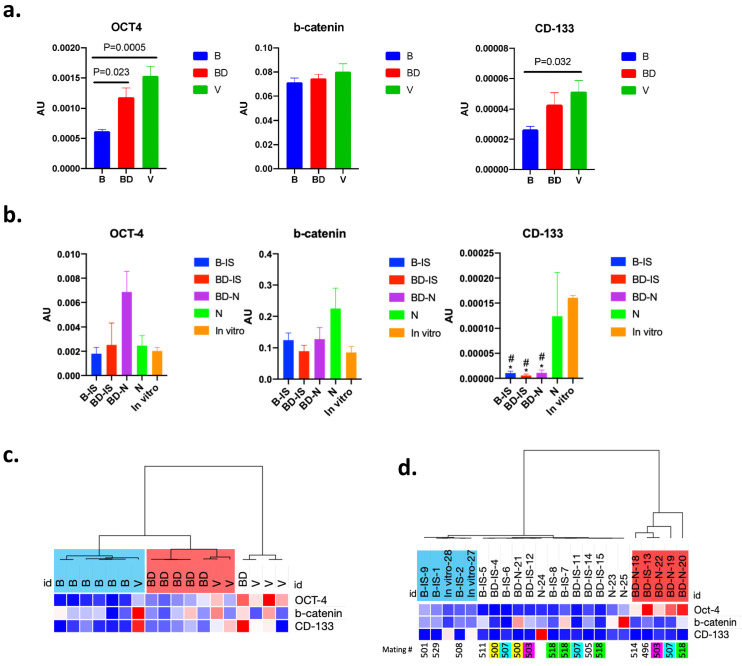
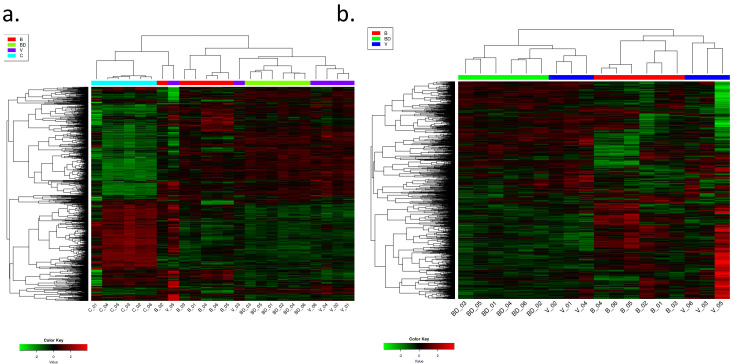
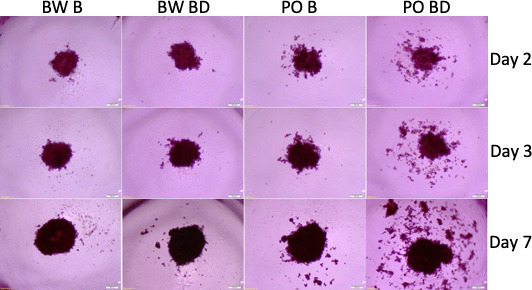
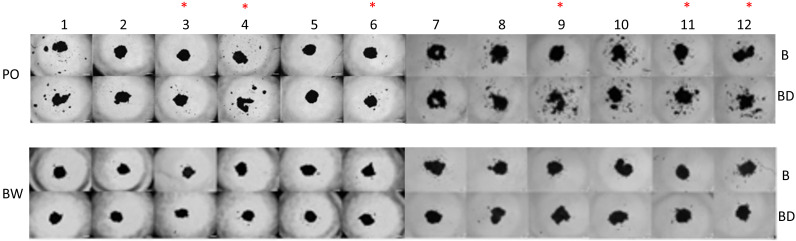
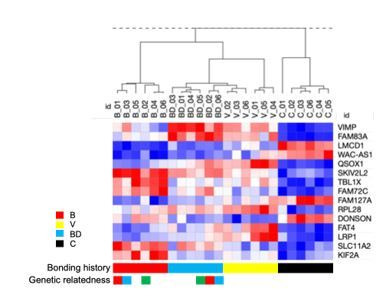
Epidemiological evidence suggests that social interactions and especially bonding between couples influence tumorigenesis, yet whether this is due to lifestyle changes, homogamy (likelihood of individuals to marry people of similar health), or directly associated with host-induced effects in tumors remains debatable. In the present study, we explored if tumorigenesis is associated with the bonding experience in monogamous rodents at which disruption of pair bonds is linked to anxiety and stress. Comparison of lung cancer cell spheroids that formed in the presence of sera from bonded and bond-disrupted deer mice showed that in monogamous and , but not in polygamous , the disruption of pair bonds altered the size and morphology of spheroids in a manner that is consistent with the acquisition of increased oncogenic potential. In vivo, consecutive transplantation of human lung cancer cells between , differing in bonding experiences (n = 9 for bonded and n = 7 for bond-disrupted), and nude mice showed that bonding suppressed tumorigenicity in nude mice (p<0.05), suggesting that the protective effects of pair bonds persisted even after bonding ceased. Unsupervised hierarchical clustering indicated that the transcriptomes of lung cancer cells clustered according to the serum donors' bonding history while differential gene expression analysis pointed to changes in cell adhesion and migration. The results highlight the pro-oncogenic effects of pair-bond disruption, point to the acquisition of expression signatures in cancer cells that are relevant to the bonding experiences of serum donors, and question the ability of conventional mouse models to capture the whole spectrum of the impact of the host in tumorigenesis.
流行病学证据表明,社交互动,尤其是夫妻之间的情感联系,会影响肿瘤的发生。然而,这种影响是由于生活方式的改变、同型婚配(即个体倾向于与健康状况相似的人结婚),还是直接与宿主诱导的肿瘤效应有关,仍存在争议。在本研究中,我们探讨了肿瘤的发生是否与单配制啮齿动物的结合体验有关,因为破坏配对联系与焦虑和压力有关。比较了在结合和破坏配对联系的鹿鼠血清存在下形成的肺癌细胞球体,结果表明,在单配制的 和 中,而不是在多配制的 中,破坏配对联系会改变球体的大小和形态,使其获得更高的致癌潜力。在体内,连续将来自不同结合经验(结合组 n = 9,破坏配对联系组 n = 7)的人肺癌细胞在 和 之间移植,并将其植入裸鼠中,结果表明结合抑制了裸鼠的肿瘤形成(p<0.05),这表明即使结合停止,配对联系的保护作用仍然存在。无监督层次聚类分析表明,肺癌细胞的转录组根据血清供体的结合史聚类,而差异基因表达分析则指向细胞黏附和迁移的变化。研究结果强调了配对联系破坏的致癌作用,指出了癌细胞中与血清供体结合经历相关的表达特征的获得,并质疑了传统的小鼠模型捕捉宿主对肿瘤发生的全部影响的能力。