Hasegawa Daisuke, Sato Ryota, Nishida Osamu
Department of Anesthesiology and Critical Care Medicine, Fujita Health University School of Medicine, 1-98 Dengakugakubo, Kutsukake-cho, Toyoake, Aichi, 470-1192, Japan.
Department of Critical Care Medicine, Respiratory Institute, Cleveland Clinic, Cleveland, OH, USA.
J Intensive Care. 2021 May 8;9(1):39. doi: 10.1186/s40560-021-00552-w.
The use of ultrashort-acting β1-blockers recently has attracted attention in septic patients with non-compensatory tachycardia. We summarized the metabolic and hemodynamic effects and the clinical evidence of ultrashort-acting β1-blockers.
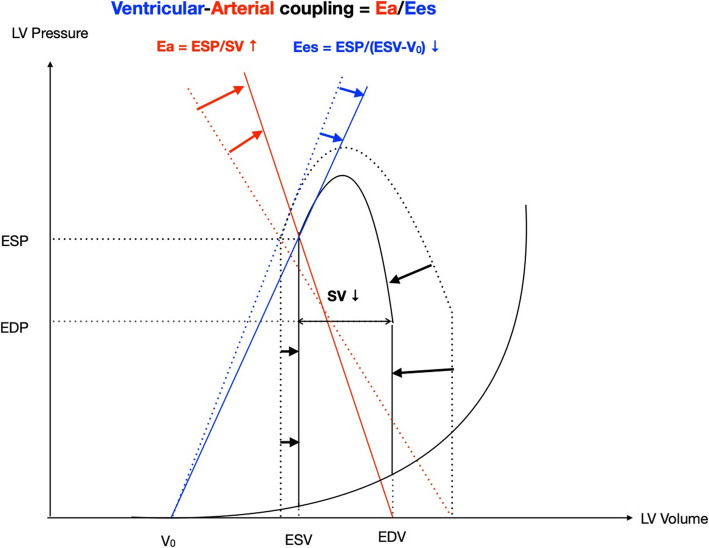
A recent meta-analysis showed that ultrashort-acting β1-blockers reduced the mortality in septic patients with persistent tachycardia. However, its mechanism to improve mortality is not fully understood yet. We often use lactate as a marker of oxygen delivery, but an impaired oxygen use rather than reduced oxygen delivery has been recently proposed as a more reasonable explanation of hyperlactatemia in patients with sepsis, leading to a question of whether β1-blockers affect metabolic systems. While the stimulation of the β2-receptor accelerates glycolysis and lactate production, the role of β1-blocker in lactate production remains unclear and studies investigating the role of β1-blockers in lactate kinetics are warranted. A meta-analysis also reported that ultrashort-acting β1-blockers increased stroke volume index, while it reduced heart rate, resulting in unchanged cardiac index, mean arterial pressure, and norepinephrine requirement at 24 h, leading to an improvement of cardiovascular efficiency. On the other hand, a recent study reported that heart rate reduction using fast esmolol titration in the very early phase of septic shock caused hemodynamic instability, suggesting that ultrashort-acting β1-blockers should be started only after completing initial resuscitation. While many clinicians still do not feel comfortable controlling sinus tachycardia, one randomized controlled trial in which the majority had sinus tachycardia suggested the mortality benefit of ultrashort-acting β1-blockers. Therefore, it still deems to be reasonable to control sinus tachycardia with ultrashort-acting β1-blockers after completing initial resuscitation.
Accumulating evidence is supporting the use of ultrashort-acting β1-blockers while larger randomized controlled trials to clarify the effect of ultrashort-acting β1-blockers are still warranted.
超短效β1受体阻滞剂最近在伴有非代偿性心动过速的脓毒症患者中受到关注。我们总结了超短效β1受体阻滞剂的代谢和血流动力学效应以及临床证据。
最近一项荟萃分析表明,超短效β1受体阻滞剂可降低持续性心动过速脓毒症患者的死亡率。然而,其改善死亡率的机制尚未完全明确。我们经常将乳酸作为氧输送的标志物,但最近有人提出,脓毒症患者高乳酸血症更合理的解释是氧利用受损而非氧输送减少,这就引出了β1受体阻滞剂是否影响代谢系统的问题。虽然β2受体的刺激会加速糖酵解和乳酸生成,但β1受体阻滞剂在乳酸生成中的作用仍不明确,因此有必要开展研究来探究β1受体阻滞剂在乳酸动力学中的作用。一项荟萃分析还报告称,超短效β1受体阻滞剂可增加每搏量指数,同时降低心率,导致24小时内心脏指数、平均动脉压和去甲肾上腺素需求量不变,从而提高心血管效率。另一方面,最近一项研究报告称,在脓毒症休克极早期使用快速艾司洛尔滴定法降低心率会导致血流动力学不稳定,这表明超短效β1受体阻滞剂应仅在完成初始复苏后开始使用。虽然许多临床医生对控制窦性心动过速仍不放心,但一项大多数患者为窦性心动过速的随机对照试验表明超短效β1受体阻滞剂有降低死亡率的益处。因此,在完成初始复苏后用超短效β1受体阻滞剂控制窦性心动过速似乎仍属合理。
越来越多的证据支持使用超短效β1受体阻滞剂,不过仍需要开展更大规模的随机对照试验来阐明超短效β1受体阻滞剂的效果。