Hayashi Yujiro, Fujita Kazutoshi
Department of Urology, Osaka University Graduate School of Medicine, Suita, Japan.
Department of Urology, Kindai University Faculty of Medicine, Osakasayama, Japan.
Transl Androl Urol. 2021 Apr;10(4):1865-1877. doi: 10.21037/tau-20-1259.
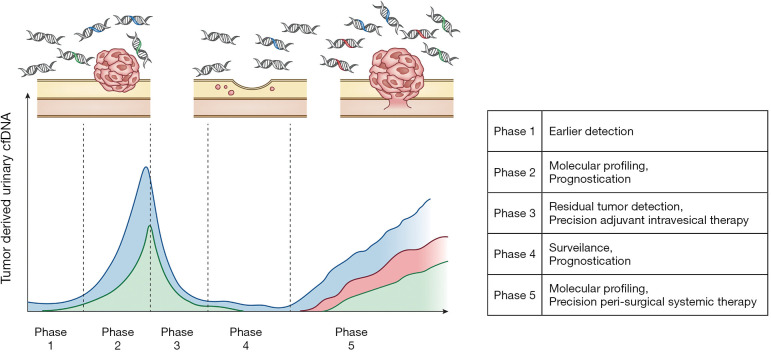
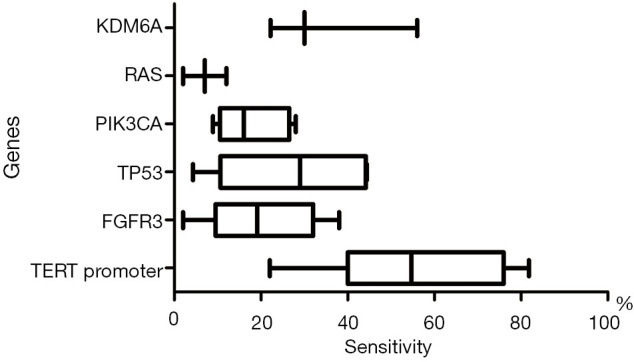
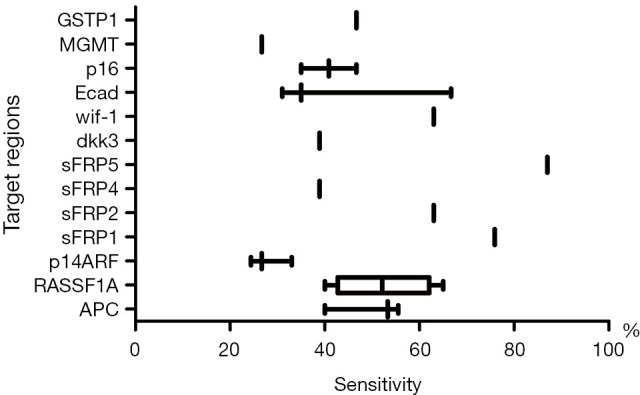
Liquid biopsy technique targeting urinary cell-free DNA (cfDNA) is getting a lot of attention to overcome limitations of the present treatment strategy for urothelial carcinoma, including urothelial bladder carcinoma (UBC) and upper tract urothelial carcinoma (UTUC). Analysis of tumor-derived DNA in urine focusing either on genomic or epigenomic alterations, holds great potential as a noninvasive method for the detection of urothelial carcinoma with high accuracy. It is also predictive of prognosis and response to drugs, and reveals the underlying characteristics of different stages of urothelial carcinoma. Although cfDNA methylation analyses based on a combination of several methylation profiles have demonstrated high sensitivity for UBC diagnosis, there have been few reports involving epigenomic studies of urinary cfDNA. In mutational analyses, frequent gene mutations ( promoter, , , , , etc.) have been detected in urine supernatant by using remarkable technological innovations such as next-generation sequencing and droplet digital PCR. These methods allow highly sensitive detection of rare mutation alleles while minimizing artifacts. In this review, we summarize the current insights into the clinical applications of urinary cfDNA from patients with urothelial carcinoma. Although it is necessary to conduct prospective multi-institutional clinical trials, noninvasive urine biopsy is expected to play an important role in the realization of precision medicine in patients with urothelial carcinoma in the near future.
针对尿游离DNA(cfDNA)的液体活检技术正受到广泛关注,以克服目前尿路上皮癌(包括膀胱尿路上皮癌(UBC)和上尿路尿路上皮癌(UTUC))治疗策略的局限性。聚焦于基因组或表观基因组改变的尿液中肿瘤衍生DNA分析,作为一种高精度检测尿路上皮癌的非侵入性方法具有巨大潜力。它还能预测预后和对药物的反应,并揭示尿路上皮癌不同阶段的潜在特征。尽管基于多种甲基化谱组合的cfDNA甲基化分析已显示出对UBC诊断的高敏感性,但涉及尿液cfDNA表观基因组研究的报道很少。在突变分析中,通过使用下一代测序和数字液滴PCR等卓越技术创新,在尿上清液中检测到了频繁的基因突变(启动子等)。这些方法能够高度灵敏地检测罕见突变等位基因,同时将假象降至最低。在本综述中,我们总结了目前对尿路上皮癌患者尿液cfDNA临床应用的见解。尽管有必要进行前瞻性多机构临床试验,但无创性尿液活检有望在不久的将来在尿路上皮癌患者的精准医疗实现中发挥重要作用。