Yu Jiali, Bennett Dennis, Dardick Christopher, Zhebentyayeva Tetyana, Abbott Albert G, Liu Zongrang, Staton Margaret E
Genome Science and Technology Program, University of Tennessee, Knoxville, TN, United States.
Appalachian Fruit Research Station, United States Department of Agriculture-Agriculture Research Service, Kearneysville, WV, United States.
Front Mol Biosci. 2021 Apr 9;8:612881. doi: 10.3389/fmolb.2021.612881. eCollection 2021.
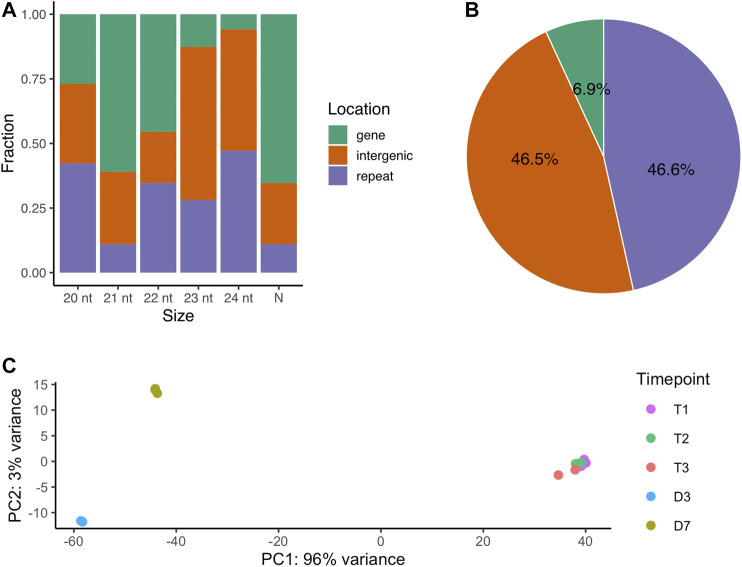
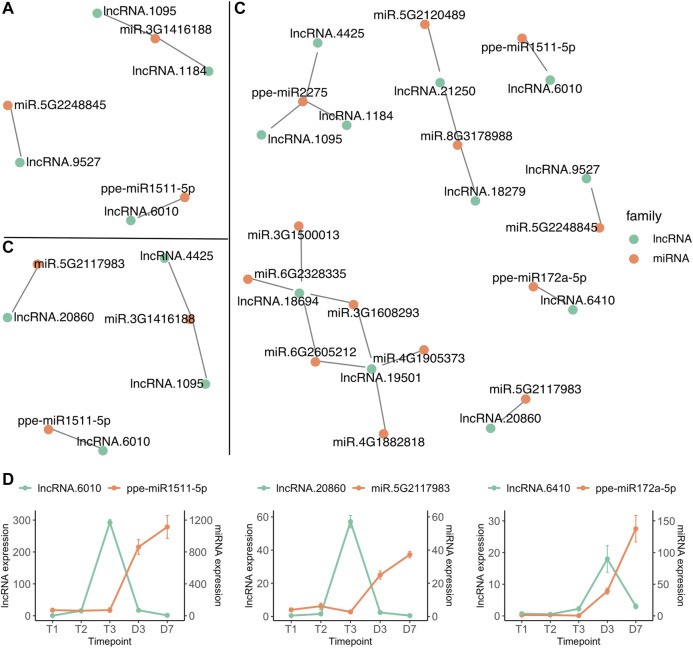
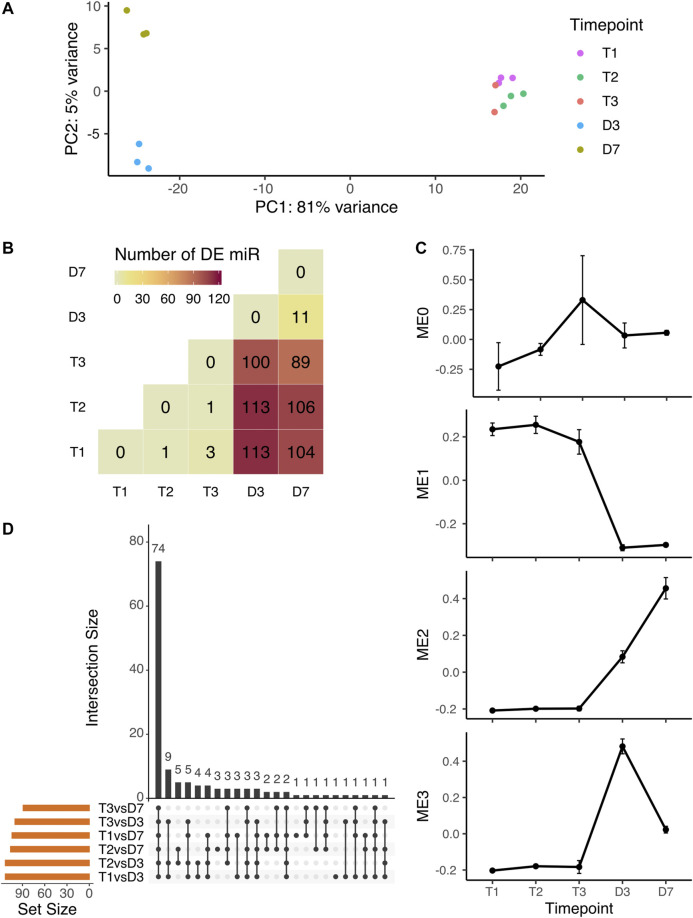
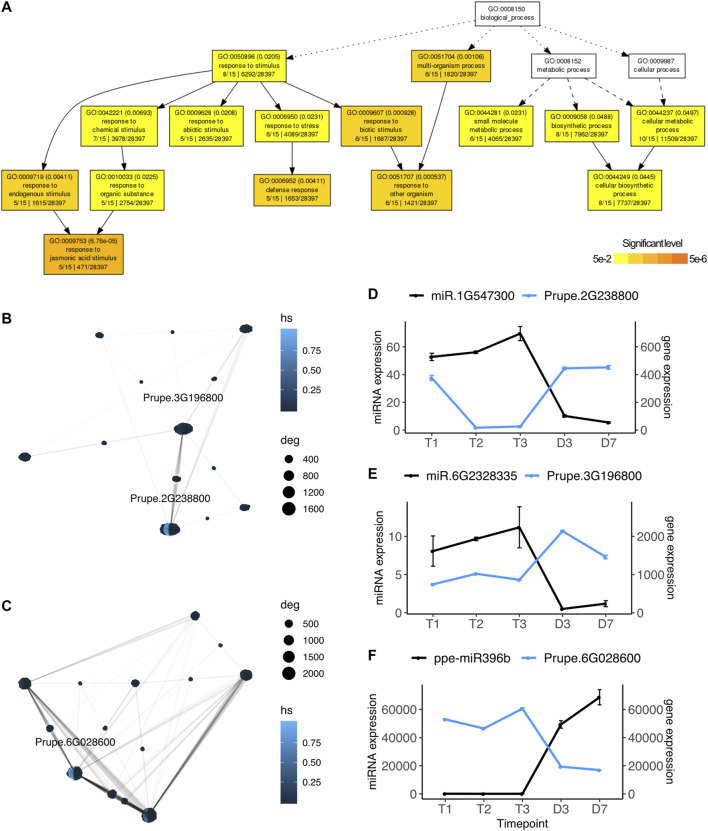
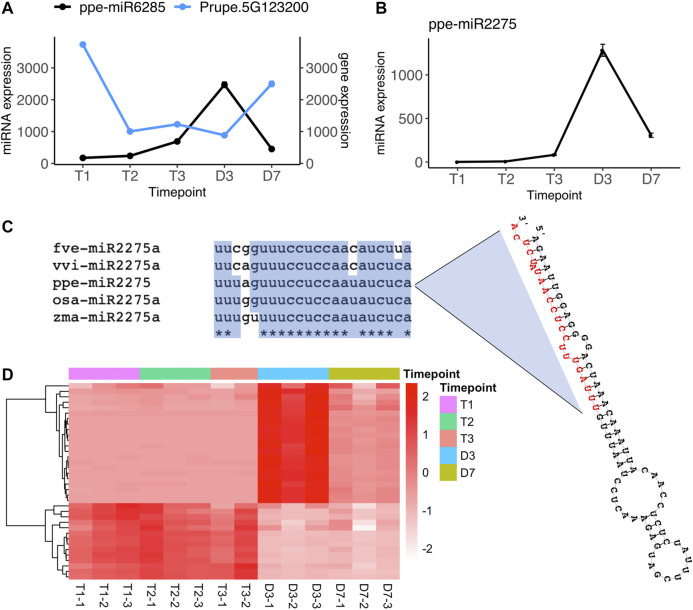
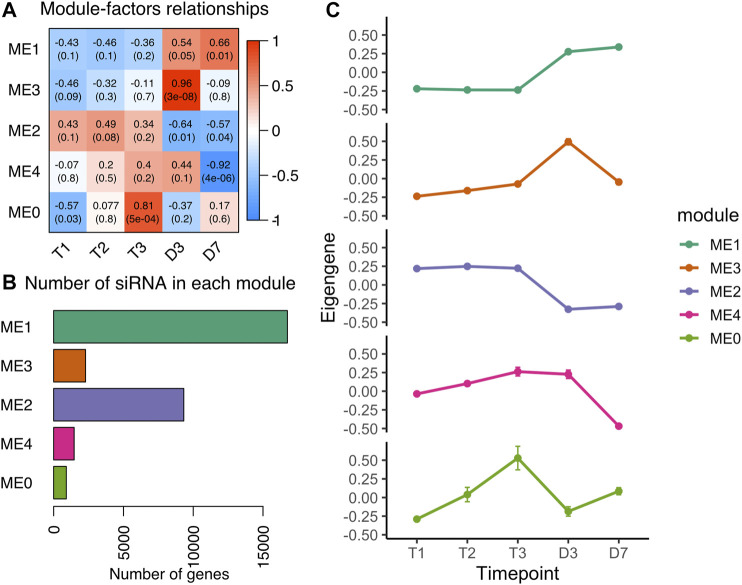
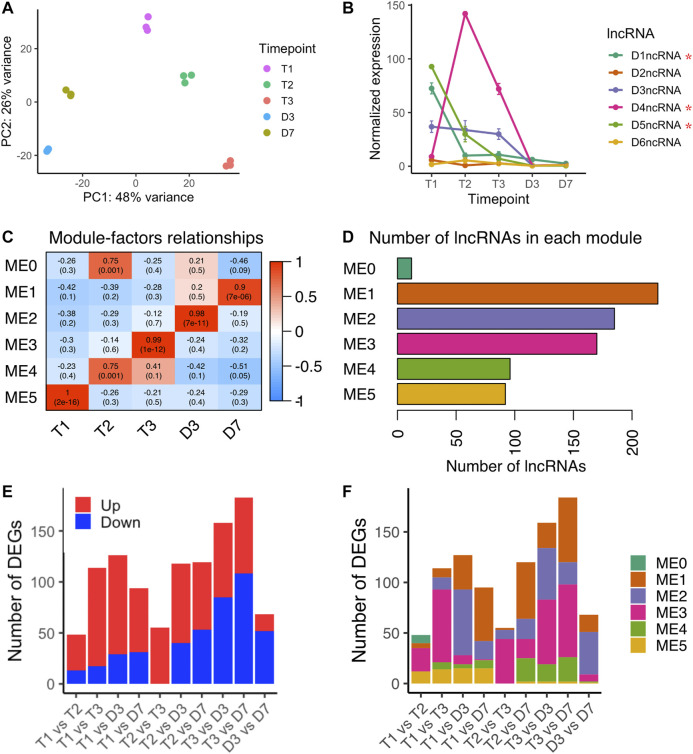
Bud dormancy is under the regulation of complex mechanisms including genetic and epigenetic factors. To study the function of regulatory non-coding RNAs in winter dormancy release, we analyzed the small RNA and long non-coding RNA (lncRNA) expression from peach () floral buds in endodormancy, ecodormancy and bud break stages. Small RNAs underwent a major shift in expression primarily between dormancy and flowering with specific pairs of microRNAs and their mRNA target genes undergoing coordinated differential expression. From endodormancy to ecodormancy, ppe-miR6285 was significantly upregulated while its target gene, an ASPARAGINE-RICH PROTEIN involved in the regulation of abscisic acid signaling, was downregulated. At ecodormancy, ppe-miR2275, a homolog of meiosis-specific miR2275 across angiosperms, was significantly upregulated, supporting microsporogenesis in anthers at a late stage of dormancy. The expression of 785 lncRNAs, unlike the overall expression pattern in the small RNAs, demonstrated distinctive expression signatures across all dormancy and flowering stages. We predicted that a subset of lncRNAs were targets of microRNAs and found 18 lncRNA/microRNA target pairs with both differentially expressed across time points. The genome-wide differential expression and network analysis of non-coding RNAs and mRNAs from the same tissues provide new candidate loci for dormancy regulation and suggest complex noncoding RNA interactions control transcriptional regulation across these key developmental time points.
芽休眠受包括遗传和表观遗传因素在内的复杂机制调控。为了研究调控性非编码RNA在冬季休眠解除中的功能,我们分析了桃()花芽在深休眠、生态休眠和萌芽阶段的小RNA和长链非编码RNA(lncRNA)表达情况。小RNA的表达主要在休眠和开花之间发生了重大变化,特定的microRNA对及其mRNA靶基因经历了协同差异表达。从深休眠到生态休眠,ppe-miR6285显著上调,而其靶基因,一个参与脱落酸信号调控的富含天冬酰胺蛋白则下调。在生态休眠期,ppe-miR2275,一种被子植物中减数分裂特异性miR2275的同源物,显著上调,支持休眠后期花药中的小孢子发生。与小RNA的整体表达模式不同,785个lncRNA的表达在所有休眠和开花阶段都表现出独特的表达特征。我们预测一部分lncRNA是microRNA的靶标,并发现了18对lncRNA/microRNA靶标对,两者在时间点上均有差异表达。对同一组织中lncRNA和mRNA进行全基因组差异表达和网络分析,为休眠调控提供了新的候选基因座,并表明复杂的非编码RNA相互作用控制着这些关键发育时间点的转录调控。