Tzamouranis Dorotheos Dimitrios, Chandrinos Aristeidis
Department of Biomedical Sciences, Division of Optics and Optometry, Laboratory of Optical Metrology, School of Health and Welfare, University of West Attica, Egaleo Park Campus, Athens, Greece.
Data Brief. 2021 Jun;36:107101. doi: 10.1016/j.dib.2021.107101. Epub 2021 May 1.
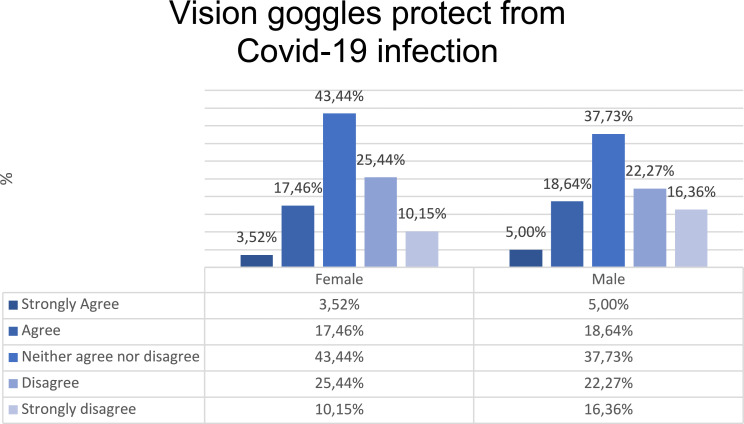
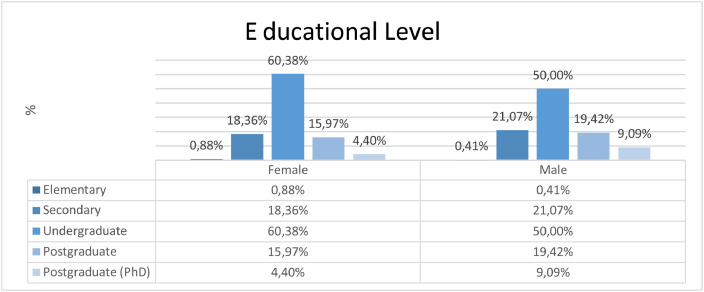
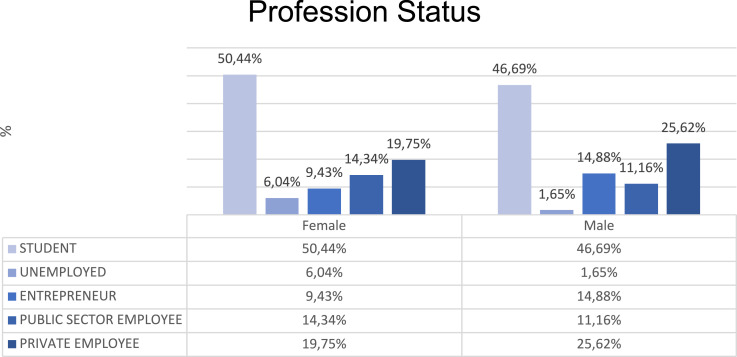
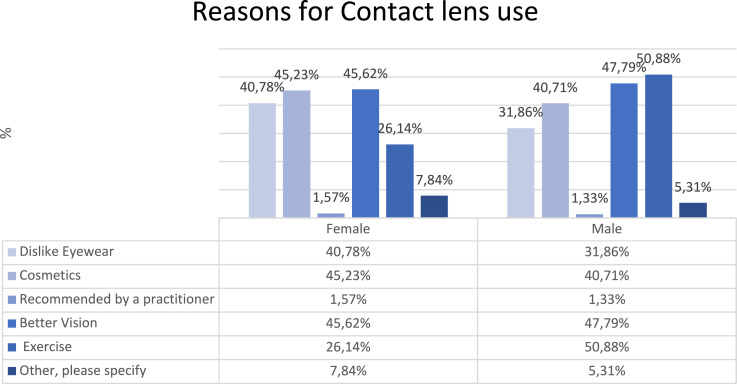
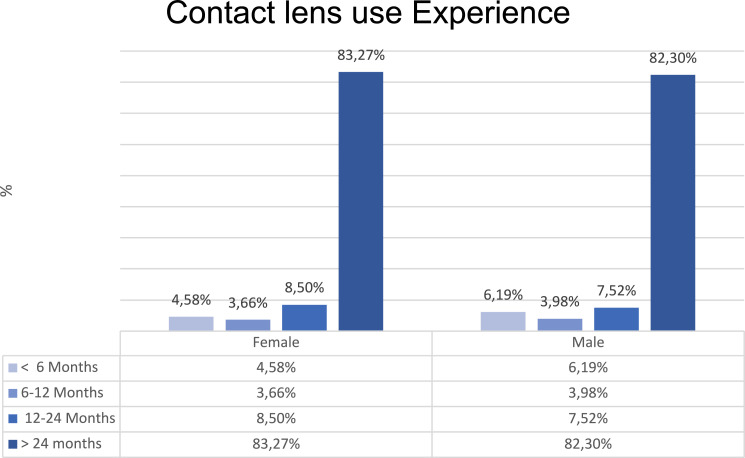
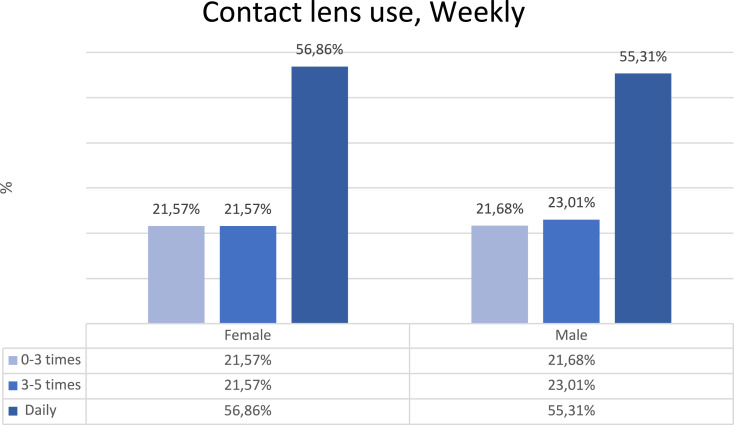
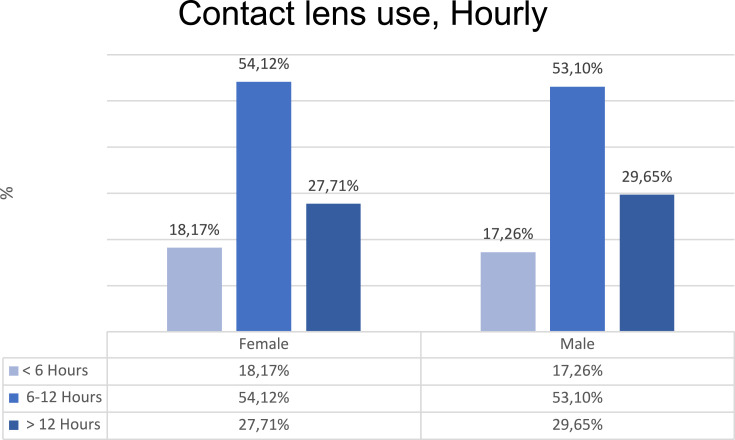
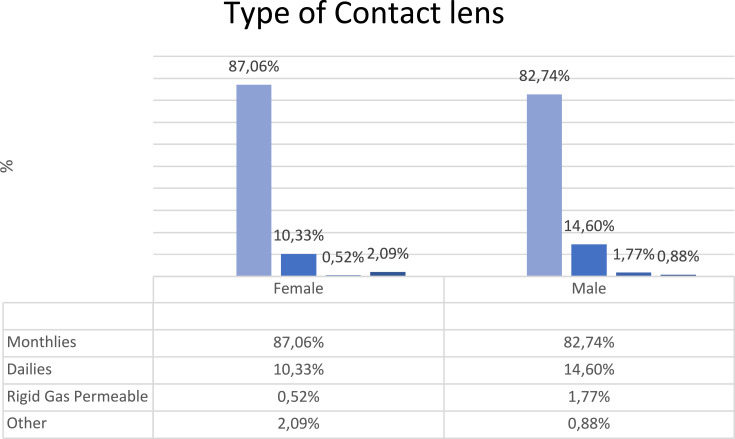
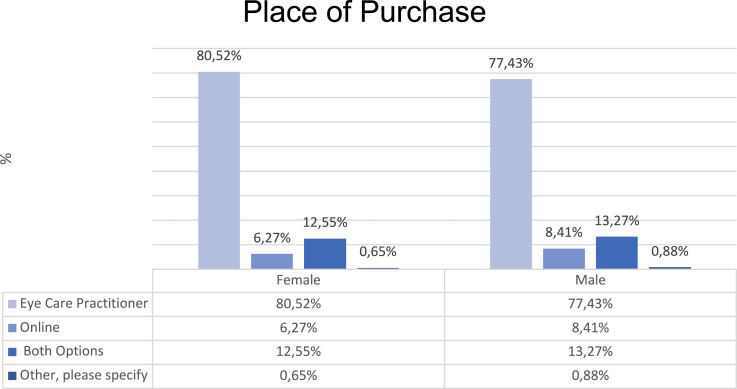
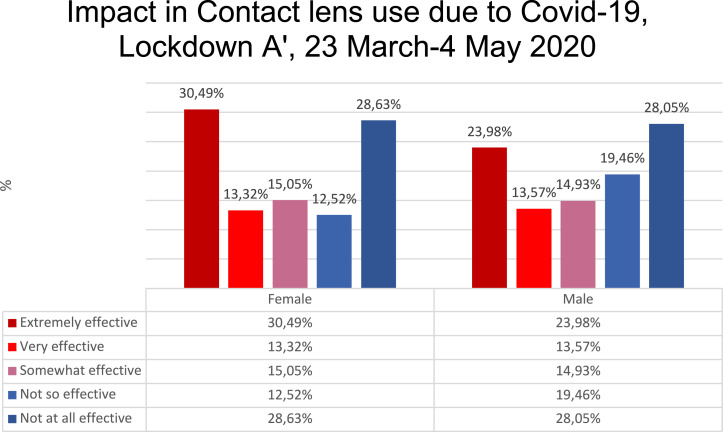
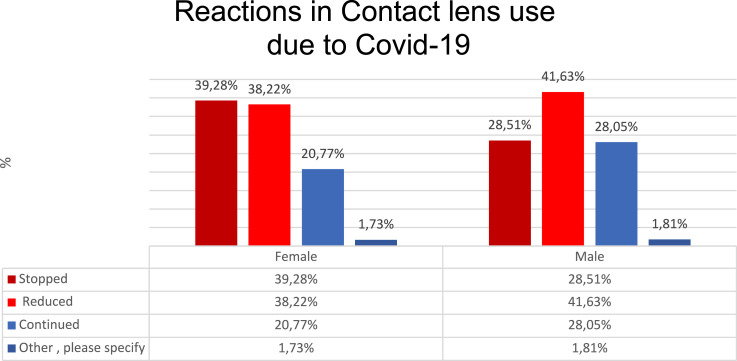
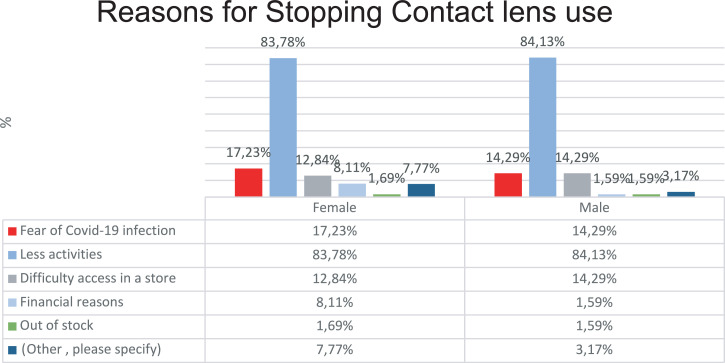
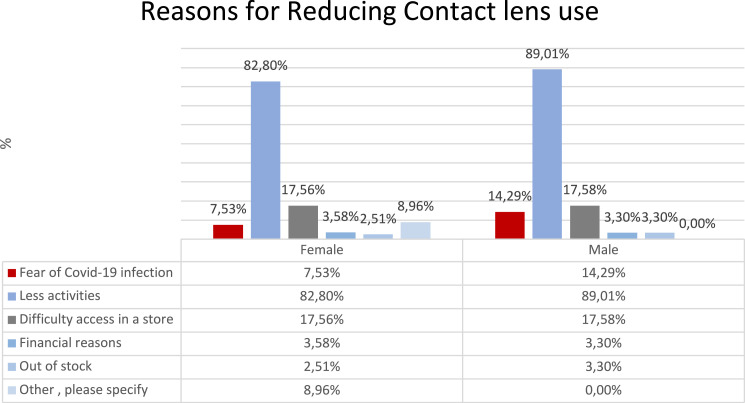
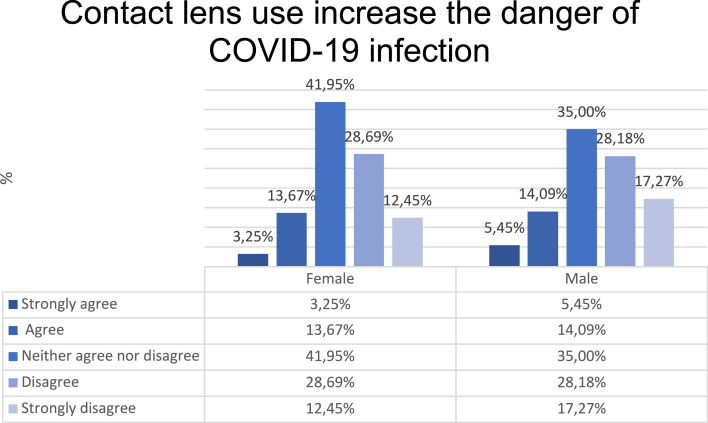
The data set presents data collected by an online questionnaire, applying closed-ended question types (multiple-choice, Likert scale) and questions Skip Logic. Instruments from previous studies in the field of optometry such as Contact Lens User Experience (CLUE Scales), Quality of Life Questionnaire (CLIQ), Quality of Vision (QoV) Questionnaire, did not meet the needs of this study. Therefore, in order to provide a statistically valid and consistent instrument to examine the psychopathological reactions in Contact lens wearers due to COVID-19, a new questionnaire was designed. The steps followed to collect and manage data were, definition of the objectives of the study, questionnaire design, questionnaire pilot testing (validity, reliability, repeatability), data administration and results interpretation. This descriptive survey employed online data collection using an anonymized questionnaire. The questionnaire was made available via an online link on social networks from 28/09/2020 to 11/10/2020. The questionnaire, in order to record the psychopathological reactions in Contact lens wearers due to COVID-19, was structured according to three psychopathological reactions (COVID-RS scales), (a) disorganized behaviors, (b) avoidant behaviors, (c) maladaptive information consumption. Therefore includes, (a) socio-demographic variables such as, (age, gender, educational level, Professional status, geographical area of habitation), (b) Health and Consumer behavior in Contact lens wearers, (c) Perceived risk of infection due to COVID-19 in Contact lens users, with a total of 22 items and maximum completion time 4 min. The survey included 1676 participants, 1037 were Contact Lens users and completed the online questionnaire. Of them, 76.7% (795) were female and 23.3% (242) were male. The educational level of the participants was, 7.5% (8) primary education, 18.9% (197) Secondary education, 57.9% (601) Undergraduate education, 22.3% (231) Postgraduate education. According to the age groups, 68.2% (707) participants were between 18 and 34 years old, 23.4% (278) participants were between 35 and 54 years old, 4.8% (50) participants were between 55 and 74 years old, 0.2% (2) participants were 75 and over. All data were exported to Excel spreadsheets. Only the completed questionnaires were used in the analyses. Data were analyzed using the Statistical Package for Social Sciences (SPSS) software version 24. Cronbach's alpha showed for the group, Health and Consumer behavior in Contact lens wearers (6 items), to reach acceptable reliability Cronbach's alpha showed for the group, Perceived risk of infection due to COVID-19 in contact lens wearers (6 items), to reach acceptable reliability . The data set can be used to understand the relationship between the perceived risk of Covid-19 infection and contact lens (CL) use, the potential effect of the pandemic in Health and consumer behavior in Contact lens users, to draft a survey strategy and design, to verify results, etc.
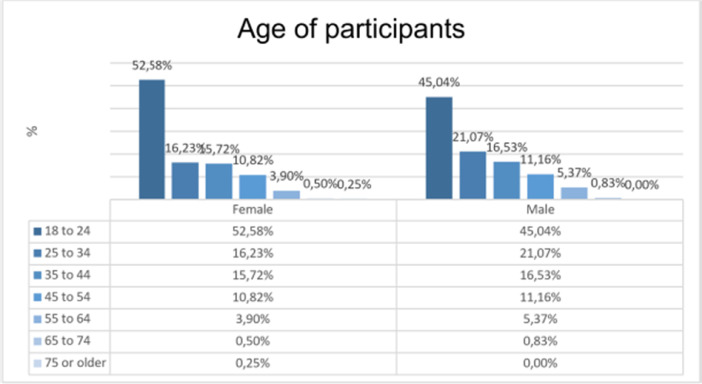
该数据集呈现了通过在线问卷收集的数据,问卷采用封闭式问题类型(多项选择题、李克特量表)以及问题跳转逻辑。视光学领域先前研究中使用的工具,如隐形眼镜用户体验(CLUE量表)、生活质量问卷(CLIQ)、视觉质量(QoV)问卷等,均无法满足本研究的需求。因此,为了提供一个具有统计学效度且一致的工具来检测新冠疫情期间隐形眼镜佩戴者的心理病理反应,设计了一份新的问卷。收集和管理数据所遵循的步骤包括:确定研究目标、问卷设计、问卷预测试(效度、信度、可重复性)、数据管理及结果解读。这项描述性调查采用匿名问卷进行在线数据收集。问卷于2020年9月28日至2020年10月11日通过社交网络上的在线链接提供。为记录新冠疫情期间隐形眼镜佩戴者的心理病理反应,问卷依据三种心理病理反应(COVID-RS量表)进行构建:(a)紊乱行为,(b)回避行为,(c)适应不良的信息消费。因此,问卷包括:(a)社会人口统计学变量,如(年龄、性别、教育水平、职业状况、居住地理区域),(b)隐形眼镜佩戴者的健康及消费行为,(c)隐形眼镜使用者因新冠疫情而感知到的感染风险,共计22个项目,最长完成时间为4分钟。该调查共有1676名参与者,其中1037名是隐形眼镜使用者并完成了在线问卷。其中,76.7%(795名)为女性,23.3%(242名)为男性。参与者的教育水平为:7.5%(8人)接受小学教育,18.9%(197人)接受中学教育,57.9%(601人)接受本科教育,22.3%(231人)接受研究生教育。按年龄组划分,68.2%(707名)参与者年龄在18至34岁之间,23.4%(278名)参与者年龄在35至54岁之间,4.8%(50名)参与者年龄在55至74岁之间,0.2%(2名)参与者年龄在75岁及以上。所有数据均导出到Excel电子表格中。分析仅使用已完成的问卷。数据使用社会科学统计软件包(SPSS)24版进行分析。克朗巴哈系数表明,隐形眼镜佩戴者的健康及消费行为组(6个项目)达到了可接受的信度;克朗巴哈系数表明,隐形眼镜佩戴者因新冠疫情而感知到的感染风险组(6个项目)达到了可接受的信度。该数据集可用于了解新冠疫情感染感知风险与隐形眼镜使用之间的关系、疫情对隐形眼镜使用者健康和消费行为的潜在影响、制定调查策略与设计、验证结果等。