Lovisenberg Diaconal University College, Oslo, Norway.
Department of Nursing and Health Promotion, Faculty of Health Sciences, Oslo Metropolitan University, Oslo, Norway.
Int J Behav Nutr Phys Act. 2021 May 10;18(1):62. doi: 10.1186/s12966-021-01123-w.
Unplanned readmission may result in consequences for both the individual and society. The transition of patients from hospital to postdischarge settings often represents a discontinuity of care and is considered crucial in the prevention of avoidable readmissions. In older patients, physical decline and malnutrition are considered risk factors for readmission. The purpose of the study was to determine the effects of nutritional and physical exercise interventions alone or in combination after hospital admission on the risk of hospital readmission among older people.
A systematic review and meta-analysis of randomized controlled studies was conducted. The search involved seven databases (Medline, AMED, the Cochrane Library, CINAHL, Embase (Ovid), Food Science Source and Web of Science) and was conducted in November 2018. An update of this search was performed in March 2020. Studies involving older adults (65 years and above) investigating the effect of nutritional and/or physical exercise interventions on hospital readmission were included.
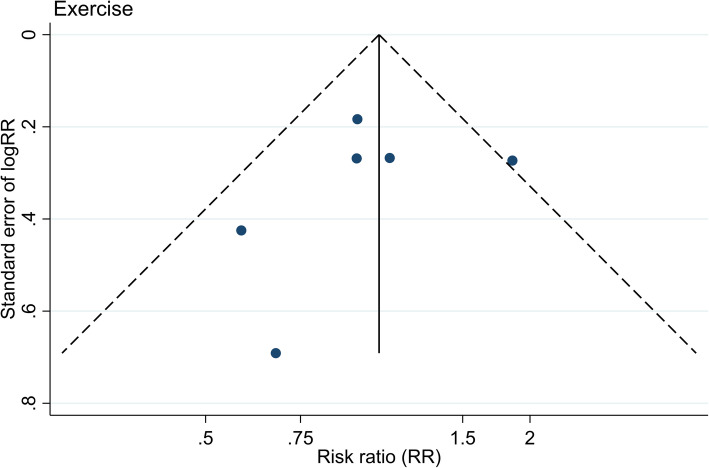
A total of 11 randomized controlled studies (five nutritional, five physical exercise and one combined intervention) were included and assessed for quality using the updated Cochrane Risk of Bias Tool. Nutritional interventions resulted in a significant reduction in readmissions (RR 0.84; 95% CI 0.70-1.00, p = 0.049), while physical exercise interventions did not reduce readmissions (RR 1.05; 95% CI 0.84-1.31, p-value = 0.662).
This meta-analysis suggests that nutrition support aiming to optimize energy intake according to patients' needs may reduce the risk of being readmitted to the hospital for people aged 65 years or older.
计划外再入院可能会给个人和社会带来后果。患者从医院过渡到出院后环境通常代表着医疗服务的不连续,被认为是预防可避免再入院的关键。在老年人中,身体衰退和营养不良被认为是再入院的风险因素。本研究的目的是确定单独或联合使用营养和身体运动干预措施对老年人住院后再入院风险的影响。
对随机对照研究进行了系统评价和荟萃分析。检索了七个数据库(Medline、AMED、Cochrane 图书馆、CINAHL、Embase(Ovid)、Food Science Source 和 Web of Science),检索时间为 2018 年 11 月,并于 2020 年 3 月进行了更新。纳入了涉及老年人(65 岁及以上)的研究,这些研究调查了营养和/或身体运动干预对住院再入院的影响。
共纳入 11 项随机对照研究(5 项营养干预、5 项身体运动干预和 1 项联合干预),并使用更新后的 Cochrane 偏倚风险工具对其进行了质量评估。营养干预可显著降低再入院率(RR 0.84;95%CI 0.70-1.00,p=0.049),而身体运动干预并不能降低再入院率(RR 1.05;95%CI 0.84-1.31,p 值=0.662)。
本荟萃分析表明,旨在根据患者需求优化能量摄入的营养支持可能会降低 65 岁及以上人群再次住院的风险。