Hsc T-4 Ste 169, Stony Brook University School of Medicine, Stony Brook, NY, 11794, USA.
Children's Hospital at Montefiore, Albert Einstein College of Medicine, Bronx, NY, USA.
Orphanet J Rare Dis. 2021 May 10;16(1):212. doi: 10.1186/s13023-021-01842-0.
Acid sphingomyelinase deficiency (ASMD) (also known as Niemann-Pick disease types A and B) is a rare and debilitating lysosomal storage disorder. This prospective, multi-center, multinational longitudinal study aimed to characterize the clinical features of chronic forms of ASMD and disease burden over time in children and adults.
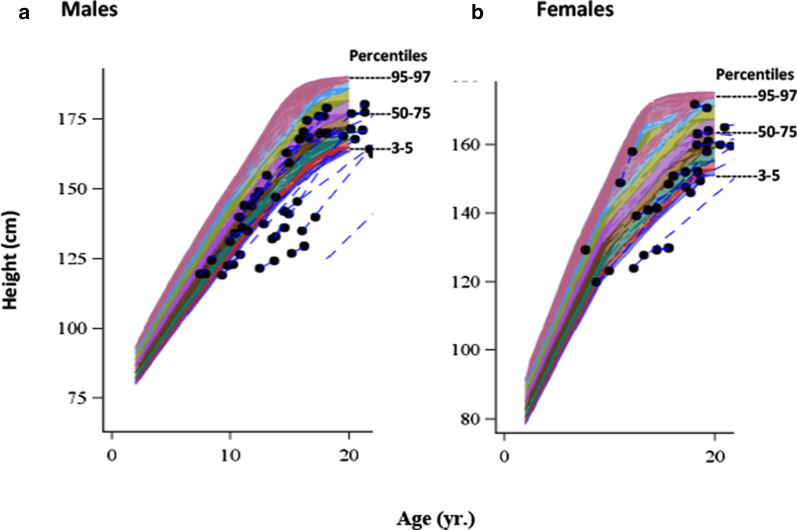
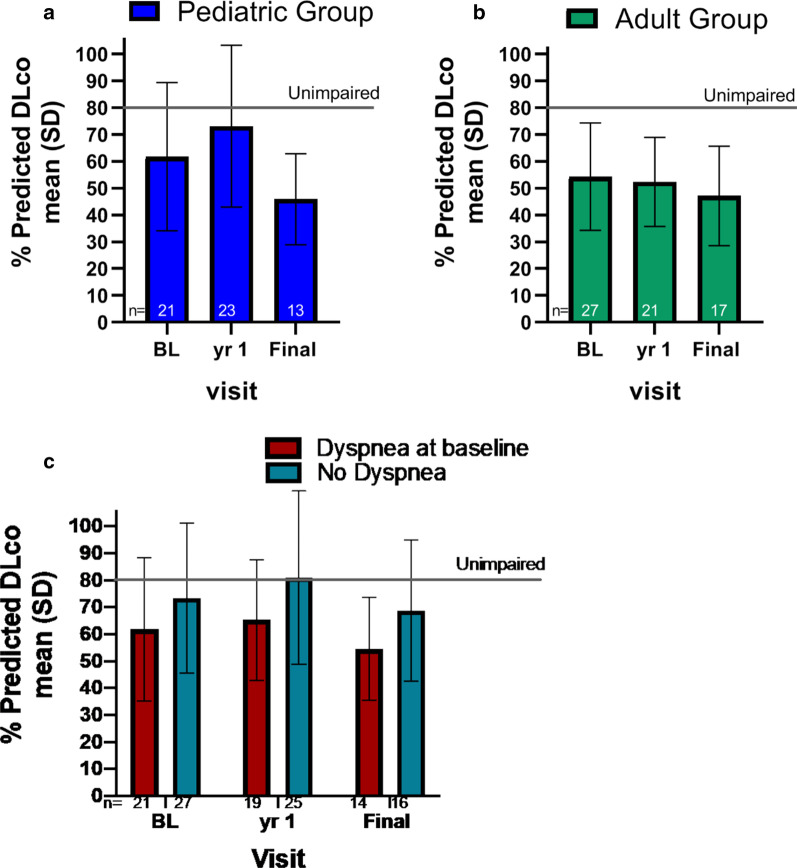
Fifty-nine patients (31 males/28 females) ranging in age from 7 to 64 years with chronic ASMD types A/B and B and at least two disease symptoms participated from 5 countries. Disease characteristics were assessed at baseline, after 1 year, and at the final visit (ranging from 4.5 to 11 years). Thirty patients (51%) were < 18 years at baseline (median age 12 years), and 29 were adults (median age 32 years). Overall, 32/59 patients completed the final visit, 9 died, 9 discontinued, and 9 were lost to follow up. Common clinical characteristics that tended to worsen gradually with time were splenomegaly, hepatomegaly, interstitial lung disease, lung diffusion capacity (DL), and dyslipidemia. Spleen volumes ranged from 4 to 29 multiples of normal at baseline, and splenomegaly was moderate or severe in 86%, 83%, and 90% of individuals at baseline, year 1, and final visits, respectively. The proportion of all individuals with interstitial lung disease was 66% (39/59) at baseline and 78% (25/32) at the final visit, while median % predicted DL decreased by > 10% from baseline to the final visit. Nine patients died (15%), eight of causes related to ASMD (most commonly pneumonia); of these eight patients, five (63%) had symptom onset at or before age 2. Overall, six of the nine deaths occurred before age 50 with three occurring before age 20. Individuals with either severe splenomegaly or prior splenectomy were ten times more likely to have died during the follow-up period than those with smaller or intact spleens (odds ratio 10.29, 95% CI 1.7, 62.7). Most children had growth deficits that persisted into adulthood.
This study provides important information about the natural history of chronic ASMD and provides a longitudinal view of the spectrum of disease manifestations and major morbidities in children and adults and supports the selection of clinically meaningful endpoints in therapeutic trials.
酸性鞘磷脂酶缺乏症(ASMD)(也称为尼曼-匹克病 A 型和 B 型)是一种罕见且使人虚弱的溶酶体贮积症。这项前瞻性、多中心、多国纵向研究旨在描述慢性 ASMD 患者的临床特征,并随着时间的推移评估其疾病负担在儿童和成人中的变化。
59 名患者(31 名男性/28 名女性)年龄 7 至 64 岁,患有慢性 ASMD 型 A/B 和 B 型,且至少有两种疾病症状,分别来自 5 个国家。在基线、第 1 年和最后一次就诊时(随访时间 4.5 至 11 年)评估疾病特征。30 名患者(51%)在基线时年龄<18 岁(中位年龄 12 岁),29 名患者为成年人(中位年龄 32 岁)。总体而言,32/59 名患者完成了最后一次就诊,9 名患者死亡,9 名患者停药,9 名患者失访。随着时间的推移逐渐加重的常见临床特征包括脾肿大、肝肿大、间质性肺病、肺弥散能力(DL)和血脂异常。基线时脾体积范围为正常的 4 至 29 倍,86%、83%和 90%的个体在基线、第 1 年和最后一次就诊时脾肿大为中度或重度。基线时患有间质性肺病的患者比例为 66%(39/59),最后一次就诊时为 78%(25/32),而中位%预测 DL 从基线下降>10%。9 名患者死亡(15%),其中 8 名与 ASMD 相关(最常见的病因是肺炎);这 8 名患者中,有 5 名(63%)在 2 岁或之前发病。总体而言,9 例死亡中有 6 例发生在 50 岁之前,其中 3 例发生在 20 岁之前。在随访期间,与脾脏较小或未切除的患者相比,患有严重脾肿大或曾接受脾切除术的患者死亡风险高 10 倍(比值比 10.29,95%CI 1.7,62.7)。大多数儿童存在生长缺陷,且这些缺陷持续到成年期。
这项研究提供了关于慢性 ASMD 自然史的重要信息,提供了儿童和成人疾病表现和主要合并症的纵向视图,并支持在治疗试验中选择有临床意义的终点。