Daneshpazhooh Maryam, Mahmoudi HamidReza
Department of Dermatology, Tehran University of Medical Sciences, Tehran, Iran; Autoimmune Bullous Diseases Research Center, Razi Hospital, Tehran University of Medical Sciences, Tehran, Iran.
Department of Dermatology, Tehran University of Medical Sciences, Tehran, Iran; Autoimmune Bullous Diseases Research Center, Razi Hospital, Tehran University of Medical Sciences, Tehran, Iran.
Clin Dermatol. 2021 Jan-Feb;39(1):23-32. doi: 10.1016/j.clindermatol.2020.12.009. Epub 2020 Dec 15.
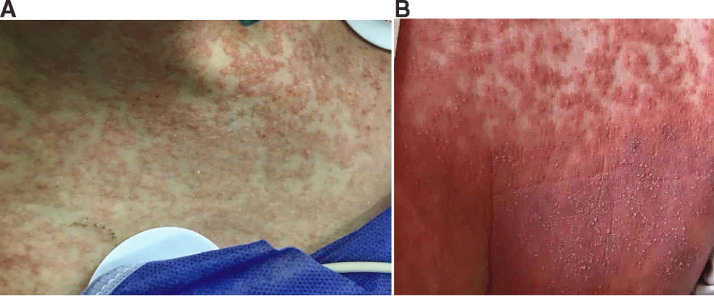
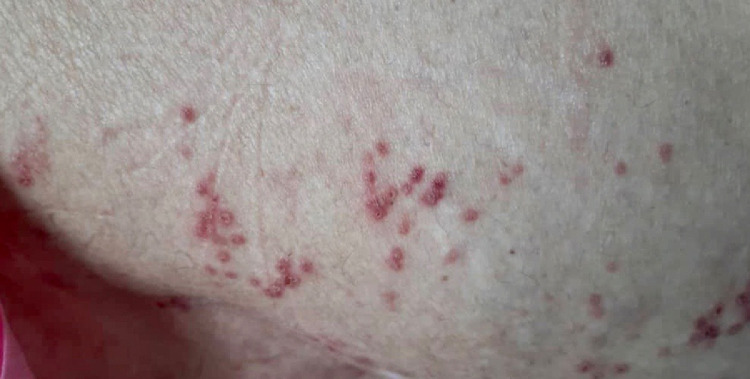
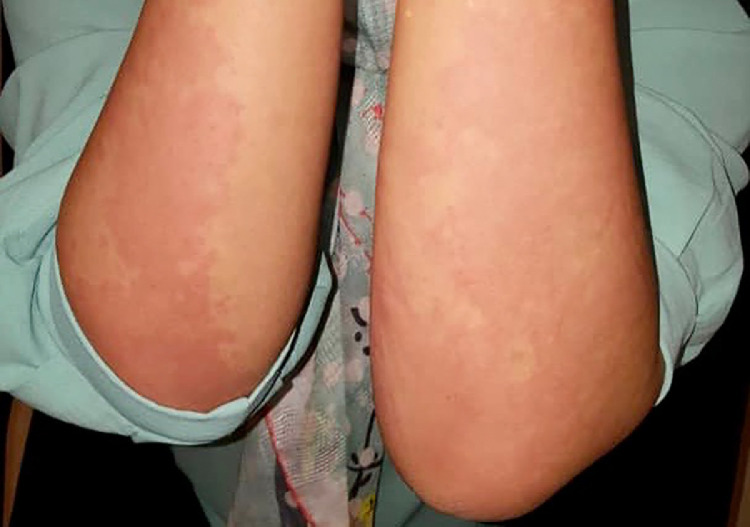
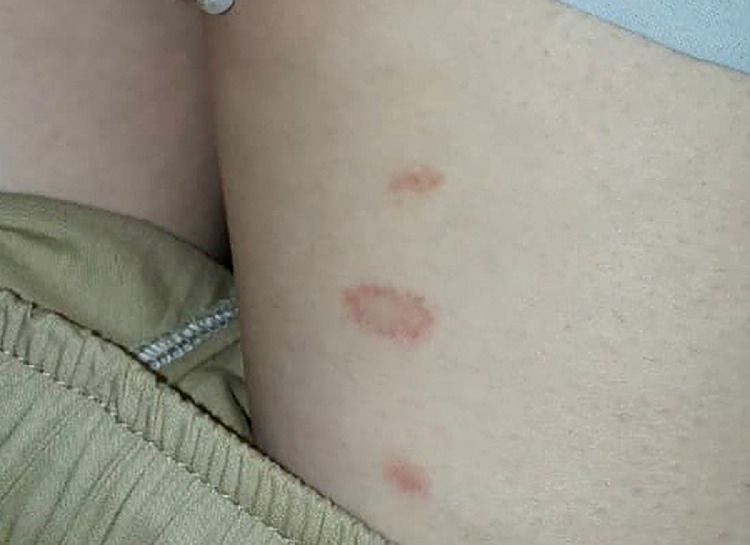
The first cases of coronavirus disease 2019 (COVID-19) in Iran were detected on February 19, 2020. Soon the entire country was hit with the virus. Although dermatologists were not immediately the frontline health care workers, all aspects of their practice were drastically affected. Adapting to this unprecedented crisis required urgent appropriate responses. With preventive measures and conserving health care resources being the most essential priorities, dermatologists, as an integral part of the health system, needed to adapt their practices according to the latest guidelines. The spectrum of the challenges encompassed education, teledermatology, lasers, and other dermatologic procedures, as well as management of patients who were immunosuppressed or developed drug reactions and, most importantly, the newly revealed cutaneous signs of COVID-19. These challenges have paved the way for new horizons in dermatology.
2020年2月19日,伊朗首次发现2019冠状病毒病(COVID-19)病例。很快,整个国家都受到了该病毒的侵袭。尽管皮肤科医生并非立即成为一线医护人员,但其诊疗工作的各个方面都受到了极大影响。适应这一前所未有的危机需要迅速做出适当应对。由于预防措施和节约医疗资源是最至关重要的优先事项,皮肤科医生作为卫生系统的一个组成部分,需要根据最新指南调整其诊疗工作。挑战的范围包括教育、远程皮肤病学、激光及其他皮肤科操作,以及免疫抑制患者或发生药物反应患者的管理,最重要的是,COVID-19新出现的皮肤症状。这些挑战为皮肤病学开辟了新的前景。