Lifshits Liubov M, Roque Iii John A, Konda Prathyusha, Monro Susan, Cole Houston D, von Dohlen David, Kim Susy, Deep Gagan, Thummel Randolph P, Cameron Colin G, Gujar Shashi, McFarland Sherri A
Department of Chemistry and Biochemistry, The University of Texas at Arlington Arlington Texas 76019-0065 USA
Department of Chemistry and Biochemistry, The University of North Carolina at Greensboro Greensboro North Carolina 27402 USA.
Chem Sci. 2020 Sep 9;11(43):11740-11762. doi: 10.1039/d0sc03875j. eCollection 2020 Nov 21.
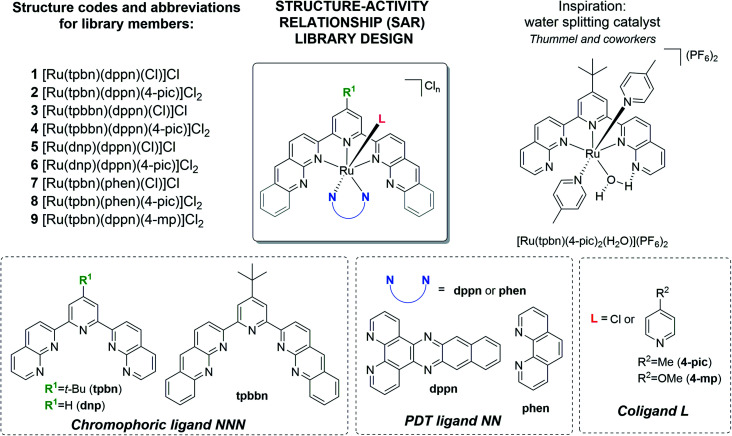
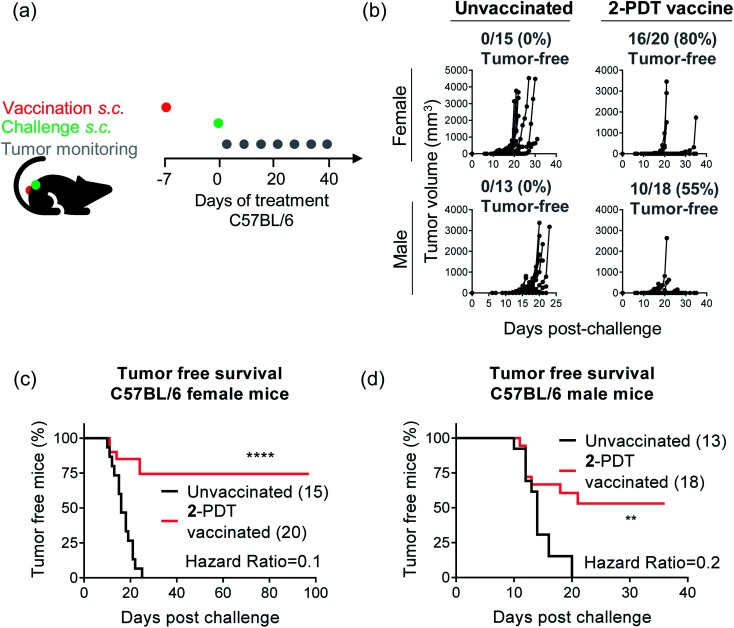
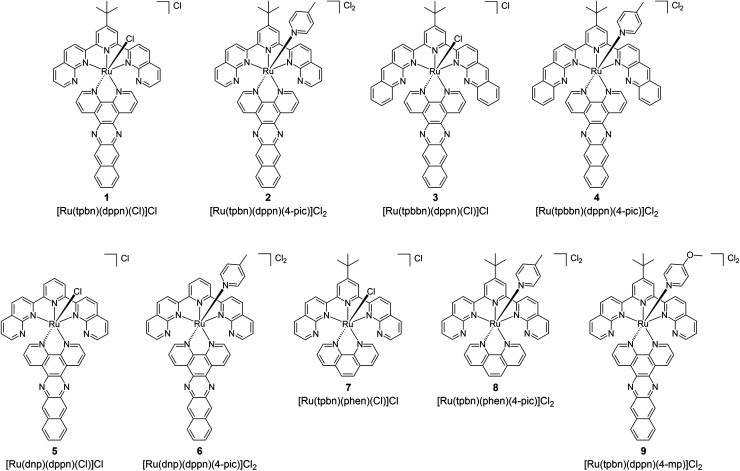
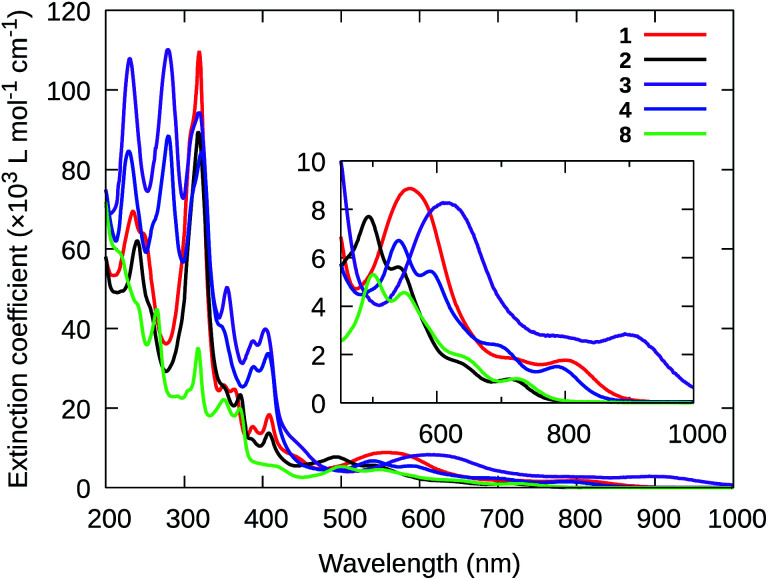
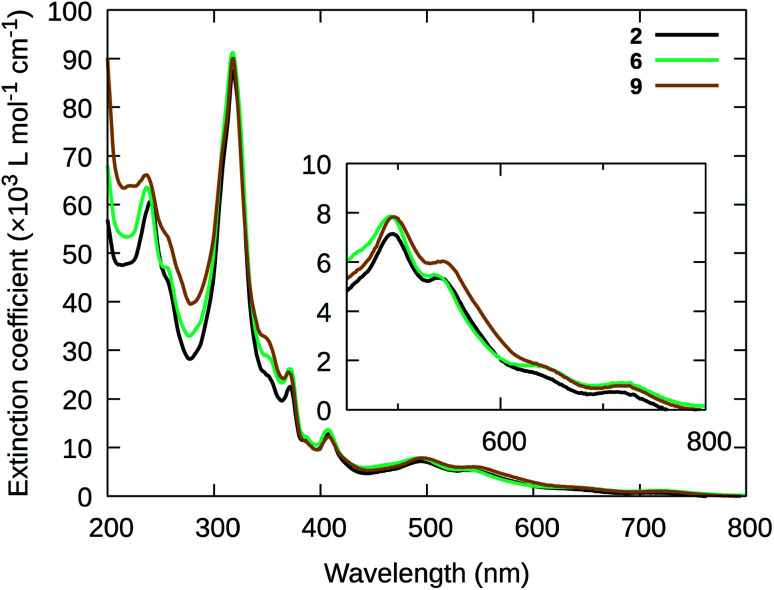
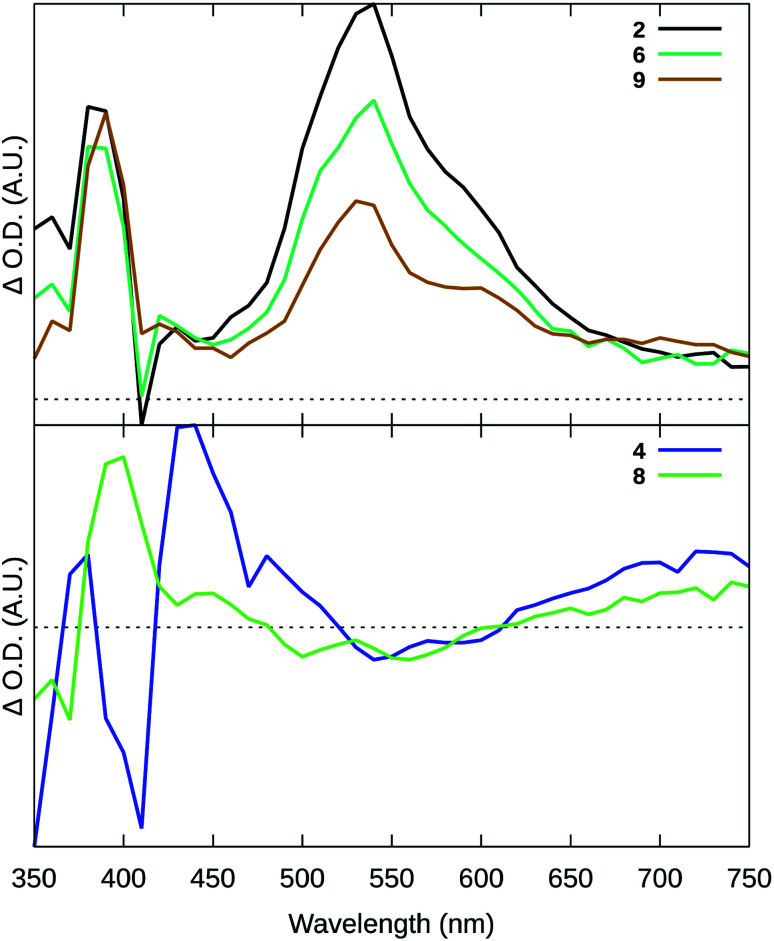
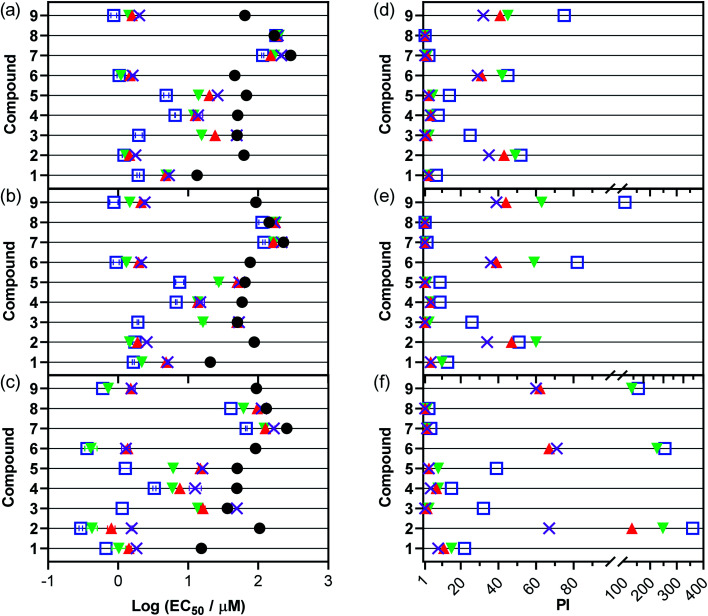
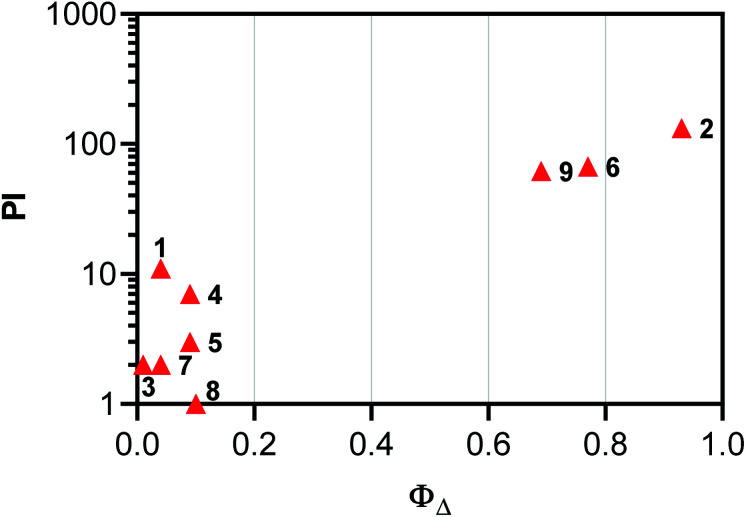
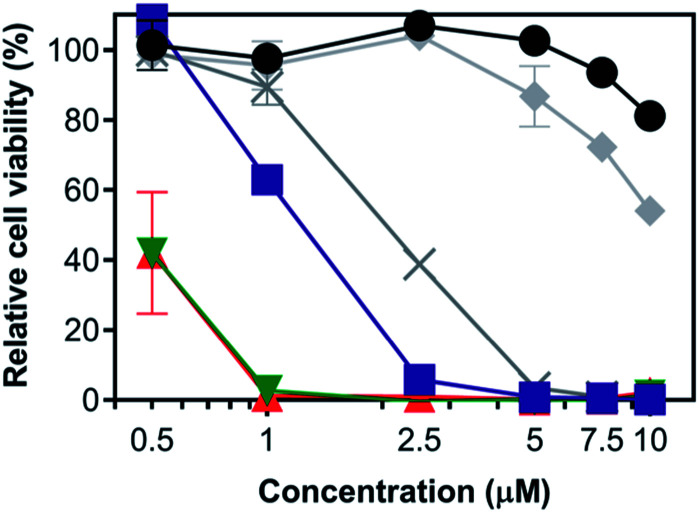
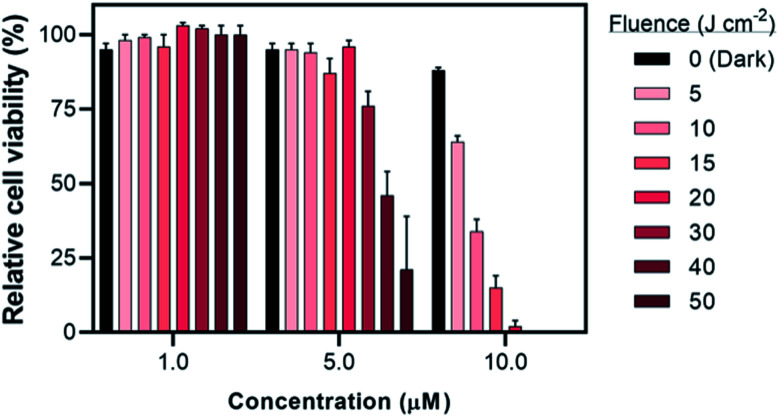
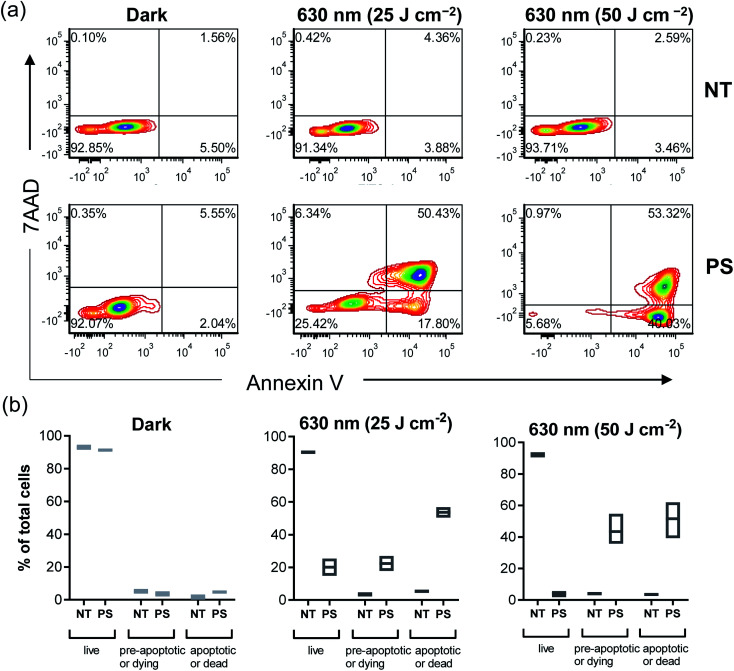
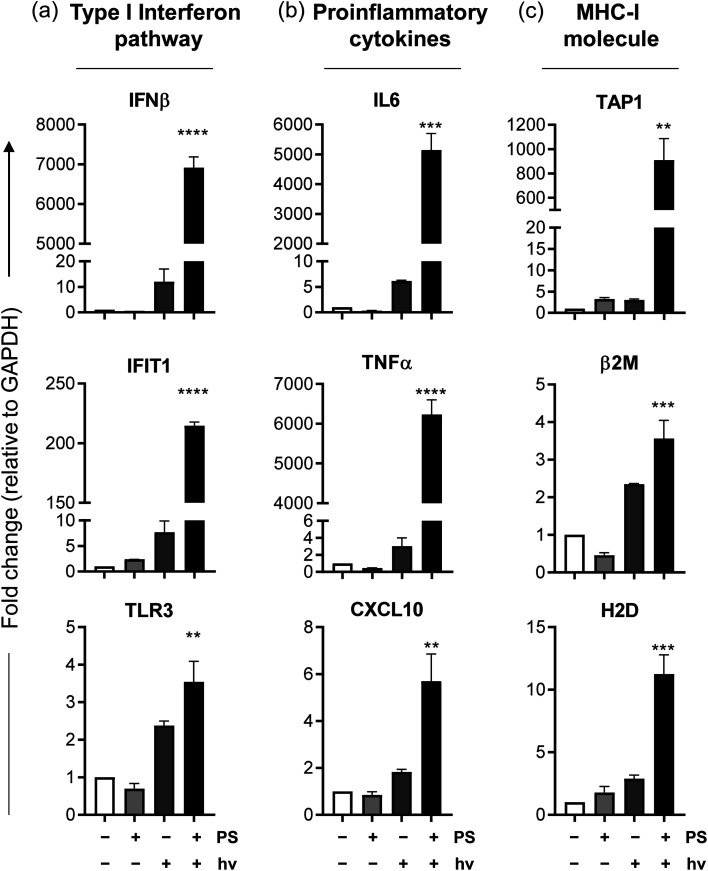
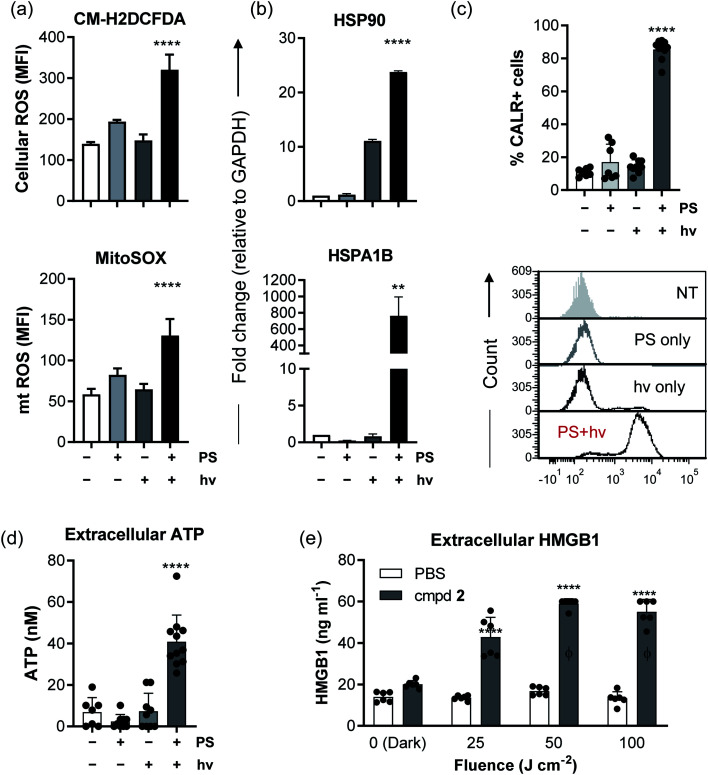
Mounting evidence over the past 20 years suggests that photodynamic therapy (PDT), an anticancer modality known mostly as a local treatment, has the capacity to invoke a systemic antitumor immune response, leading to protection against tumor recurrence. For aggressive cancers such as melanoma, where chemotherapy and radiotherapy are ineffective, immunomodulating PDT as an adjuvant to surgery is of interest. Towards the development of specialized photosensitizers (PSs) for treating pigmented melanomas, nine new near-infrared (NIR) absorbing PSs based on a Ru(ii) tris-heteroleptic scaffold [Ru(NNN)(NN)(L)]Cl , were explored. Compounds , , and exhibited high potency toward melanoma cells, with visible EC values as low as 0.292-0.602 μM and PIs as high as 156-360. Single-micromolar phototoxicity was obtained with NIR-light (733 nm) with PIs up to 71. The common feature of these lead NIR PSs was an accessible low-energy triplet intraligand (IL) excited state for high singlet oxygen (O) quantum yields (69-93%), which was only possible when the photosensitizing IL states were lower in energy than the lowest triplet metal-to-ligand charge transfer (MLCT) excited states that typically govern Ru(ii) polypyridyl photophysics. PDT treatment with elicited a pro-inflammatory response alongside immunogenic cell death in mouse B16F10 melanoma cells and proved safe for administration (maximum tolerated dose = 50 mg kg). Female and male mice vaccinated with B16F10 cells that were PDT-treated with and challenged with live B16F10 cells exhibited 80 and 55% protection from tumor growth, respectively, leading to significantly improved survival and excellent hazard ratios of ≤0.2.
过去20年里越来越多的证据表明,光动力疗法(PDT),一种主要作为局部治疗的抗癌方式,有能力引发全身性抗肿瘤免疫反应,从而预防肿瘤复发。对于化疗和放疗无效的侵袭性癌症,如黑色素瘤,免疫调节性光动力疗法作为手术辅助手段备受关注。为了开发用于治疗色素性黑色素瘤的专用光敏剂(PSs),研究了九种基于钌(II)三异质配体支架[Ru(NNN)(NN)(L)]Cl的新型近红外(NIR)吸收PSs。化合物、和对黑色素瘤细胞表现出高效能,可见的EC值低至0.292 - 0.602 μM,PI高达156 - 360。用近红外光(733 nm)获得了单微摩尔光毒性,PI高达71。这些主要的近红外PSs的共同特征是具有可及的低能量三线态配体内(IL)激发态,以实现高单线态氧(O)量子产率(69 - 93%),这只有当光敏IL态的能量低于通常支配钌(II)多吡啶光物理的最低三线态金属到配体电荷转移(MLCT)激发态时才有可能。用进行光动力疗法治疗在小鼠B16F10黑色素瘤细胞中引发了促炎反应以及免疫原性细胞死亡,并证明给药安全(最大耐受剂量 = 50 mg/kg)。用进行光动力疗法治疗并用活的B16F10细胞攻击的接种了B16F10细胞的雌性和雄性小鼠分别表现出80%和55%的肿瘤生长保护率,从而显著提高了生存率,且危险比极佳,≤0.2。