W. Harry Feinstone Department of Molecular Microbiology and Immunology, Johns Hopkins Bloomberg School of Public Health, Baltimore, Maryland, United States of America.
Department of Otolaryngology, Head and Neck Surgery, Johns Hopkins Medicine, Baltimore, Maryland, United States of America.
PLoS Biol. 2021 May 12;19(5):e3001182. doi: 10.1371/journal.pbio.3001182. eCollection 2021 May.
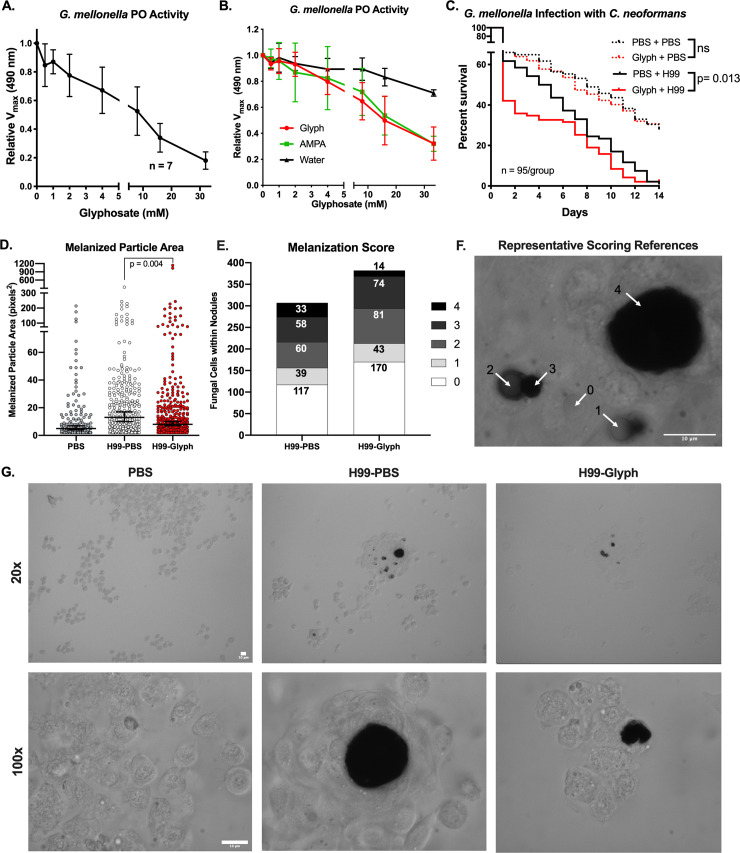
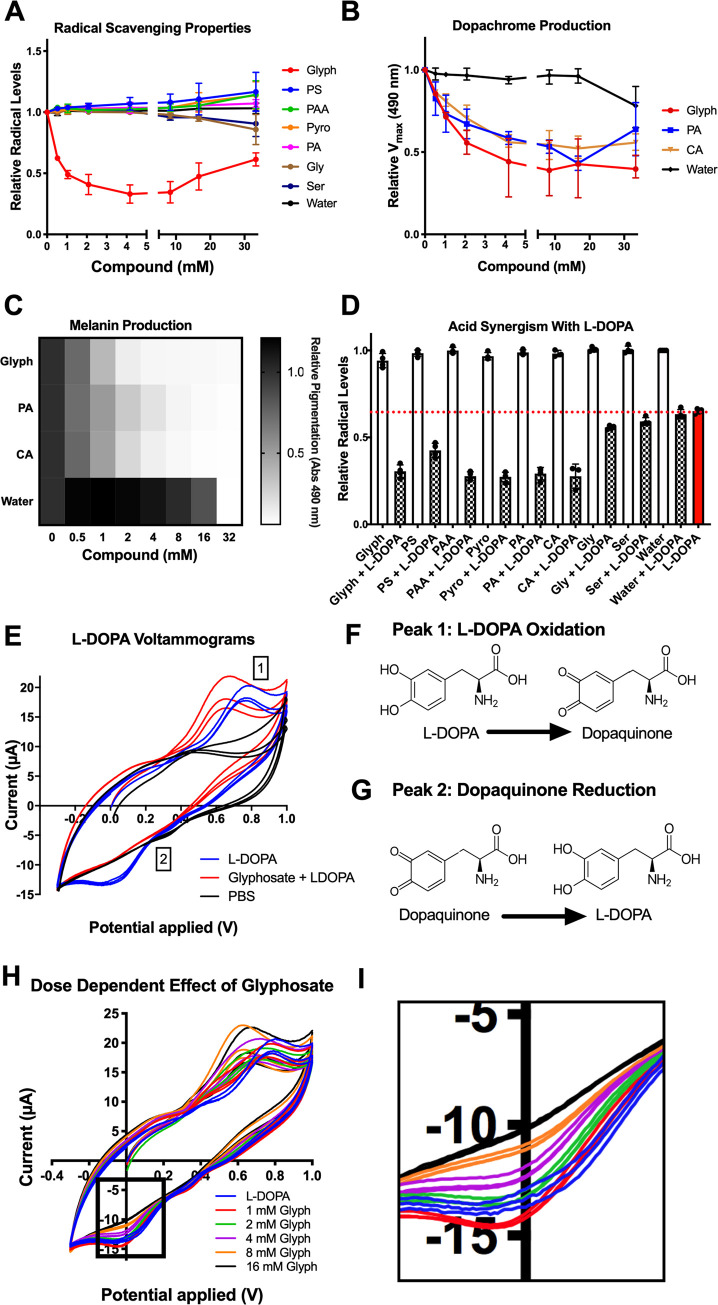
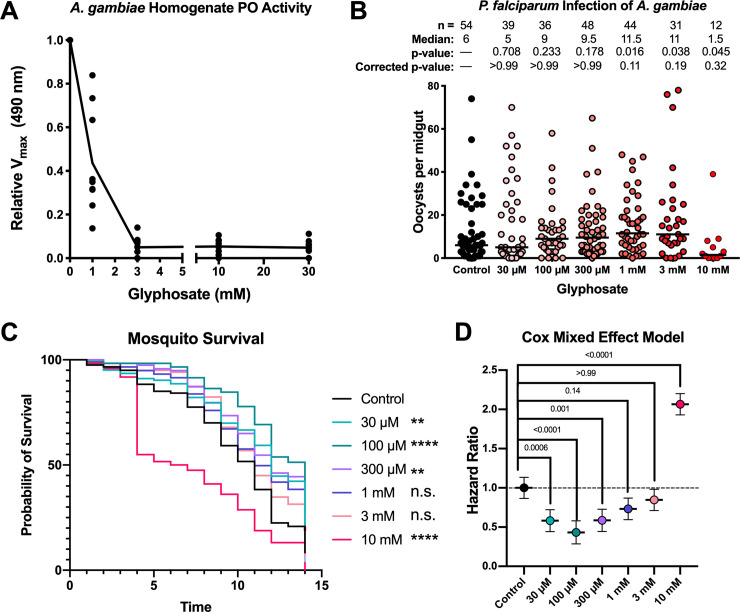
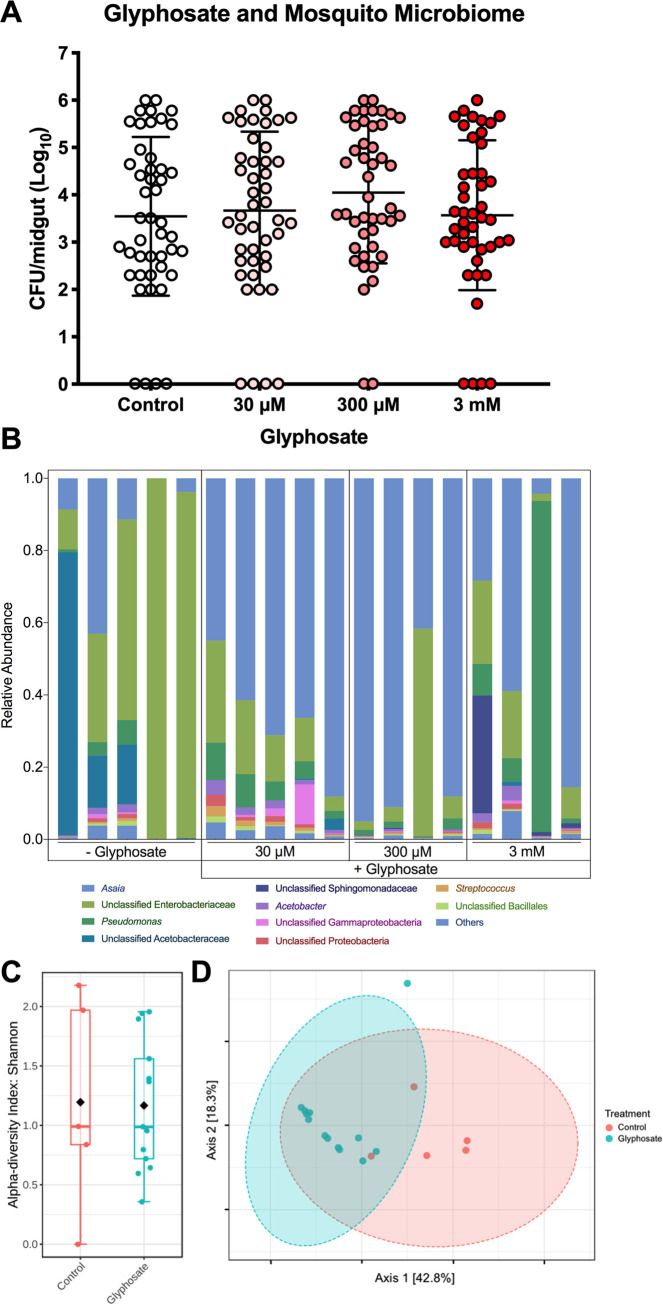
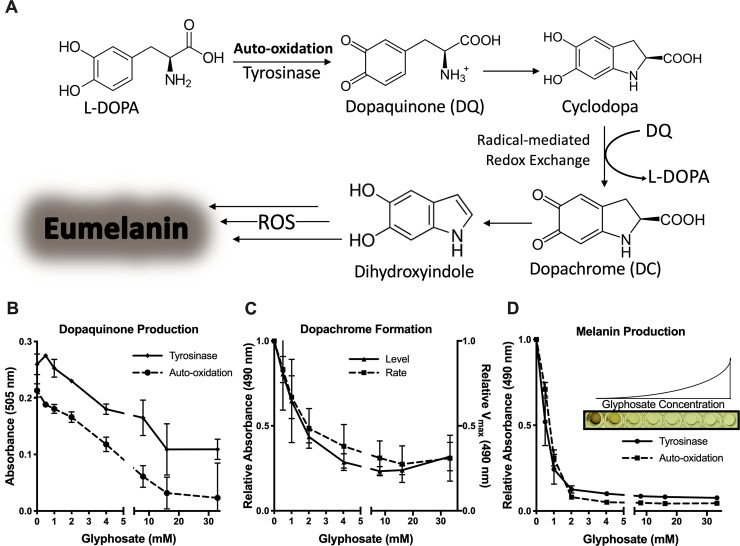
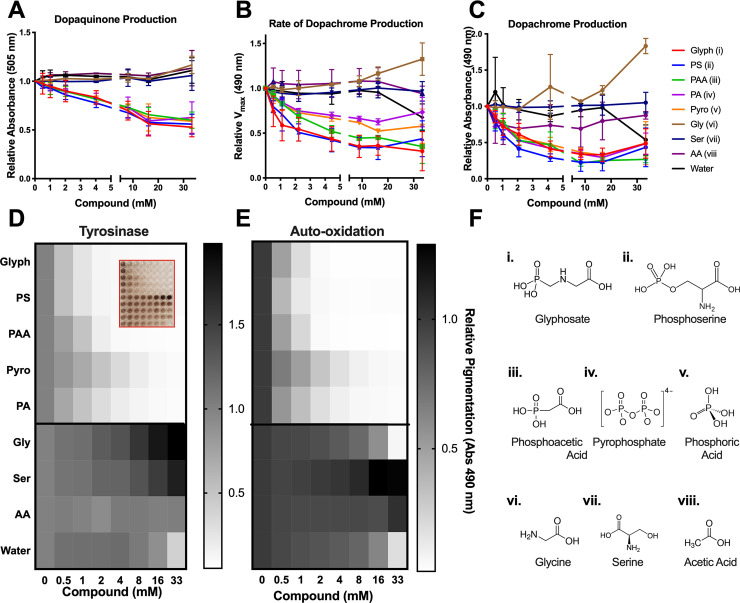
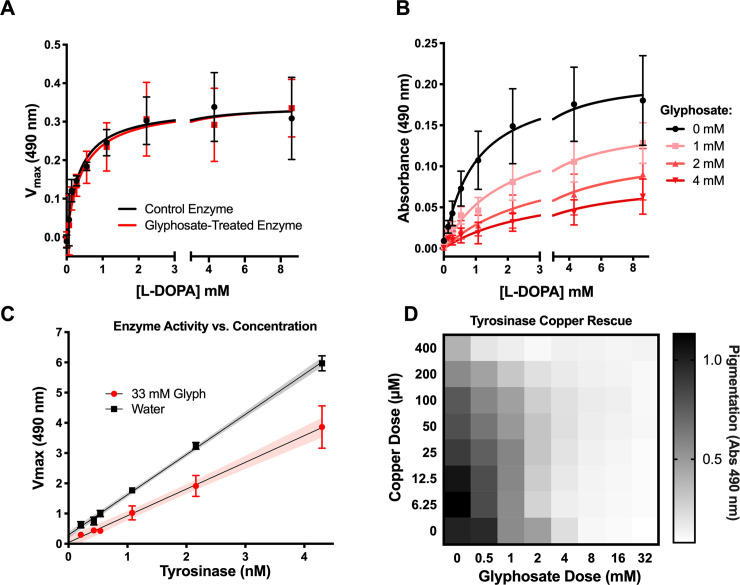
Melanin, a black-brown pigment found throughout all kingdoms of life, has diverse biological functions including UV protection, thermoregulation, oxidant scavenging, arthropod immunity, and microbial virulence. Given melanin's broad roles in the biosphere, particularly in insect immune defenses, it is important to understand how exposure to ubiquitous environmental contaminants affects melanization. Glyphosate-the most widely used herbicide globally-inhibits melanin production, which could have wide-ranging implications in the health of many organisms, including insects. Here, we demonstrate that glyphosate has deleterious effects on insect health in 2 evolutionary distant species, Galleria mellonella (Lepidoptera: Pyralidae) and Anopheles gambiae (Diptera: Culicidae), suggesting a broad effect in insects. Glyphosate reduced survival of G. mellonella caterpillars following infection with the fungus Cryptococcus neoformans and decreased the size of melanized nodules formed in hemolymph, which normally help eliminate infection. Glyphosate also increased the burden of the malaria-causing parasite Plasmodium falciparum in A. gambiae mosquitoes, altered uninfected mosquito survival, and perturbed the microbial composition of adult mosquito midguts. Our results show that glyphosate's mechanism of melanin inhibition involves antioxidant synergy and disruption of the reaction oxidation-reduction balance. Overall, these findings suggest that glyphosate's environmental accumulation could render insects more susceptible to microbial pathogens due to melanin inhibition, immune impairment, and perturbations in microbiota composition, potentially contributing to declines in insect populations.
黑色素是一种存在于所有生命领域的黑褐色色素,具有多种生物学功能,包括紫外线保护、体温调节、抗氧化剂清除、节肢动物免疫和微生物毒力。鉴于黑色素在生物圈中广泛的作用,特别是在昆虫免疫防御中,了解暴露于普遍存在的环境污染物如何影响黑色素形成非常重要。草甘膦是全球使用最广泛的除草剂,它抑制黑色素的产生,这可能对包括昆虫在内的许多生物体的健康产生广泛影响。在这里,我们证明草甘膦对 2 种进化上不同的昆虫物种——家蚕(鳞翅目:夜蛾科)和冈比亚按蚊(双翅目:疟蚊科)——的健康具有有害影响,表明其对昆虫具有广泛的影响。草甘膦降低了感染新型隐球菌的家蚕幼虫的存活率,并减少了血液中形成的黑色素结节的大小,这些结节通常有助于消除感染。草甘膦还增加了疟原虫引起的疟疾寄生虫恶性疟原虫在冈比亚按蚊中的负担,改变了未感染的蚊子的存活率,并扰乱了成年蚊子中肠的微生物组成。我们的结果表明,草甘膦抑制黑色素的机制涉及抗氧化协同作用和氧化还原平衡的破坏。总的来说,这些发现表明,由于黑色素抑制、免疫损伤和微生物群落组成的改变,草甘膦在环境中的积累可能会使昆虫更容易受到微生物病原体的侵害,从而导致昆虫种群数量的减少。