• 文献检索
  • 文档翻译
  • 深度研究
  • 学术资讯
  • Suppr Zotero 插件Zotero 插件
  • 邀请有礼
  • 套餐&价格
  • 历史记录
应用&插件
Suppr Zotero 插件Zotero 插件浏览器插件Mac 客户端Windows 客户端微信小程序
定价
高级版会员购买积分包购买API积分包
服务
文献检索文档翻译深度研究API 文档MCP 服务
关于我们
关于 Suppr公司介绍联系我们用户协议隐私条款
关注我们

Suppr 超能文献

核心技术专利:CN118964589B侵权必究
粤ICP备2023148730 号-1Suppr @ 2026

文献检索

告别复杂PubMed语法,用中文像聊天一样搜索,搜遍4000万医学文献。AI智能推荐,让科研检索更轻松。

立即免费搜索

文件翻译

保留排版,准确专业,支持PDF/Word/PPT等文件格式,支持 12+语言互译。

免费翻译文档

深度研究

AI帮你快速写综述,25分钟生成高质量综述,智能提取关键信息,辅助科研写作。

立即免费体验

一项测量环形及近环形封闭切口负压伤口治疗敷料效果的体外研究。

An In Vitro Study Measuring the Effects of Circumferential and Near-Circumferential Closed Incisional Negative Pressure Wound Therapy Dressings.

作者信息

Livingstone John P, Singh Dylan, Murray Patrick C

机构信息

Orthopedic Surgery, Queen's Medical Center, Honolulu, USA.

John A. Burns School of Medicine, University of Hawaii, Honolulu, USA.

出版信息

Cureus. 2021 Apr 9;13(4):e14389. doi: 10.7759/cureus.14389.

DOI:10.7759/cureus.14389
PMID:33981509
原文链接:https://pmc.ncbi.nlm.nih.gov/articles/PMC8106949/
Abstract

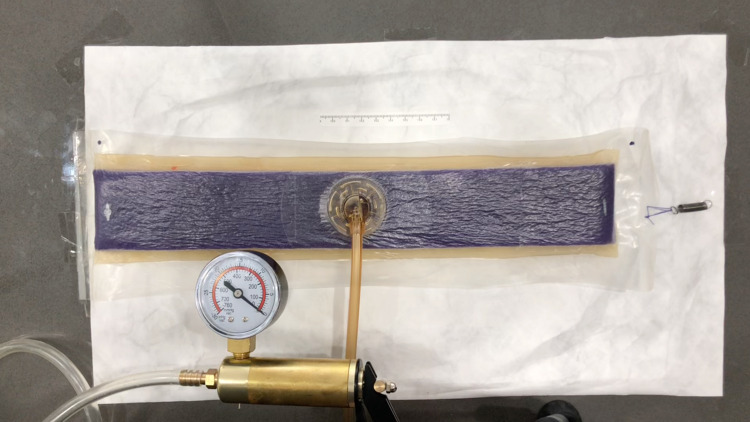
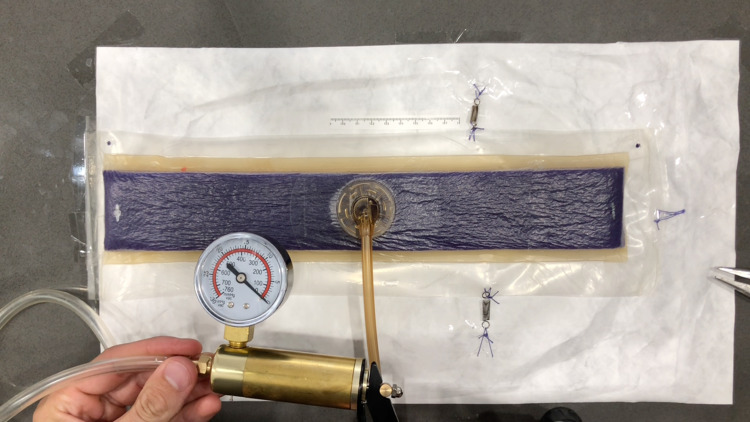
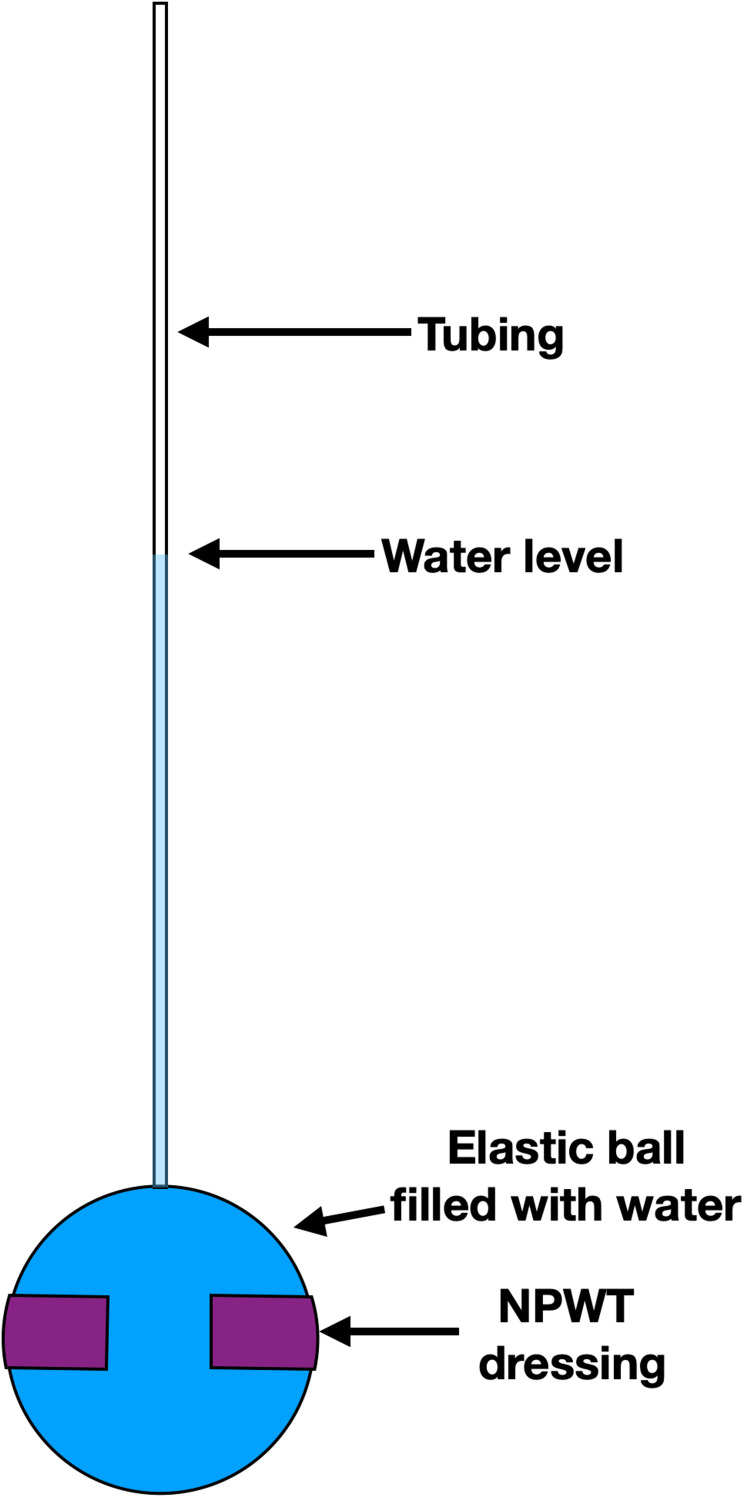
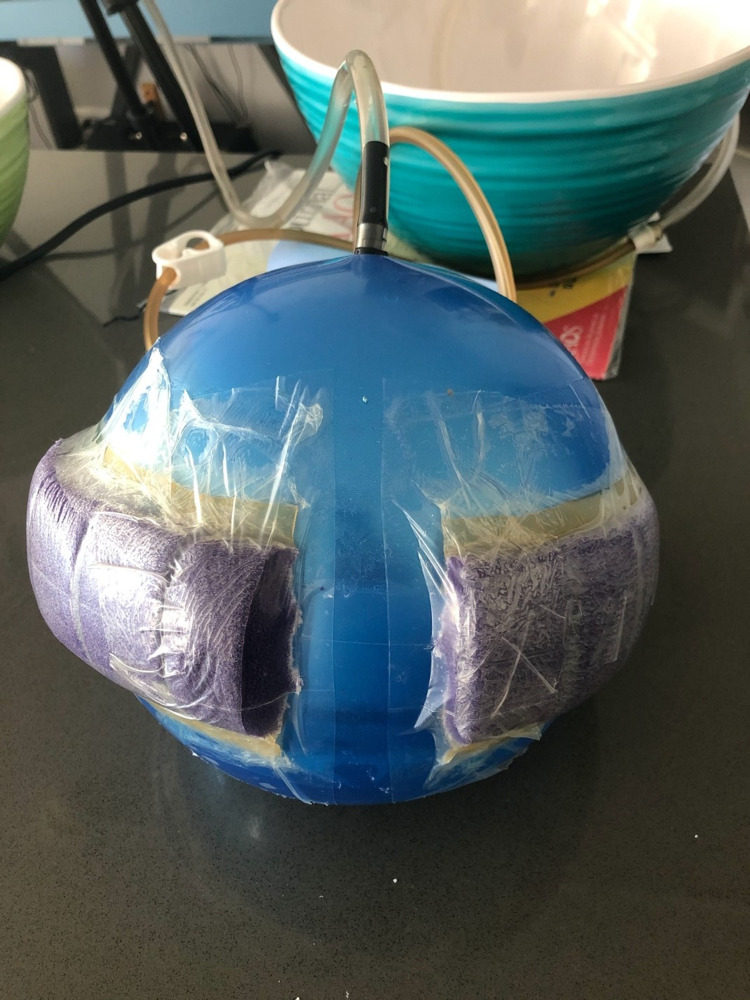
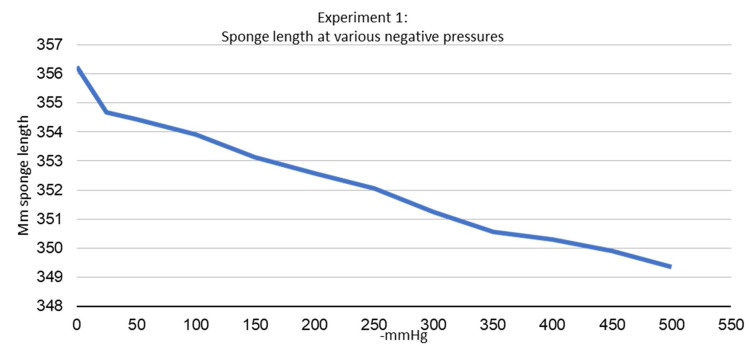
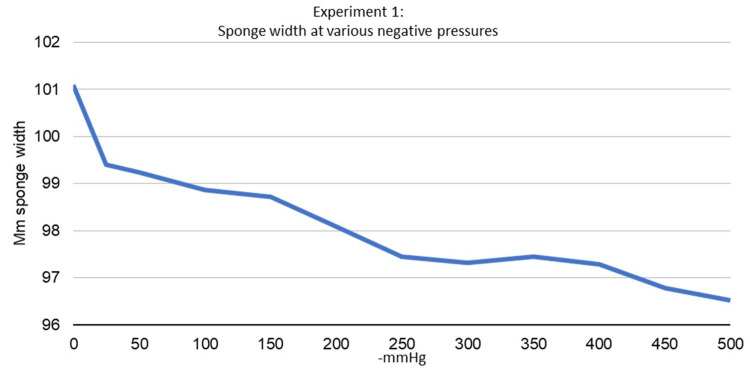
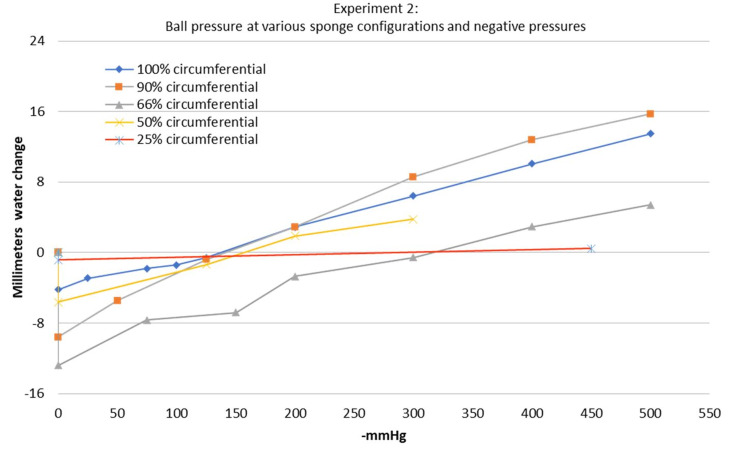
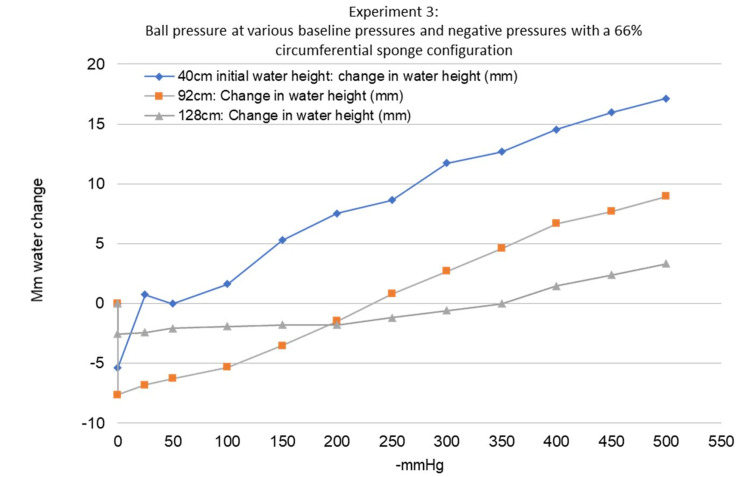
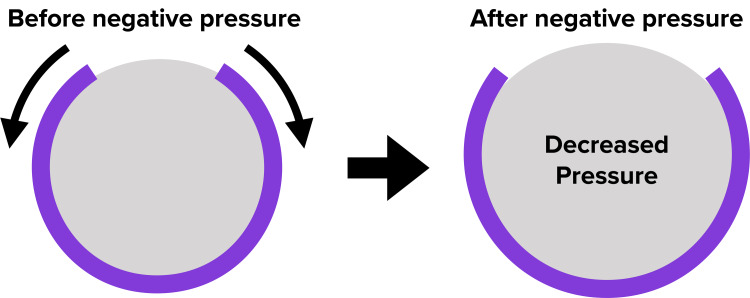
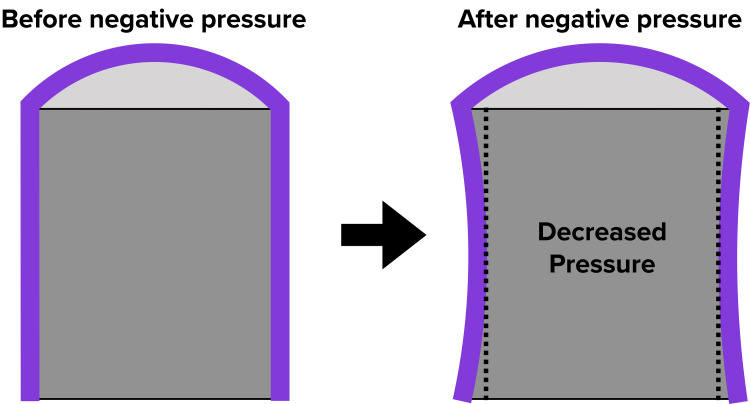
Background Negative pressure wound therapy (NPWT) and closed incisional negative pressure wound therapy (ciNPWT) have been shown to promote the healing of acute and chronic wounds. Despite the growth in their usage, the mechanism by which they promote healing is not fully understood. Several studies have shown that NPWT results in a combination of microdeformation and macrodeformation, which may promote wound recovery. The macrodeformation forces have raised concerns about circumferential NPWT compressing the extremity and decreasing perfusion distal to the NPWT. The literature on circumferential NPWT is mixed, with some studies showing increased perfusion, while others have shown decreased perfusion. We hypothesized that a near-circumferential ciNPWT dressing applied over intact skin would provide a "lift-off" force rather than a compressive force. We also theorized that as the sponge contracts under negative pressure while in a near-circumferential setting, the dressing will pull on the surrounding skin and tissue, leading to a decrease in the pressure of the extremity. This could potentially translate to improved venous and lymphatic return, increasing perfusion to the tissue beneath the sponge as well as distal to the sponge. Methods This study consisted of three separate experiments. The first experiment measured the width and length of a ciNPWT dressing at various negative pressures. The second experiment utilized an in vitro model consisting of an elastic ball and tubing to examine the effects that circumferential and near-circumferential ciNPWT dressings may have on extremity pressure. Varying lengths of ciNPWT dressings were applied to the ball, ranging from 25% circumferential to 100% circumferential. The pressure within the ball was monitored as varying lengths of circumferential dressings were applied at various negative pressures. The third experiment utilized the same model as the second experiment but with a 66% circumferential dressing and various baseline ball pressures to see how extremity pressure may impact the ability of the ciNPWT dressing to alter extremity pressure. Results The first experiment demonstrated that a ciNPWT dressing decreased in length and width in a linear fashion as negative pressure was applied. The second experiment revealed that both fully circumferential and near-circumferential dressings resulted in a decrease in the pressure of the elastic ball at lower levels of suction. The greatest decrease in ball pressure was noted with the 66% near-circumferential dressing. With greater suction, however, the pressure within the ball was noted to increase above baseline. The third experiment illustrated that as the baseline pressure of a ball was increased, the dressing had less of an ability to change the pressure of the ball. Conclusions These results suggest that near-circumferential and circumferential ciNPWT systems may decrease the pressure of an extremity at certain negative pressures and that compression may be less likely to occur when used on a higher-pressure extremity.
https://cdn.ncbi.nlm.nih.gov/pmc/blobs/5b68/8106949/8f3a9fc35462/cureus-0013-00000014389-i10.jpg
https://cdn.ncbi.nlm.nih.gov/pmc/blobs/5b68/8106949/2503f519ccee/cureus-0013-00000014389-i01.jpg
https://cdn.ncbi.nlm.nih.gov/pmc/blobs/5b68/8106949/aef3a447342b/cureus-0013-00000014389-i02.jpg
https://cdn.ncbi.nlm.nih.gov/pmc/blobs/5b68/8106949/7d5b69ce78e9/cureus-0013-00000014389-i03.jpg
https://cdn.ncbi.nlm.nih.gov/pmc/blobs/5b68/8106949/d8514401c35c/cureus-0013-00000014389-i04.jpg
https://cdn.ncbi.nlm.nih.gov/pmc/blobs/5b68/8106949/fbf8882ffc8d/cureus-0013-00000014389-i05.jpg
https://cdn.ncbi.nlm.nih.gov/pmc/blobs/5b68/8106949/02aed0e0d222/cureus-0013-00000014389-i06.jpg
https://cdn.ncbi.nlm.nih.gov/pmc/blobs/5b68/8106949/6e3effb26e85/cureus-0013-00000014389-i07.jpg
https://cdn.ncbi.nlm.nih.gov/pmc/blobs/5b68/8106949/7fb1d8bebc28/cureus-0013-00000014389-i08.jpg
https://cdn.ncbi.nlm.nih.gov/pmc/blobs/5b68/8106949/6cbf89b1cbeb/cureus-0013-00000014389-i09.jpg
https://cdn.ncbi.nlm.nih.gov/pmc/blobs/5b68/8106949/8f3a9fc35462/cureus-0013-00000014389-i10.jpg
https://cdn.ncbi.nlm.nih.gov/pmc/blobs/5b68/8106949/2503f519ccee/cureus-0013-00000014389-i01.jpg
https://cdn.ncbi.nlm.nih.gov/pmc/blobs/5b68/8106949/aef3a447342b/cureus-0013-00000014389-i02.jpg
https://cdn.ncbi.nlm.nih.gov/pmc/blobs/5b68/8106949/7d5b69ce78e9/cureus-0013-00000014389-i03.jpg
https://cdn.ncbi.nlm.nih.gov/pmc/blobs/5b68/8106949/d8514401c35c/cureus-0013-00000014389-i04.jpg
https://cdn.ncbi.nlm.nih.gov/pmc/blobs/5b68/8106949/fbf8882ffc8d/cureus-0013-00000014389-i05.jpg
https://cdn.ncbi.nlm.nih.gov/pmc/blobs/5b68/8106949/02aed0e0d222/cureus-0013-00000014389-i06.jpg
https://cdn.ncbi.nlm.nih.gov/pmc/blobs/5b68/8106949/6e3effb26e85/cureus-0013-00000014389-i07.jpg
https://cdn.ncbi.nlm.nih.gov/pmc/blobs/5b68/8106949/7fb1d8bebc28/cureus-0013-00000014389-i08.jpg
https://cdn.ncbi.nlm.nih.gov/pmc/blobs/5b68/8106949/6cbf89b1cbeb/cureus-0013-00000014389-i09.jpg
https://cdn.ncbi.nlm.nih.gov/pmc/blobs/5b68/8106949/8f3a9fc35462/cureus-0013-00000014389-i10.jpg
摘要

背景 负压伤口治疗(NPWT)和封闭式切口负压伤口治疗(ciNPWT)已被证明可促进急慢性伤口的愈合。尽管其使用量不断增加,但其促进愈合的机制尚未完全明确。多项研究表明,NPWT会导致微观变形和宏观变形,这可能促进伤口恢复。宏观变形力引发了人们对环形NPWT压迫肢体并减少NPWT远端灌注的担忧。关于环形NPWT的文献结论不一,一些研究显示灌注增加,而另一些研究则显示灌注减少。我们推测,在完整皮肤上应用近环形ciNPWT敷料会产生“提起”力而非压缩力。我们还推测,当海绵在负压下处于近环形状态时收缩,敷料会拉动周围的皮肤和组织,导致肢体压力降低。这可能会改善静脉和淋巴回流,增加海绵下方以及海绵远端组织的灌注。方法 本研究包括三个独立实验。第一个实验测量了ciNPWT敷料在不同负压下的宽度和长度。第二个实验使用了一个由弹性球和管道组成的体外模型,以研究环形和近环形ciNPWT敷料对肢体压力的影响。将不同长度的ciNPWT敷料应用于球上,范围从圆周的25%到100%。在不同负压下应用不同长度的环形敷料时,监测球内压力。第三个实验使用了与第二个实验相同的模型,但使用了66%圆周的敷料和各种基线球压力,以观察肢体压力如何影响ciNPWT敷料改变肢体压力的能力。结果 第一个实验表明,随着负压的施加,ciNPWT敷料的长度和宽度呈线性减小。第二个实验表明,在较低吸力水平下,全圆周和近圆周敷料均导致弹性球压力降低。66%近圆周敷料使球压力下降最大。然而,随着吸力增加,球内压力高于基线水平。第三个实验表明,随着球的基线压力增加,敷料改变球压力的能力减弱。结论 这些结果表明,近圆周和圆周ciNPWT系统在特定负压下可能会降低肢体压力,并且在较高压力的肢体上使用时,发生压迫的可能性较小。

相似文献

1
An In Vitro Study Measuring the Effects of Circumferential and Near-Circumferential Closed Incisional Negative Pressure Wound Therapy Dressings.一项测量环形及近环形封闭切口负压伤口治疗敷料效果的体外研究。
Cureus. 2021 Apr 9;13(4):e14389. doi: 10.7759/cureus.14389.
2
Measuring In-Vivo Foot Perfusion Distal to a Near-Circumferential Negative Pressure Wound Therapy Dressing via Thermal Imaging.通过热成像测量近环周负压伤口治疗敷料远端的体内足部灌注情况。
Cureus. 2021 Sep 4;13(9):e17720. doi: 10.7759/cureus.17720. eCollection 2021 Sep.
3
Closed Incisional Negative Pressure Wound Therapy Sponge Width and Tension Off-Loading: A Laboratory Model.闭合切口负压伤口治疗海绵宽度与张力卸载:一种实验室模型
Ann Plast Surg. 2020 Sep;85(3):295-298. doi: 10.1097/SAP.0000000000002217.
4
Closed Incisional Negative Pressure Wound Therapy (ciNPWT) in Oncological Orthopedic Surgery: Preliminary Report.闭合性切口负压伤口治疗(ciNPWT)在肿瘤骨科手术中的应用:初步报告。
Surg Technol Int. 2021 May 20;38:451-454. doi: 10.52198/21.STI.38.OS1429.
5
Comparison of Surgical Site Complications With Negative Pressure Wound Therapy vs Silver Impregnated Dressing in High-Risk Total Knee Arthroplasty Patients: A Matched Cohort Study.高危全膝关节置换术患者中负压伤口治疗与含银敷料比较的手术部位并发症:一项匹配队列研究。
J Arthroplasty. 2021 Oct;36(10):3437-3442. doi: 10.1016/j.arth.2021.05.030. Epub 2021 May 24.
6
The paradox of negative pressure wound therapy--in vitro studies.负压伤口疗法的悖论——体外研究。
J Plast Reconstr Aesthet Surg. 2010 Jan;63(1):174-9. doi: 10.1016/j.bjps.2008.08.037. Epub 2008 Nov 25.
7
Use of Closed Incisional Negative Pressure Wound Therapy After Revision Total Hip and Knee Arthroplasty in Patients at High Risk for Infection: A Prospective, Randomized Clinical Trial.使用封闭式切口负压伤口治疗在高感染风险的翻修全髋关节和膝关节置换术后患者中的应用:一项前瞻性、随机临床试验。
J Arthroplasty. 2019 Mar;34(3):554-559.e1. doi: 10.1016/j.arth.2018.11.017. Epub 2018 Nov 17.
8
Comparison of the Efficacy Between Closed Incisional Negative-Pressure Wound Therapy and Conventional Wound Management After Total Hip and Knee Arthroplasties: A Systematic Review and Meta-Analysis.关节置换术后闭合性切口负压伤口治疗与常规伤口管理疗效比较的系统评价和荟萃分析。
J Arthroplasty. 2019 Nov;34(11):2804-2814. doi: 10.1016/j.arth.2019.06.020. Epub 2019 Jun 19.
9
Use of Negative Pressure Wound Therapy on Closed Surgical Incision After Total Ankle Arthroplasty.负压伤口治疗在全踝关节置换术后闭合手术切口中的应用。
Foot Ankle Int. 2015 Jul;36(7):787-94. doi: 10.1177/1071100715574934. Epub 2015 Mar 3.
10
Incisional Negative Pressure Wound Therapy Augments Perfusion and Improves Wound Healing in a Swine Model Pilot Study.切口负压伤口治疗增强灌注并改善猪模型试点研究中的伤口愈合
Ann Plast Surg. 2019 Apr;82(4S Suppl 3):S222-S227. doi: 10.1097/SAP.0000000000001842.

引用本文的文献

1
Negative-Pressure Wound Therapy: What We Know and What We Need to Know.负压伤口疗法:我们已知和需要了解的内容。
Adv Exp Med Biol. 2023;1436:131-152. doi: 10.1007/5584_2023_773.
2
Measuring In-Vivo Foot Perfusion Distal to a Near-Circumferential Negative Pressure Wound Therapy Dressing via Thermal Imaging.通过热成像测量近环周负压伤口治疗敷料远端的体内足部灌注情况。
Cureus. 2021 Sep 4;13(9):e17720. doi: 10.7759/cureus.17720. eCollection 2021 Sep.

本文引用的文献

1
Circumferential Negative Intermittent Pressure to the Midarm Does Not Impair Digital O2 Saturation: A Randomized Controlled Study.上臂环形负压对指端氧饱和度无损害:一项随机对照研究。
Ann Plast Surg. 2020 Feb;84(2):e7-e9. doi: 10.1097/SAP.0000000000001966.
2
Incisional Negative Pressure Wound Therapy Augments Perfusion and Improves Wound Healing in a Swine Model Pilot Study.切口负压伤口治疗增强灌注并改善猪模型试点研究中的伤口愈合
Ann Plast Surg. 2019 Apr;82(4S Suppl 3):S222-S227. doi: 10.1097/SAP.0000000000001842.
3
Changes of perfusion patterns of surgical wounds under application of closed incision negative pressure wound therapy in postbariatric patients1.
1. 应用封闭切口负压伤口疗法治疗肥胖症患者术后手术切口灌流模式的变化。
Clin Hemorheol Microcirc. 2019;72(2):139-150. doi: 10.3233/CH-180450.
4
The Use of Closed Incision Negative-Pressure Wound Therapy in Orthopaedic Surgery.闭合性切口负压伤口治疗在骨科手术中的应用。
J Am Acad Orthop Surg. 2018 May 1;26(9):295-302. doi: 10.5435/JAAOS-D-17-00054.
5
Deconstructing negative pressure wound therapy.解析负压伤口治疗法。
Int Wound J. 2017 Aug;14(4):649-657. doi: 10.1111/iwj.12658. Epub 2016 Sep 29.
6
3D stereophotogrammetry in upper-extremity lymphedema: An accurate diagnostic method.上肢淋巴水肿的三维立体摄影测量法:一种准确的诊断方法。
J Plast Reconstr Aesthet Surg. 2016 Feb;69(2):241-7. doi: 10.1016/j.bjps.2015.10.011. Epub 2015 Oct 22.
7
Analysis of blood flow and local expression of angiogenesis‑associated growth factors in infected wounds treated with negative pressure wound therapy.负压伤口治疗对感染伤口血流及血管生成相关生长因子局部表达的分析
Mol Med Rep. 2014 May;9(5):1749-54. doi: 10.3892/mmr.2014.1997. Epub 2014 Feb 28.
8
Negative pressure wound therapy: past, present and future.负压伤口疗法:过去、现在和未来。
Int Wound J. 2013 Dec;10 Suppl 1(Suppl 1):15-9. doi: 10.1111/iwj.12170.
9
Does a zone of increased perfusion exist around negative-pressure dressings?负压敷料周围是否存在灌注增加区?
Plast Reconstr Surg. 2013 Oct;132(4):978-987. doi: 10.1097/PRS.0b013e31829f4ad9.
10
Angiogenesis in wounds treated by microdeformational wound therapy.微变形创伤疗法治疗的伤口中的血管生成。
Ann Surg. 2011 Feb;253(2):402-9. doi: 10.1097/SLA.0b013e31820563a8.