Singh Rani H, Pringle Theresa, Kenneson Aileen
Department of Human Genetics, Emory University, Atlanta, GA, United States.
Department of Pediatrics, Emory University, Atlanta, GA, United States.
Front Nutr. 2021 Apr 27;8:637868. doi: 10.3389/fnut.2021.637868. eCollection 2021.
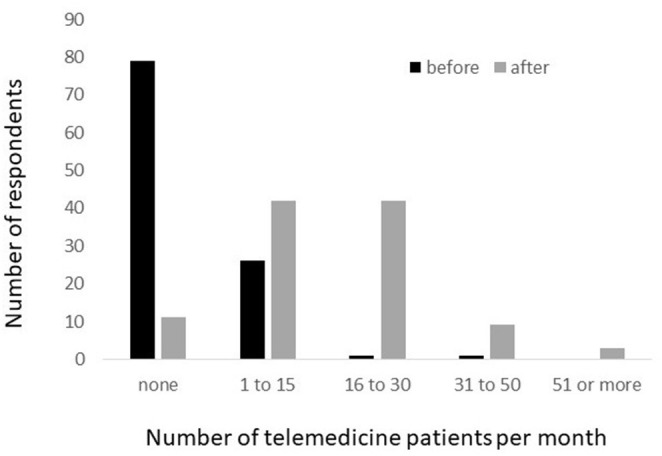
The clinical management of patients with inherited metabolic disorders (IMDs) includes medical nutrition therapy (MNT) by a registered dietitian (RD). We utilized an online quantitative and qualitative survey to characterize the practices of RDs treating patients with IMDs during the COVID-19 pandemic and to identify challenges and unmet needs. We received responses from 117 RDs. Results indicate that RDs are using alternate methods to engage this vulnerable population and provide MNT during the pandemic, including offering telemedicine appointments. Barriers to implementation of telemedicine include the limitations of virtual visits (inability to conduct physical exams and collect blood samples), time, patient knowledge of technology, audio problems, and patient access to internet, computers, or smartphones. RDs have addressed these barriers by extending prescriptions without a medical exam, relying on local facilities for blood draws, increasing the number of patients that use at-home filter papers for blood monitoring, and expanding the use of phone calls and emails. RDs identified patient education materials to facilitate telemedicine visits as a primary unmet need. Despite the reported barriers and limitations of telemedicine for MNT of IMDs, there was widespread satisfaction with the approach among RDs, with 96.9% reporting that they were somewhat or very satisfied with telemedicine. Although this survey focused on barriers, benefits of telemedicine for both RDs and patients were also reported. Identification of barriers and unmet needs can help clinics plan strategies to maximize telemedicine delivery models, to improve efficiency and patient outcomes, and to support sustained use of telemedicine post-pandemic.
遗传性代谢疾病(IMD)患者的临床管理包括由注册营养师(RD)进行医学营养治疗(MNT)。我们利用在线定量和定性调查来描述在新冠疫情期间治疗IMD患者的注册营养师的实践情况,并确定挑战和未满足的需求。我们收到了117名注册营养师的回复。结果表明,注册营养师正在采用替代方法来接触这一弱势群体,并在疫情期间提供医学营养治疗,包括提供远程医疗预约。远程医疗实施的障碍包括虚拟就诊的局限性(无法进行体格检查和采集血样)、时间、患者的技术知识、音频问题以及患者对互联网、电脑或智能手机的接入情况。注册营养师通过在无医学检查的情况下延长处方、依靠当地机构进行采血、增加使用家用滤纸进行血液监测的患者数量以及扩大电话和电子邮件的使用来解决这些障碍。注册营养师将促进远程医疗就诊的患者教育材料确定为一项主要的未满足需求。尽管报告了远程医疗在IMD医学营养治疗方面存在障碍和局限性,但注册营养师对这种方法普遍感到满意,96.9%的人表示他们对远程医疗有些满意或非常满意。虽然这项调查侧重于障碍,但也报告了远程医疗对注册营养师和患者的益处。识别障碍和未满足的需求有助于诊所制定策略,以最大限度地利用远程医疗服务模式,提高效率和患者治疗效果,并支持疫情后远程医疗的持续使用。