Li Yuxuan, Wang Pan, Ye Dongmei, Bai Xue, Zeng Xuemei, Zhao Qiang, Zhang Zhiwei
Key Laboratory of Cancer Cellular and Molecular Pathology in Hunan Province, Cancer Research Institute of Hengyang Medical College, University of South China, Hengyang, 421001, Hunan Province, China.
Department of Pathology, Qingyuan People's Hospital, Qingyuan, 511500, Guangdong Province, China.
J Cancer. 2021 Apr 19;12(12):3458-3467. doi: 10.7150/jca.56056. eCollection 2021.
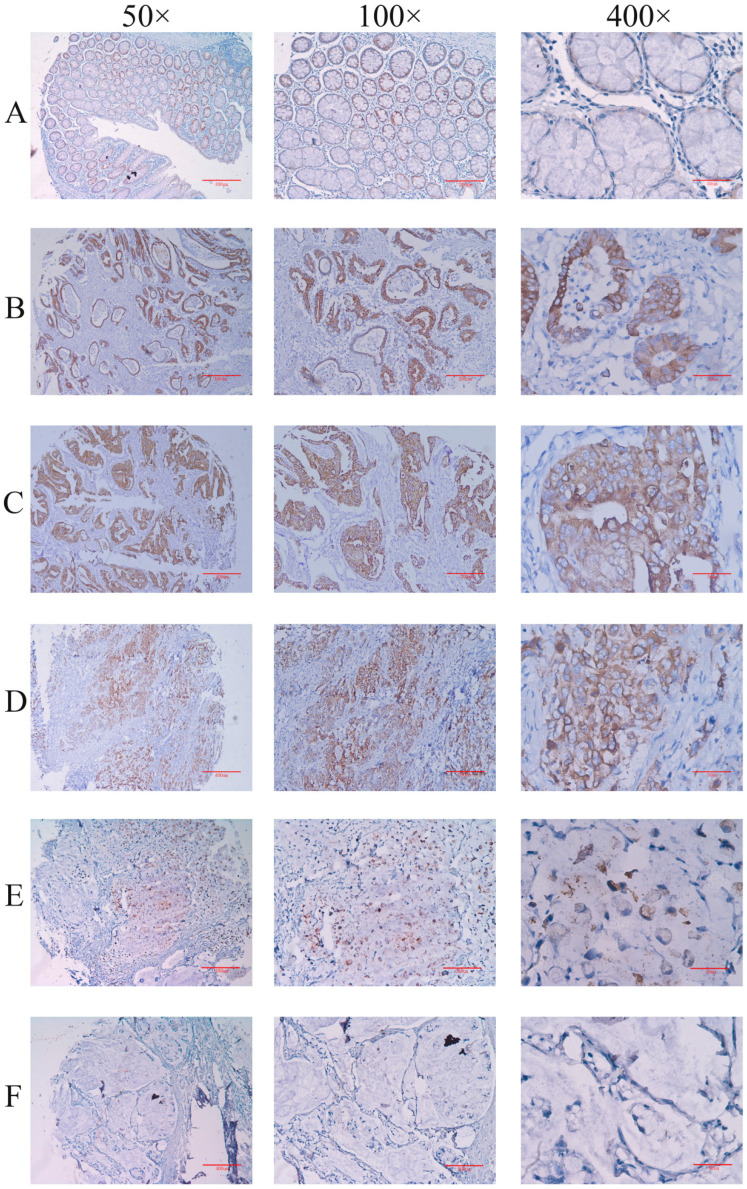
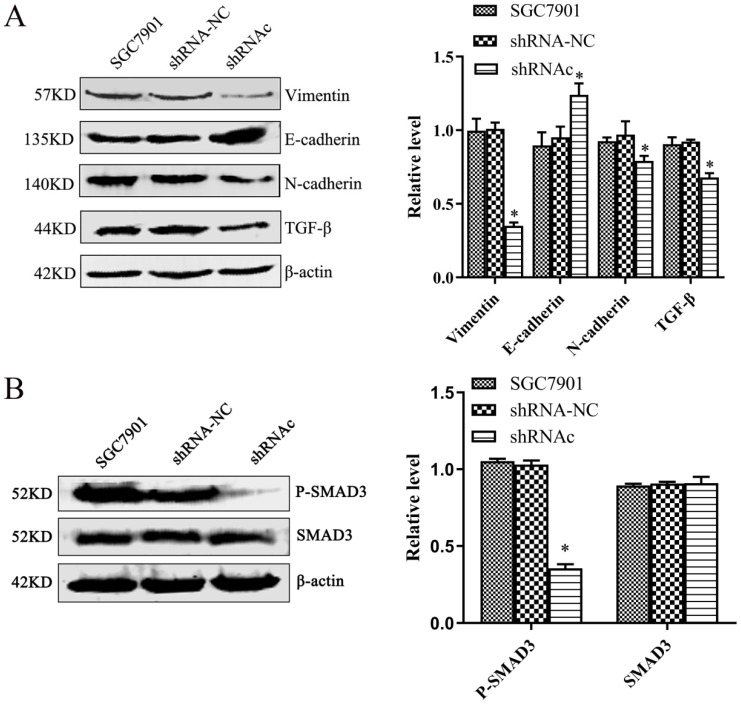
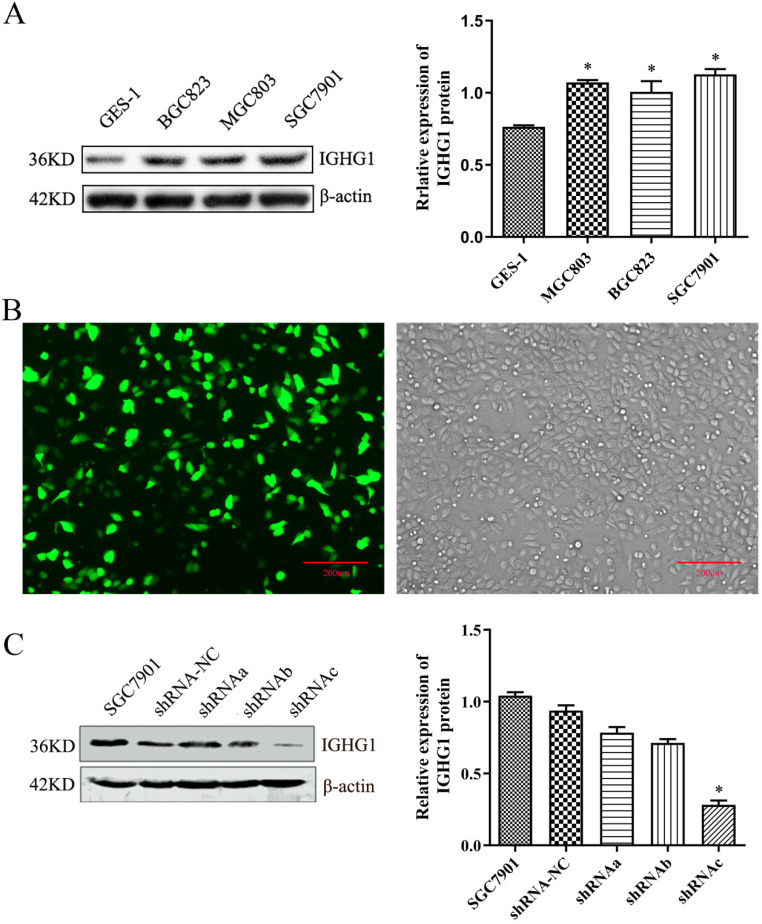
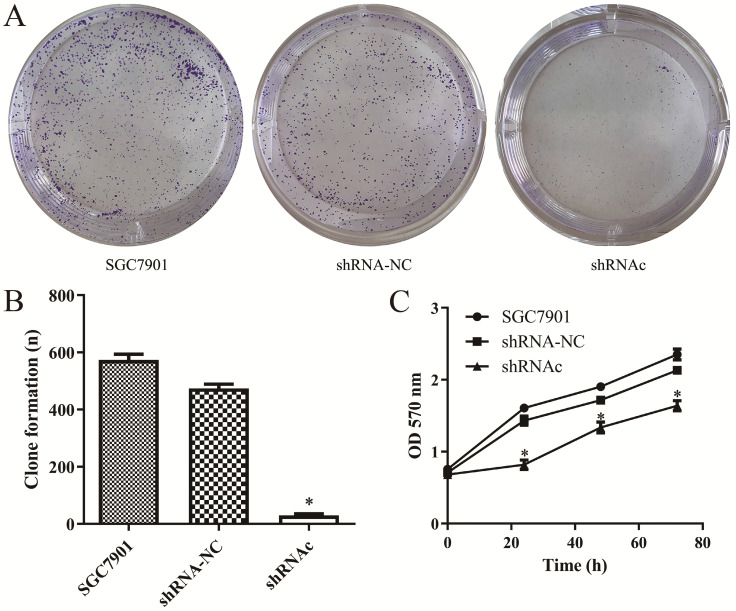
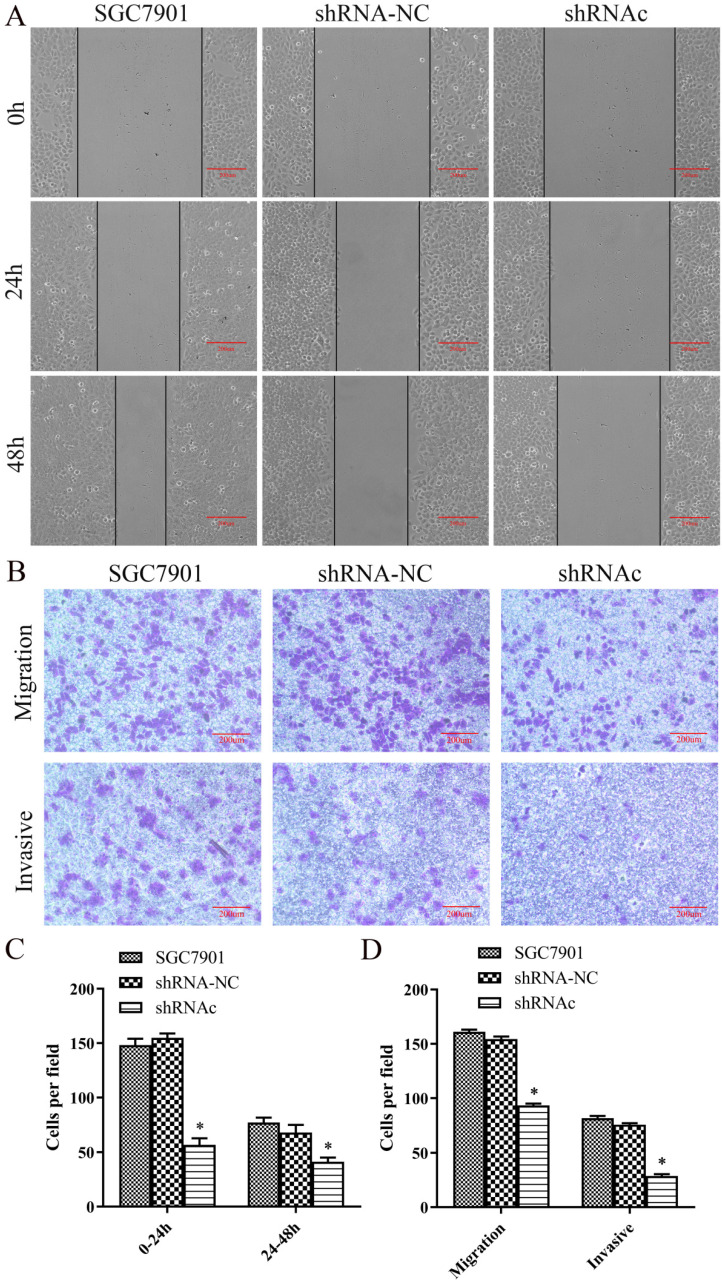
Gastric cancer is one of the most common malignant tumors in the world. IGHG1 is a differentially expressed protein screened out in gastric cancer in the early stage of the subject group. This topic explores the expression of IGHG1 in gastric cancer and the effect of IGHG1 on the proliferation, migration, invasion and EMT of gastric cancer SGC7901 cells and its mechanism of action. Twenty cases of gastric cancer were purified by laser Capture Microdissection. The isotopic tags for relative and absolute quantification was used to label the proteins, and then analyzed and identified them by quantitative proteomics. Immunohistochemical staining method was used to detect the expression of IGHG1 protein in gastric cancer tissues. Western blot was used to detect the expression of IGHG1 in gastric cancer cells. The MTT and Petri dish clone formation experiment analyzed the effect of low expression of IGHG1 on the proliferation of SGC7901 cells. Scratch test and Transwell migration and invasion test to observe the effect of low expression of IGHG1 on the migration and invasion of SGC7901 cells. Western blot was used to detect the effect of low expression of IGHG1 on the expression of EMT-related proteins. 243 proteins related to gastric mucosal lesions were preliminarily identified. We found that IGHG1 is highly expressed in gastric cancer tissues compared with normal control tissues. IGHG1 promotes the proliferation, migration and invasion of gastric cancer cells. Compared with the control group, the expression of EMT-related proteins Vimentin, N-cadherin, TGF-β, P-SMAD3 was decreased and the expression of E-cadherin was increased after IGHG1 low expression. IGHG1 induces EMT in SGC7901 cells by regulating the TGF-β/SMAD3 signaling pathway.
胃癌是世界上最常见的恶性肿瘤之一。IGHG1是在研究对象组早期胃癌中筛选出的差异表达蛋白。本课题探讨IGHG1在胃癌中的表达以及IGHG1对胃癌SGC7901细胞增殖、迁移、侵袭和上皮-间质转化(EMT)的影响及其作用机制。通过激光捕获显微切割技术纯化20例胃癌组织。采用相对和绝对定量的同位素标记法对蛋白质进行标记,然后通过定量蛋白质组学进行分析和鉴定。采用免疫组织化学染色法检测胃癌组织中IGHG1蛋白的表达。采用蛋白质免疫印迹法检测胃癌细胞中IGHG1的表达。MTT法和培养皿克隆形成实验分析IGHG1低表达对SGC7901细胞增殖的影响。划痕实验和Transwell迁移侵袭实验观察IGHG1低表达对SGC7901细胞迁移和侵袭的影响。采用蛋白质免疫印迹法检测IGHG1低表达对EMT相关蛋白表达的影响。初步鉴定出243种与胃黏膜病变相关的蛋白质。我们发现,与正常对照组织相比,IGHG1在胃癌组织中高表达。IGHG1促进胃癌细胞的增殖、迁移和侵袭。与对照组相比,IGHG1低表达后,EMT相关蛋白波形蛋白、N-钙黏蛋白、转化生长因子-β(TGF-β)、磷酸化SMAD3的表达降低,E-钙黏蛋白的表达增加。IGHG1通过调节TGF-β/SMAD3信号通路诱导SGC7901细胞发生EMT。