Zheng Xubin, Wu Qiong, Wu Haonan, Leung Kwong-Sak, Wong Man-Hon, Liu Xueyan, Cheng Lixin
Department of Critical Medicine, Shenzhen People's Hospital, First Affiliated Hospital of Southern University of Science and Technology, Second Clinical Medicine College of Jinan University, Shenzhen, China.
Department of Computer Science and Engineering, The Chinese University of Hong Kong, Hong Kong, China.
Front Cell Dev Biol. 2021 Apr 29;9:671302. doi: 10.3389/fcell.2021.671302. eCollection 2021.
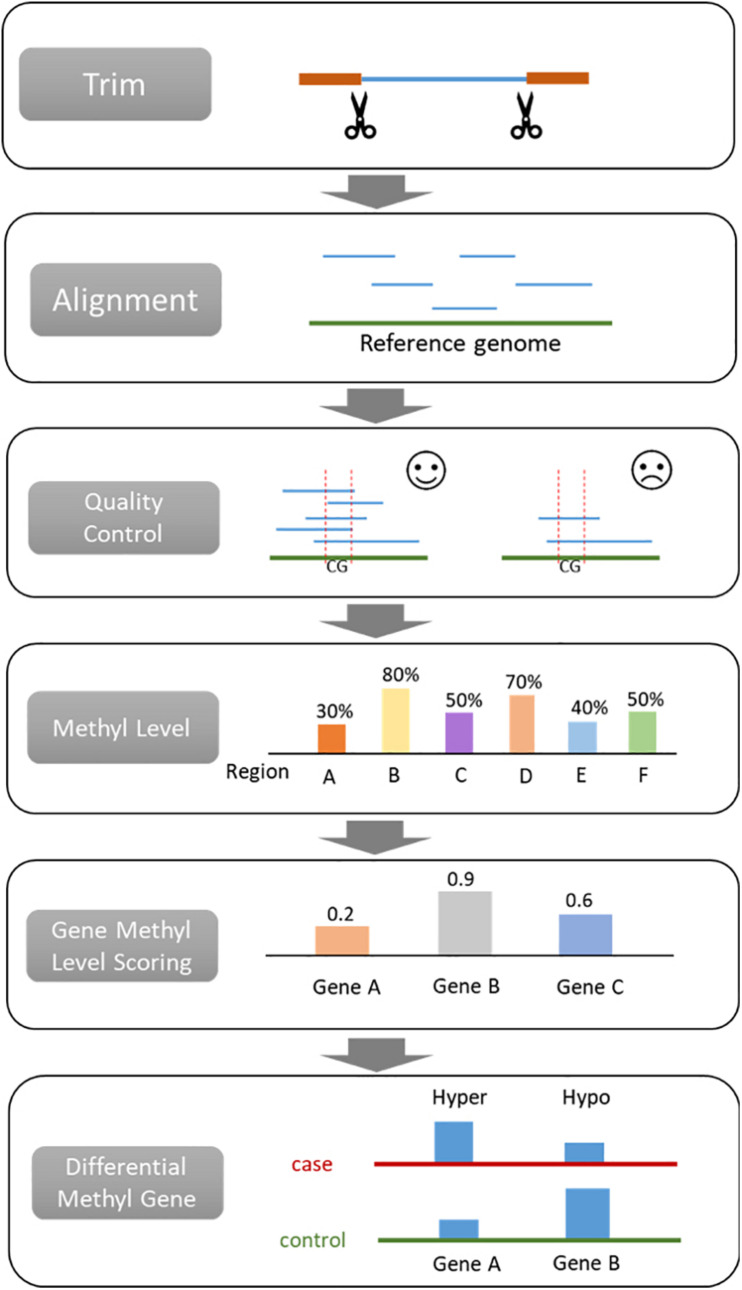
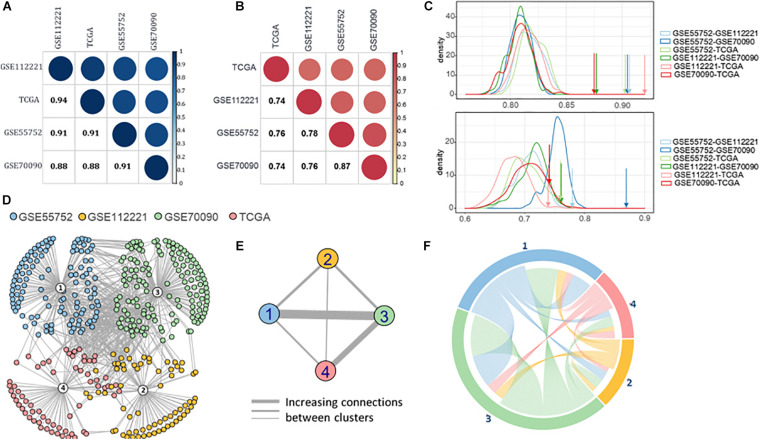
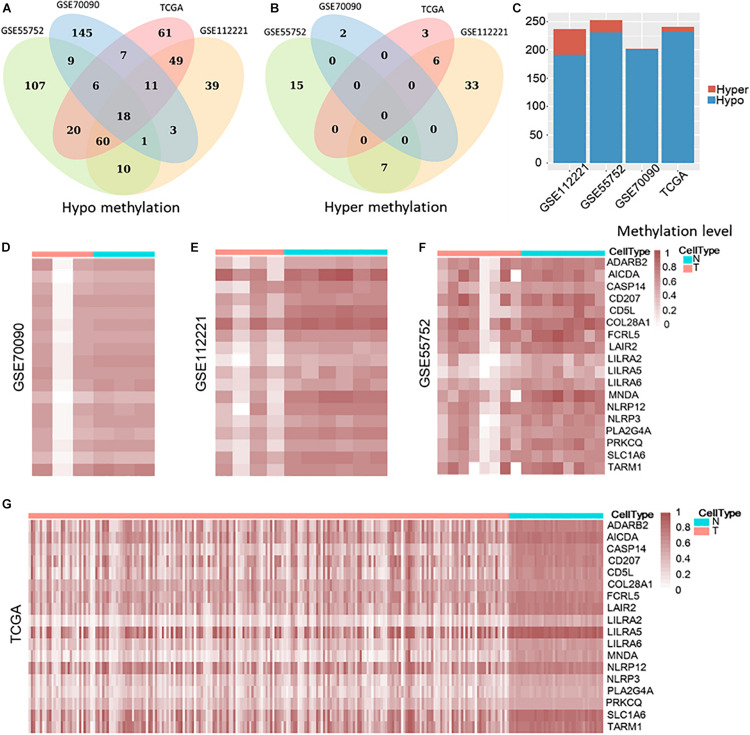
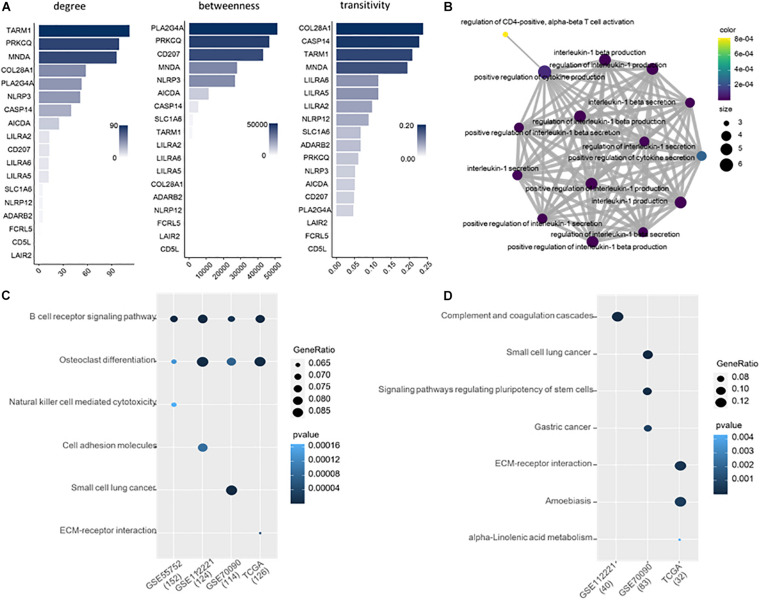
Bisulfite sequencing is considered as the gold standard approach for measuring DNA methylation, which acts as a pivotal part in regulating a variety of biological processes without changes in DNA sequences. In this study, we introduced the most prevalent methods for processing bisulfite sequencing data and evaluated the consistency of the data acquired from different measurements in liver cancer. Firstly, we introduced three commonly used bisulfite sequencing assays, i.e., reduced-representation bisulfite sequencing (RRBS), whole-genome bisulfite sequencing (WGBS), and targeted bisulfite sequencing (targeted BS). Next, we discussed the principles and compared different methods for alignment, quality assessment, methylation level scoring, and differentially methylated region identification. After that, we screened differential methylated genes in liver cancer through the three bisulfite sequencing assays and evaluated the consistency of their results. Ultimately, we compared bisulfite sequencing to 450 k beadchip and assessed the statistical similarity and functional association of differentially methylated genes (DMGs) among the four assays. Our results demonstrated that the DMGs measured by WGBS, RRBS, targeted BS and 450 k beadchip are consistently hypo-methylated in liver cancer with high functional similarity.
亚硫酸氢盐测序被认为是测量DNA甲基化的金标准方法,DNA甲基化在不改变DNA序列的情况下,在调节多种生物过程中起着关键作用。在本研究中,我们介绍了处理亚硫酸氢盐测序数据的最常用方法,并评估了从肝癌不同测量中获得的数据的一致性。首先,我们介绍了三种常用的亚硫酸氢盐测序分析方法,即简化代表性亚硫酸氢盐测序(RRBS)、全基因组亚硫酸氢盐测序(WGBS)和靶向亚硫酸氢盐测序(靶向BS)。接下来,我们讨论了比对、质量评估、甲基化水平评分和差异甲基化区域鉴定的原理并比较了不同方法。之后,我们通过三种亚硫酸氢盐测序分析方法筛选了肝癌中的差异甲基化基因,并评估了其结果的一致性。最后,我们将亚硫酸氢盐测序与450 k芯片进行比较,并评估了四种分析方法中差异甲基化基因(DMG)的统计相似性和功能关联性。我们的结果表明,通过WGBS、RRBS、靶向BS和450 k芯片测量的DMG在肝癌中始终处于低甲基化状态,且具有高度的功能相似性。