Gu Peng, Yang Qin, Chen Bangzhu, Bie Ya-Nan, Liu Wen, Tian Yuguang, Luo Hongquan, Xu Tao, Liang Chunjin, Ye Xing, Liu Yan, Tang Xiangwu, Gu Weiwang
Institute of Comparative Medicine & Laboratory Animal Management Center, Southern Medical University, Guangzhou 510515, China.
School of Basic Medical Science, Southern Medical University, Guangzhou 510515, China.
Mol Ther Methods Clin Dev. 2021 Apr 9;21:530-547. doi: 10.1016/j.omtm.2021.04.002. eCollection 2021 Jun 11.
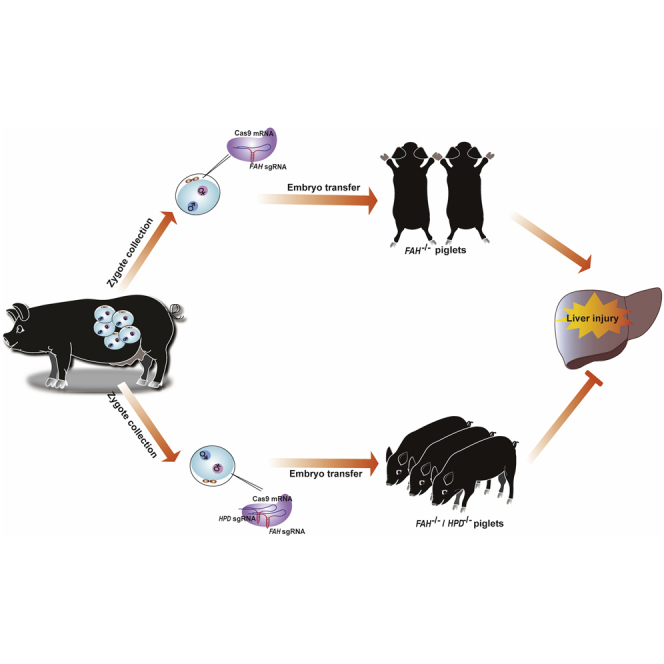
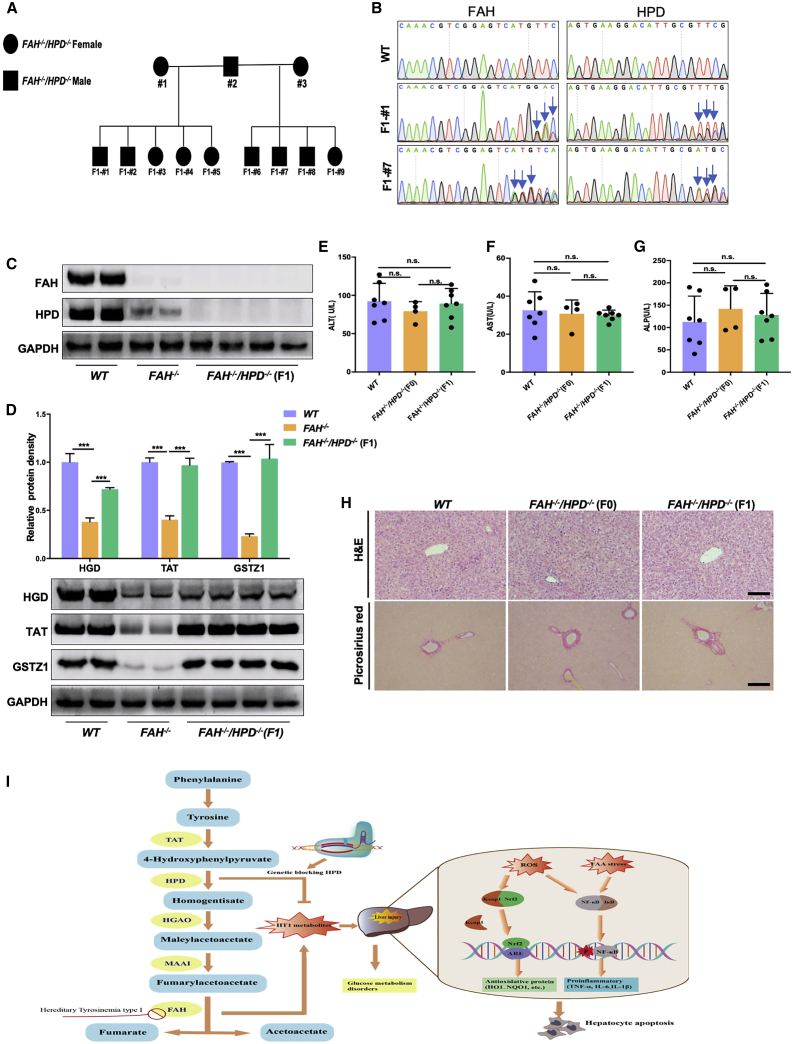
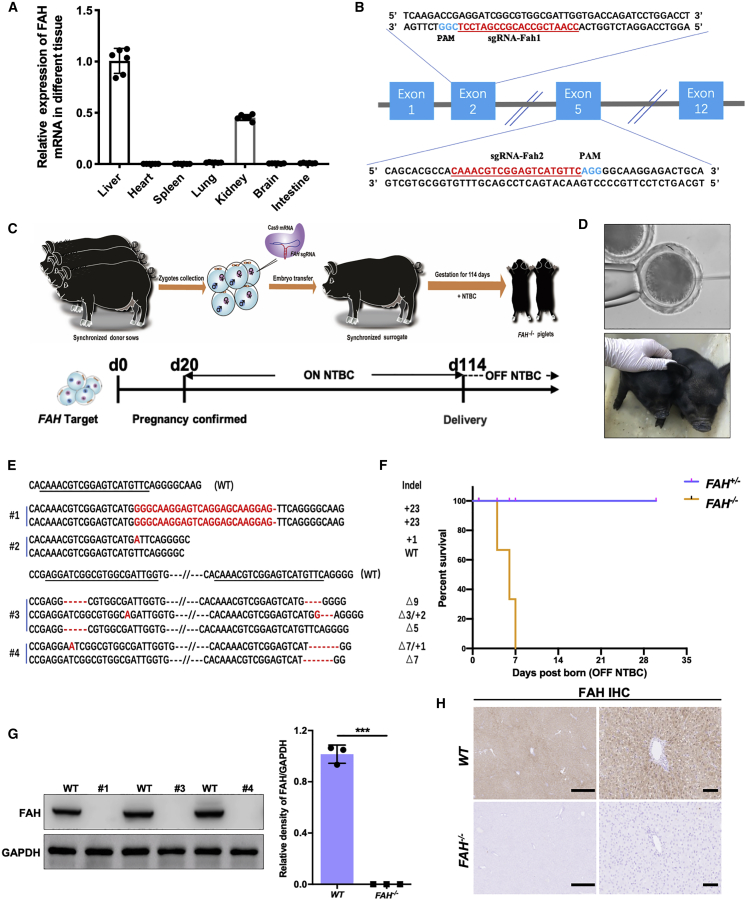
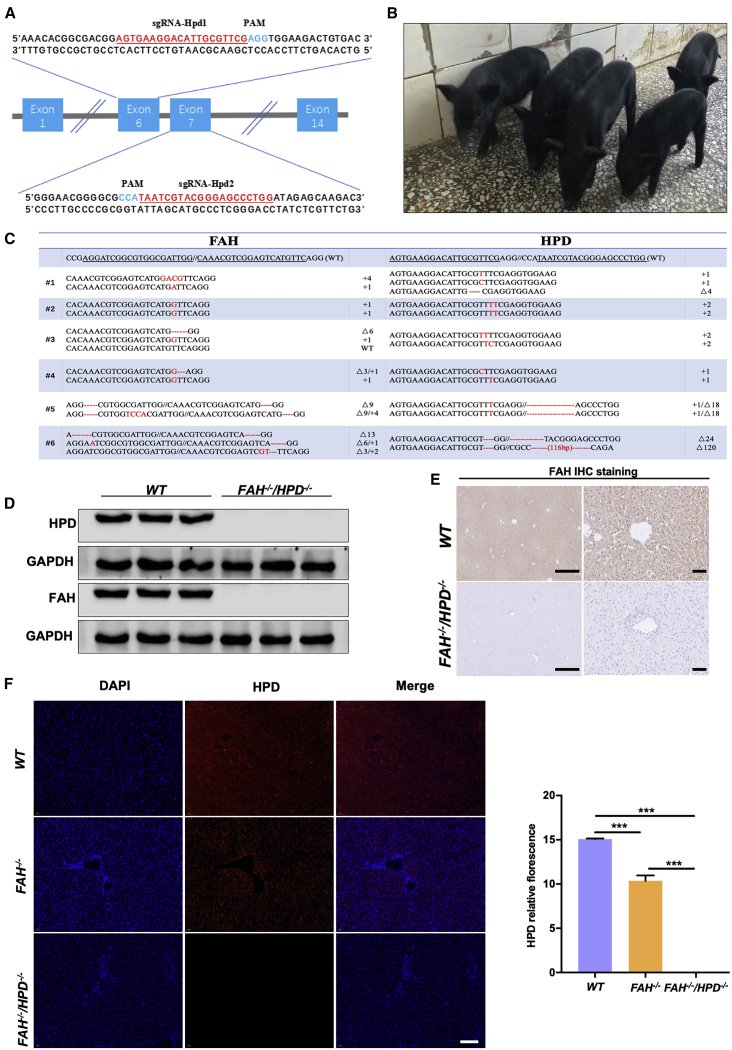
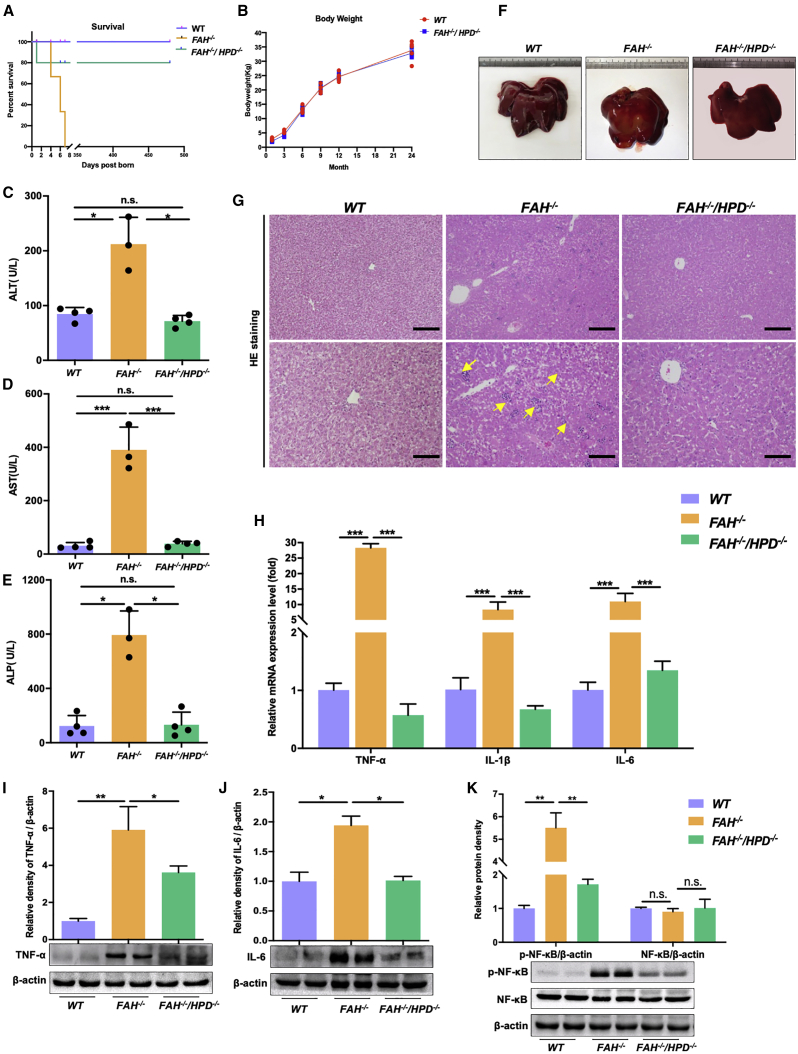
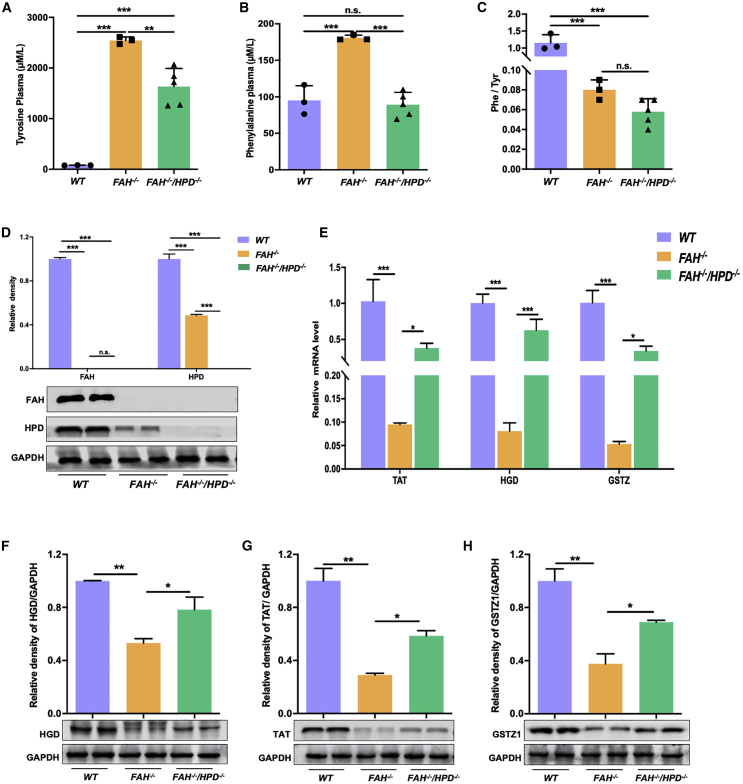
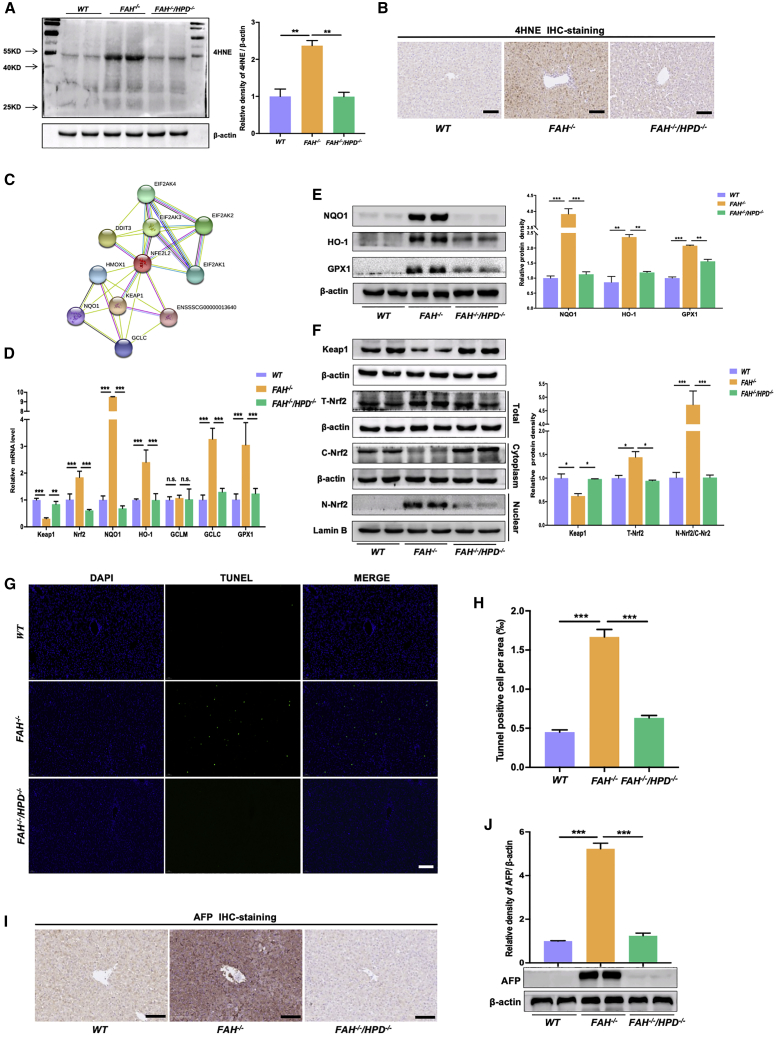
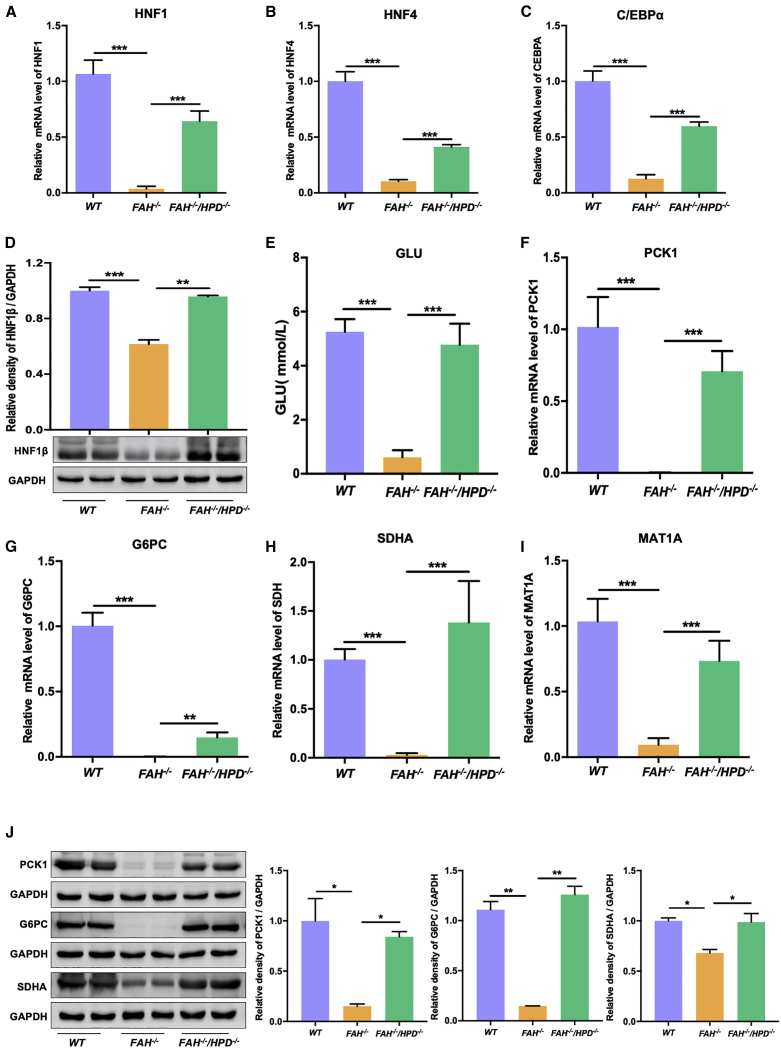
Hereditary tyrosinemia type I (HT1) results from the loss of fumarylacetoacetate hydrolase (FAH) activity and can lead to lethal liver injury (LLI). Therapeutic options for HT1 remain limited. The pig, a well-characterized animal model of HT1, represents a promising candidate for testing novel therapeutic approaches to treat this condition. Here, we report an improved single-step method to establish a biallelic ( ) mutant porcine model using CRISPR-Cas9 and cytoplasmic microinjection. We also tested the feasibility of rescuing HT1 pigs through inactivating the 4-hydroxyphenylpyruvic acid dioxygenase () gene, which functions upstream of the pathogenic pathway, rather than by directly correcting the disease-causing gene as occurs with traditional gene therapy. Direct intracytoplasmic delivery of CRISPR-Cas9 targeting before intrauterine death reprogrammed the tyrosine metabolism pathway and protected pigs against deficiency-induced LLI. Characterization of the F1 generation revealed consistent liver-protective features that were germline transmissible. Furthermore, ablation ameliorated oxidative stress and inflammatory responses and restored the gene profile relating to liver metabolism homeostasis. Collectively, this study not only provided a novel large animal model for exploring the pathogenesis of HT1, but also demonstrated that CRISPR-Cas9-mediated ablation alleviated LLI in HT1 pigs and represents a potential therapeutic option for the treatment of HT1.
I型遗传性酪氨酸血症(HT1)是由于延胡索酰乙酰乙酸水解酶(FAH)活性丧失所致,可导致致死性肝损伤(LLI)。HT1的治疗选择仍然有限。猪是一种特征明确的HT1动物模型,是测试治疗这种疾病新方法的有希望的候选者。在此,我们报告一种改进的单步方法,利用CRISPR-Cas9和细胞质显微注射建立双等位基因( )突变猪模型。我们还测试了通过使致病途径上游起作用的4-羟基苯丙酮酸双加氧酶( )基因失活来拯救HT1猪的可行性,而不是像传统基因治疗那样直接纠正致病基因。在子宫内死亡前直接向细胞质中递送靶向 的CRISPR-Cas9可重新编程酪氨酸代谢途径,并保护猪免受 缺乏诱导的LLI。对F1代的表征揭示了一致的肝脏保护特征,这些特征可通过种系传递。此外, 基因敲除改善了氧化应激和炎症反应,并恢复了与肝脏代谢稳态相关的基因谱。总的来说,本研究不仅为探索HT1的发病机制提供了一种新的大型动物模型,而且证明了CRISPR-Cas9介导的 基因敲除减轻了HT1猪的LLI,代表了一种治疗HT1的潜在治疗选择。