Department of Civil and Industrial Engineering, University of Pisa, Pisa, Italy.
Department of Translational Research and New Surgical and Medical Technologies, University of Pisa, Pisa, Italy.
Int Biomech. 2021 Dec;8(1):1-13. doi: 10.1080/23335432.2021.1874528.
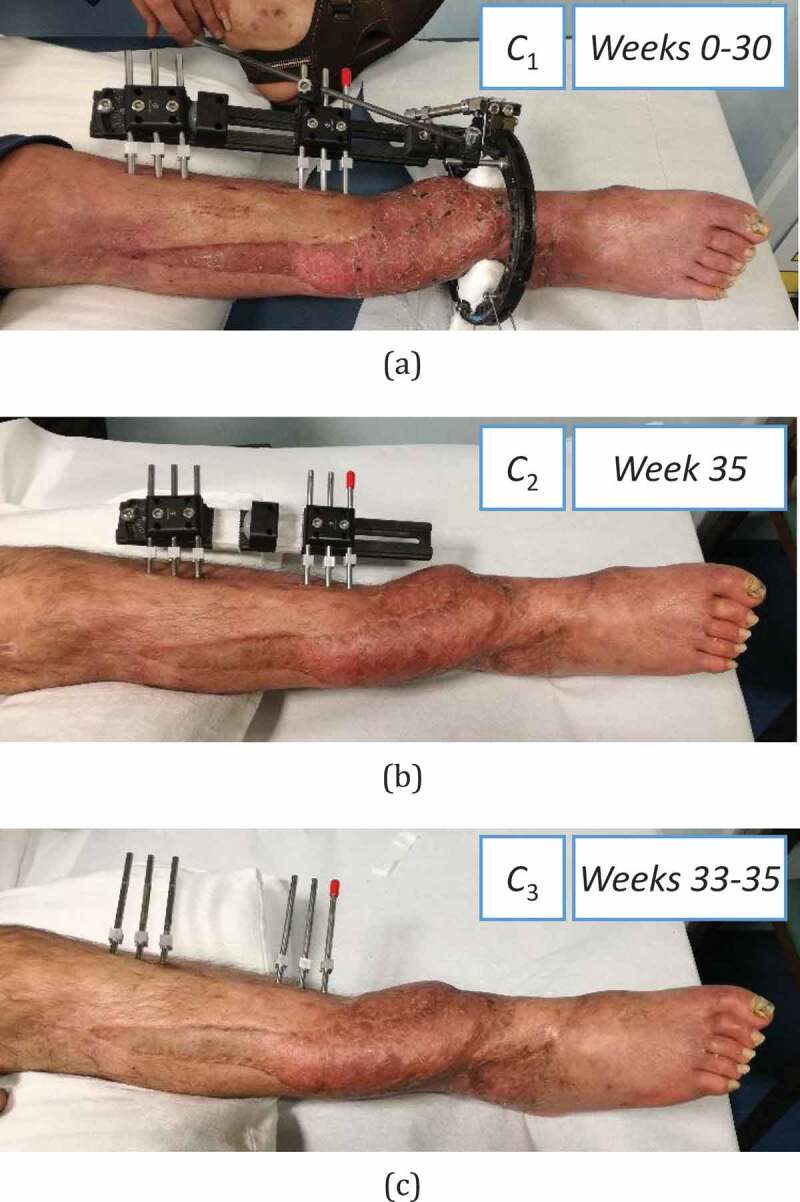
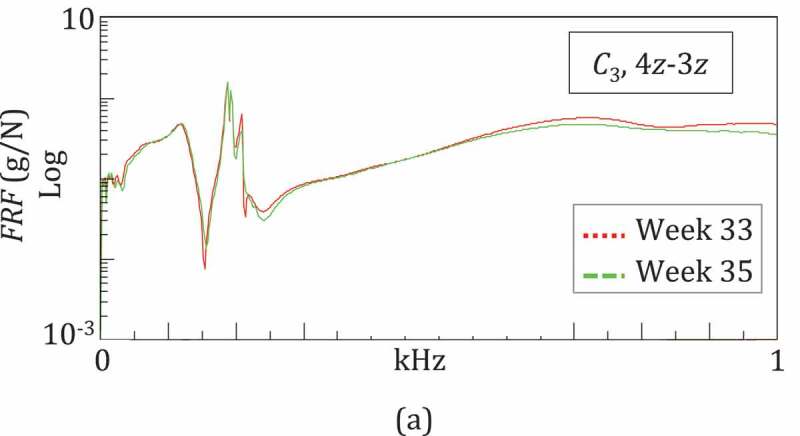
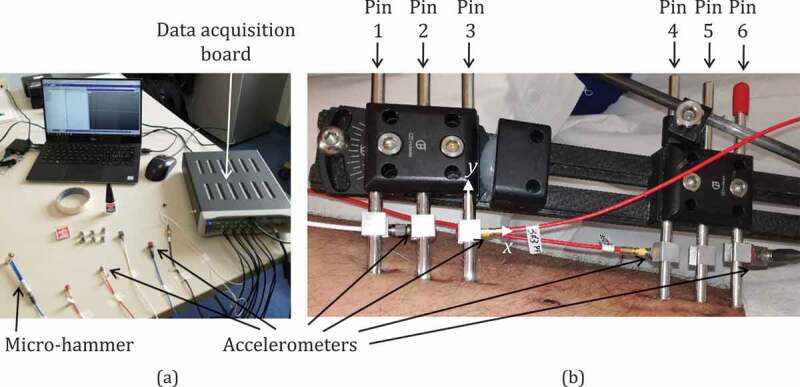
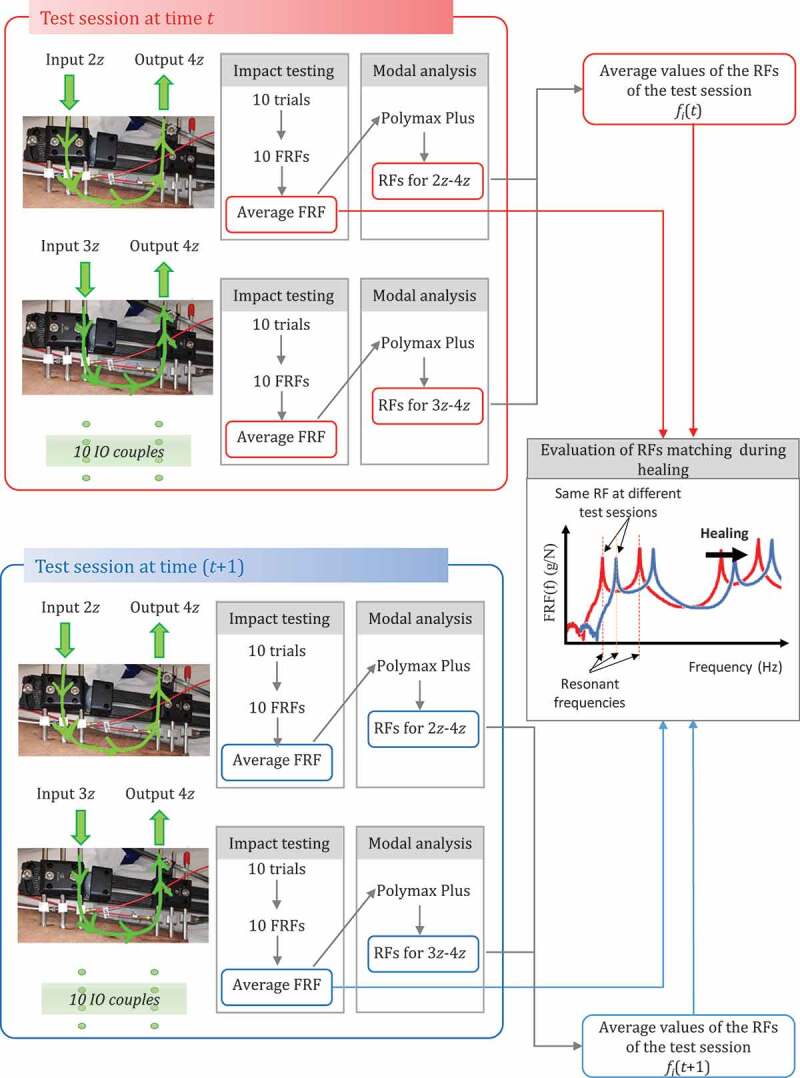
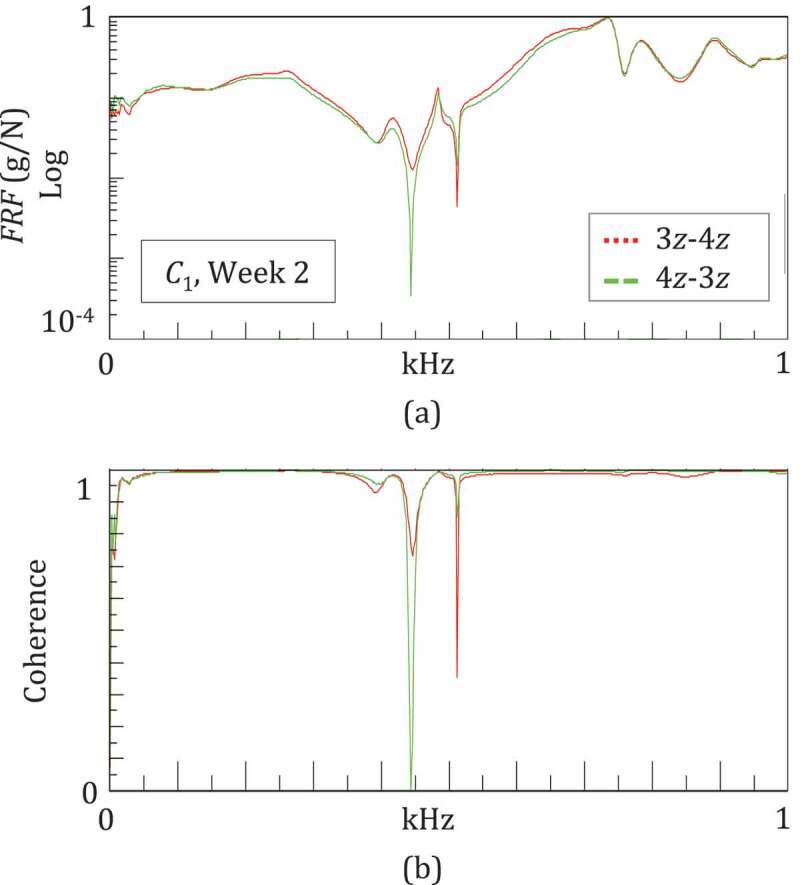
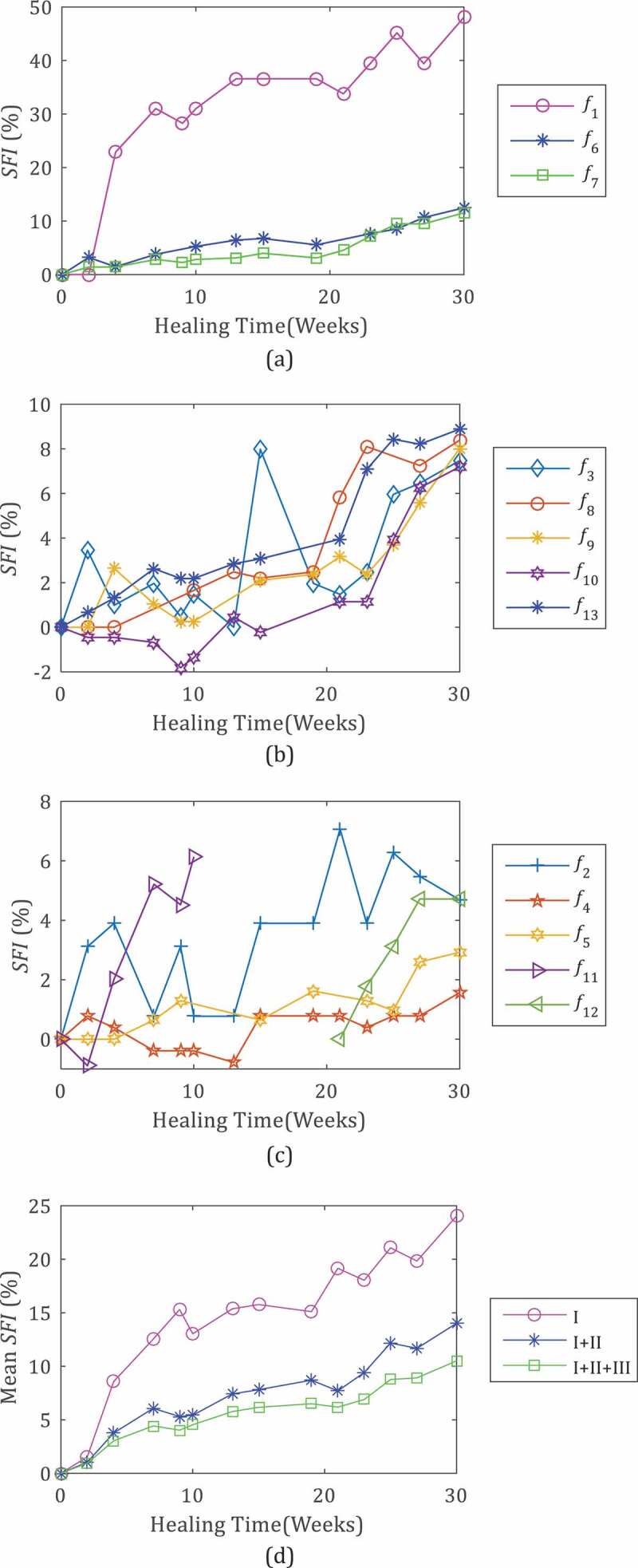
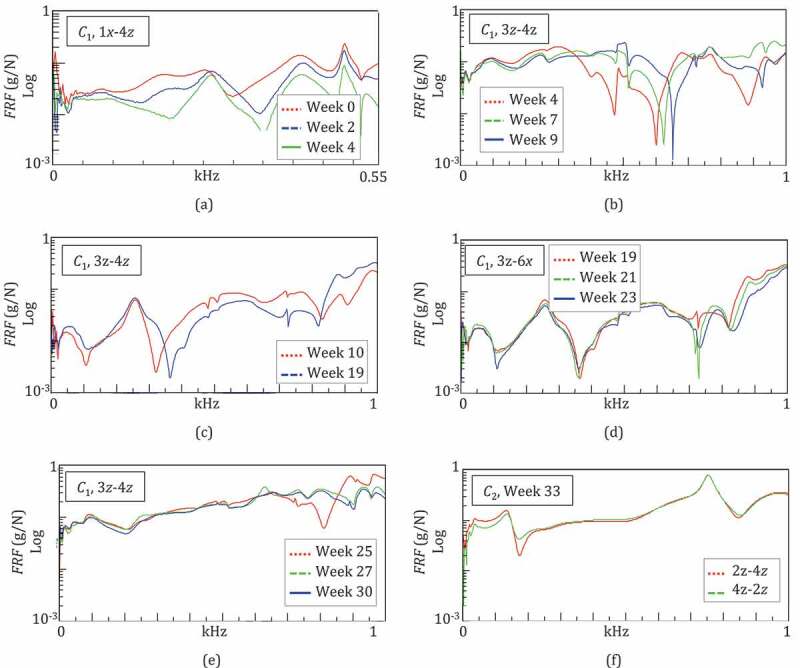
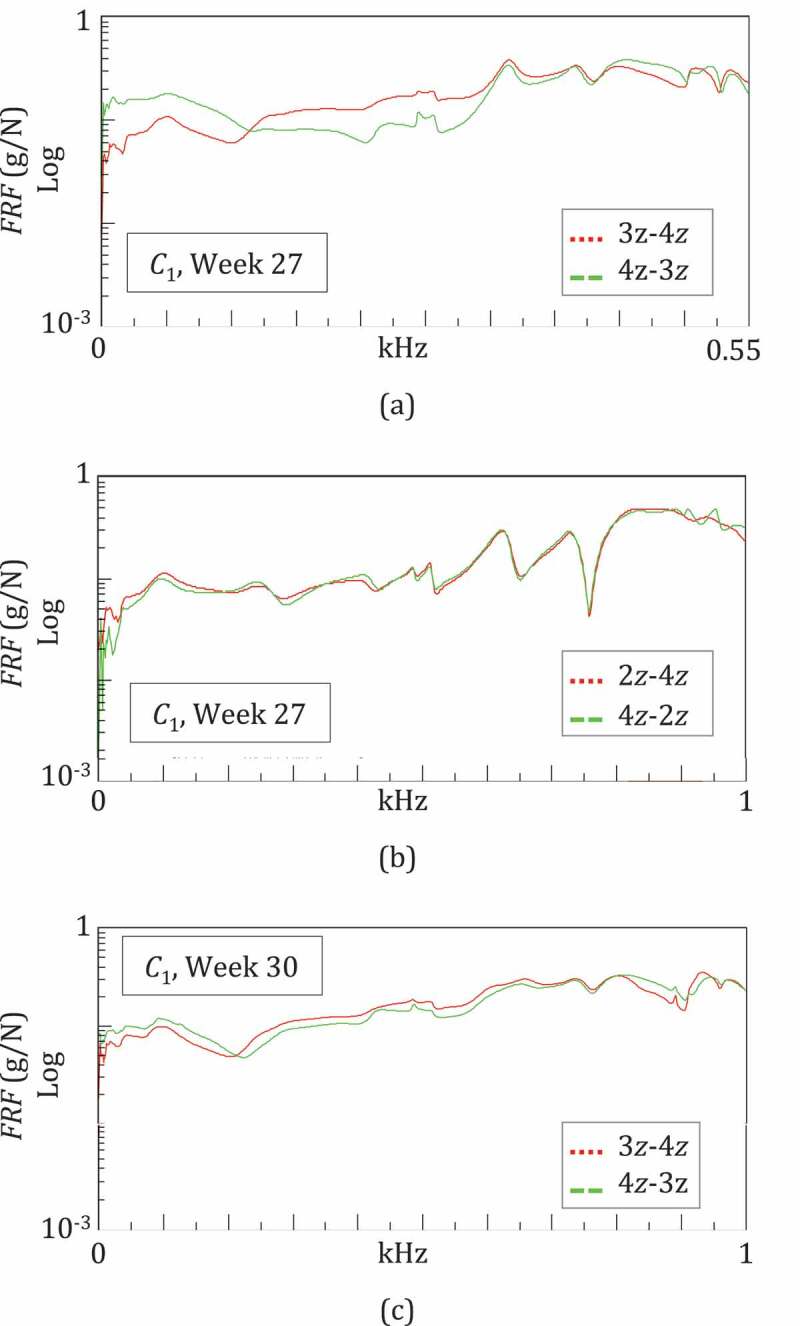
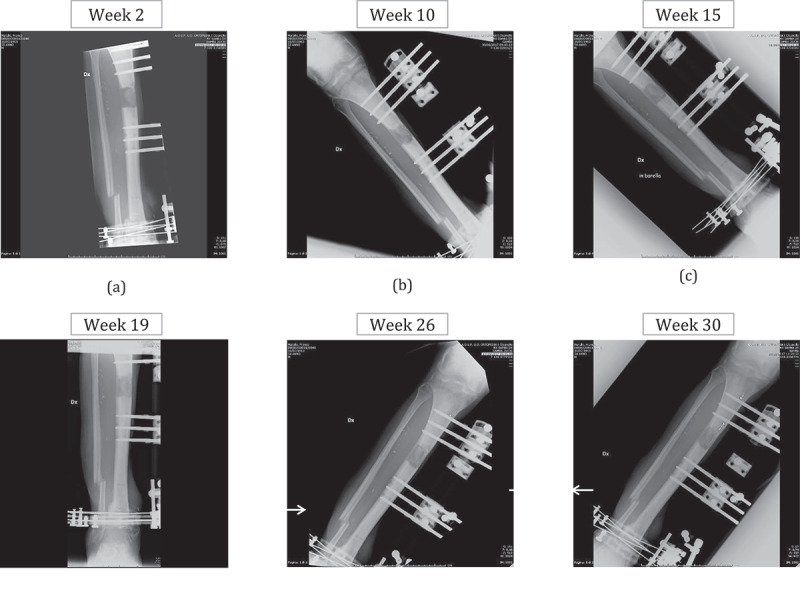
Orthopaedics needs a robust diagnostic tool that can help or even replace traditional radiography in bone healing assessment, thus reducing patient exposure to ionizing radiation. We used a vibrational method to assess the healing of a complex fracture treated with external fixation, exploiting a quantitative and non-invasive procedure. Callus stiffening was monitored from the time of surgery until the fixator was removed. Our approach overcomes previous limitations and involves a longer period of healing monitoring (about 9 months), very frequent tests (bi-weekly), and the analysis of a single test configuration. The healing process was monitored by analysing the percentage increments of the squared resonant frequencies (SFIs), related to the stiffness variation and the changes in the frequency response functions. The results were validated by X-rays images, and revealed that the most sensitive parameter to quantify the healing was the SFI of the first resonant frequency which increased by about 20% per month during the formation of the woven callus and up to about 50% at the end of healing completion. This study confirms the potential of the vibrational method as an alternative to radiography in fracture healing assessment.
矫形外科需要一种强大的诊断工具,它可以帮助甚至替代传统的放射学在骨愈合评估,从而减少患者接触电离辐射。我们使用一种振动方法来评估复杂骨折的愈合,这种方法利用了定量和非侵入性的程序,利用外部固定器进行治疗。从手术开始到固定器拆除,监测骨痂的硬化情况。我们的方法克服了以前的局限性,涉及更长的愈合监测期(约 9 个月)、非常频繁的测试(每两周一次)以及单一测试配置的分析。通过分析平方共振频率(SFIs)的百分比增量来监测愈合过程,这些增量与刚度变化和频率响应函数的变化有关。结果通过 X 射线图像进行验证,并表明量化愈合的最敏感参数是第一个共振频率的 SFI,在编织性骨痂形成过程中,每个月增加约 20%,在愈合完成时增加约 50%。这项研究证实了振动法作为放射学在骨折愈合评估中的替代方法的潜力。