International Institute for Population Sciences, Mumbai, Maharashtra, 400088, India.
BMC Psychiatry. 2021 May 17;21(1):256. doi: 10.1186/s12888-021-03257-4.
Greater cognitive performance has been shown to be associated with better mental and physical health and lower mortality. The present study contributes to the existing literature on the linkages of self-perceived income sufficiency and cognitive impairment. Study also provides additional insights on other socioeconomic and health-related variables that are associated with cognitive impairment in older ages.
Data for this study is derived from the 'Building Knowledge Base on Population Ageing in India'. The final sample size for the analysis after removing missing cases was 9176 older adults. Descriptive along with bivariate analyses were presented to show the plausible associations of cognitive impairment with potential risk factors using the chi-square test. Also, binary logistic regression analysis was performed to provide the relationship between cognitive impairment and risk factors. The software used was STATA 14.
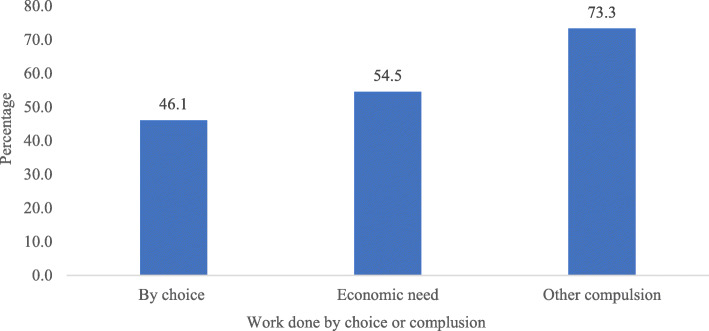
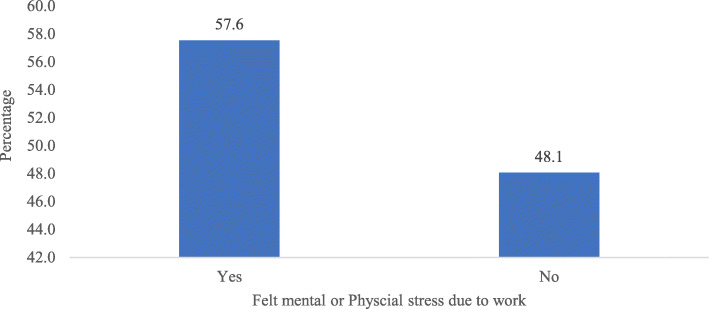
About 43% of older adults reported that they had no source of income and 7.2% had income but not sufficient to fulfil their basic needs. Older adults with income but partially sufficient to fulfil their basic needs had 39% significantly higher likelihood to suffer from cognitive impairment than older adults who had sufficient income [OR: 1.39; OR: 1.21-1.59]. Likelihood of cognitive impairment was low among older adults with asset ownership than older adults with no asset ownership [OR: 0.83; CI: 0.72-0.95]. Again, older adults who work by compulsion (73.3%) or felt mental or physical stress due to work (57.6%) had highest percentage of cognitive impairment. Moreover, older adults with poor self-rated health, low instrumental activities of daily living, low activities of daily living, low subjective well-being and low psychological health were at increased risk for cognitive impairment.
The study highlights the pressing need for care and support and especially financial incentives in the old age to preserve cognitive health. Further, while planning geriatric health care for older adults in India, priority must be given to financially backward, with no asset ownership, with poor health status, older-older, widowed, and illiterate older individuals, as they are more vulnerable to cognitive impairment.
认知表现较好与心理健康和身体健康状况较好以及死亡率较低有关。本研究有助于了解自我感知收入充足程度与认知障碍之间的关联,并为其他与老年人认知障碍相关的社会经济和健康相关变量提供了额外的见解。
本研究的数据来自“印度人口老龄化知识库建设”。在剔除缺失值后,分析的最终样本量为 9176 名老年人。采用卡方检验,呈现描述性和双变量分析,以显示认知障碍与潜在风险因素的可能关联。还进行了二元逻辑回归分析,以提供认知障碍与风险因素之间的关系。使用的软件是 STATA 14。
约 43%的老年人表示没有收入来源,7.2%的老年人有收入,但不足以满足基本需求。收入仅足以满足基本需求的老年人患认知障碍的可能性比收入充足的老年人高 39%[比值比:1.39;比值比:1.21-1.59]。有资产的老年人比没有资产的老年人认知障碍的可能性低[比值比:0.83;置信区间:0.72-0.95]。此外,由于工作而感到精神或身体压力(57.6%)或被迫工作(73.3%)的老年人认知障碍的比例最高。此外,自我评估健康状况差、日常生活活动能力差、日常生活活动少、主观幸福感和心理健康差的老年人认知障碍的风险增加。
该研究强调了迫切需要在老年时提供关怀和支持,特别是经济激励,以保护认知健康。此外,在为印度的老年人制定老年保健计划时,必须优先考虑经济落后、没有资产、健康状况差、年龄较大、丧偶和文盲的老年人,因为他们更容易受到认知障碍的影响。