Department of Political Sciences, Roma Tre University, Rome, Italy.
Department of Economics, Paris-1 Pantheon-Sorbonne University, Paris, France.
Environ Sci Pollut Res Int. 2021 Oct;28(37):52188-52201. doi: 10.1007/s11356-021-14264-z. Epub 2021 May 18.
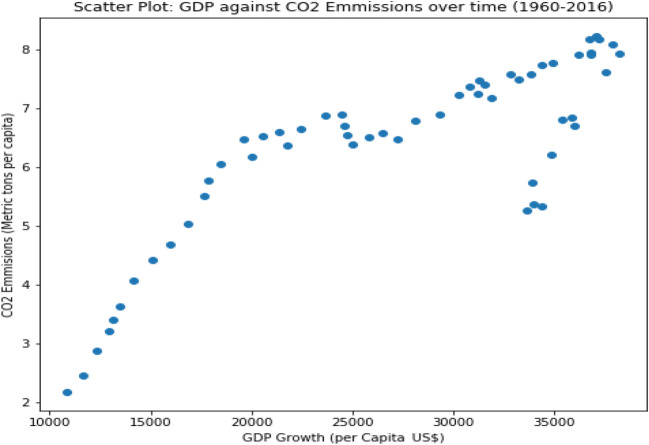
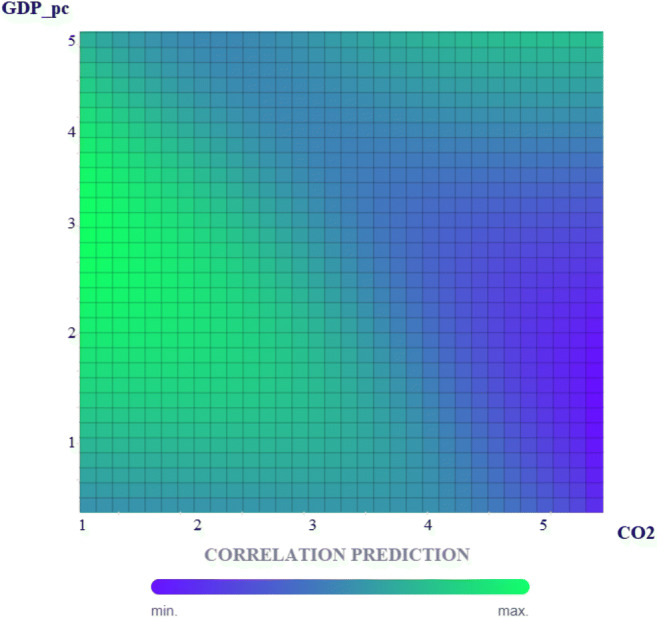
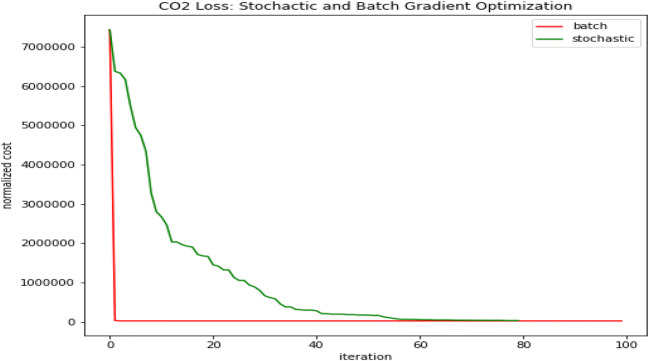
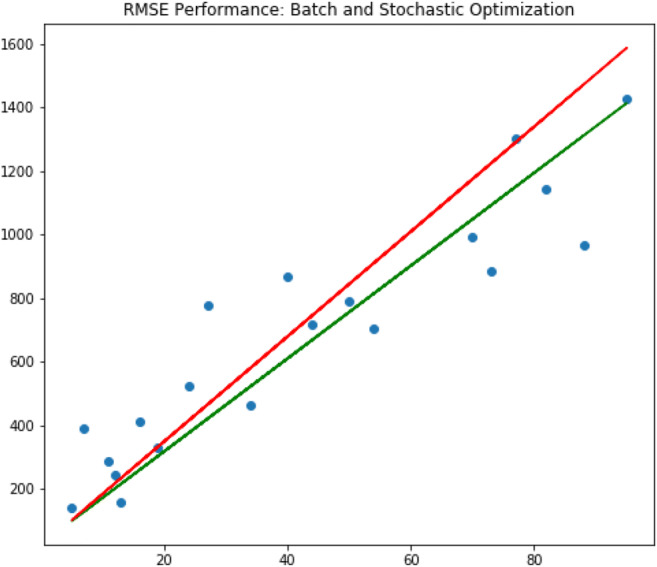
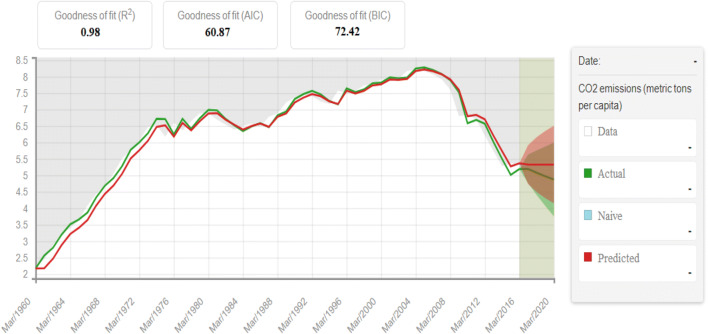
Although the literature on the relationship between economic growth and CO emissions is extensive, the use of machine learning (ML) tools remains seminal. In this paper, we assess this nexus for Italy using innovative algorithms, with yearly data for the 1960-2017 period. We develop three distinct models: the batch gradient descent (BGD), the stochastic gradient descent (SGD), and the multilayer perceptron (MLP). Despite the phase of low Italian economic growth, results reveal that CO emissions increased in the predicting model. Compared to the observed statistical data, the algorithm shows a correlation between low growth and higher CO increase, which contradicts the main strand of literature. Based on this outcome, adequate policy recommendations are provided.
尽管关于经济增长与二氧化碳排放之间关系的文献很多,但机器学习(ML)工具的使用仍然是开创性的。本文使用创新算法评估了意大利的这一关系,使用了 1960 年至 2017 年的年度数据。我们开发了三个不同的模型:批量梯度下降(BGD)、随机梯度下降(SGD)和多层感知器(MLP)。尽管意大利经济增长处于低阶段,但结果表明,在预测模型中,二氧化碳排放量增加了。与观测统计数据相比,该算法显示出低增长与更高 CO 增加之间的相关性,这与主要文献的主流观点相矛盾。基于这一结果,提出了适当的政策建议。