Ngan L T M, Tan M T, Hoang N V M, Thanh D T, Linh N T T, Hoa T T H, Nuong N T M, Hieu T T
Faculty of Biology and Biotechnology, VNUHCM-University of Science, Ho Chi Minh City, Vietnam.
Oxford University Clinical Research Unit, Hospital for Tropical Diseases, Ho Chi Minh City, Vietnam.
Braz J Med Biol Res. 2021 May 17;54(7):e10889. doi: 10.1590/1414-431X2020e10889. eCollection 2021.
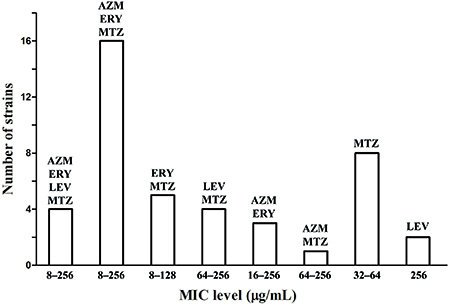
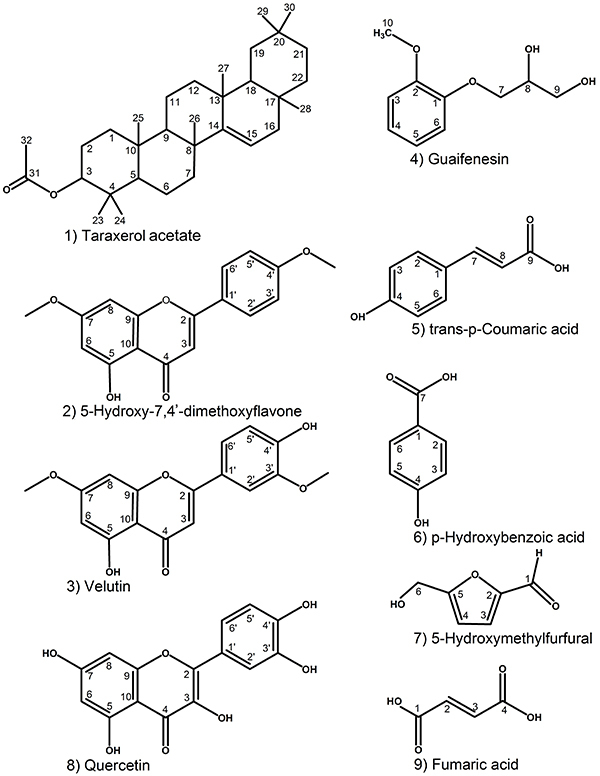
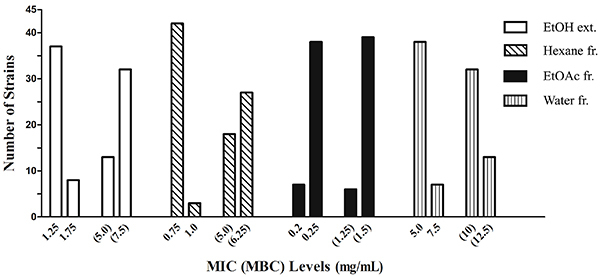
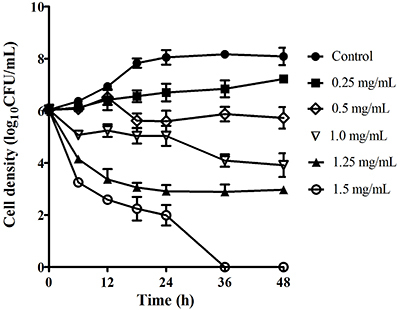
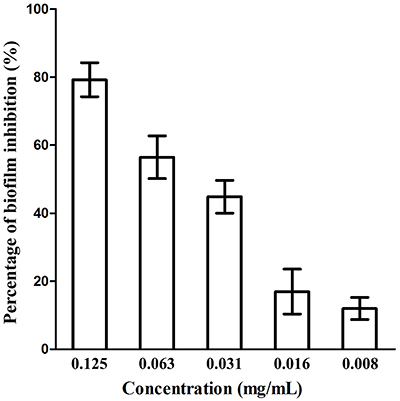
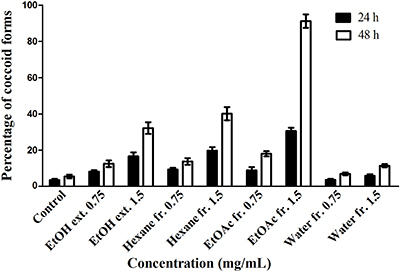
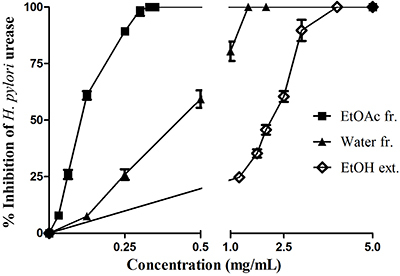
Utilization of plant resources for treatment of Helicobacter pylori infections is one of the appealing approaches as rapid emergence of antibiotic-resistant strains is occurring throughout the world. Ethanol extract and its fractions from Hibiscus rosa-sinensis red flower were assessed for antibacterial and urease inhibitory activities towards forty-three clinical strains and two reference strains of H. pylori. The ethyl acetate fraction exhibited the most potent bacteriostatic activity with minimum inhibitory concentrations (MICs) of 0.2-0.25 mg/mL and minimum bactericidal concentrations (MBCs) of 1.25-1.5 mg/mL against all test strains, including forty-three strains resistant to one to four antibiotics, azithromycin (MICs, 8-256 µg/mL), erythromycin (MICs, 8-128 µg/mL), levofloxacin (MICs, 8-256 µg/mL), and/or metronidazole (MICs, 8-256 µg/mL). The fraction had similar antibacterial activities toward these test strains suggesting the preparation and the antibiotics do not have a common mechanism of anti-H. pylori activity. The fraction also had stronger effects on biofilm formation, morphological conversion, and urease activity of H. pylori than the other fractions and the ethanol extract. These flower preparations were non-toxic to three human cell lines, and nine compounds were also isolated and identified from the ethyl acetate fraction. In vivo research needs to be conducted to confirm the potential usefulness of H. rosa-sinensis flower and its constituents for effective prevention and treatment of H. pylori disease.
随着全球抗生素耐药菌株的迅速出现,利用植物资源治疗幽门螺杆菌感染是一种有吸引力的方法之一。对扶桑红花的乙醇提取物及其馏分针对43株临床菌株和2株幽门螺杆菌参考菌株进行了抗菌和脲酶抑制活性评估。乙酸乙酯馏分表现出最有效的抑菌活性,对所有测试菌株的最低抑菌浓度(MIC)为0.2 - 0.25mg/mL,最低杀菌浓度(MBC)为1.25 - 1.5mg/mL,包括对一至四种抗生素耐药的43株菌株,这些抗生素分别为阿奇霉素(MIC,8 - 256μg/mL)、红霉素(MIC,8 - 128μg/mL)、左氧氟沙星(MIC,8 - 256μg/mL)和/或甲硝唑(MIC,8 - 256μg/mL)。该馏分对这些测试菌株具有相似的抗菌活性,表明该制剂与抗生素对幽门螺杆菌的作用机制不同。该馏分对幽门螺杆菌生物膜形成、形态转化和脲酶活性的影响也比其他馏分和乙醇提取物更强。这些花制剂对三种人类细胞系无毒,并且还从乙酸乙酯馏分中分离和鉴定出九种化合物。需要进行体内研究以证实扶桑花及其成分对有效预防和治疗幽门螺杆菌疾病的潜在用途。