Department of Microbiology and Immunology, Uniformed Services University of the Health Sciences, Bethesda, MD, 20814, United States.
Department of Microbiology and Immunology, Uniformed Services University of the Health Sciences, Bethesda, MD, 20814, United States.
J Ethnopharmacol. 2022 Mar 1;285:114828. doi: 10.1016/j.jep.2021.114828. Epub 2021 Nov 9.
Nimbolide is one of hundreds of phytochemicals that have been identified within the neem tree (Azadirachta indica A. Juss). As an evergreen tree native to the Indian subcontinent, components of the neem tree have been used for millennia in traditional medicine to treat dental, gastrointestinal, urinary tract, and blood-related ailments, ulcers, headaches, heartburn, and diabetes. In modern times, natural oils and extracts from the neem tree have been found to have activities against a variety of microorganisms, including human pathogens.
Helicobacter pylori, a prevalent gastric pathogen, shows increasing levels of antibiotic resistance. Thus, there is an increasing demand for novel therapeutics to treat chronic infections. The in vitro activity of neem oil extract against H. pylori was previously characterized and found to be bactericidal. Given the numerous phytochemicals found in neem oil extract, the present study was designed to define and characterize specific compounds showing bactericidal activity against H. pylori.
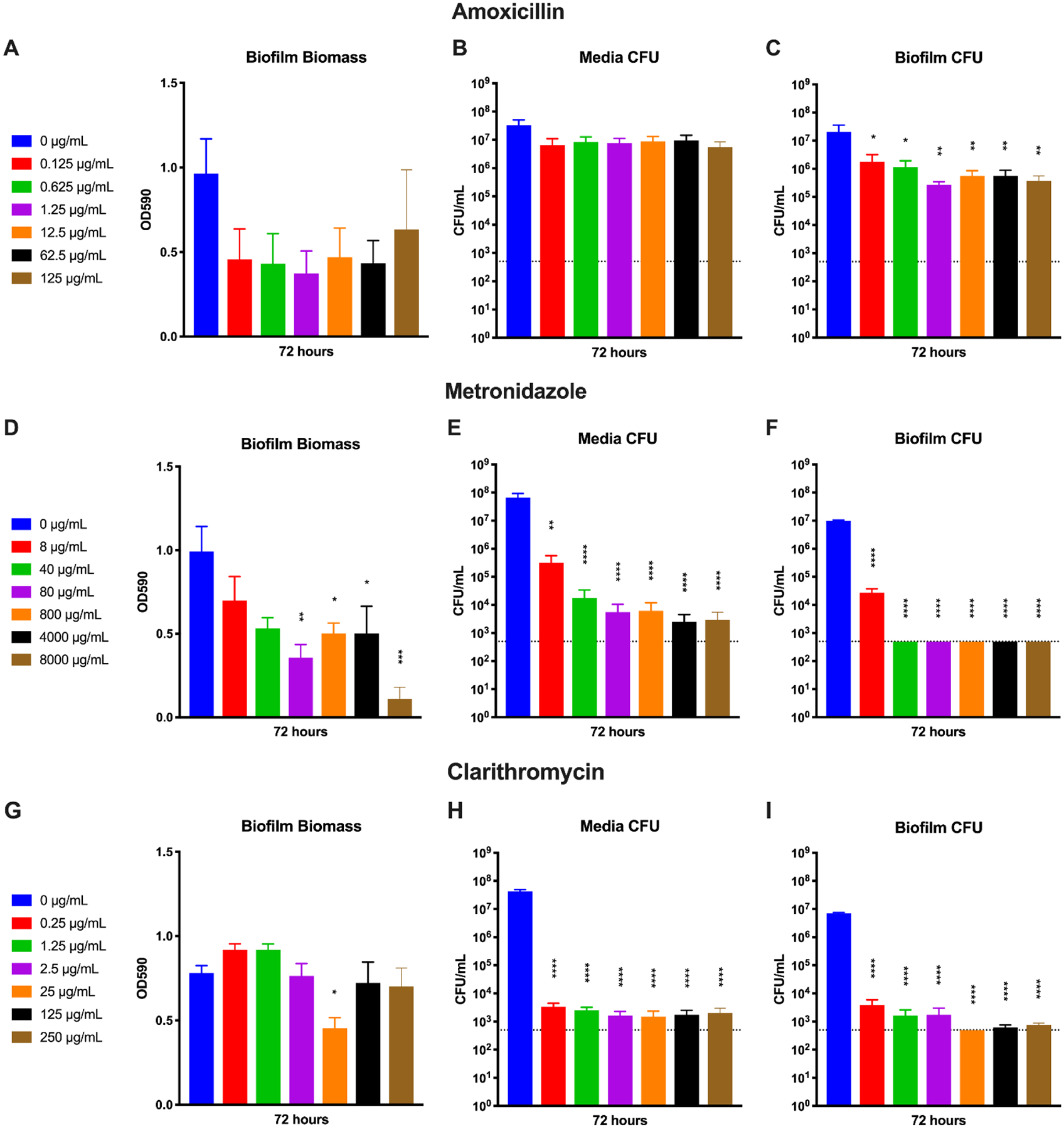
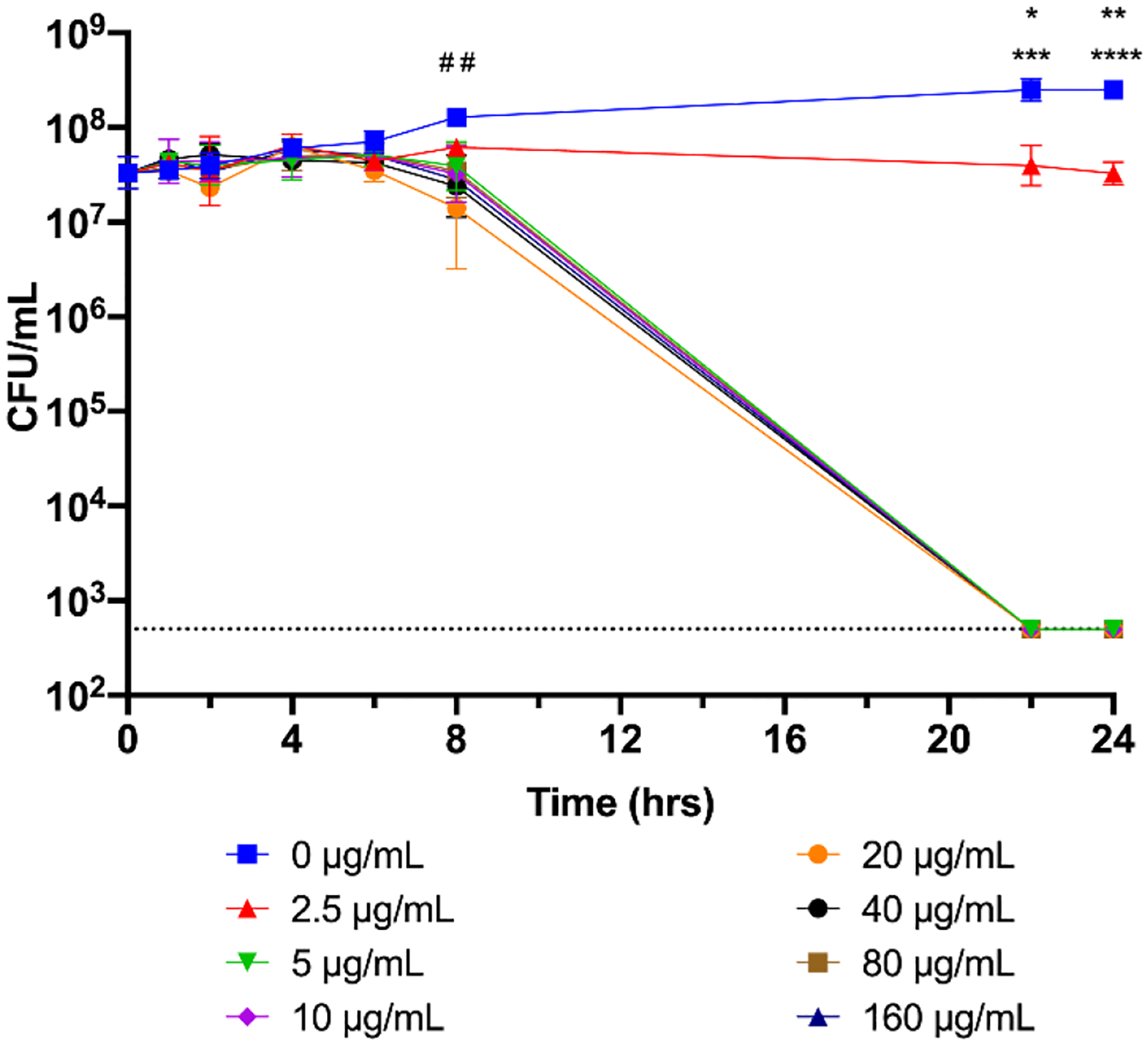
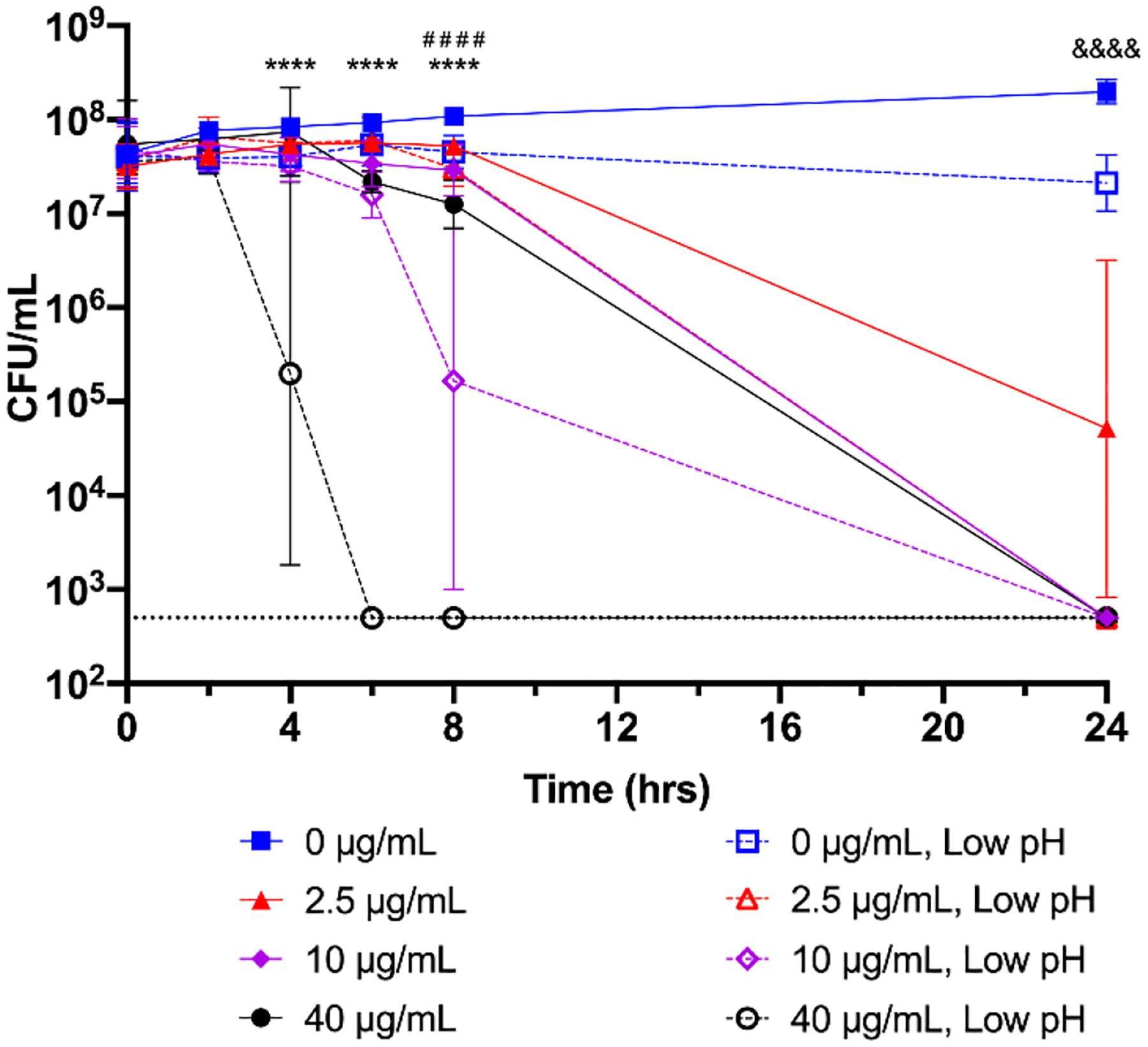
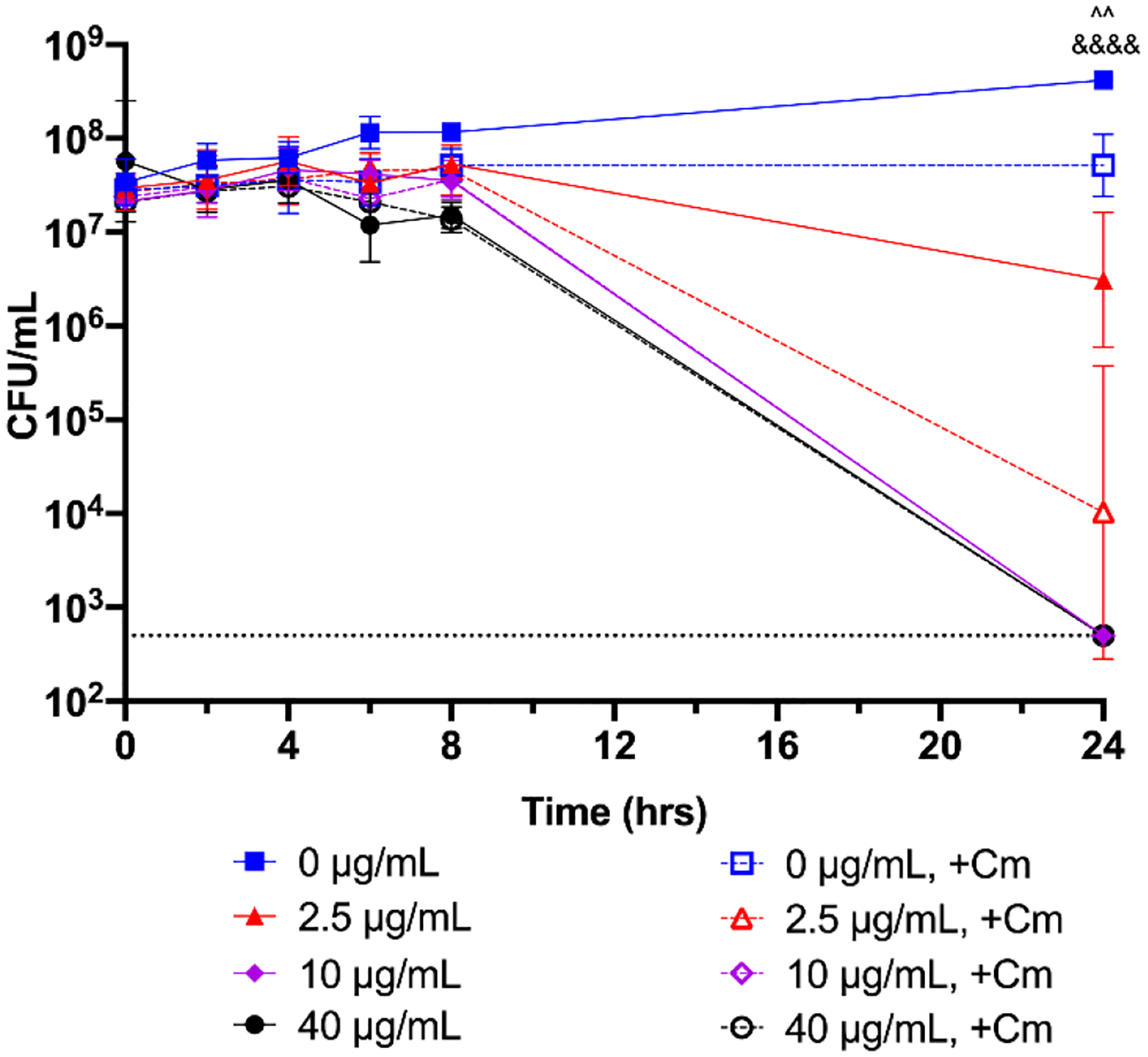
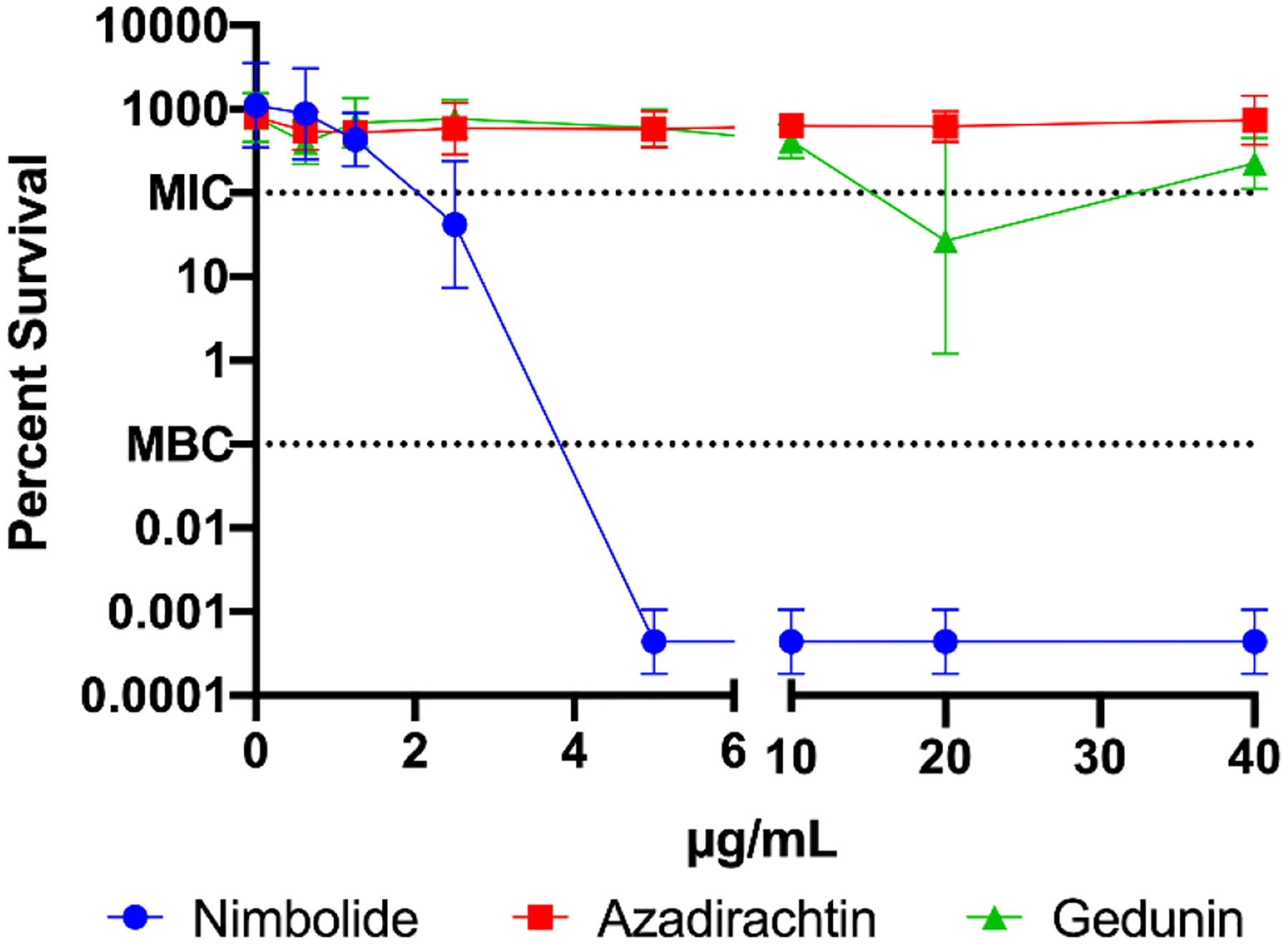
Azadirachtin, gedunin, and nimbolide, which are all common in neem extracts, were tested for antimicrobial activity; the minimum inhibitory concentration (MIC) and minimum bactericidal concentration (MBC) were determined for nine strains of H. pylori. The specific properties of nimbolide were further characterized against H. pylori strain G27. Bactericidal kinetics, reversibility, effectiveness at low pH, and activity under bacteriostatic conditions were examined. The hemolytic activity of nimbolide was also measured. Finally, neem oil extract and nimbolide effectiveness against H. pylori biofilms were examined in comparison to common antibiotics used to treat H. pylori infection.
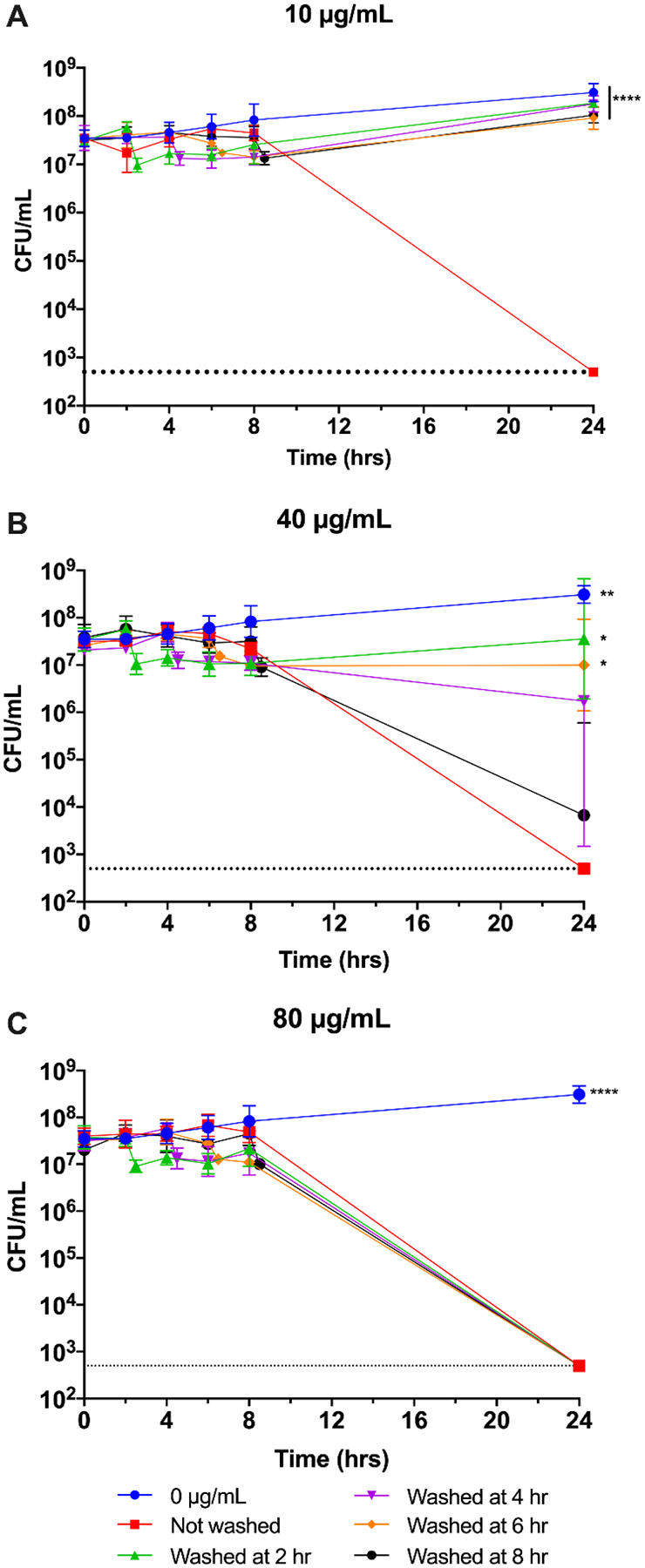
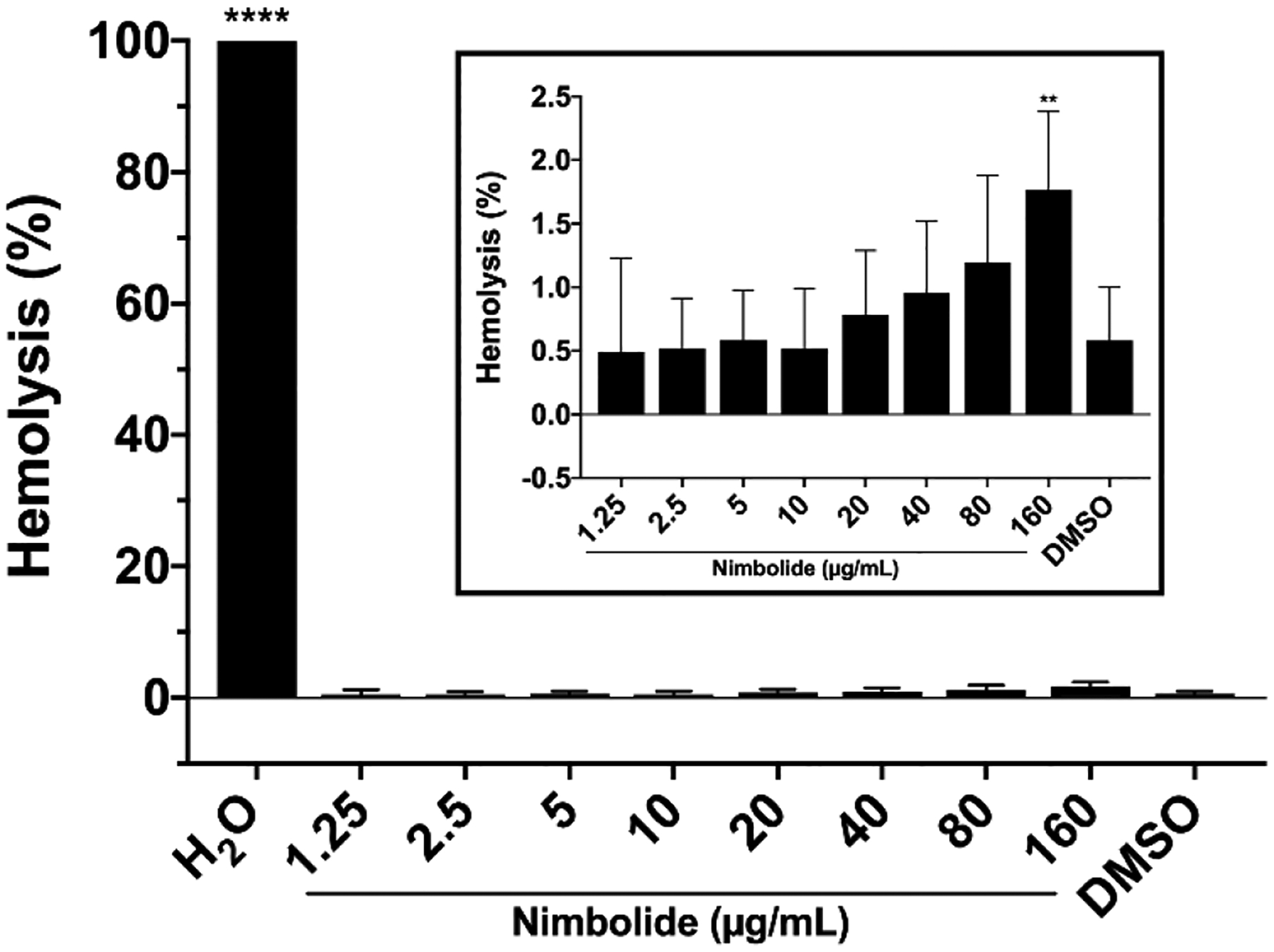
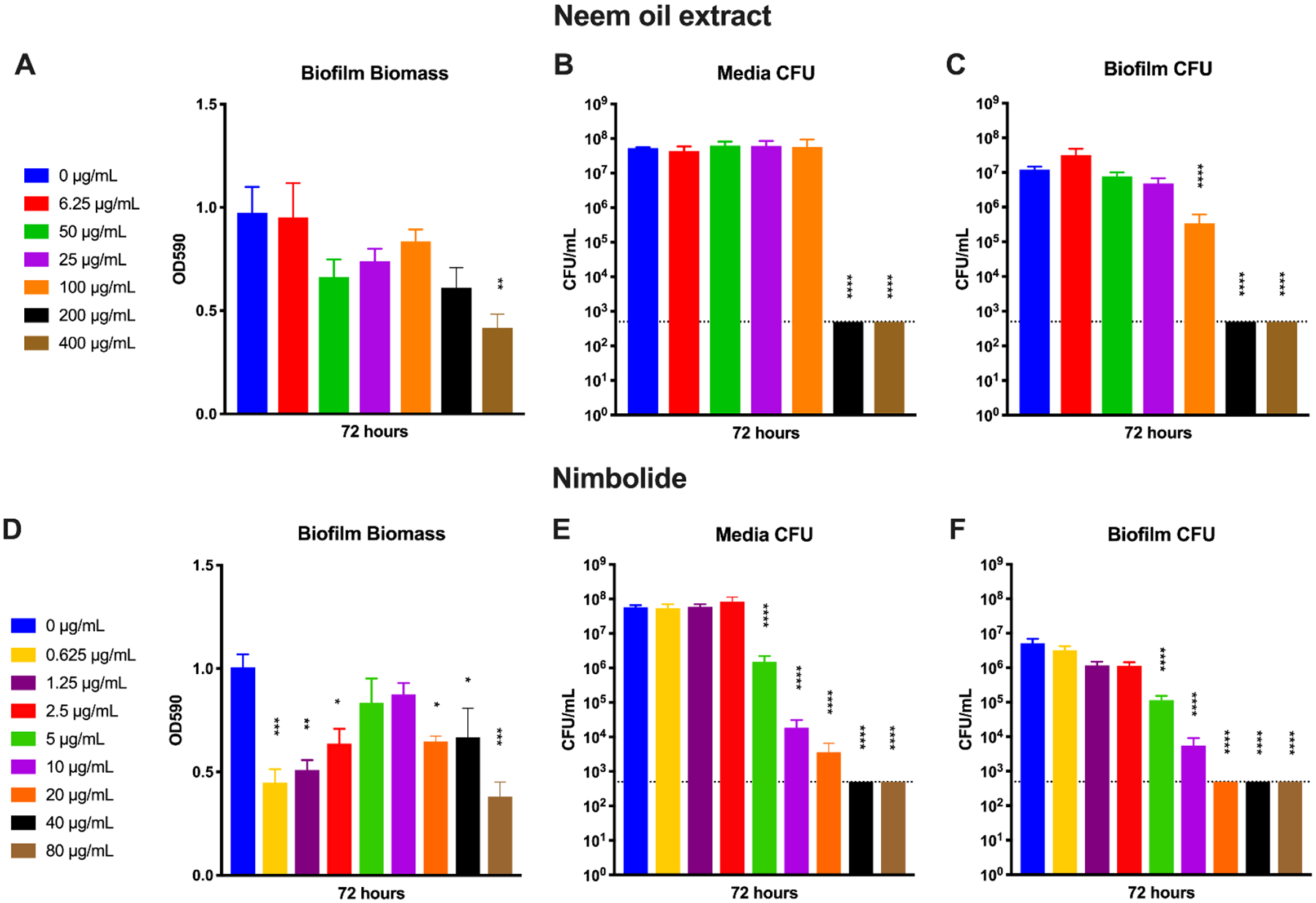
Nimbolide, but not azadirachtin or gedunin, was effective against H. pylori; MICs and MBCs against the nine tested strains ranged between 1.25-5 μg/mL and 2.5-10 μg/mL, respectively. Additionally, neem oil extract and nimbolide were both effective against H. pylori biofilms. Nimbolide exhibited no significant hemolytic activity at biologically relevant concentrations. The bactericidal activity of nimbolide was time- and dose-dependent, independent of active H. pylori growth, and synergistic with low pH. Furthermore, nimbolide-mediated H. pylori cell death was irreversible after exposure to high nimbolide concentrations (80 μg/mL, after 2 h of exposure time and 40 μg/mL after 8 h of exposure).
Nimbolide has significant bactericidal activity against H. pylori, killing both free living bacterial cells as well as cells within a biofilm. Furthermore, the lack of hemolytic activity, synergistic activity at low pH and bactericidal properties even against bacteria in a state of growth arrest are all ideal pharmacological and biologically relevant properties for a potential new agent. This study underscores the potential of neem oil extract or nimbolide to be used as a future treatment for H. pylori infection.
印苦楝内酯是从楝树(印楝 A. Juss)中分离出的数百种植物化学物质之一。作为原产于印度次大陆的常绿乔木,楝树的成分在传统医学中已经使用了数千年,用于治疗牙齿、胃肠道、尿道和血液相关疾病、溃疡、头痛、胃灼热和糖尿病。在现代,从楝树中提取的天然油和提取物已被发现对多种微生物具有活性,包括人类病原体。
幽门螺杆菌是一种普遍存在的胃病原体,其抗生素耐药性呈上升趋势。因此,人们对治疗慢性感染的新型疗法的需求日益增加。先前已经对印楝油提取物对幽门螺杆菌的体外活性进行了表征,发现其具有杀菌作用。鉴于印楝油提取物中存在许多植物化学物质,本研究旨在确定并表征对幽门螺杆菌具有杀菌活性的特定化合物。
对植物碱、 吉登宁和印苦楝内酯进行了抗菌活性测试;测定了 9 株幽门螺杆菌的最小抑菌浓度(MIC)和最小杀菌浓度(MBC)。进一步研究了印苦楝内酯对幽门螺杆菌 G27 株的杀菌动力学、可逆性、低 pH 值下的有效性和抑菌条件下的活性。还测量了印苦楝内酯的溶血活性。最后,与用于治疗幽门螺杆菌感染的常用抗生素相比,比较了印楝油提取物和印苦楝内酯对幽门螺杆菌生物膜的效果。
印苦楝内酯而非植物碱或吉登宁对幽门螺杆菌有效;MIC 和 MBC 对 9 株受试菌株的范围分别为 1.25-5μg/mL 和 2.5-10μg/mL。此外,印楝油提取物和印苦楝内酯对幽门螺杆菌生物膜均有效。在生物相关浓度下,印苦楝内酯无明显溶血活性。印苦楝内酯的杀菌活性与时间和剂量有关,与幽门螺杆菌的活性生长无关,与低 pH 值协同作用。此外,在暴露于高浓度印苦楝内酯(暴露 2 小时后 80μg/mL,暴露 8 小时后 40μg/mL)后,印苦楝内酯介导的幽门螺杆菌细胞死亡是不可逆的。
印苦楝内酯对幽门螺杆菌具有显著的杀菌活性,既能杀死游离的细菌细胞,也能杀死生物膜中的细胞。此外,缺乏溶血活性、在低 pH 值下的协同作用以及即使在生长抑制状态下仍具有杀菌特性,这些都是潜在新药物理想的药理学和生物学相关特性。本研究强调了印楝油提取物或印苦楝内酯作为未来治疗幽门螺杆菌感染的潜在用途。