Diabetes Center, University of California, San Francisco, San Francisco, United States.
Center for Bioengineering and Tissue Regeneration, University of California, San Francisco, San Francisco, United States.
Elife. 2021 May 19;10:e67776. doi: 10.7554/eLife.67776.
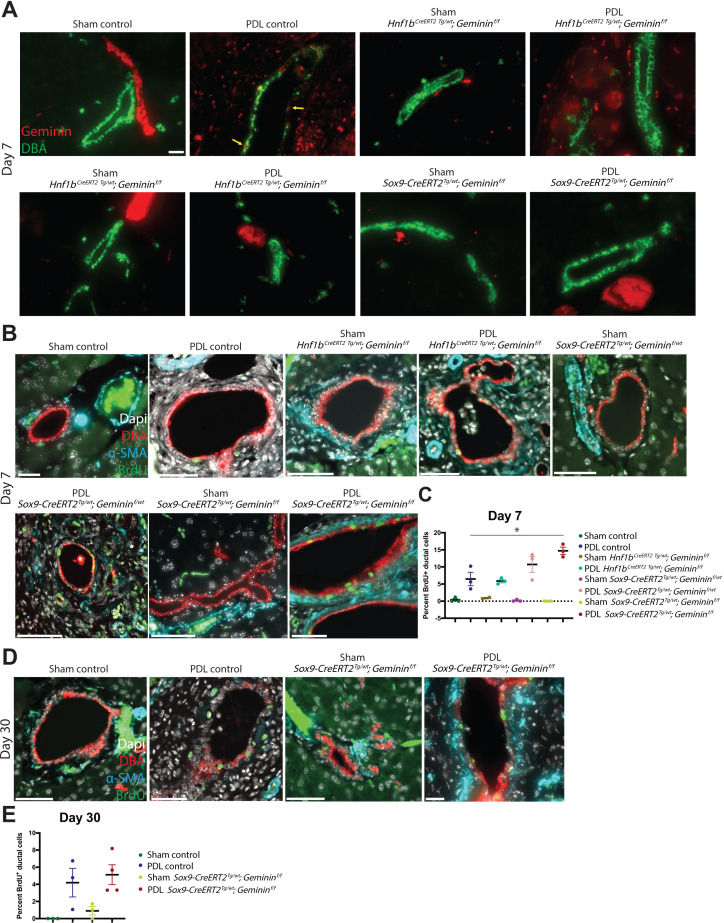
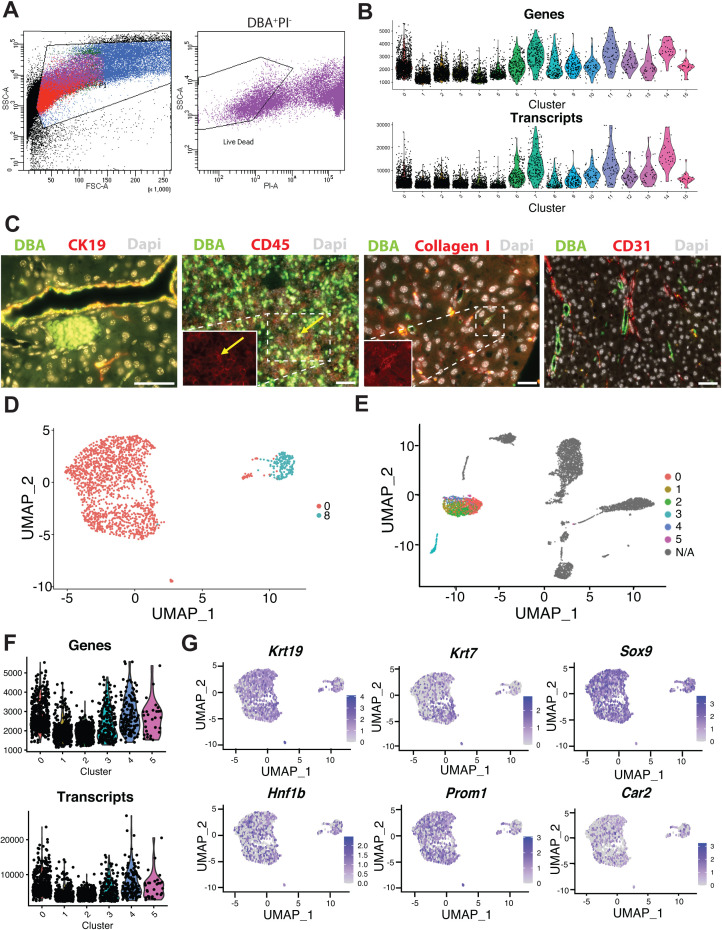
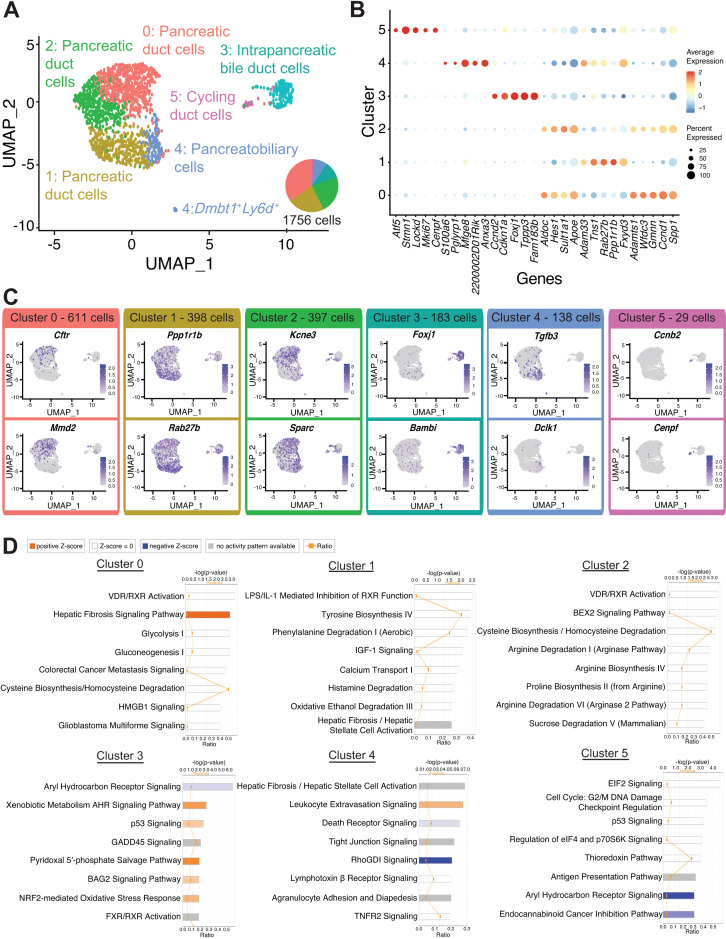
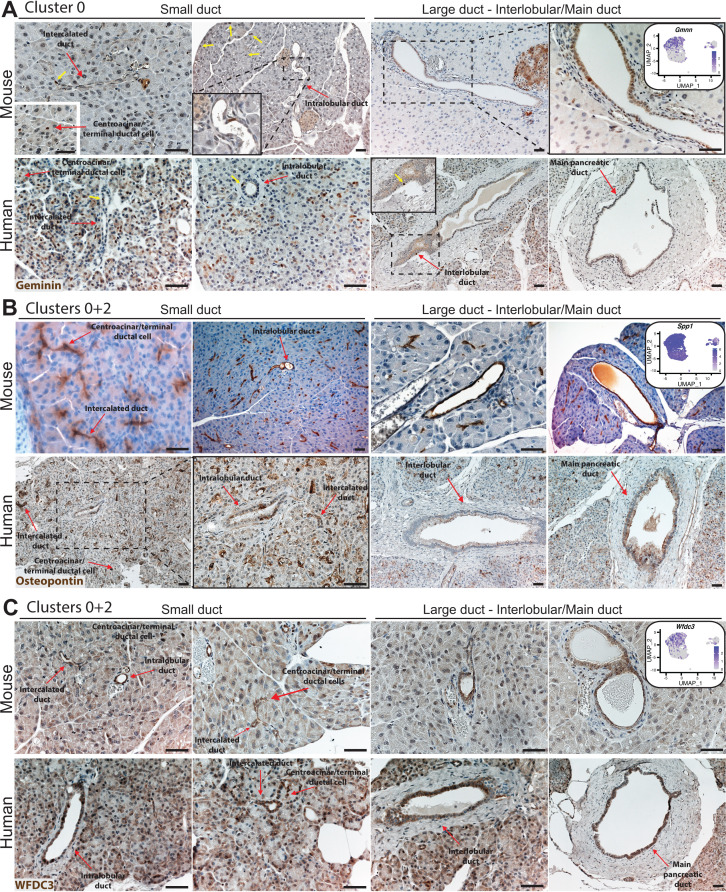
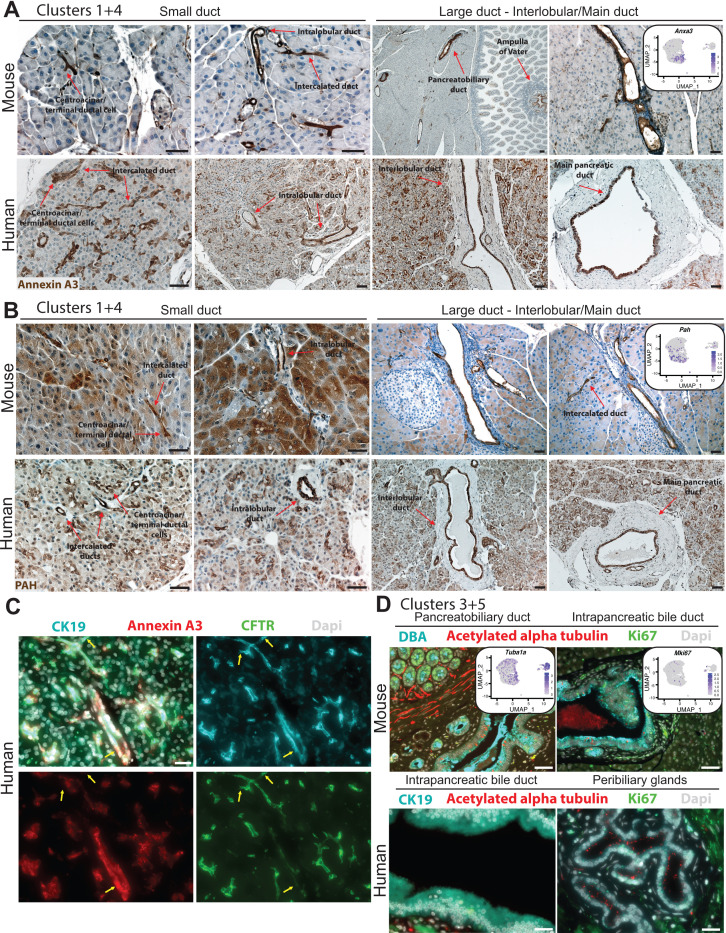
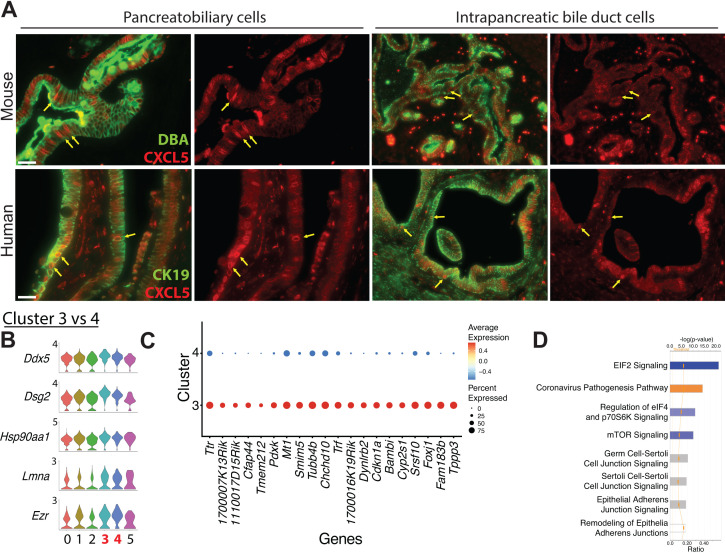
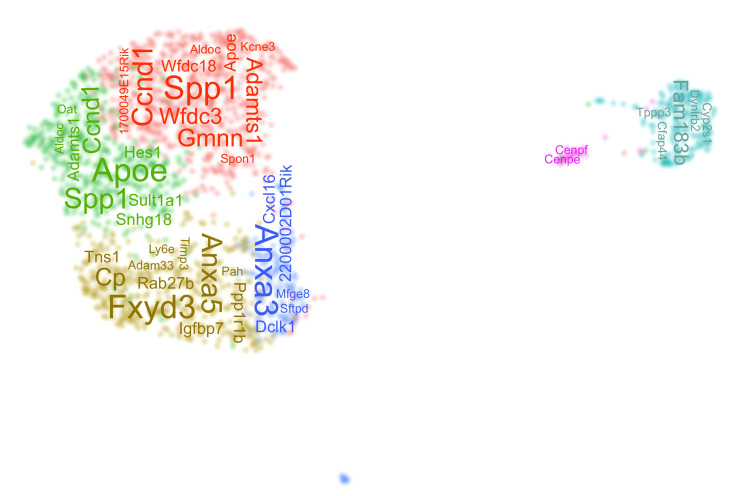
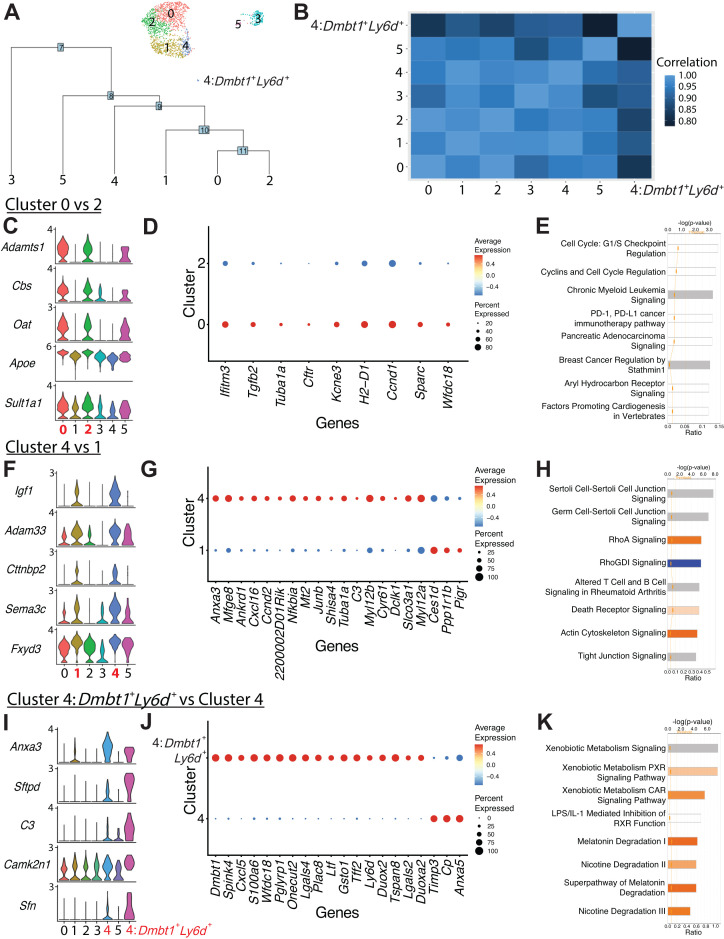
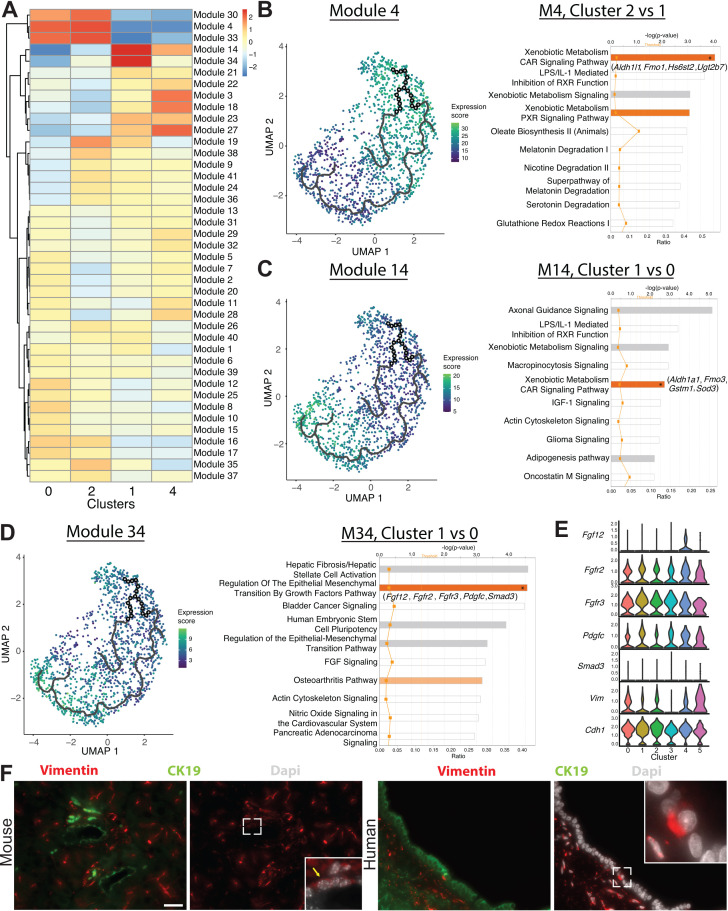
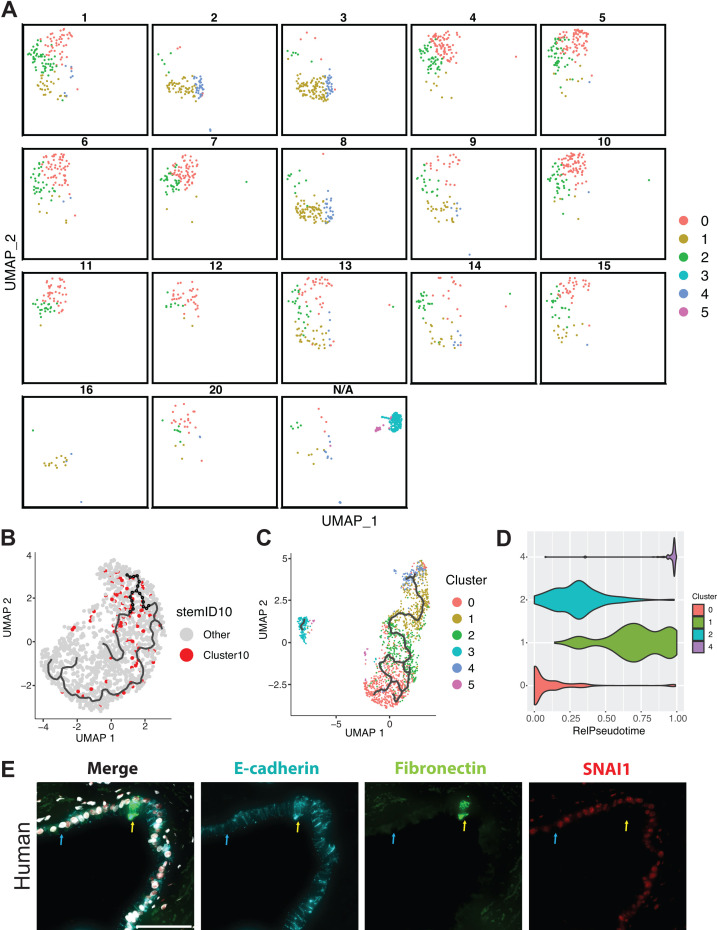
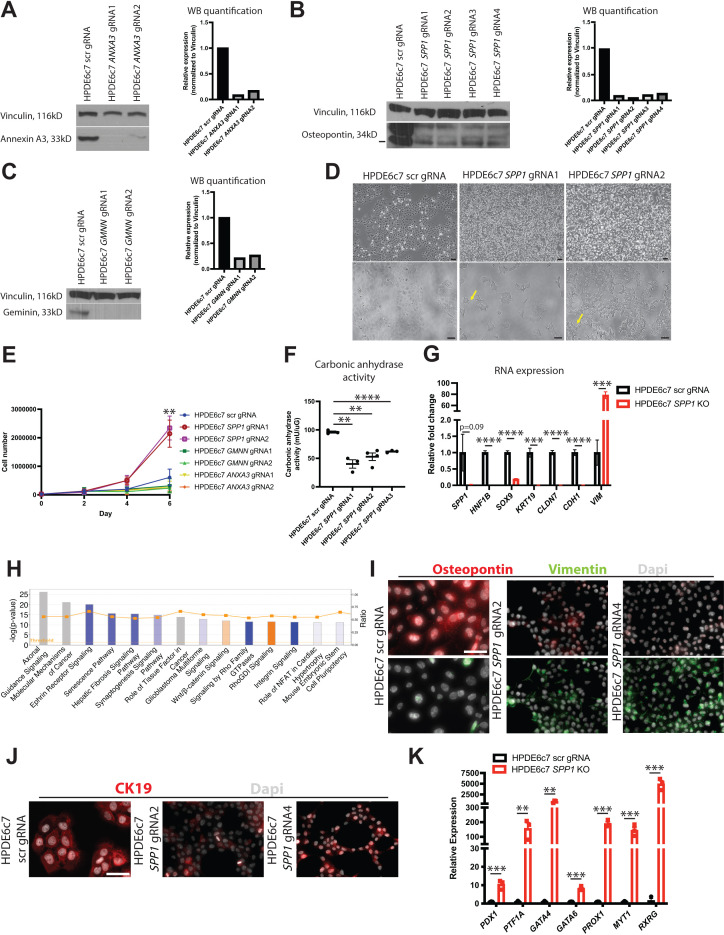
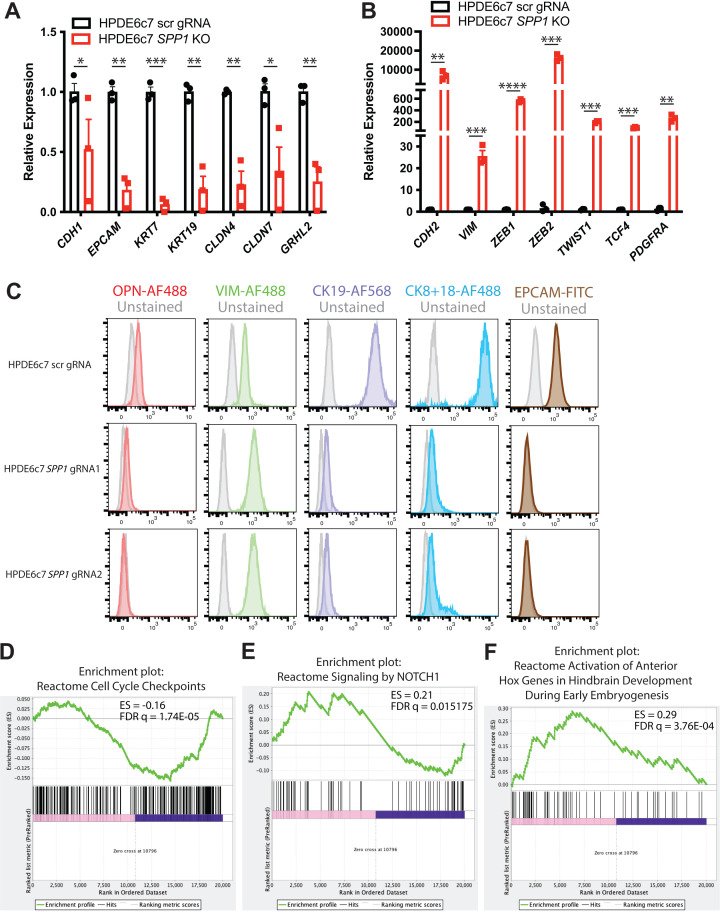
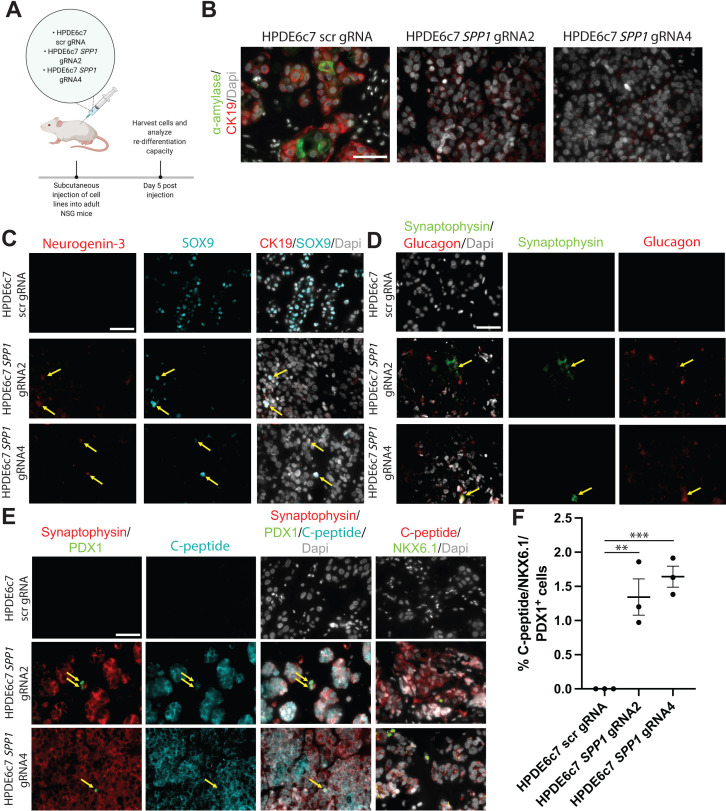
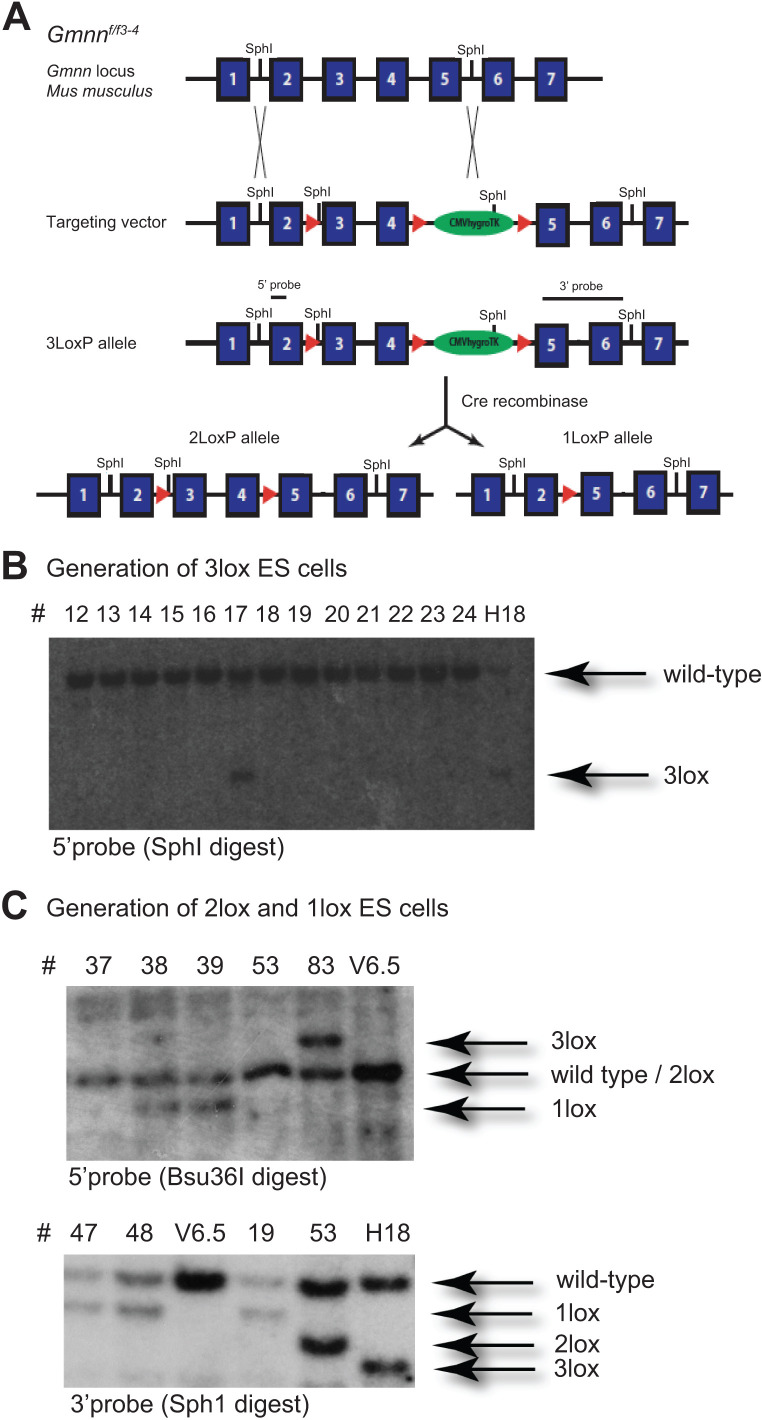
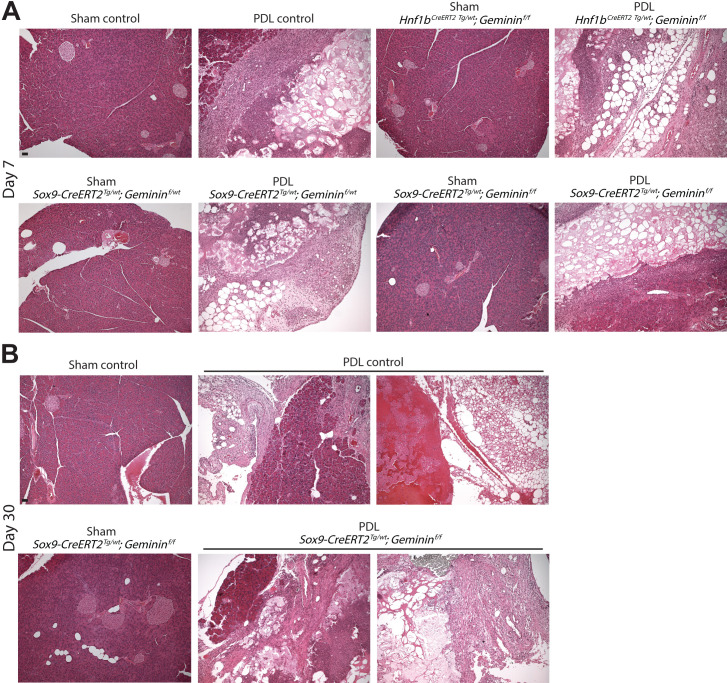
To study disease development, an inventory of an organ's cell types and understanding of physiologic function is paramount. Here, we performed single-cell RNA-sequencing to examine heterogeneity of murine pancreatic duct cells, pancreatobiliary cells, and intrapancreatic bile duct cells. We describe an epithelial-mesenchymal transitory axis in our three pancreatic duct subpopulations and identify osteopontin as a regulator of this fate decision as well as human duct cell dedifferentiation. Our results further identify functional heterogeneity within pancreatic duct subpopulations by elucidating a role for geminin in accumulation of DNA damage in the setting of chronic pancreatitis. Our findings implicate diverse functional roles for subpopulations of pancreatic duct cells in maintenance of duct cell identity and disease progression and establish a comprehensive road map of murine pancreatic duct cell, pancreatobiliary cell, and intrapancreatic bile duct cell homeostasis.
为了研究疾病的发展,了解器官的细胞类型和生理功能是至关重要的。在这里,我们进行了单细胞 RNA 测序,以研究小鼠胰腺导管细胞、胰胆管细胞和胰内胆管细胞的异质性。我们描述了我们的三个胰腺导管亚群中的上皮-间充质过渡轴,并确定骨桥蛋白是这种命运决定以及人胆管细胞去分化的调节剂。我们的研究结果还通过阐明在慢性胰腺炎中 geminin 在积累 DNA 损伤中的作用,进一步阐明了胰腺导管亚群内的功能异质性。我们的发现表明,胰腺导管细胞亚群在维持导管细胞特征和疾病进展方面具有不同的功能作用,并建立了小鼠胰腺导管细胞、胰胆管细胞和胰内胆管细胞稳态的综合路线图。