Habermann Felix A, Kaltner Herbert, Higuero Alonso M, García Caballero Gabriel, Ludwig Anna-Kristin, C Manning Joachim, Abad-Rodríguez José, Gabius Hans-Joachim
Institute of Anatomy, Histology and Embryology, Faculty of Veterinary Medicine, Ludwig-Maximilians-University Munich, Veterinärstr. 13, 80539 Munich, Germany.
Institute of Physiological Chemistry, Faculty of Veterinary Medicine, Ludwig-Maximilians-University Munich, Veterinärstr. 13, 80539 Munich, Germany.
Acta Histochem Cytochem. 2021 Apr 28;54(2):31-48. doi: 10.1267/ahc.21-00017. Epub 2021 Apr 17.
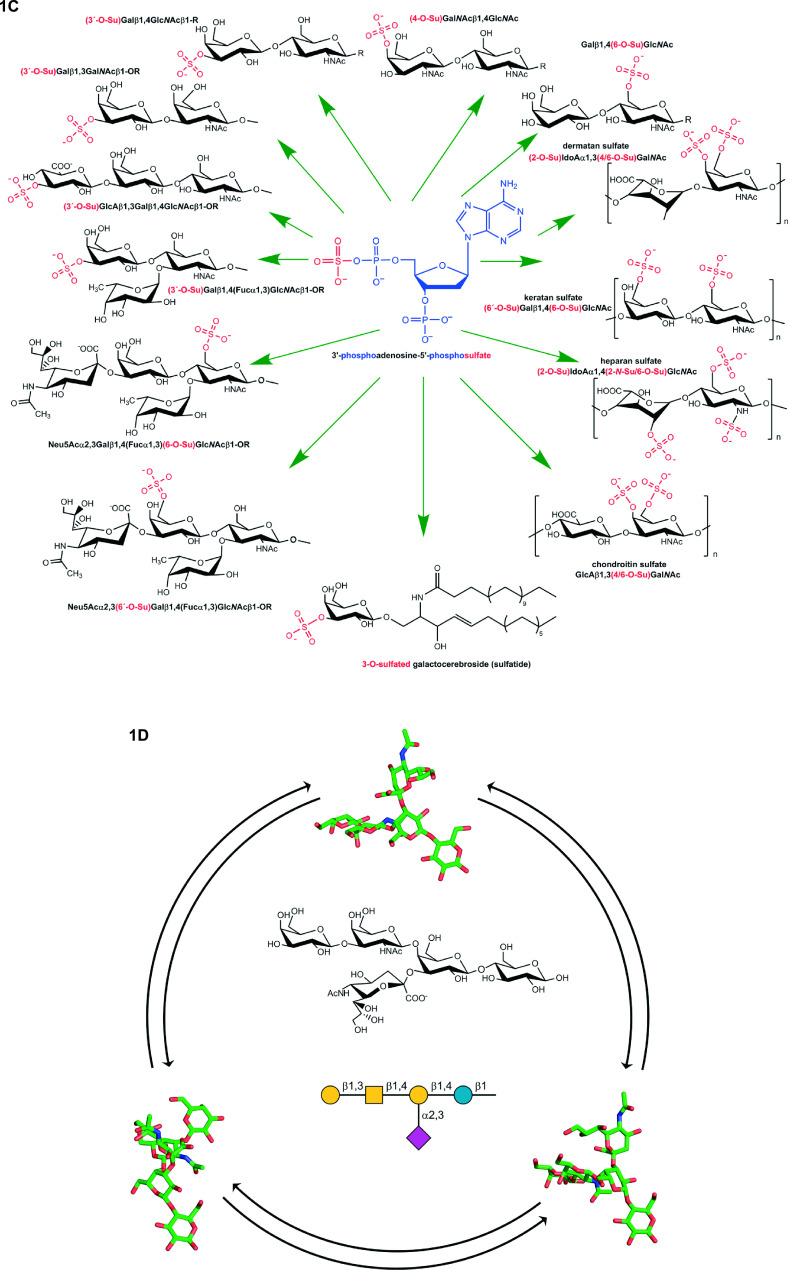
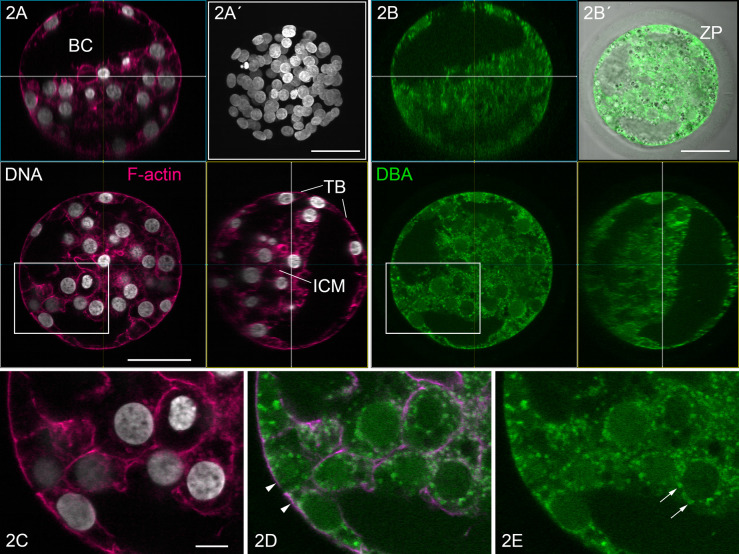
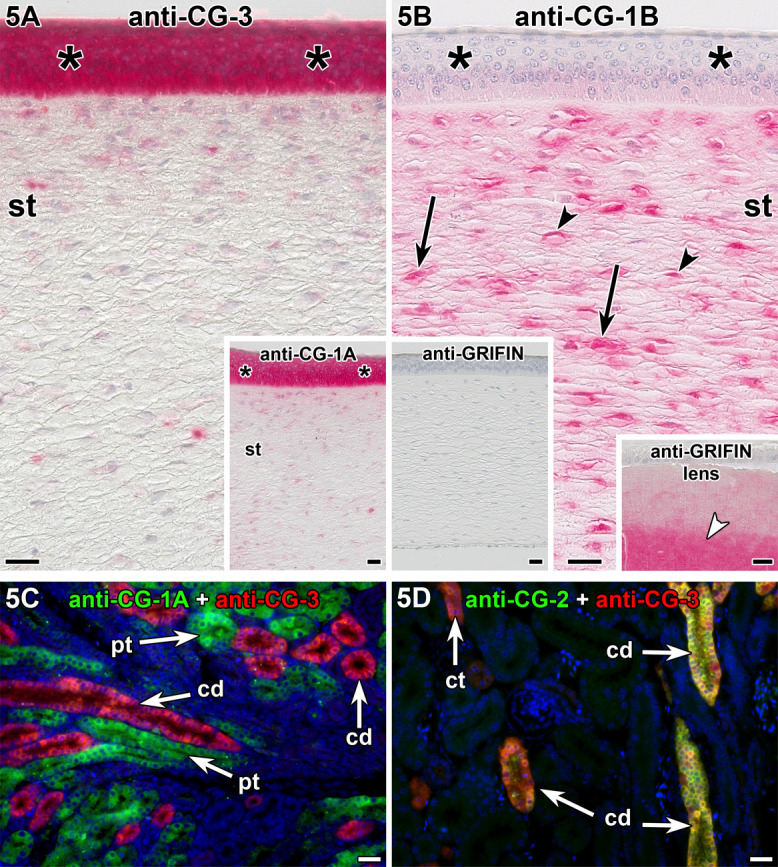
As letters form the vocabulary of a language, biochemical 'symbols' (the building blocks of oligo- and polymers) make writing molecular messages possible. Compared to nucleotides and amino acids, sugars have chemical properties that facilitate to reach an unsurpassed level of oligomer diversity. These glycans are a part of the ubiquitous cellular glycoconjugates. Cyto- and histochemically, the glycans' structural complexity is mapped by glycophenotyping of cells and tissues using receptors ('readers', thus called lectins), hereby revealing its dynamic spatiotemporal regulation: these data support the concept of a sugar code. When proceeding from work with plant (haem)agglutinins as such tools to the discovery of endogenous (tissue) lectins, it became clear that a broad panel of biological meanings can indeed be derived from the sugar-based vocabulary (the natural glycome incl. post-synthetic modifications) by glycan-lectin recognition . As consequence, the immunocyto- and histochemical analysis of lectin expression is building a solid basis for the steps toward tracking down functional correlations, for example in processes leading to cell adhesion, apoptosis, autophagy or growth regulation as well as targeted delivery of glycoproteins. Introduction of labeled tissue lectins to glycan profiling assists this endeavor by detecting counterreceptor(s) . Combining these tools and their applications strategically will help to take the trip toward the following long-range aim: to compile a dictionary for the glycan vocabulary that translates each message (oligosaccharide) into its bioresponse(s), that is to crack the sugar code.
正如字母构成语言的词汇一样,生化“符号”(寡聚物和聚合物的组成部分)使书写分子信息成为可能。与核苷酸和氨基酸相比,糖类具有的化学性质有助于实现寡聚物多样性达到无与伦比的水平。这些聚糖是普遍存在的细胞糖缀合物的一部分。在细胞化学和组织化学方面,通过使用受体(因此称为凝集素的“读取器”)对细胞和组织进行糖型分析来描绘聚糖的结构复杂性,从而揭示其动态时空调节:这些数据支持糖代码的概念。当从使用植物(血)凝集素作为此类工具的工作进展到发现内源性(组织)凝集素时,很明显,通过聚糖-凝集素识别,确实可以从基于糖的词汇(包括合成后修饰的天然糖组)中衍生出广泛的生物学意义。因此,凝集素表达的免疫细胞化学和组织化学分析为追踪功能相关性的步骤奠定了坚实基础,例如在导致细胞粘附、凋亡、自噬或生长调节以及糖蛋白靶向递送的过程中。将标记的组织凝集素引入聚糖谱分析通过检测反受体有助于这一努力。战略性地结合这些工具及其应用将有助于朝着以下长期目标迈进:编纂一本聚糖词汇词典,将每条信息(寡糖)转化为其生物反应,即破解糖代码。