Abubakar Murtala Bello, Usman Dawoud, El-Saber Batiha Gaber, Cruz-Martins Natália, Malami Ibrahim, Ibrahim Kasimu Ghandi, Abubakar Bilyaminu, Bello Muhammad Bashir, Muhammad Aliyu, Gan Siew Hua, Dabai Aliyu Ibrahim, Alblihed M, Ghosh Arabinda, Badr Reem H, Thangadurai Devarajan, Imam Mustapha Umar
Department of Physiology, Faculty of Basic Medical Sciences, College of Health Sciences, Usmanu Danfodiyo University, Sokoto, Nigeria.
Centre for Advanced Medical Research and Training, Usmanu Danfodiyo University, Sokoto, Nigeria.
Front Pharmacol. 2021 May 3;12:629935. doi: 10.3389/fphar.2021.629935. eCollection 2021.
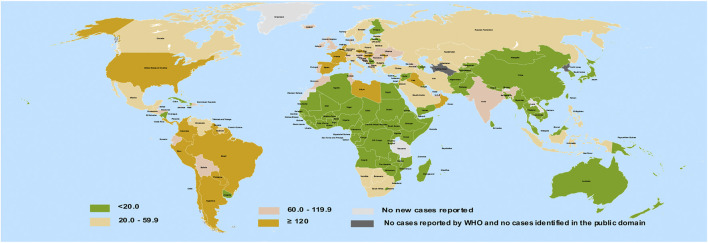
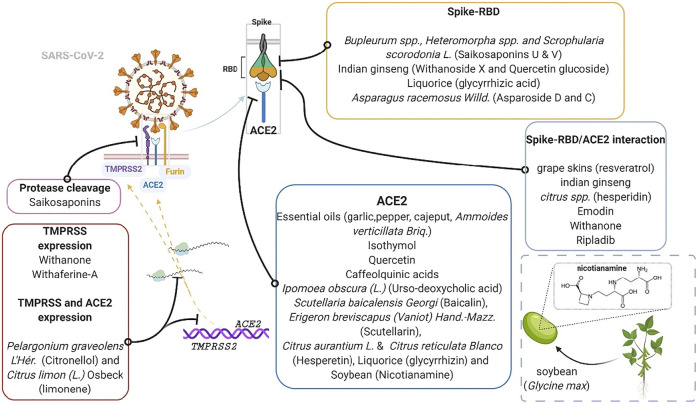
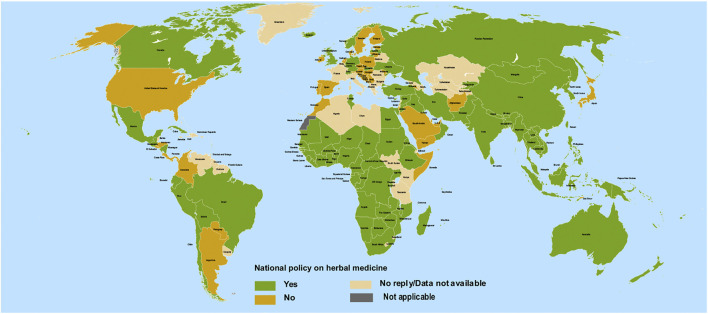
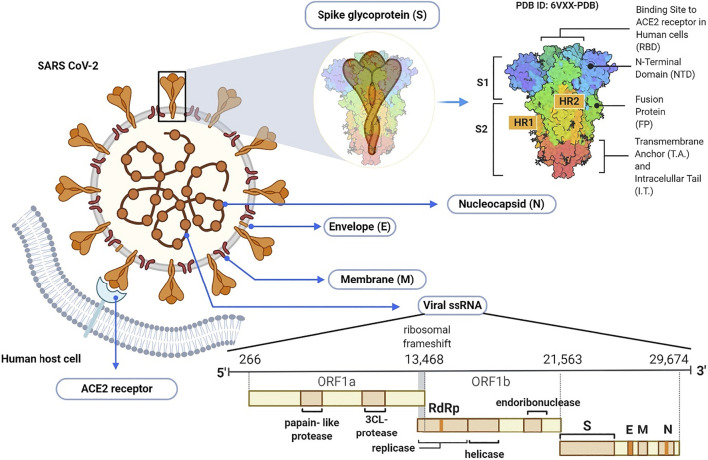
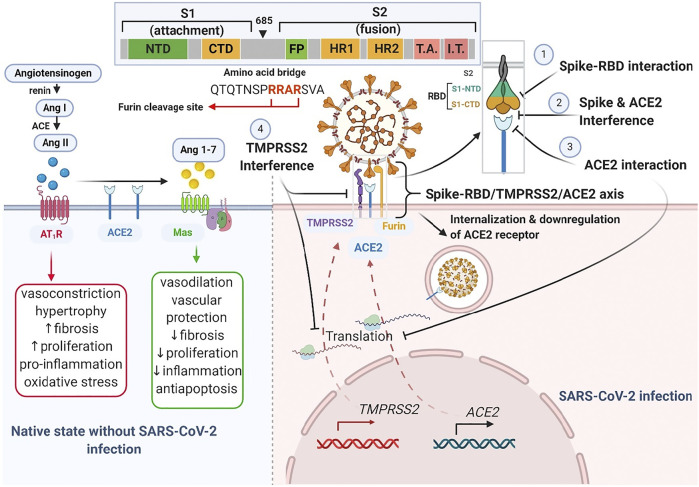
The 2019 coronavirus disease (COVID-19) is a potentially fatal multisystemic infection caused by the severe acute respiratory syndrome coronavirus-2 (SARS-CoV-2). Currently, viable therapeutic options that are cost effective, safe and readily available are desired, but lacking. Nevertheless, the pandemic is noticeably of lesser burden in African and Asian regions, where the use of traditional herbs predominates, with such relationship warranting a closer look at ethnomedicine. From a molecular viewpoint, the interaction of SARS-CoV-2 with angiotensin converting enzyme 2 (ACE2) is the crucial first phase of COVID-19 pathogenesis. Here, we review plants with medicinal properties which may be implicated in mitigation of viral invasion either via direct or indirect modulation of ACE2 activity to ameliorate COVID-19. Selected ethnomedicinal plants containing bioactive compounds which may prevent and mitigate the fusion and entry of the SARS-CoV-2 by modulating ACE2-associated up and downstream events are highlighted. Through further experimentation, these plants could be supported for ethnobotanical use and the phytomedicinal ligands could be potentially developed into single or combined preventive therapeutics for COVID-19. This will benefit researchers actively looking for solutions from plant bioresources and help lessen the burden of COVID-19 across the globe.
2019冠状病毒病(COVID-19)是由严重急性呼吸综合征冠状病毒2(SARS-CoV-2)引起的一种潜在致命的多系统感染。目前,人们期望有经济有效、安全且易于获得的可行治疗选择,但目前尚缺。然而,在以使用传统草药为主的非洲和亚洲地区,该大流行病的负担明显较轻,这种关系值得对民族医学进行更深入的研究。从分子角度来看,SARS-CoV-2与血管紧张素转换酶2(ACE2)的相互作用是COVID-19发病机制的关键第一阶段。在此,我们综述具有药用特性的植物,这些植物可能通过直接或间接调节ACE2活性来减轻病毒入侵,从而改善COVID-19病情。重点介绍了一些含有生物活性化合物的民族药用植物,这些化合物可能通过调节与ACE2相关的上下游事件来预防和减轻SARS-CoV-2的融合与进入。通过进一步实验,这些植物可被支持用于民族植物学用途,其植物药用配体有可能被开发成针对COVID-19的单一或联合预防性治疗药物。这将使积极从植物生物资源中寻找解决方案的研究人员受益,并有助于减轻全球范围内COVID-19的负担。