Zhang Tuo, Sun Beibei, Zhong Chenxi, Xu Ke, Wang Zhexin, Hofman Paul, Nagano Tatsuya, Legras Antoine, Breadner Daniel, Ricciuti Biagio, Divisi Duilio, Schmid Ralph A, Peng Ren-Wang, Yang Haitang, Yao Feng
Department of Thoracic Surgery, Shanghai Chest Hospital, Shanghai Jiao Tong University, Shanghai, China.
Institute for Thoracic Oncology, Shanghai Chest Hospital, Shanghai Jiao Tong University, Shanghai, China.
Transl Lung Cancer Res. 2021 Apr;10(4):1857-1872. doi: 10.21037/tlcr-21-303.
Intrinsic or acquired resistance to epidermal growth factor receptor-tyrosine kinase inhibitors (EGFR-TKIs) is common, thus strategies for the management of EGFR-TKIs resistance are urgently required. Ferroptosis is a recently discovered form of cell death that has been implicated in tumorigenesis and resistance treatment. Accumulating evidence suggests that ferroptosis can be therapeutically exploited for the treatment of solid tumors; however, whether ferroptosis can be targeted to treat mutant lung cancer and/or overcome the resistance to EGFR-TKIs is still unknown.
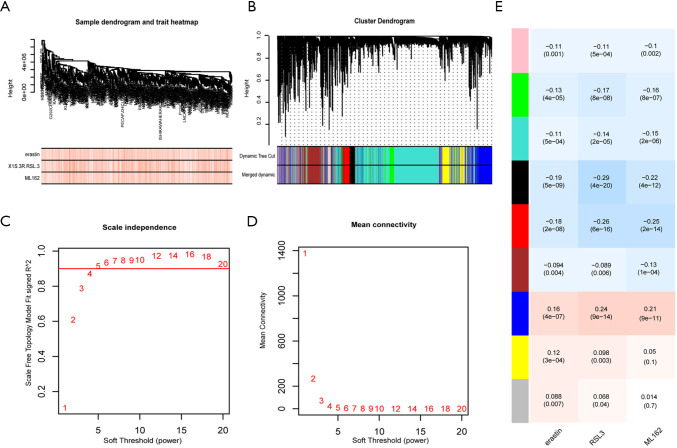
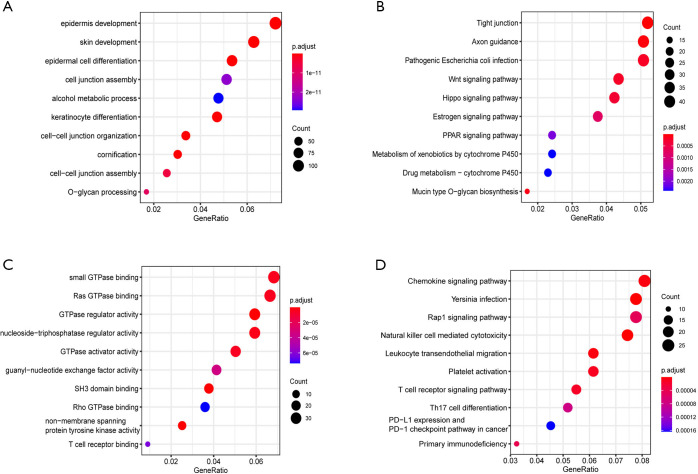
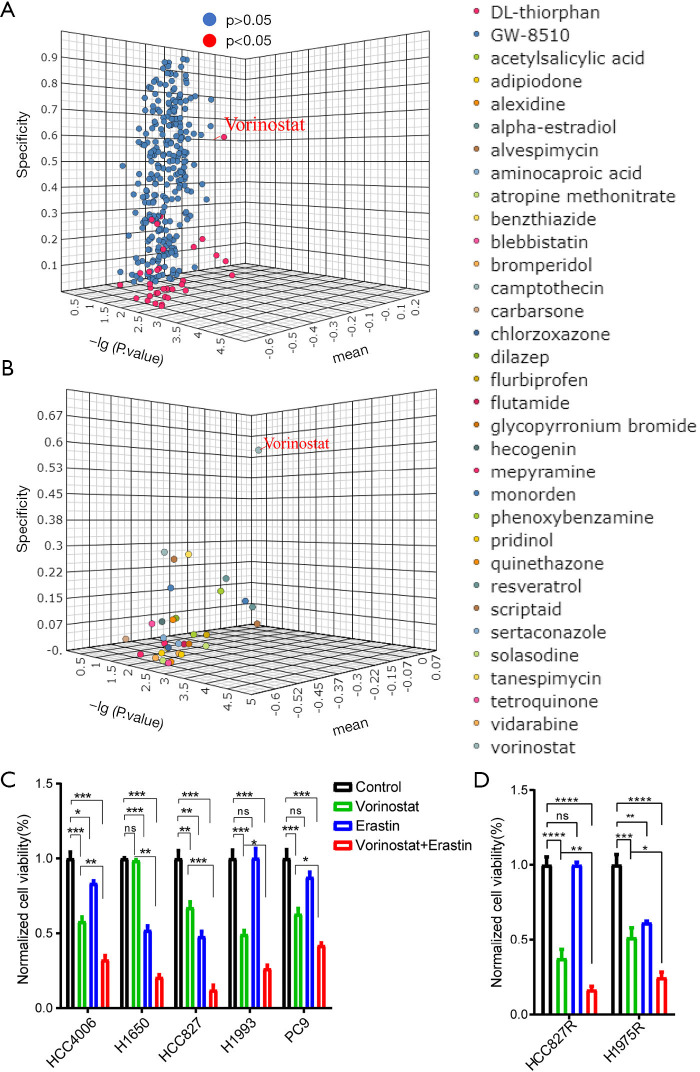
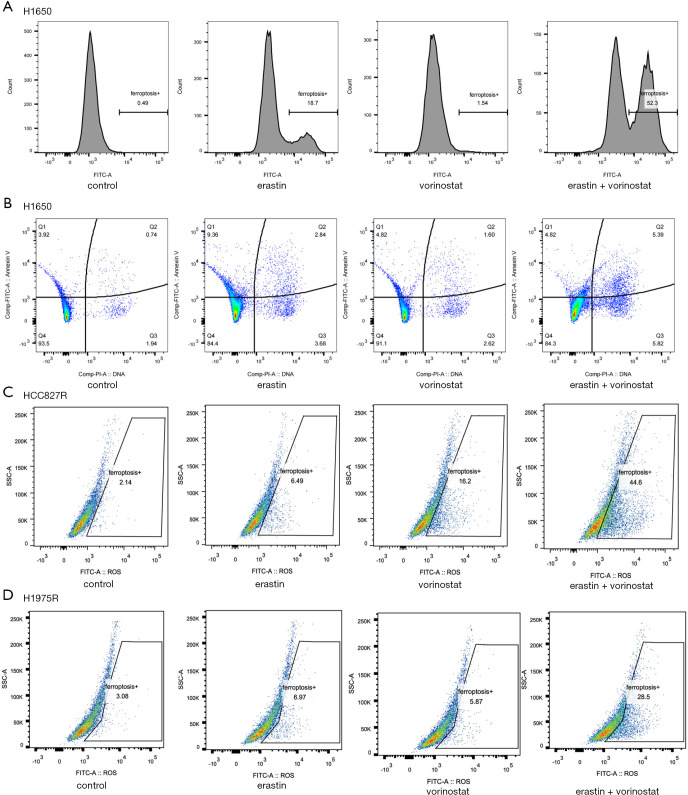
The effect of ferroptosis inducers on a panel of mutant lung cancer cell lines, including those with EGFR-TKI intrinsic and acquired (generated by long-term exposure to the third-generation EGFR-TKI osimertinib), was determined using cytotoxicity assays. Further, drug candidates to enhance the effect of ferroptosis inducers were screened through implementing WGCNA (weighted gene co-expression network analysis) and CMAP (connectivity map) analysis. Flow cytometry-based apoptosis and lipid hydroperoxides measurement were used to evaluate the cell fates after treatment.
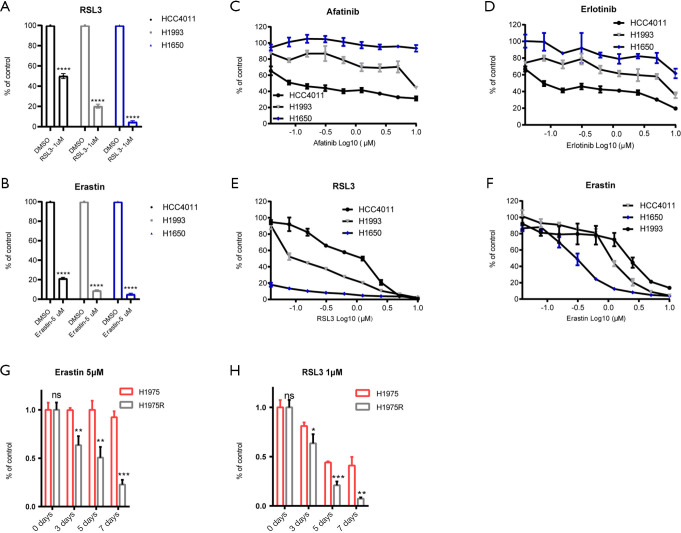
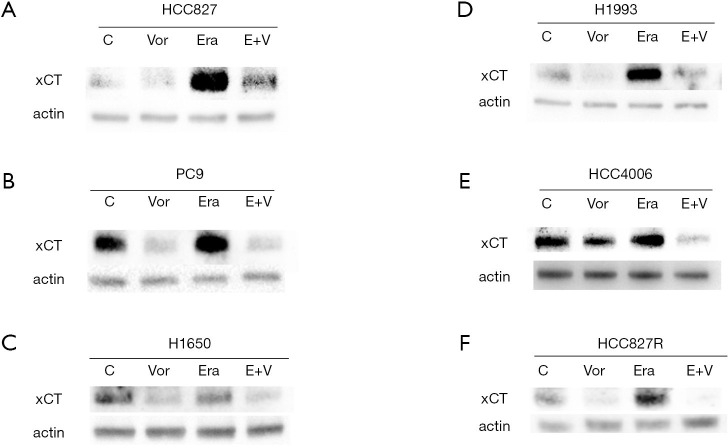
Compared with EGFR-TKI-sensitive cells, those with intrinsic or acquired resistance to EGFR-TKI display high sensitivity to ferroptosis inducers. In addition, Vorinostat, a clinically used inhibitor targeting histone deacetylase, can robustly enhance the efficacy of ferroptosis inducers, leading to a dramatic increase of hydroperoxides in mutant lung cancer cells with intrinsic or acquired resistance to EGFR-TKI. Mechanistically, Vorinostat promotes ferroptosis via xCT downregulation.
Ferroptosis-inducing therapy shows promise in -activating mutant lung cancer cells that display intrinsic or acquired resistance to EGFR-TKI. Histone deacetylase inhibitor (HDACi) Vorinostat can further promote ferroptosis by inhibiting xCT expression.
对表皮生长因子受体酪氨酸激酶抑制剂(EGFR-TKIs)的内在或获得性耐药很常见,因此迫切需要应对EGFR-TKIs耐药的管理策略。铁死亡是最近发现的一种细胞死亡形式,与肿瘤发生和耐药治疗有关。越来越多的证据表明,铁死亡可用于实体瘤的治疗;然而,铁死亡是否可用于治疗突变型肺癌和/或克服对EGFR-TKIs的耐药性仍不清楚。
使用细胞毒性试验确定铁死亡诱导剂对一组突变型肺癌细胞系的作用,包括那些具有EGFR-TKI内在耐药性和获得性耐药性(通过长期暴露于第三代EGFR-TKI奥希替尼产生)的细胞系。此外,通过实施加权基因共表达网络分析(WGCNA)和连接性图谱分析(CMAP)筛选增强铁死亡诱导剂作用的候选药物。基于流式细胞术的凋亡和脂质氢过氧化物测量用于评估治疗后的细胞命运。
与EGFR-TKI敏感细胞相比,对EGFR-TKI具有内在或获得性耐药性的细胞对铁死亡诱导剂表现出高敏感性。此外,伏立诺他是一种临床上使用的靶向组蛋白脱乙酰酶的抑制剂,可以显著增强铁死亡诱导剂的疗效,导致对EGFR-TKI具有内在或获得性耐药性的突变型肺癌细胞中的氢过氧化物显著增加。机制上,伏立诺他通过下调xCT促进铁死亡。
铁死亡诱导疗法在使对EGFR-TKI具有内在或获得性耐药性的突变型肺癌细胞失活方面显示出前景。组蛋白脱乙酰酶抑制剂(HDACi)伏立诺他可通过抑制xCT表达进一步促进铁死亡。