Centre for Molecular Medicine and Innovative Therapeutics, Health Futures Institute, Murdoch University, Perth, Western Australia, Australia.
Perron Institute for Neurological and Translational Science, Centre for Neuromuscular and Neurological Disorders, The University of Western Australia, Perth, Western Australia, Australia.
Transl Neurodegener. 2021 May 20;10(1):16. doi: 10.1186/s40035-021-00240-7.
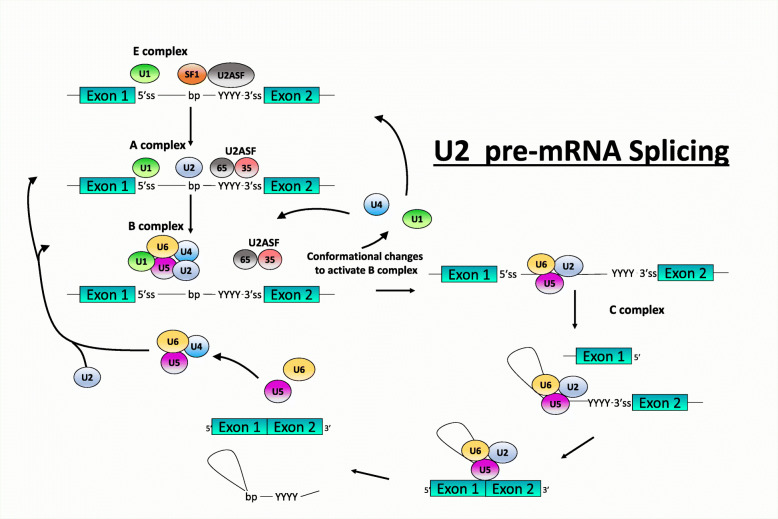
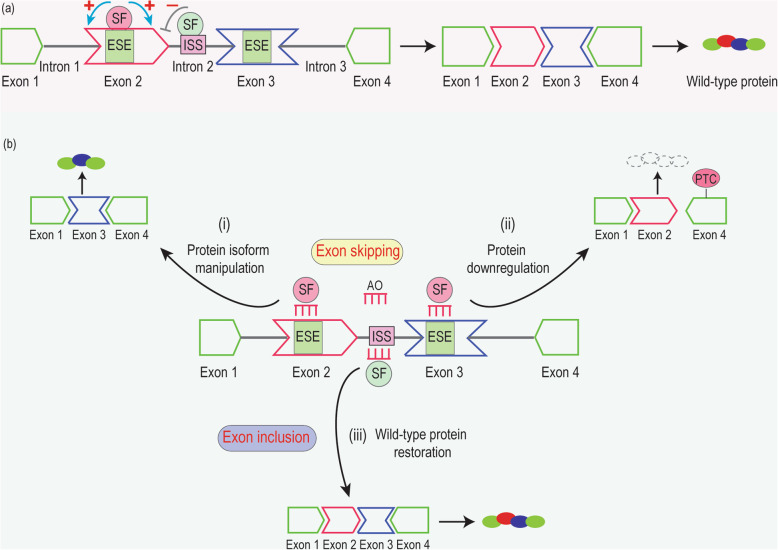
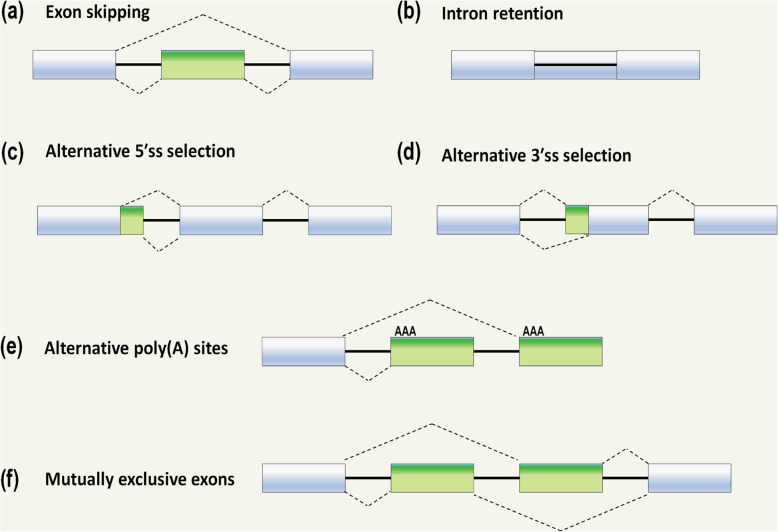
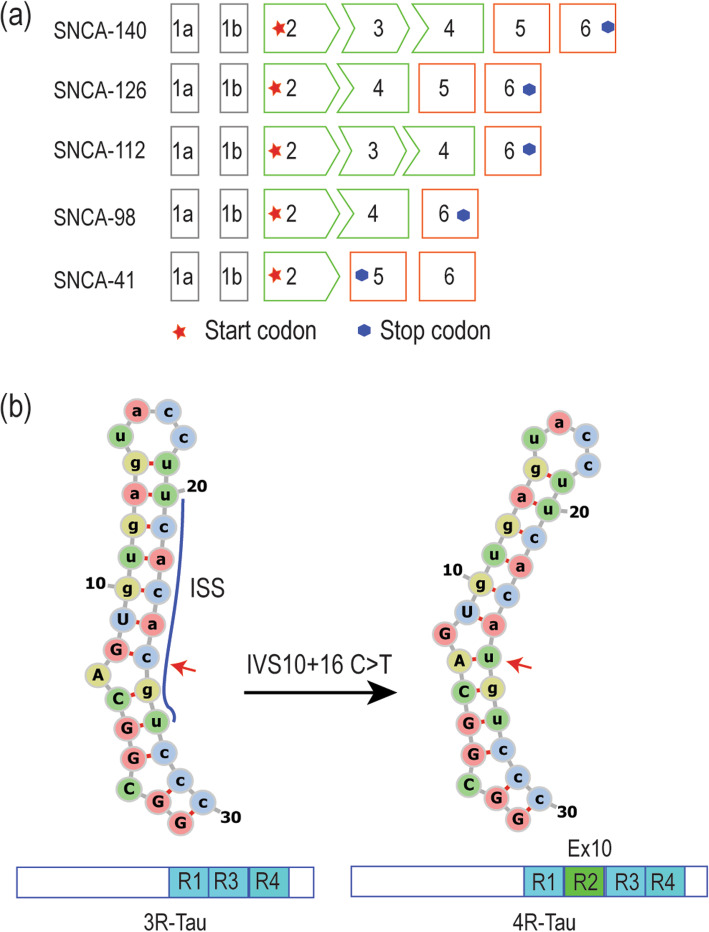
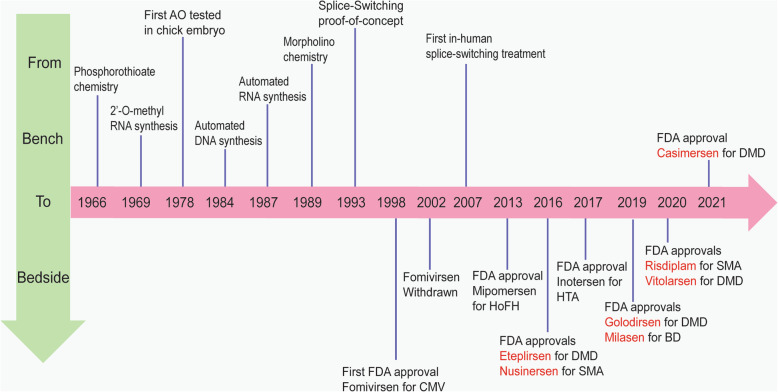
Precursor messenger RNA (pre-mRNA) splicing is a fundamental step in eukaryotic gene expression that systematically removes non-coding regions (introns) and ligates coding regions (exons) into a continuous message (mature mRNA). This process is highly regulated and can be highly flexible through a process known as alternative splicing, which allows for several transcripts to arise from a single gene, thereby greatly increasing genetic plasticity and the diversity of proteome. Alternative splicing is particularly prevalent in neuronal cells, where the splicing patterns are continuously changing to maintain cellular homeostasis and promote neurogenesis, migration and synaptic function. The continuous changes in splicing patterns and a high demand on many cis- and trans-splicing factors contribute to the susceptibility of neuronal tissues to splicing defects. The resultant neurodegenerative diseases are a large group of disorders defined by a gradual loss of neurons and a progressive impairment in neuronal function. Several of the most common neurodegenerative diseases involve some form of splicing defect(s), such as Alzheimer's disease, Parkinson's disease and spinal muscular atrophy. Our growing understanding of RNA splicing has led to the explosion of research in the field of splice-switching antisense oligonucleotide therapeutics. Here we review our current understanding of the effects alternative splicing has on neuronal differentiation, neuronal migration, synaptic maturation and regulation, as well as the impact on neurodegenerative diseases. We will also review the current landscape of splice-switching antisense oligonucleotides as a therapeutic strategy for a number of common neurodegenerative disorders.
前体信使 RNA(pre-mRNA)剪接是真核生物基因表达的一个基本步骤,它系统地去除非编码区(内含子)并将编码区(外显子)连接成连续的信息(成熟的 mRNA)。这个过程受到高度调控,通过一种称为选择性剪接的过程可以高度灵活,该过程允许从单个基因产生几个转录本,从而大大增加遗传可塑性和蛋白质组的多样性。选择性剪接在神经元细胞中尤为普遍,其中剪接模式不断变化以维持细胞内稳态并促进神经发生、迁移和突触功能。剪接模式的持续变化和对许多顺式和反式剪接因子的高需求导致神经元组织对剪接缺陷敏感。由此产生的神经退行性疾病是一大类由神经元逐渐丧失和神经元功能逐渐受损定义的疾病。几种最常见的神经退行性疾病涉及某种形式的剪接缺陷,如阿尔茨海默病、帕金森病和脊髓性肌萎缩症。我们对 RNA 剪接的理解不断加深,导致了在剪接转换反义寡核苷酸治疗领域的研究爆炸。在这里,我们回顾了我们对选择性剪接对神经元分化、神经元迁移、突触成熟和调节的影响的理解,以及对神经退行性疾病的影响。我们还将回顾作为几种常见神经退行性疾病治疗策略的剪接转换反义寡核苷酸的现状。