Department of Laboratory Medicine, Medical University of Vienna, 1090, Vienna, Austria.
Clinical Division of Endocrinology and Metabolism, Department of Medicine III, Medical University of Vienna, 1090, Vienna, Austria.
J Mol Med (Berl). 2021 Aug;99(8):1151-1171. doi: 10.1007/s00109-021-02089-9. Epub 2021 May 20.
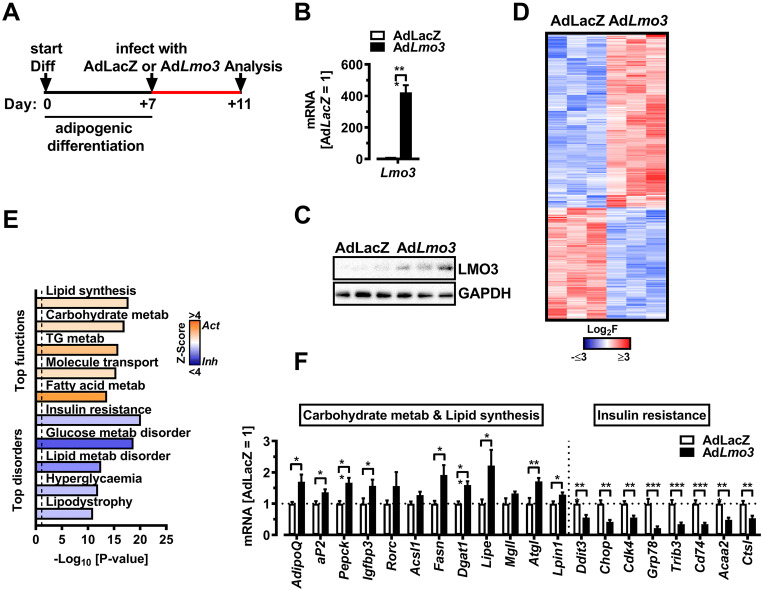
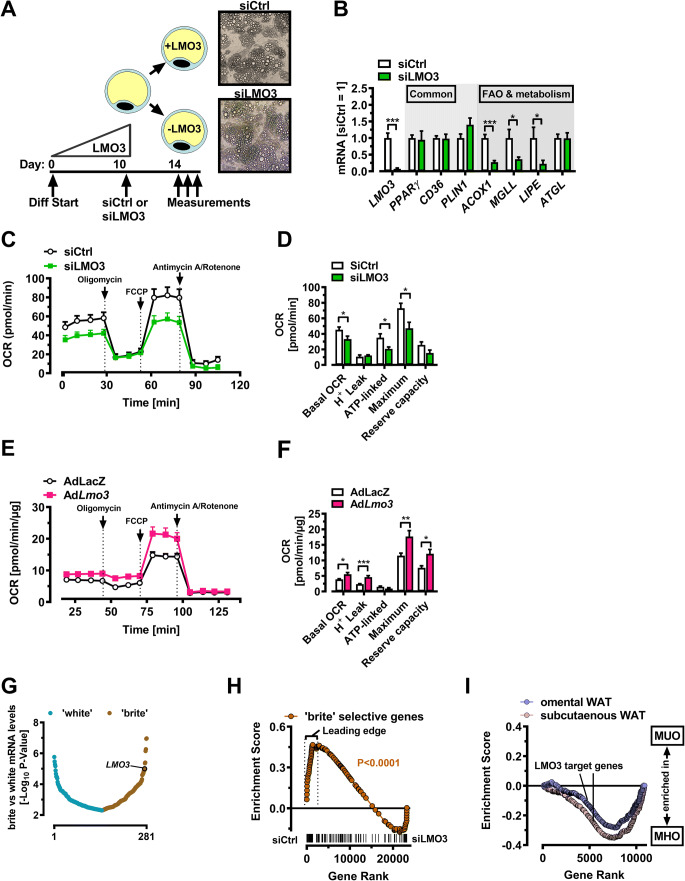
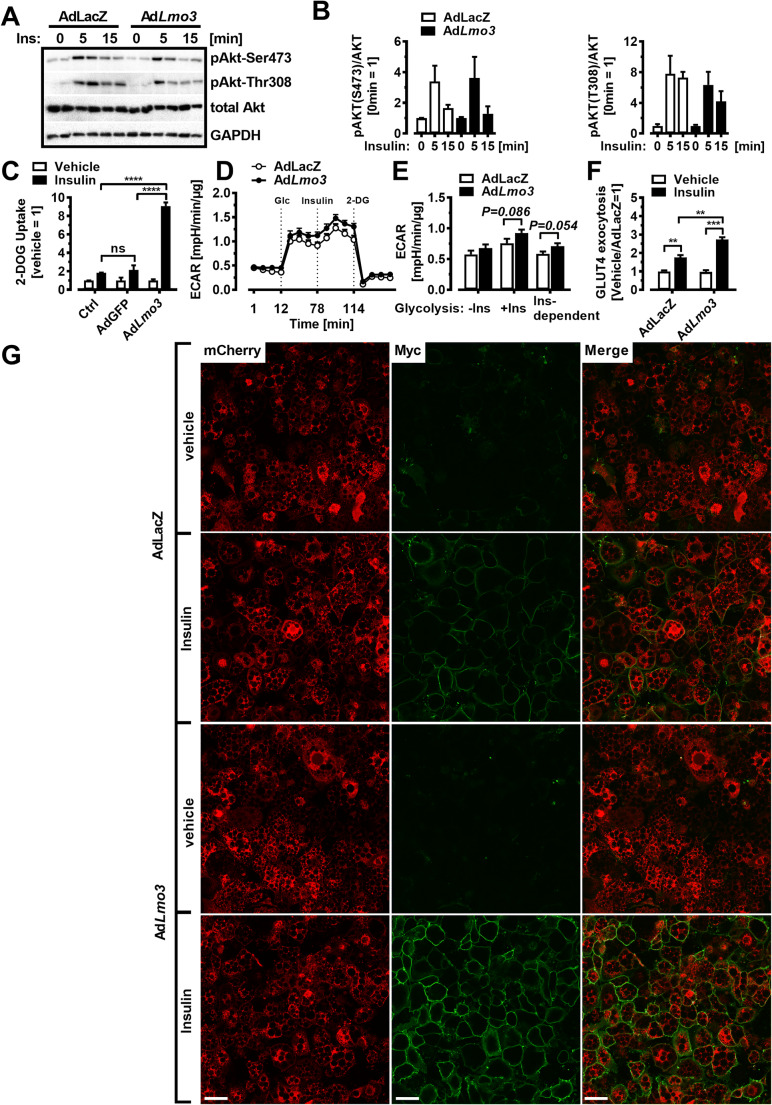
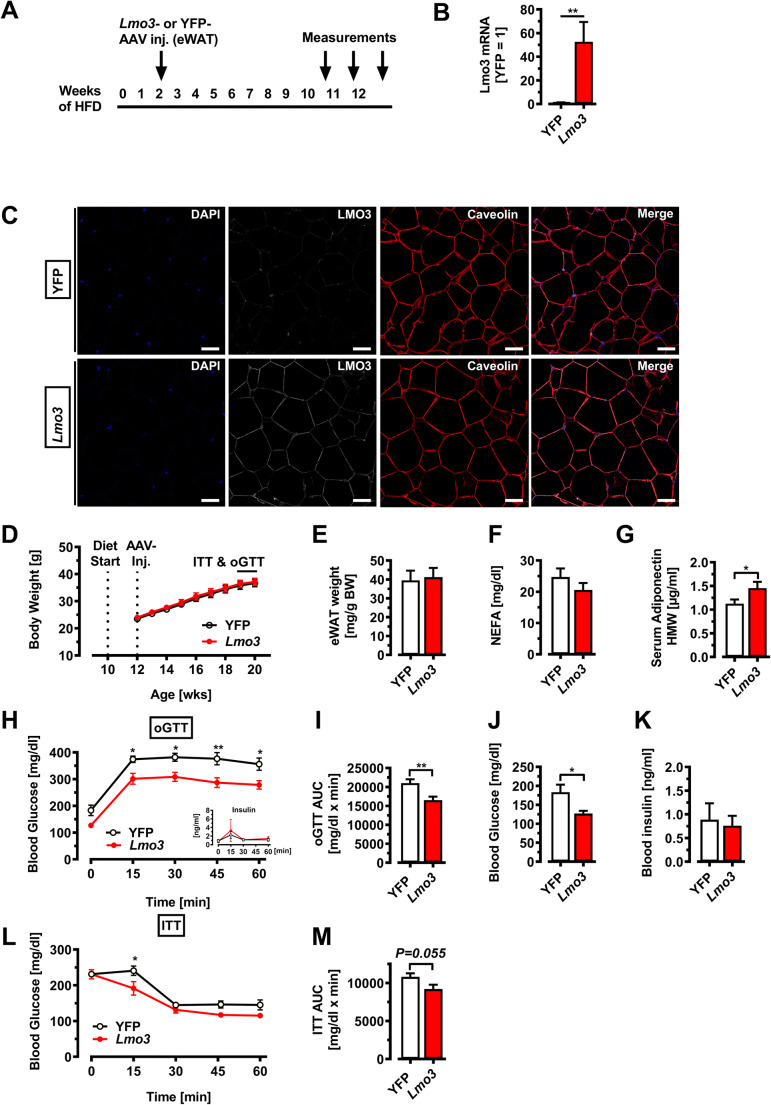
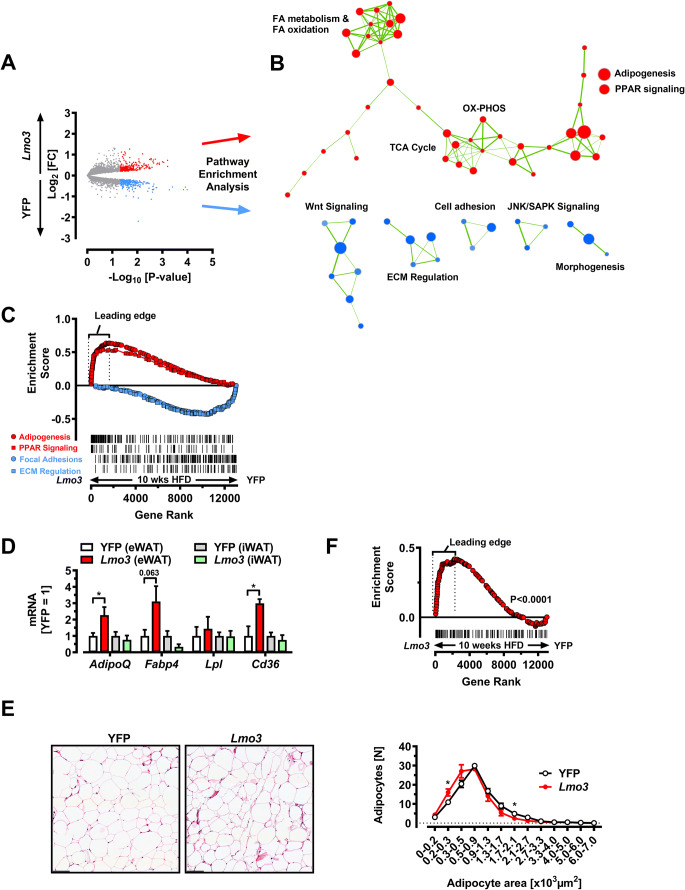
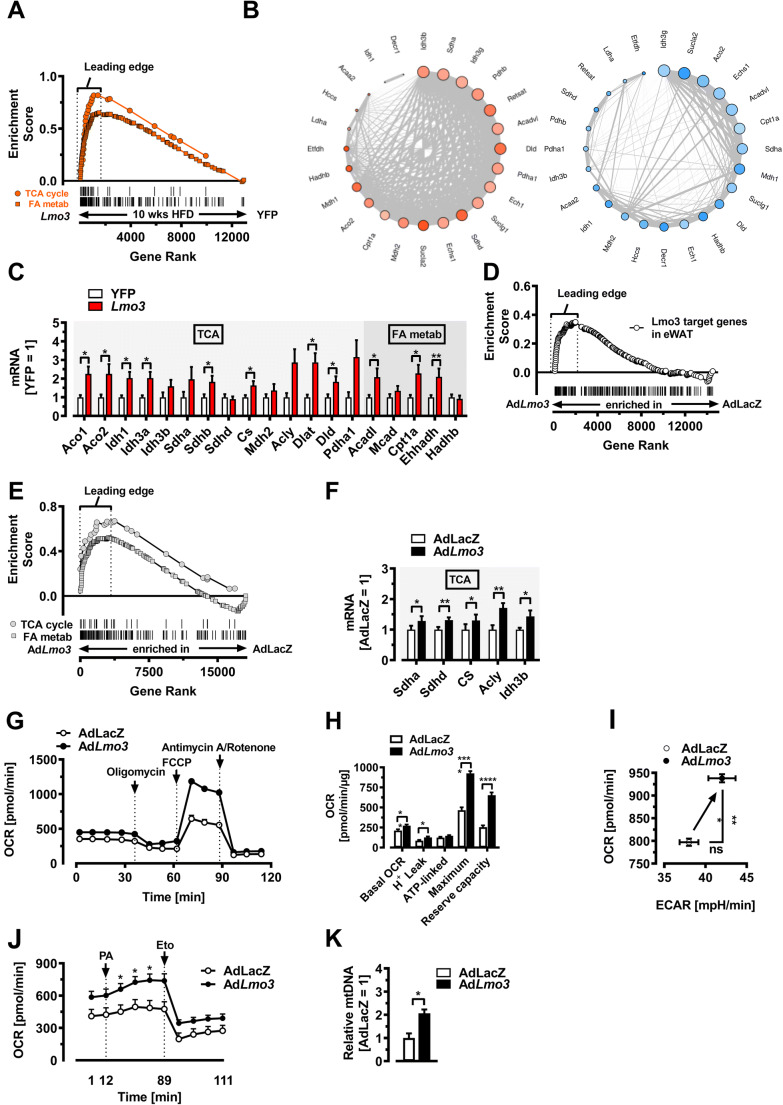
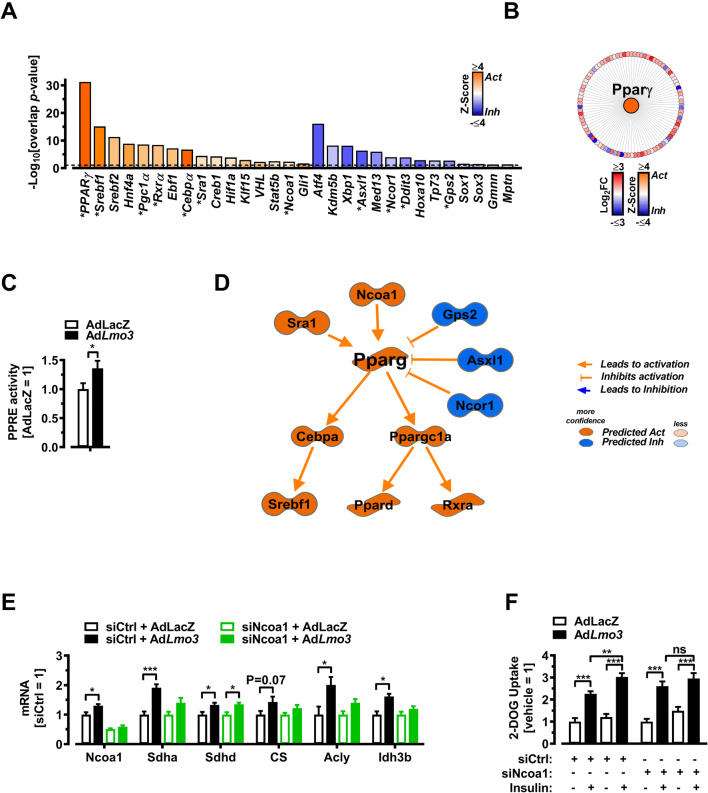
Obesity and body fat distribution are important risk factors for the development of type 2 diabetes and metabolic syndrome. Evidence has accumulated that this risk is related to intrinsic differences in behavior of adipocytes in different fat depots. We recently identified LIM domain only 3 (LMO3) in human mature visceral adipocytes; however, its function in these cells is currently unknown. The aim of this study was to determine the potential involvement of LMO3-dependent pathways in the modulation of key functions of mature adipocytes during obesity. Based on a recently engineered hybrid rAAV serotype Rec2 shown to efficiently transduce both brown adipose tissue (BAT) and white adipose tissue (WAT), we delivered YFP or Lmo3 to epididymal WAT (eWAT) of C57Bl6/J mice on a high-fat diet (HFD). The effects of eWAT transduction on metabolic parameters were evaluated 10 weeks later. To further define the role of LMO3 in insulin-stimulated glucose uptake, insulin signaling, adipocyte bioenergetics, as well as endocrine function, experiments were conducted in 3T3-L1 adipocytes and newly differentiated human primary mature adipocytes, engineered for transient gain or loss of LMO3 expression, respectively. AAV transduction of eWAT results in strong and stable Lmo3 expression specifically in the adipocyte fraction over a course of 10 weeks with HFD feeding. LMO3 expression in eWAT significantly improved insulin sensitivity and healthy visceral adipose tissue expansion in diet-induced obesity, paralleled by increased serum adiponectin. In vitro, LMO3 expression in 3T3-L1 adipocytes increased PPARγ transcriptional activity, insulin-stimulated GLUT4 translocation and glucose uptake, as well as mitochondrial oxidative capacity in addition to fatty acid oxidation. Mechanistically, LMO3 induced the PPARγ coregulator Ncoa1, which was required for LMO3 to enhance glucose uptake and mitochondrial oxidative gene expression. In human mature adipocytes, LMO3 overexpression promoted, while silencing of LMO3 suppressed mitochondrial oxidative capacity. LMO3 expression in visceral adipose tissue regulates multiple genes that preserve adipose tissue functionality during obesity, such as glucose metabolism, insulin sensitivity, mitochondrial function, and adiponectin secretion. Together with increased PPARγ activity and Ncoa1 expression, these gene expression changes promote insulin-induced GLUT4 translocation, glucose uptake in addition to increased mitochondrial oxidative capacity, limiting HFD-induced adipose dysfunction. These data add LMO3 as a novel regulator improving visceral adipose tissue function during obesity. KEY MESSAGES: LMO3 increases beneficial visceral adipose tissue expansion and insulin sensitivity in vivo. LMO3 increases glucose uptake and oxidative mitochondrial activity in adipocytes. LMO3 increases nuclear coactivator 1 (Ncoa1). LMO3-enhanced glucose uptake and mitochondrial gene expression requires Ncoa1.
肥胖和体脂肪分布是 2 型糖尿病和代谢综合征发展的重要危险因素。有证据表明,这种风险与不同脂肪储存部位脂肪细胞行为的内在差异有关。我们最近在人类成熟内脏脂肪细胞中鉴定了 LIM 结构域只有 3(LMO3);然而,其在这些细胞中的功能目前尚不清楚。本研究的目的是确定 LMO3 依赖性途径在肥胖过程中调节成熟脂肪细胞关键功能中的潜在作用。基于最近设计的一种新型杂交 rAAV 血清型 Rec2,该血清型已被证明可有效转导棕色脂肪组织(BAT)和白色脂肪组织(WAT),我们在高脂肪饮食(HFD)下向 C57Bl6/J 小鼠的附睾白色脂肪组织(eWAT)中递送 YFP 或 Lmo3。10 周后评估 eWAT 转导对代谢参数的影响。为了进一步确定 LMO3 在胰岛素刺激的葡萄糖摄取、胰岛素信号传导、脂肪细胞生物能量以及内分泌功能中的作用,在 3T3-L1 脂肪细胞和新分化的人类成熟脂肪细胞中进行了实验,这些细胞分别通过瞬时获得或丧失 LMO3 表达进行了工程改造。eWAT 的 AAV 转导导致 Lmo3 在 HFD 喂养过程中在脂肪细胞分数中特异性且稳定地表达,持续 10 周。eWAT 中的 LMO3 表达显著改善了胰岛素敏感性和健康的内脏脂肪组织扩张,与血清脂联素增加有关。在体外,3T3-L1 脂肪细胞中的 LMO3 表达增加了 PPARγ 转录活性、胰岛素刺激的 GLUT4 易位和葡萄糖摄取以及线粒体氧化能力,同时还增加了脂肪酸氧化。在机制上,LMO3 诱导了 PPARγ 共激活因子 Ncoa1,这是 LMO3 增强葡萄糖摄取和线粒体氧化基因表达所必需的。在人类成熟脂肪细胞中,LMO3 的过表达促进,而 LMO3 的沉默抑制了线粒体氧化能力。内脏脂肪组织中的 LMO3 表达调节多种基因,这些基因在肥胖期间维持脂肪组织功能,如葡萄糖代谢、胰岛素敏感性、线粒体功能和脂联素分泌。与增加的 PPARγ 活性和 Ncoa1 表达一起,这些基因表达变化促进了胰岛素诱导的 GLUT4 易位、葡萄糖摄取以及增加的线粒体氧化能力,从而限制了 HFD 诱导的脂肪功能障碍。这些数据将 LMO3 作为一种新的调节剂,可改善肥胖期间内脏脂肪组织的功能。关键信息:LMO3 增加体内有益的内脏脂肪组织扩张和胰岛素敏感性。LMO3 增加脂肪细胞中的葡萄糖摄取和氧化线粒体活性。LMO3 增加核共激活因子 1(Ncoa1)。LMO3 增强的葡萄糖摄取和线粒体基因表达需要 Ncoa1。