Institute of Molecular and Clinical Ophthalmology Basel, 4031 Basel, Switzerland.
Institute of Molecular and Clinical Ophthalmology Basel, 4031 Basel, Switzerland; Department of Ophthalmology, University of Basel, 4031 Basel, Switzerland.
Cell. 2021 Jun 10;184(12):3281-3298.e22. doi: 10.1016/j.cell.2021.04.028. Epub 2021 May 20.
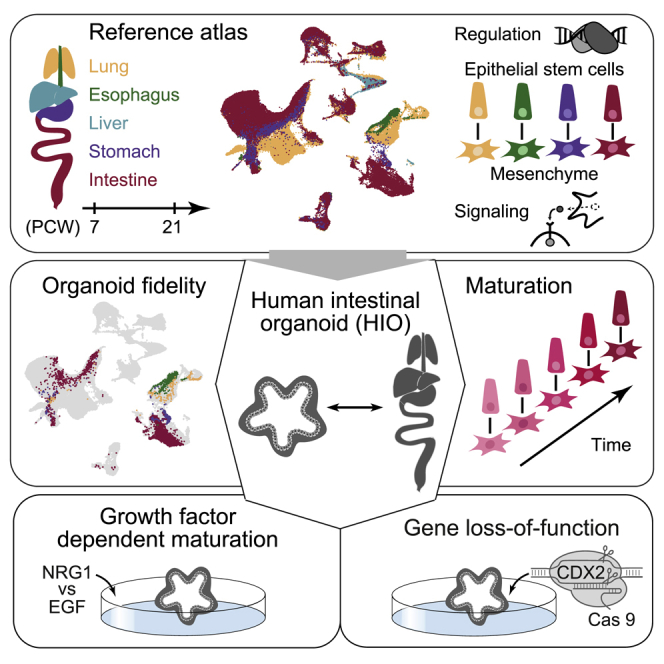
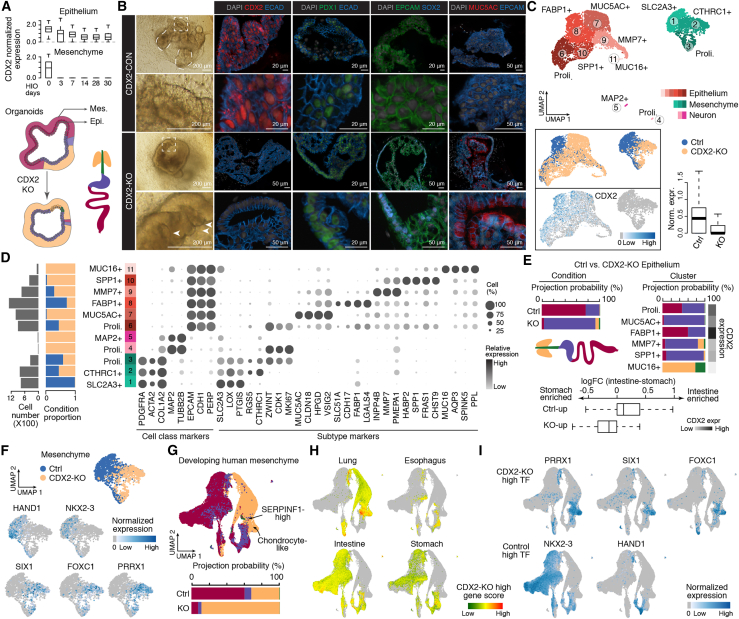
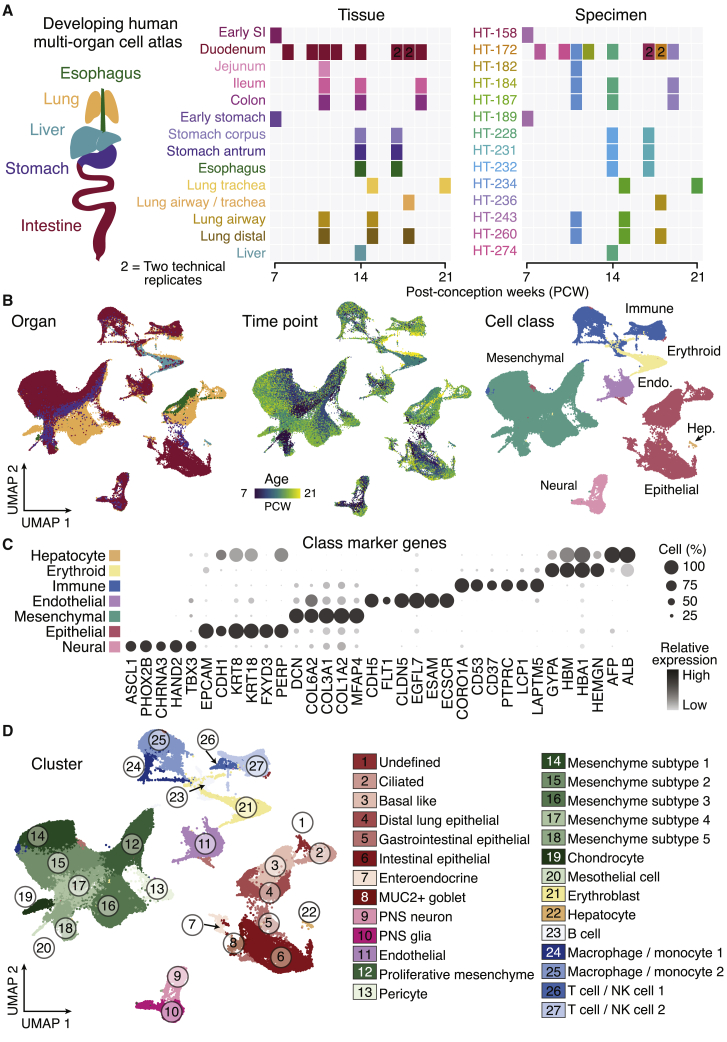
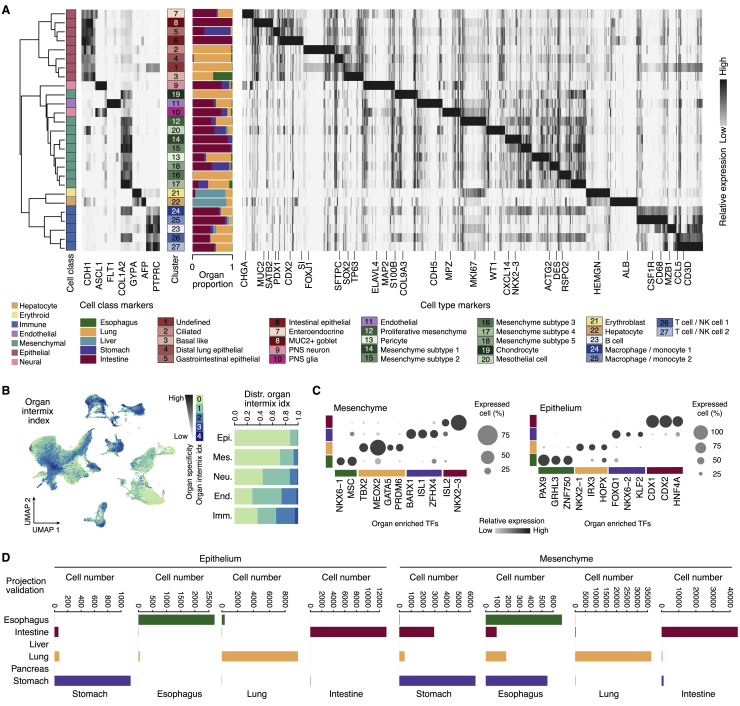
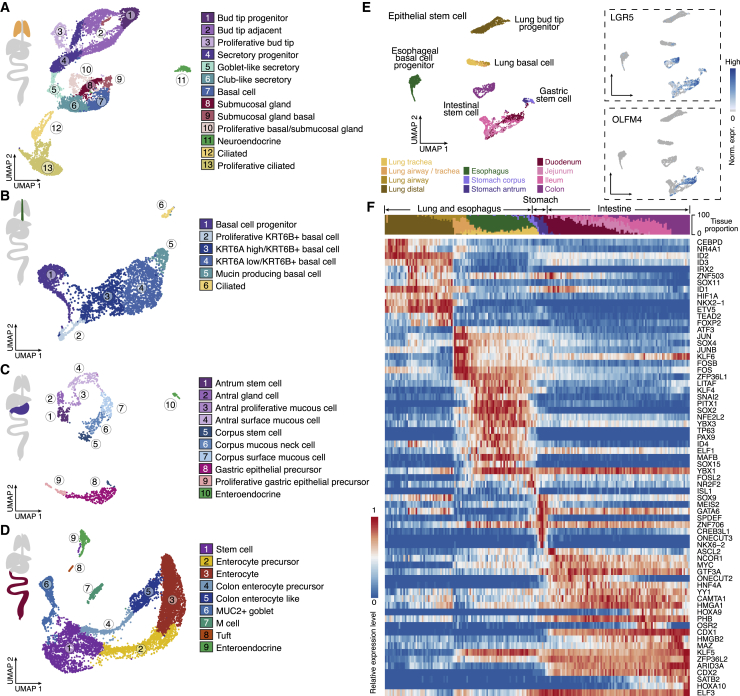
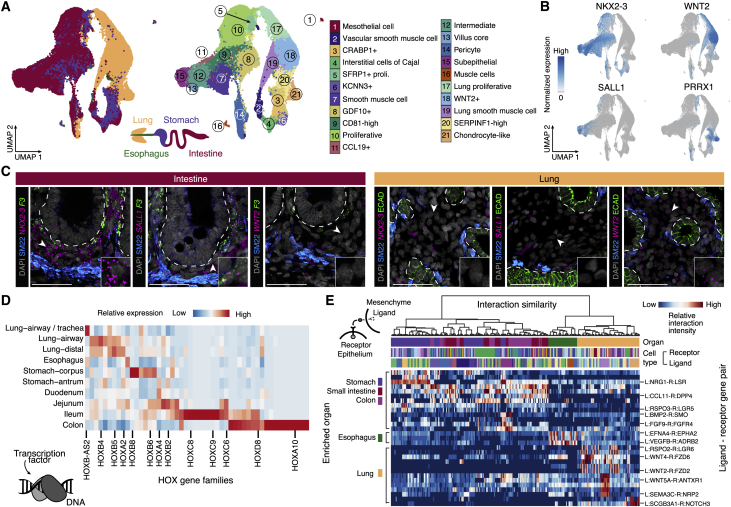
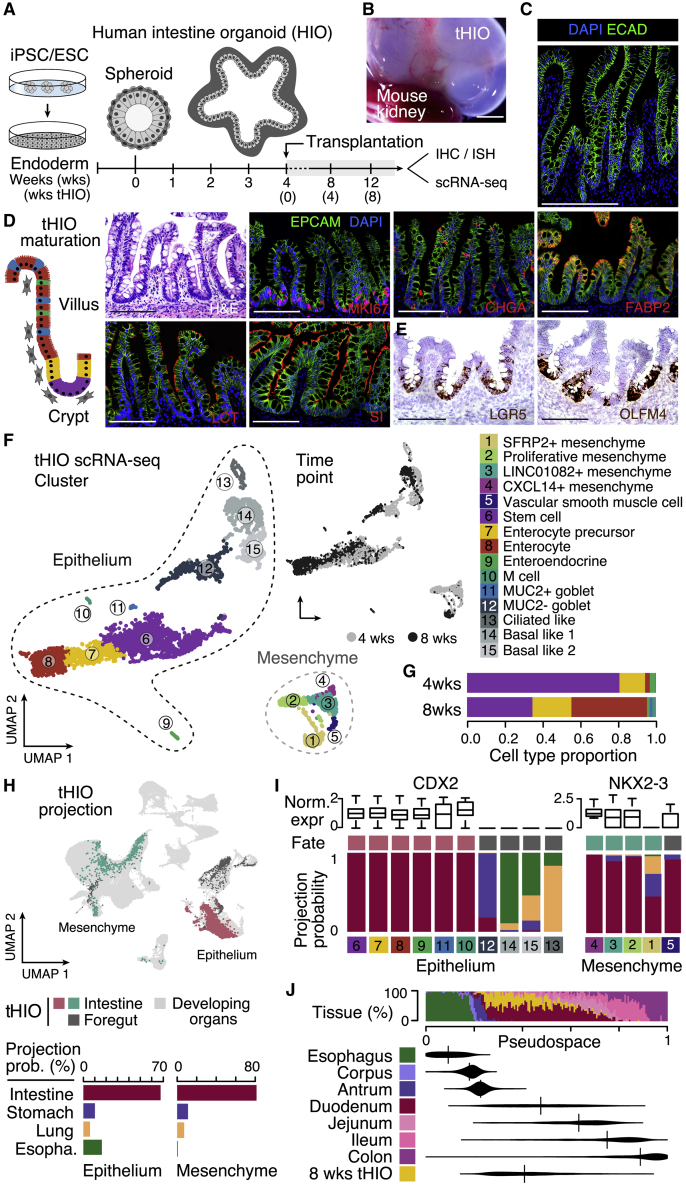
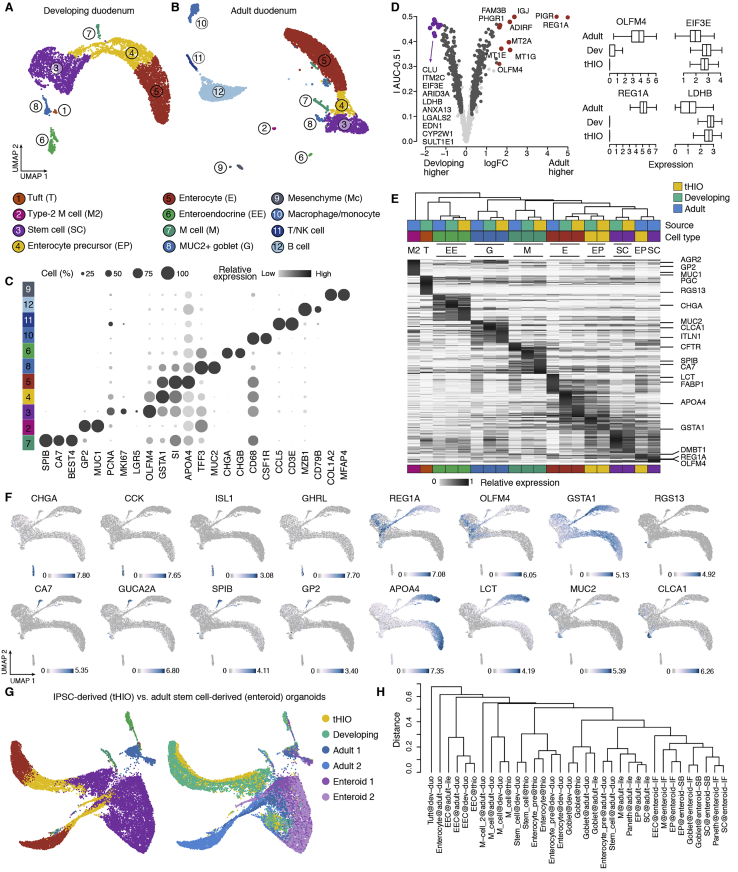
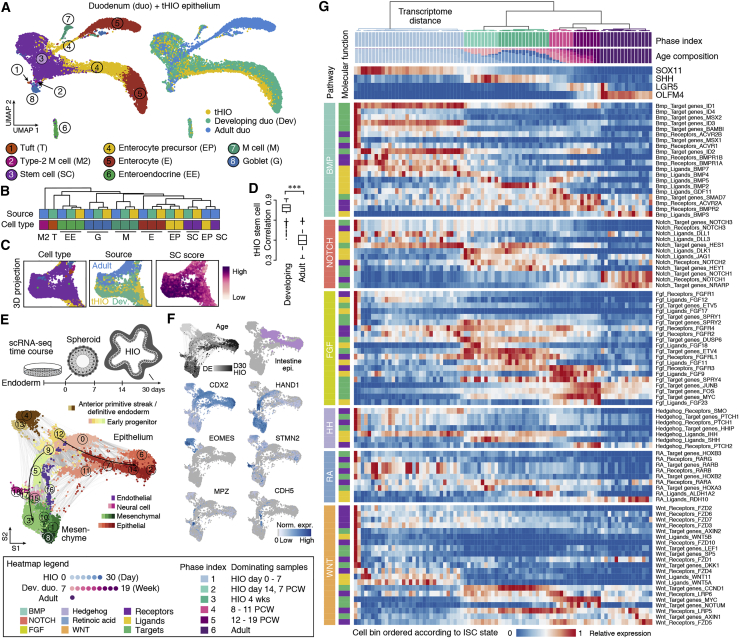
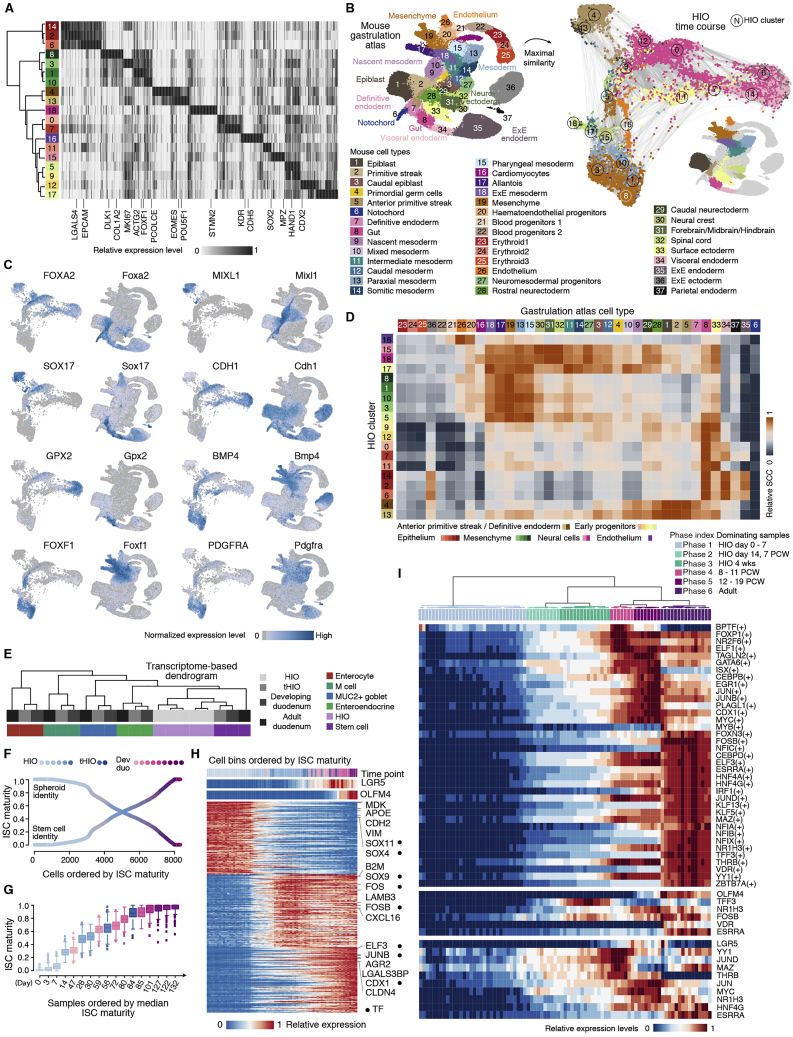
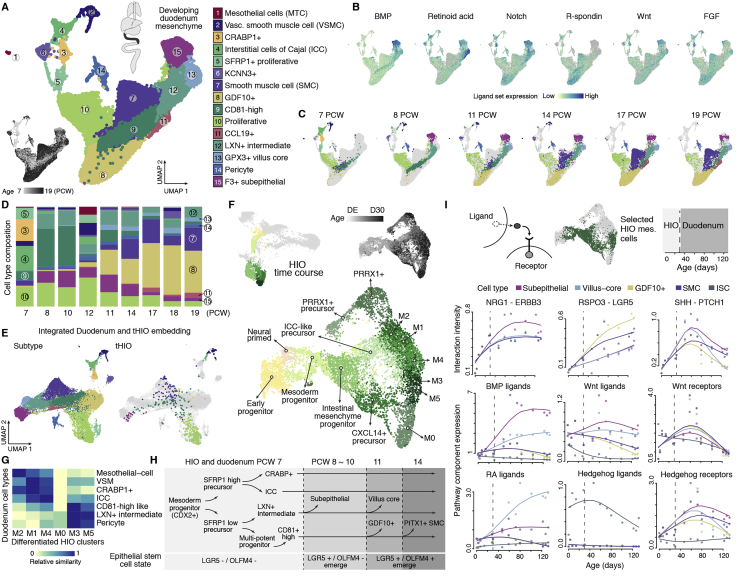
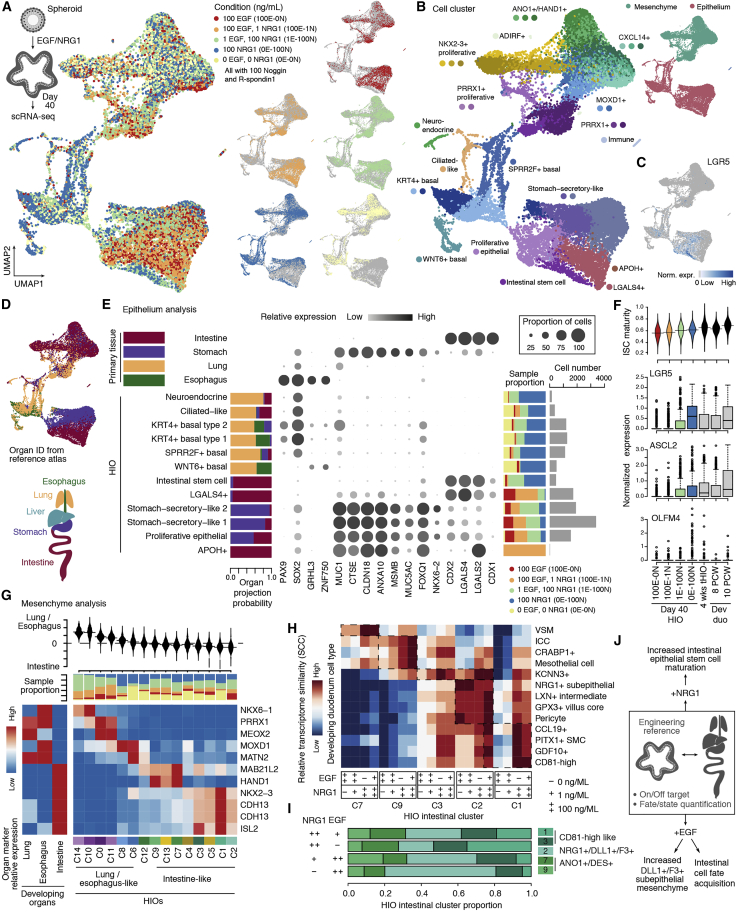
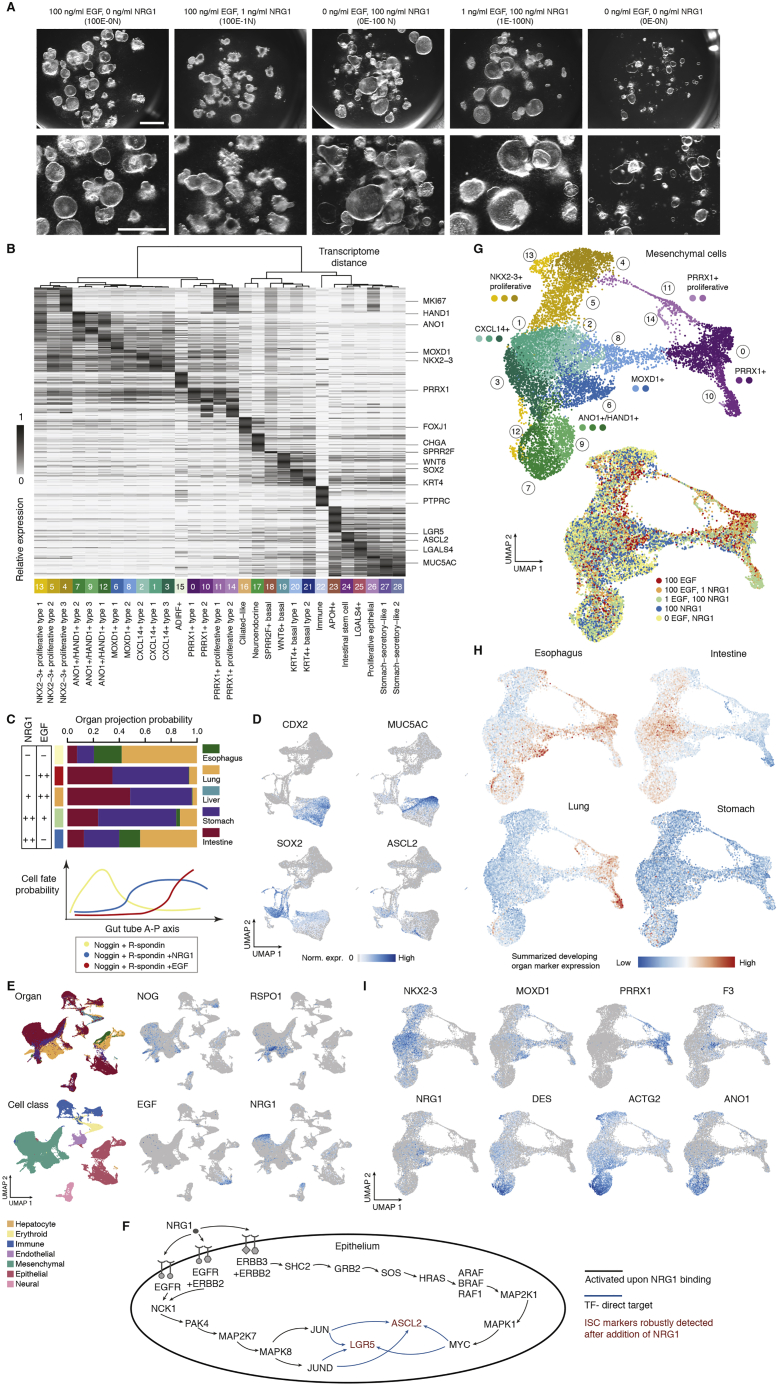
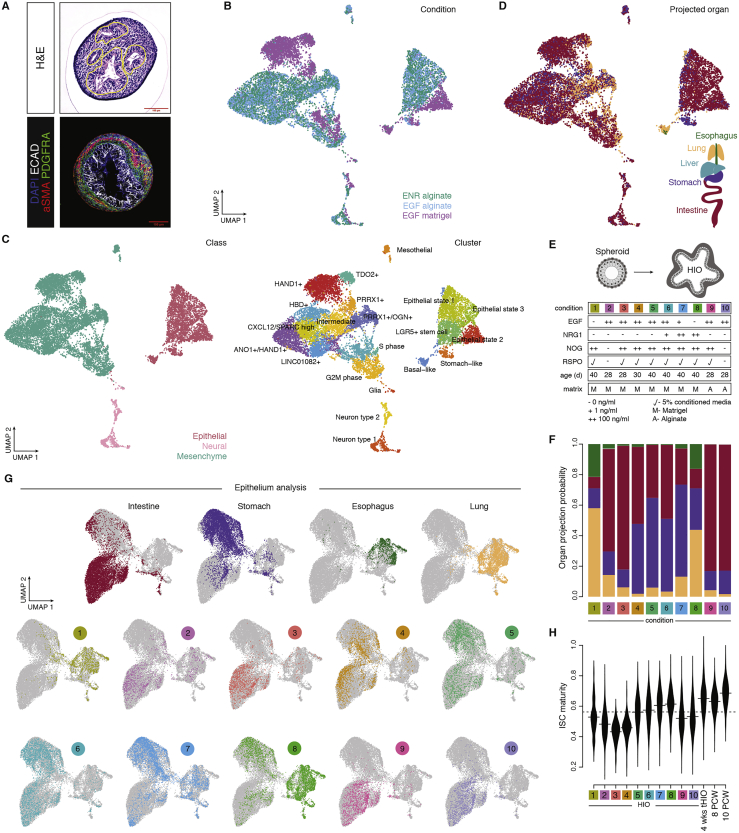
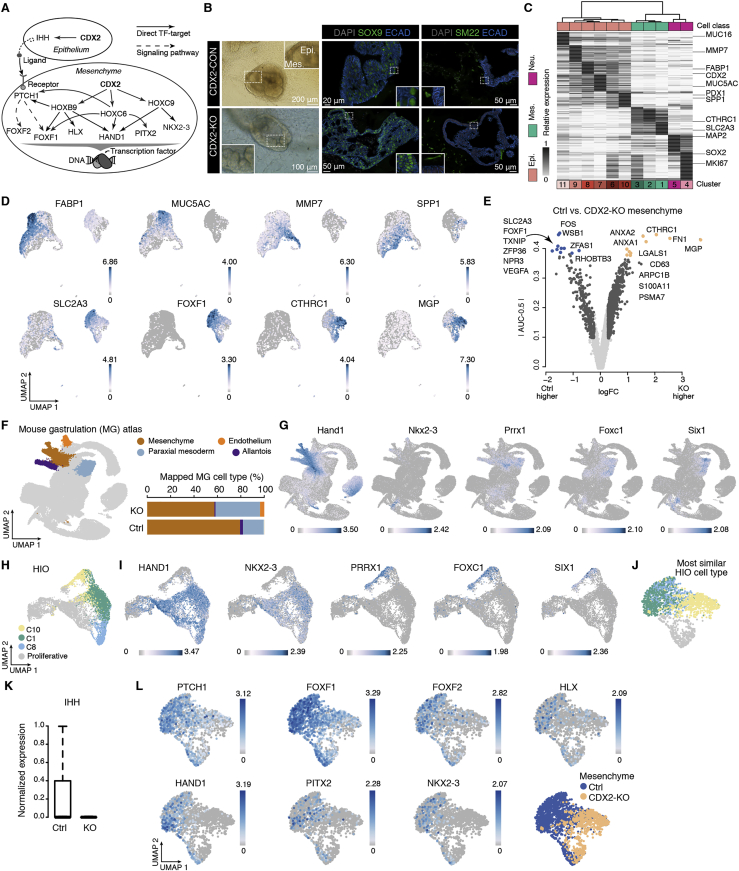
Organs are composed of diverse cell types that traverse transient states during organogenesis. To interrogate this diversity during human development, we generate a single-cell transcriptome atlas from multiple developing endodermal organs of the respiratory and gastrointestinal tract. We illuminate cell states, transcription factors, and organ-specific epithelial stem cell and mesenchyme interactions across lineages. We implement the atlas as a high-dimensional search space to benchmark human pluripotent stem cell (hPSC)-derived intestinal organoids (HIOs) under multiple culture conditions. We show that HIOs recapitulate reference cell states and use HIOs to reconstruct the molecular dynamics of intestinal epithelium and mesenchyme emergence. We show that the mesenchyme-derived niche cue NRG1 enhances intestinal stem cell maturation in vitro and that the homeobox transcription factor CDX2 is required for regionalization of intestinal epithelium and mesenchyme in humans. This work combines cell atlases and organoid technologies to understand how human organ development is orchestrated.
器官由在器官发生过程中经历短暂状态的多种细胞类型组成。为了在人类发育过程中探究这种多样性,我们从呼吸道和胃肠道的多个发育内胚层器官中生成了单细胞转录组图谱。我们阐明了细胞状态、转录因子以及跨谱系的器官特异性上皮干细胞和间充质相互作用。我们将图谱实现为高维搜索空间,以在多种培养条件下对人多能干细胞 (hPSC) 衍生的肠类器官 (HIO) 进行基准测试。我们表明 HIO 重现了参考细胞状态,并使用 HIO 重建了肠上皮和间充质出现的分子动力学。我们表明,间充质衍生的生态位线索 NRG1 增强了体外肠干细胞的成熟,而同源盒转录因子 CDX2 对于人类肠上皮和间充质的区域化是必需的。这项工作结合了细胞图谱和类器官技术,以了解人类器官发育是如何协调的。