Reproductive and Genetic Center of National Research Institute for Family Planning, Beijing, 100081, China.
Key Laboratory of Molecular Developmental Biology, Institute of Genetics and Developmental Biology, Chinese Academy of Sciences, 3 Nanyitiao, Zhongguancun, Beijing, 100190, China.
Stem Cell Res Ther. 2021 May 21;12(1):298. doi: 10.1186/s13287-021-02381-y.
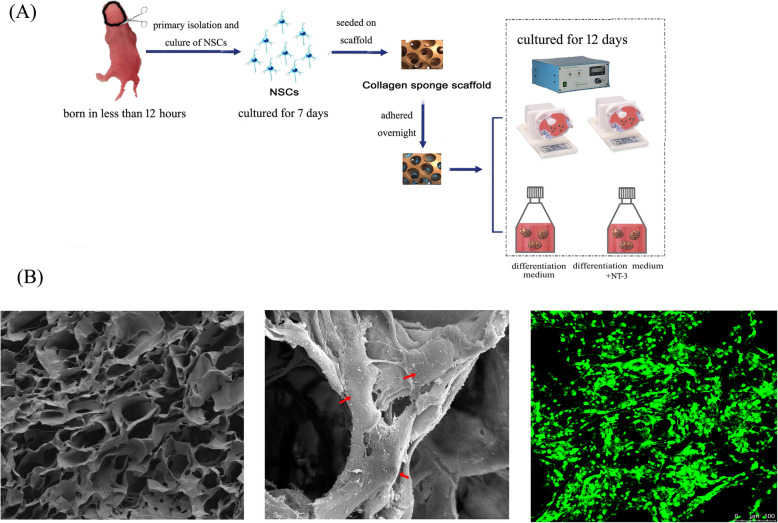
Recently, neural stem cell (NSC) therapy has shown promise for the treatment of many neurological diseases. Enhancing the quality of implanted cells and improving therapeutic efficacy are currently research hotspots. It has been reported that collagen sponge material provided sufficient room for cell growth in all directions and promoted the absorption of nutrients and removal of wastes. And also, the Rotary Cell Culture System (RCCS), which mimics the microgravity environment, can be used to culture cells for tissue engineering.
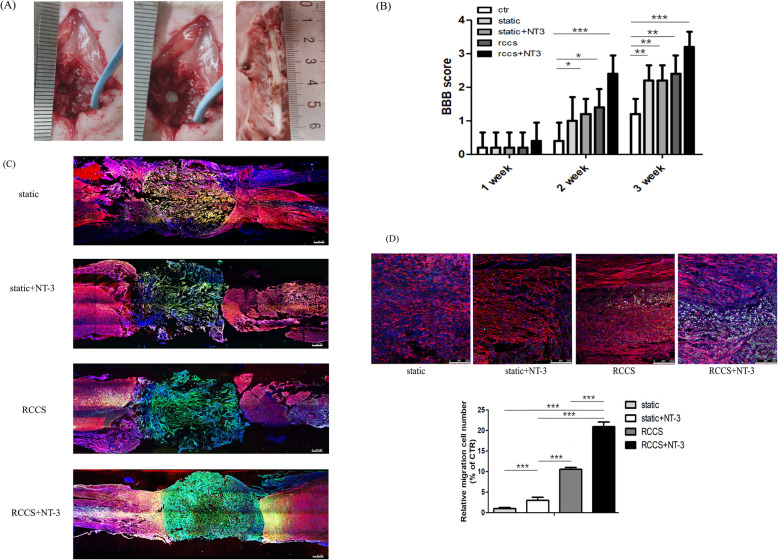
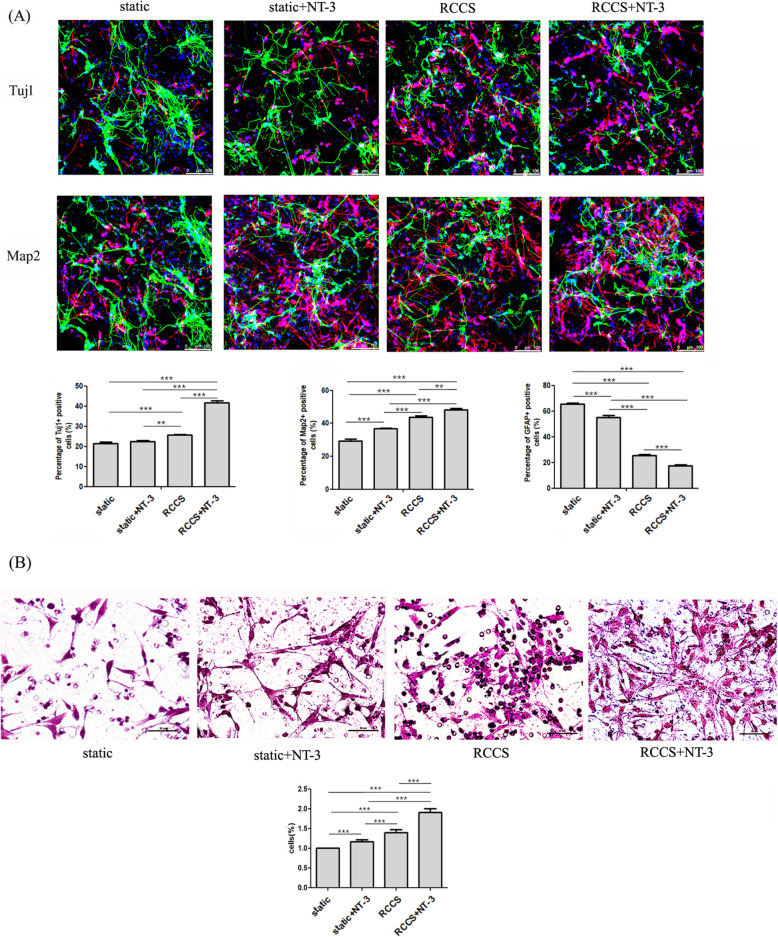
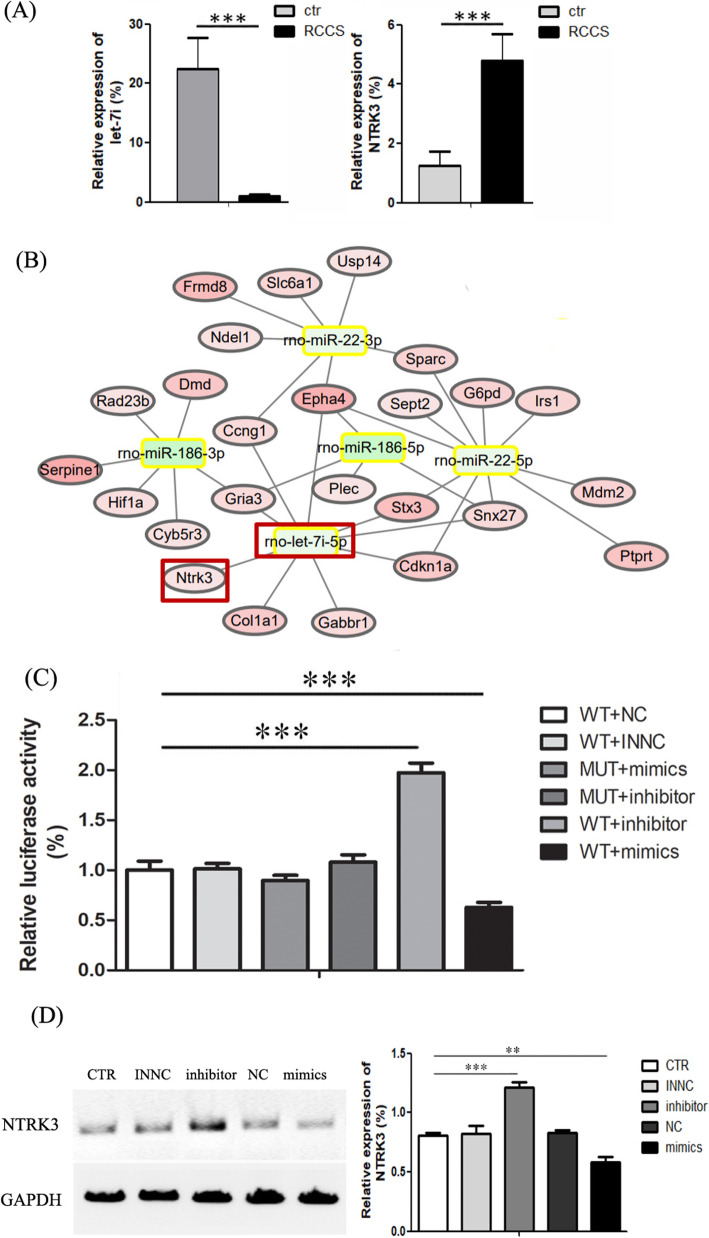
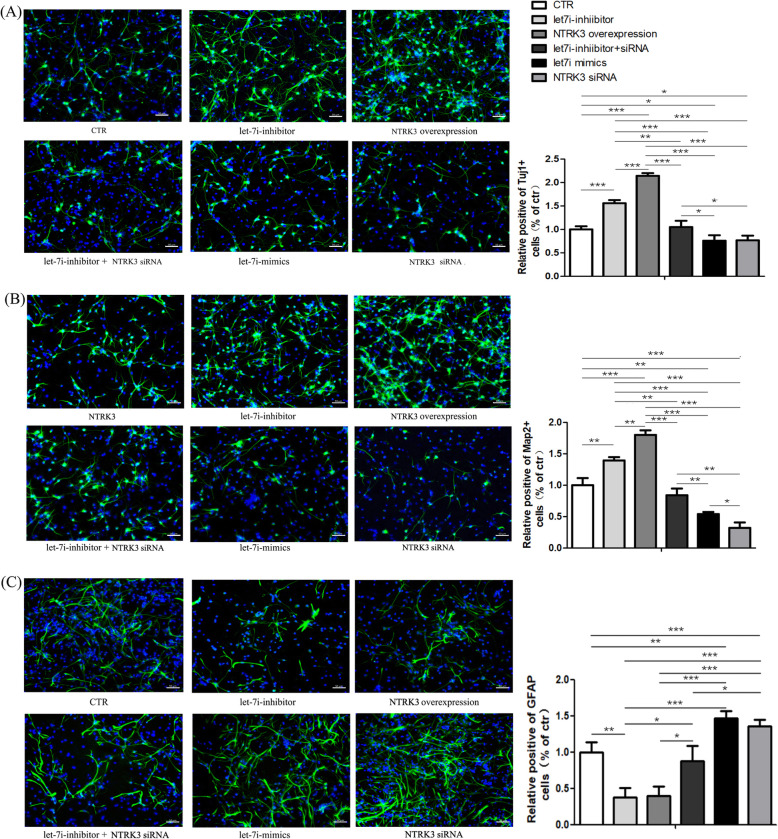
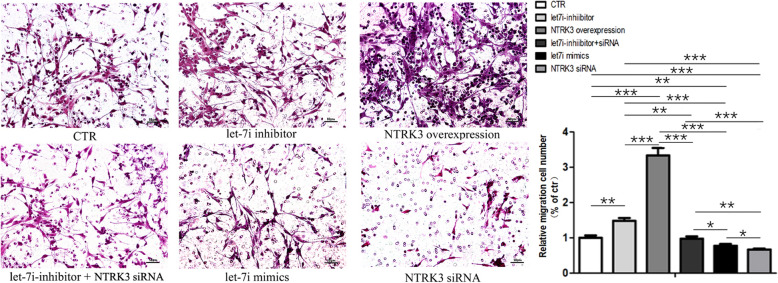
We performed the mRNA and miRNA sequencing to elucidate the regulatory mechanism of NSCs cultured on the collagen sponge in the RCCS system. The luciferase assay and Western blot revealed a direct regulatory role between let-7i-5p and neurotrophic receptor tyrosine kinase 3 (NTRK3; also called TrkC). And then, the neural differentiation markers Tuj1 and Map2 were detected by immunofluorescence staining. In the meantime, the migratory ability of NSCs was detected both in vitro and in spinal cord injury animals.
In this study, we demonstrated that the expression of NTRK3 was elevated in NSCs cultured on collagen sponge in the RCCS system. Furthermore, increased NTRK3 expression was regulated by the downregulation of let-7i-5p. Compared to traditionally cultured NSCs, the NSCs cultured on collagen sponge in the RCCS system exhibited better neuronal differentiation and migratory ability, especially in the presence of NT-3.
As the biological properties and quality of transplanted cells are critical for therapeutic success, the RCCS system combined with the collagen sponge culture system shows promise for applications in clinical practice in the future.
最近,神经干细胞(NSC)疗法在治疗许多神经疾病方面显示出了前景。提高植入细胞的质量和提高治疗效果是目前的研究热点。据报道,胶原海绵材料为细胞的各个方向的生长提供了足够的空间,并促进了营养物质的吸收和废物的清除。并且,旋转细胞培养系统(RCCS)可以模拟微重力环境,用于组织工程细胞培养。
我们进行了 mRNA 和 miRNA 测序,以阐明在 RCCS 系统中的胶原海绵上培养的 NSCs 的调控机制。荧光素酶检测和 Western blot 揭示了 let-7i-5p 和神经营养受体酪氨酸激酶 3(NTRK3;也称为 TrkC)之间的直接调节作用。然后,通过免疫荧光染色检测神经分化标记物 Tuj1 和 Map2。同时,在体外和脊髓损伤动物中检测 NSCs 的迁移能力。
在这项研究中,我们证明了在 RCCS 系统中的胶原海绵上培养的 NSCs 中 NTRK3 的表达增加。此外,let-7i-5p 的下调调节了 NTRK3 的表达增加。与传统培养的 NSCs 相比,在 RCCS 系统中的胶原海绵上培养的 NSCs 表现出更好的神经元分化和迁移能力,尤其是在存在 NT-3 的情况下。
由于移植细胞的生物学特性和质量对于治疗成功至关重要,因此 RCCS 系统与胶原海绵培养系统的结合有望在未来的临床实践中得到应用。