Zhang Zhiqiao, He Tingshan, Huang Liwen, Li Jing, Wang Peng
Department of Infectious Diseases, Shunde Hospital, Southern Medical University, Shunde, Guangdong, China.
Comput Struct Biotechnol J. 2021 Apr 12;19:2329-2346. doi: 10.1016/j.csbj.2021.04.025. eCollection 2021.
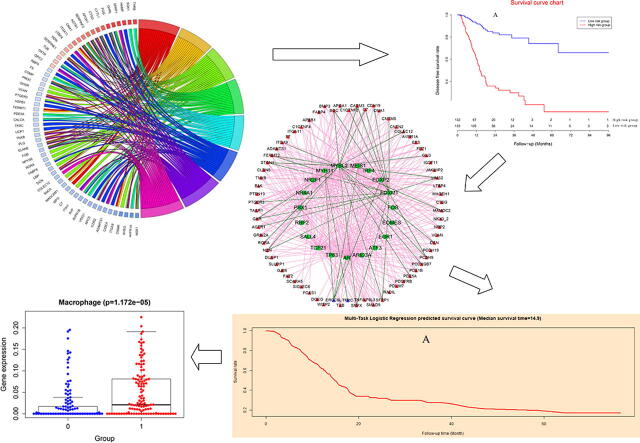
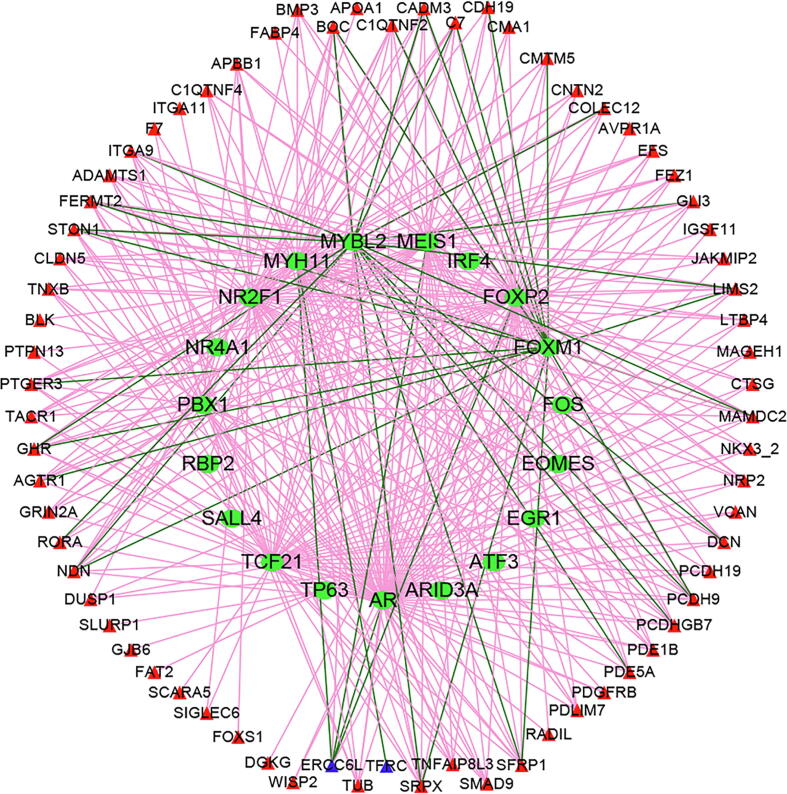
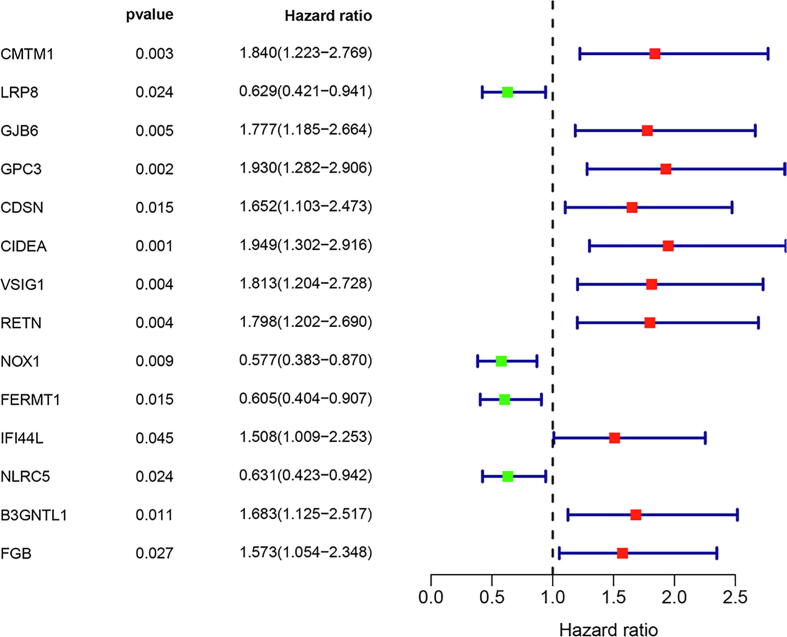
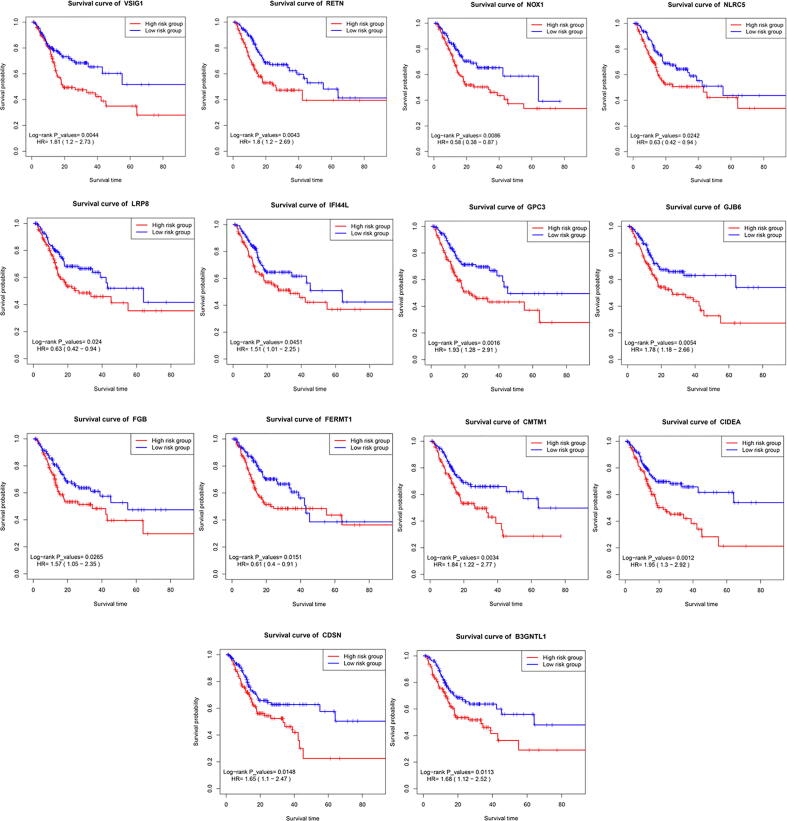
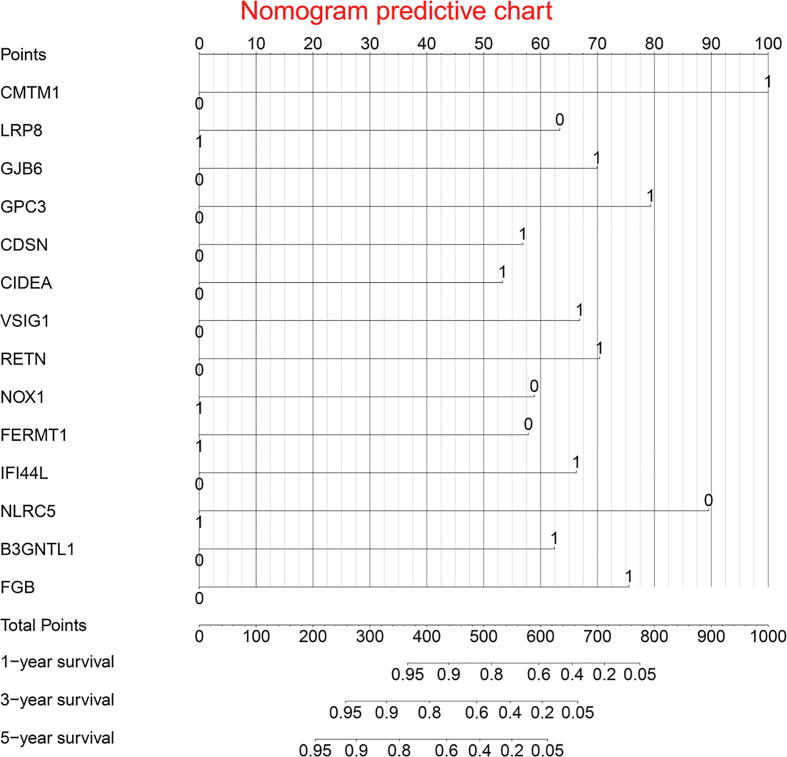
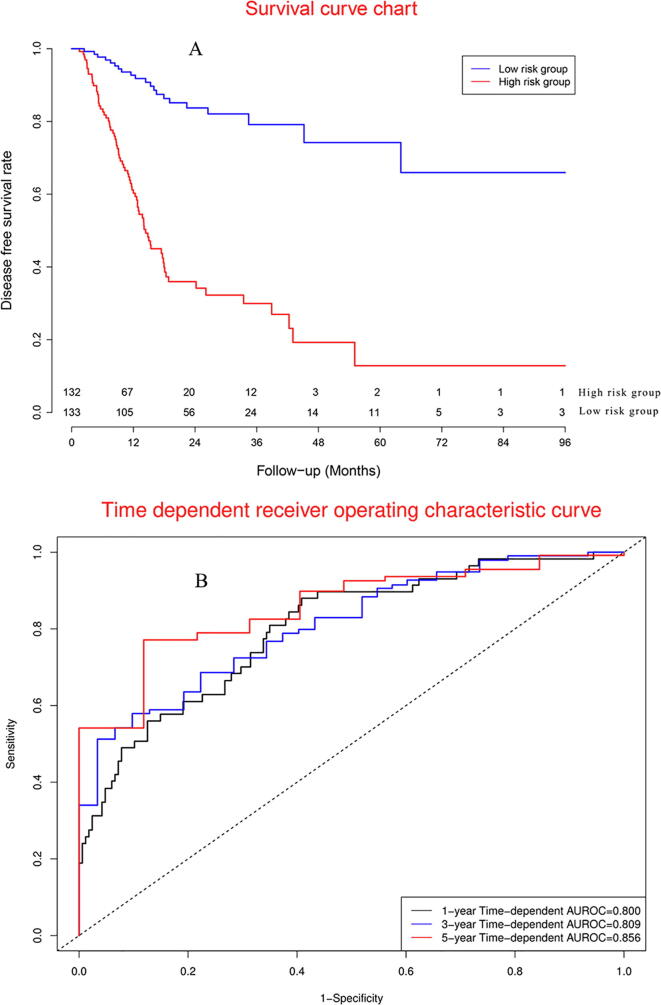
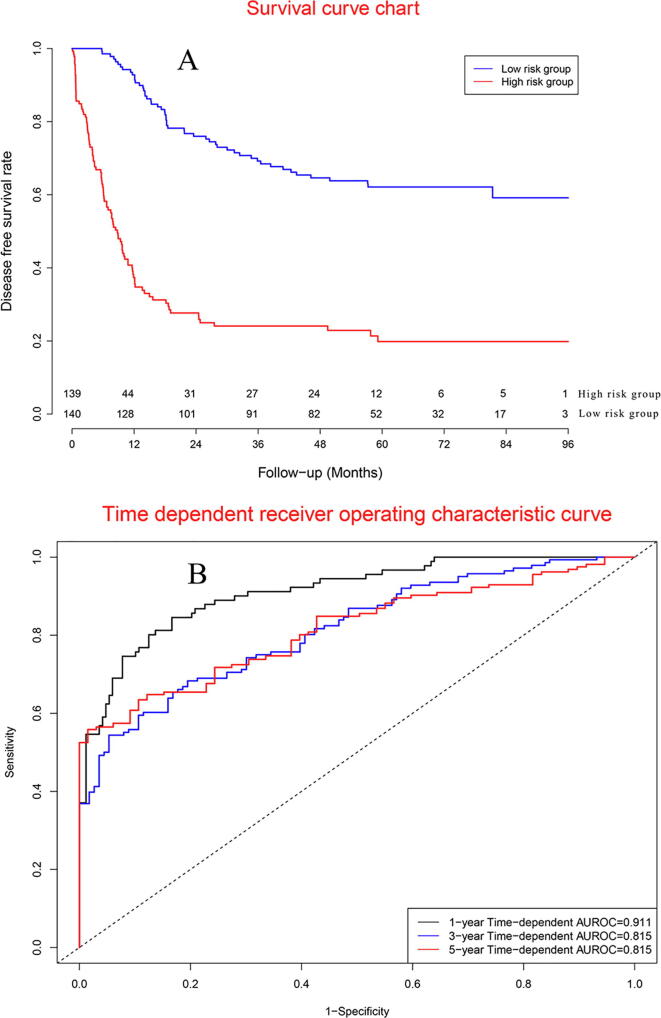
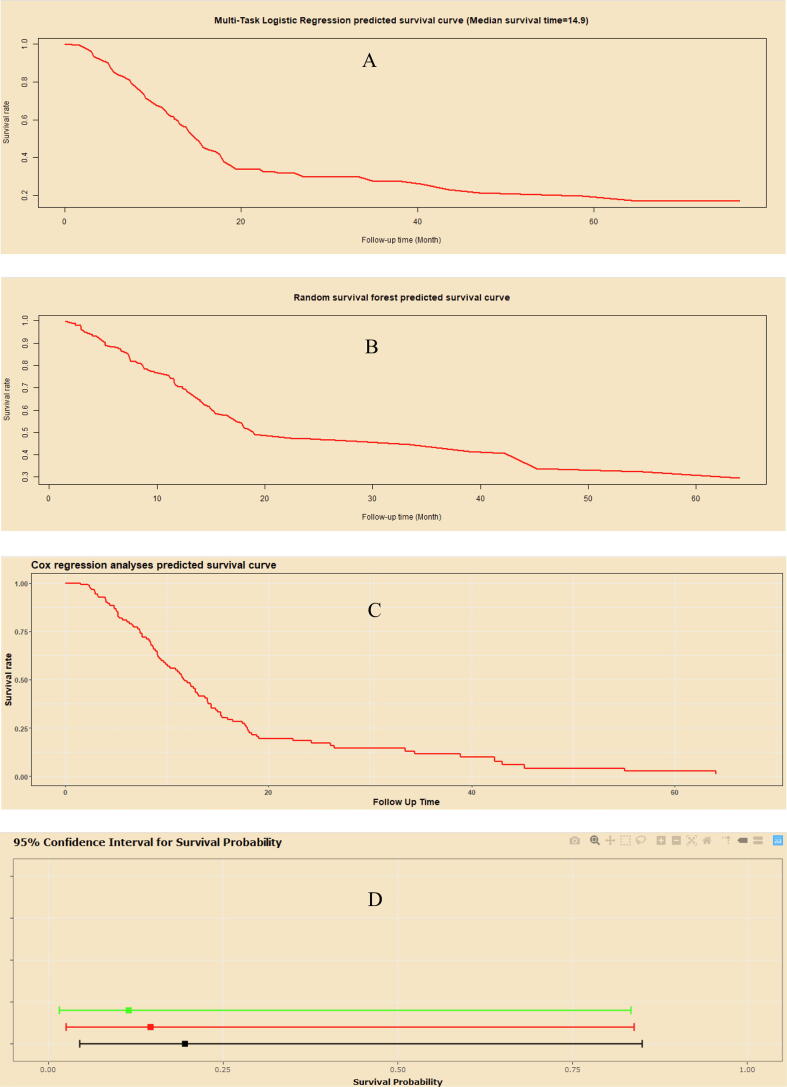
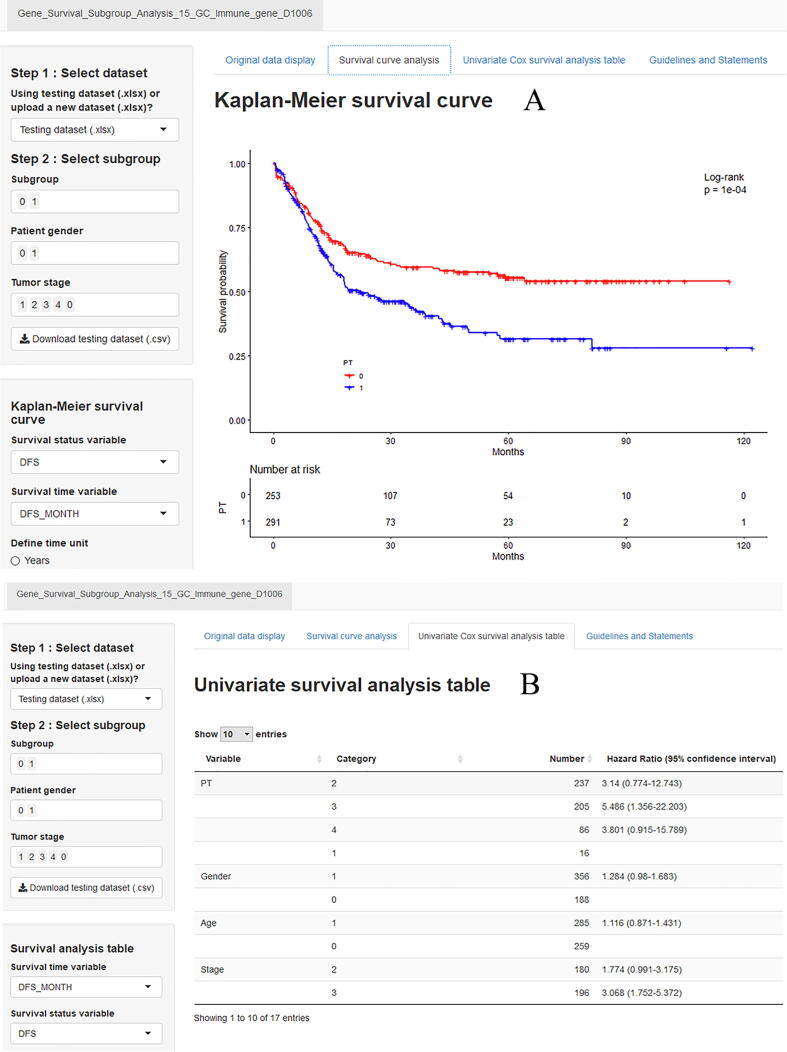
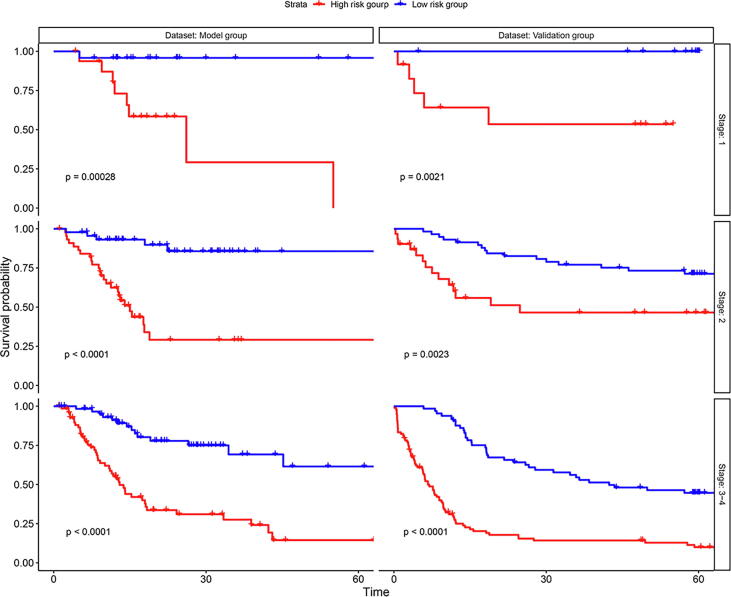
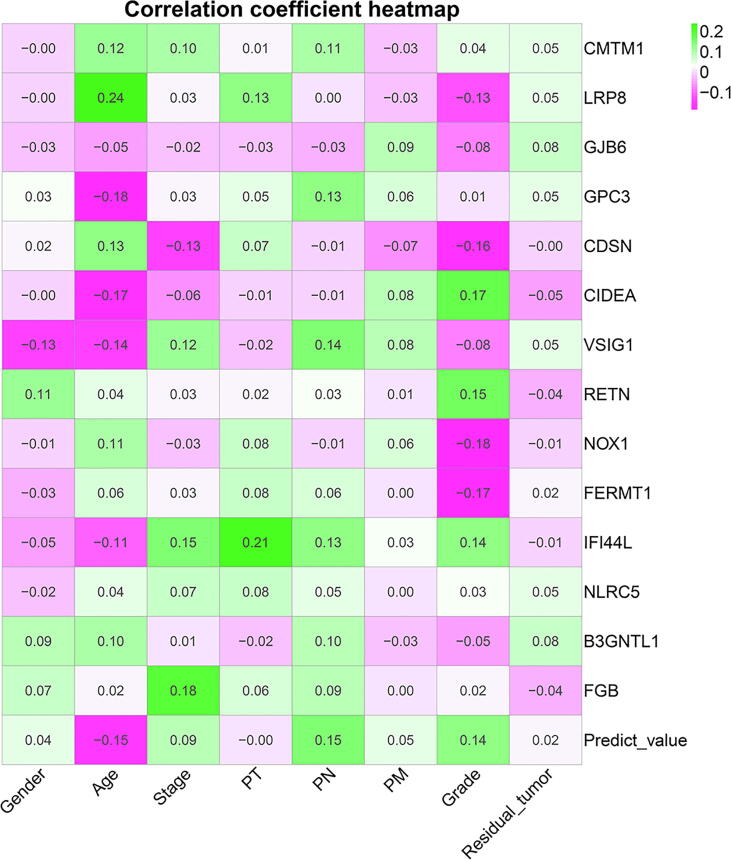
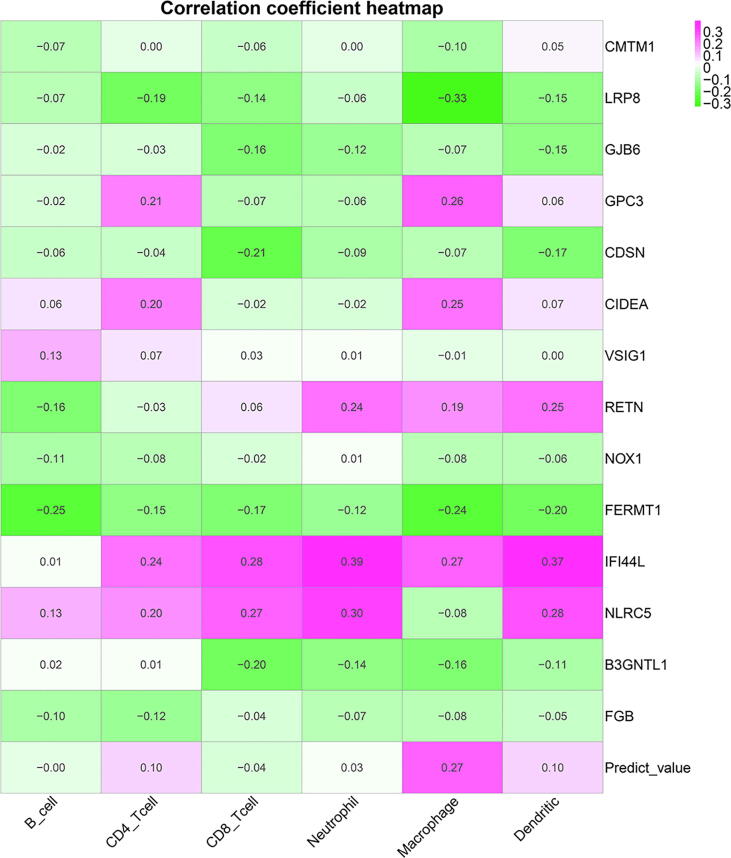
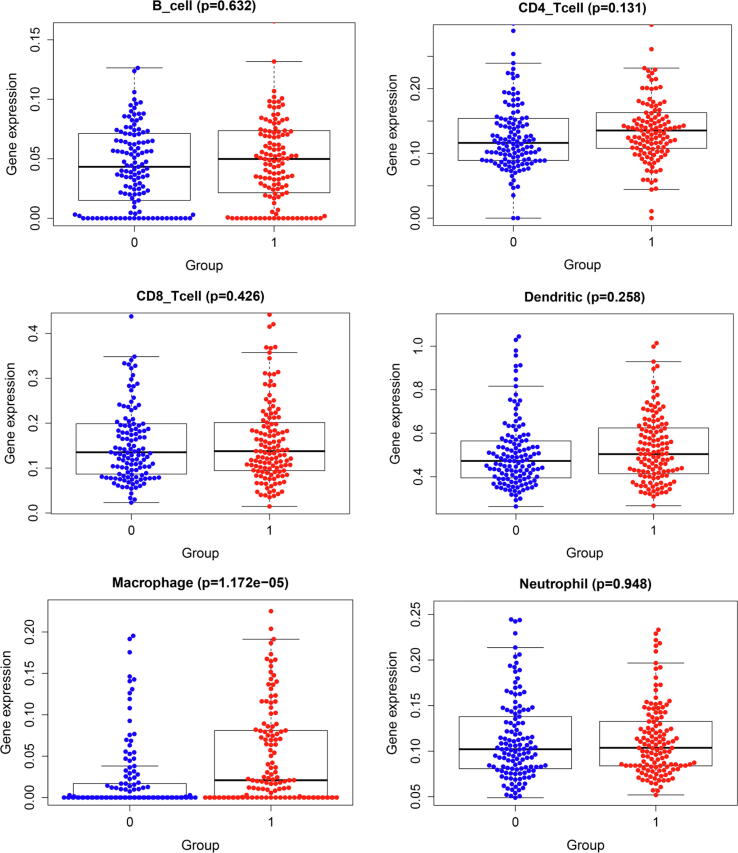
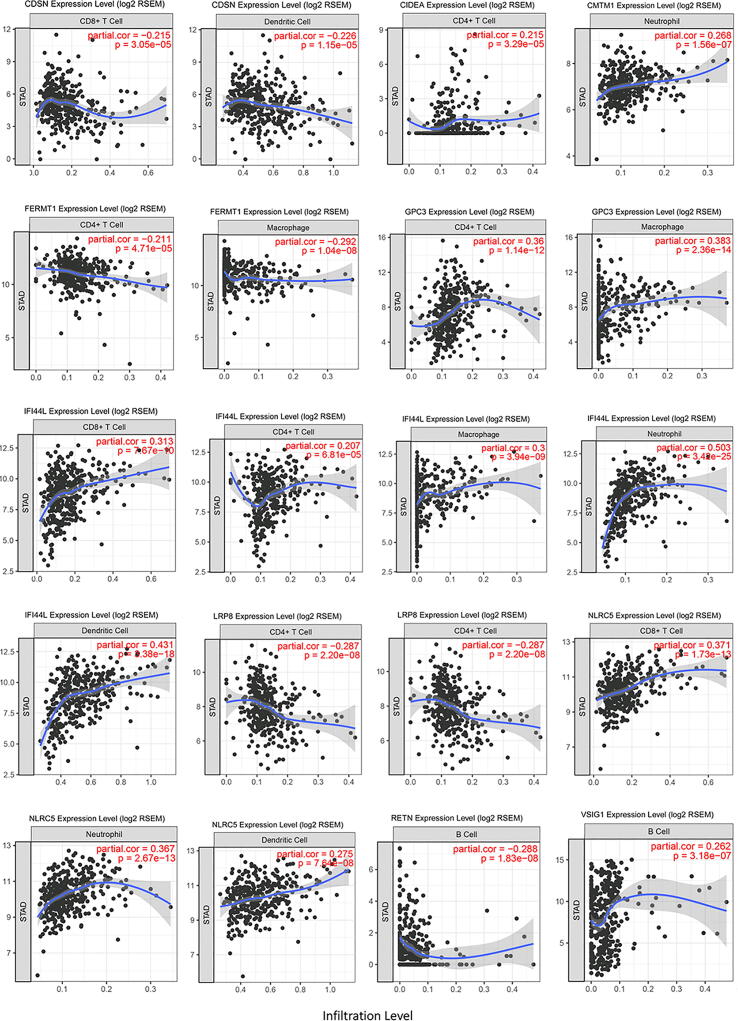
The progress of artificial intelligence algorithms and massive data provide new ideas and choices for individual mortality risk prediction for cancer patients. The current research focused on depict immune gene related regulatory network and develop an artificial intelligence survival predictive system for disease free survival of gastric cancer. Multi-task logistic regression algorithm, Cox survival regression algorithm, and Random survival forest algorithm were used to develop the artificial intelligence survival predictive system. Nineteen transcription factors and seventy immune genes were identified to construct a transcription factor regulatory network of immune genes. Multivariate Cox regression identified fourteen immune genes as prognostic markers. These immune genes were used to construct a prognostic signature for gastric cancer. Concordance indexes were 0.800, 0.809, and 0.856 for 1-, 3- and 5- year survival. An interesting artificial intelligence survival predictive system was developed based on three artificial intelligence algorithms for gastric cancer. Gastric cancer patients with high risk score have poor survival than patients with low risk score. The current study constructed a transcription factor regulatory network and developed two artificial intelligence survival prediction tools for disease free survival of gastric cancer patients. These artificial intelligence survival prediction tools are helpful for individualized treatment decision.
人工智能算法的进步和海量数据为癌症患者个体死亡风险预测提供了新的思路和选择。当前的研究聚焦于描绘免疫基因相关调控网络,并开发一种用于胃癌无病生存的人工智能生存预测系统。使用多任务逻辑回归算法、Cox生存回归算法和随机生存森林算法来开发人工智能生存预测系统。鉴定出19个转录因子和70个免疫基因,以构建免疫基因的转录因子调控网络。多变量Cox回归确定了14个免疫基因作为预后标志物。这些免疫基因被用于构建胃癌的预后特征。1年、3年和5年生存率的一致性指数分别为0.800、0.809和0.856。基于三种人工智能算法开发了一个有趣的用于胃癌的人工智能生存预测系统。高风险评分的胃癌患者比低风险评分的患者生存情况更差。当前的研究构建了一个转录因子调控网络,并开发了两种用于胃癌患者无病生存的人工智能生存预测工具。这些人工智能生存预测工具有助于个体化治疗决策。