Paini Alicia, Worth Andrew, Kulkarni Sunil, Ebbrell David, Madden Judith
European Commission, Joint Research Centre (JRC), Ispra, Italy.
Existing Substances Risk Assessment Bureau, Health Canada, Ottawa, Canada.
Comput Toxicol. 2021 May;18:100159. doi: 10.1016/j.comtox.2021.100159.
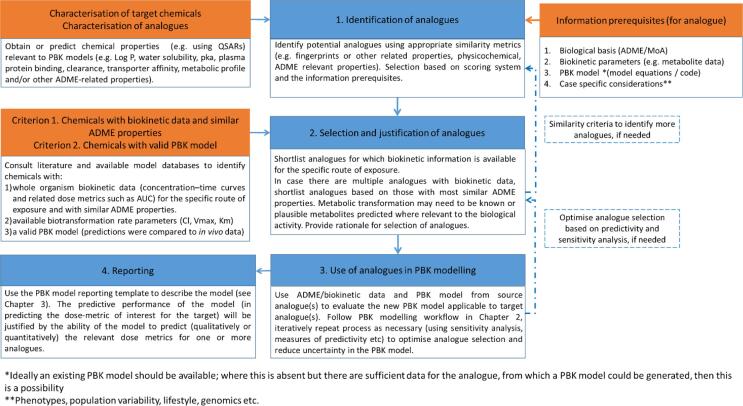
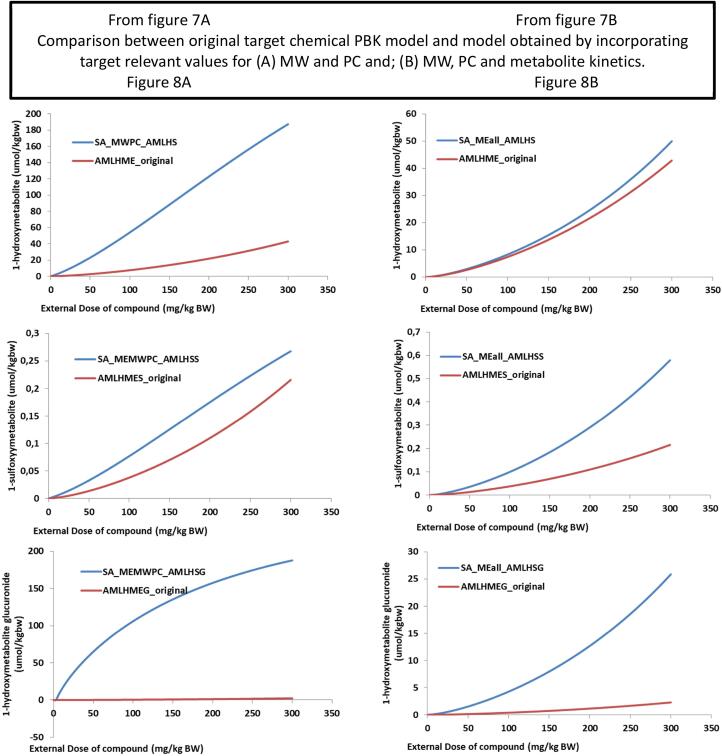
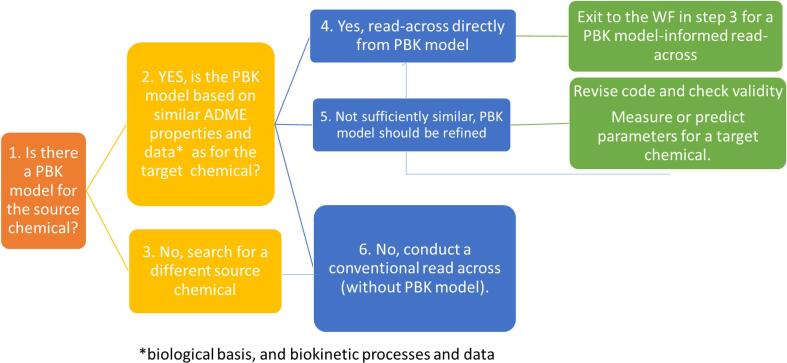
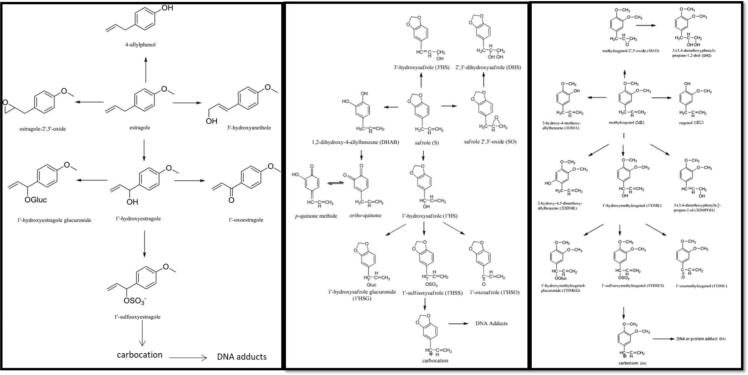
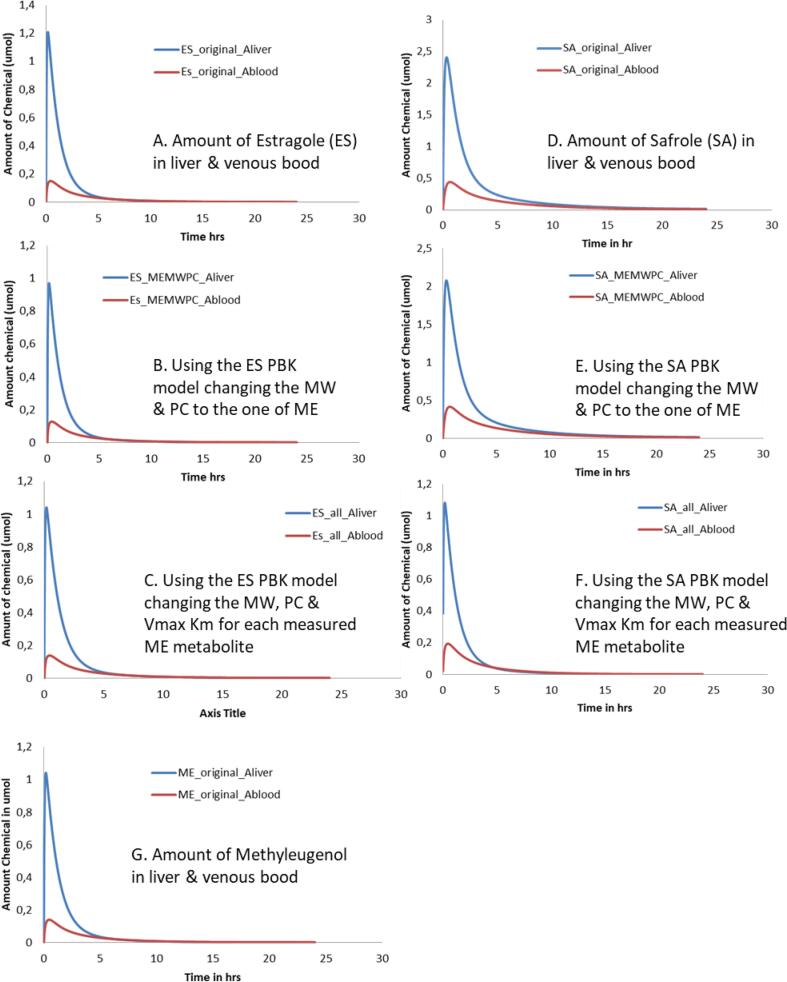
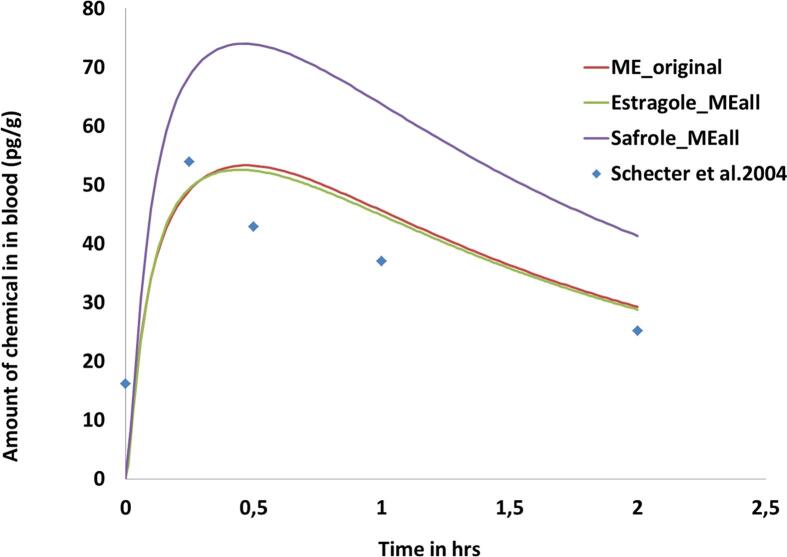
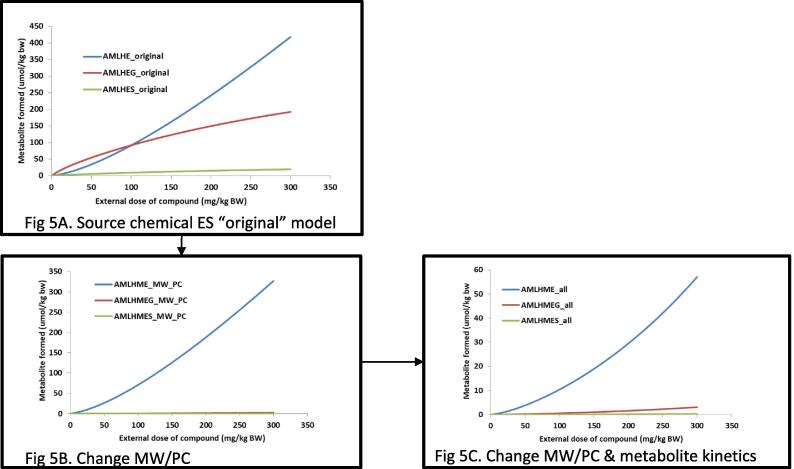
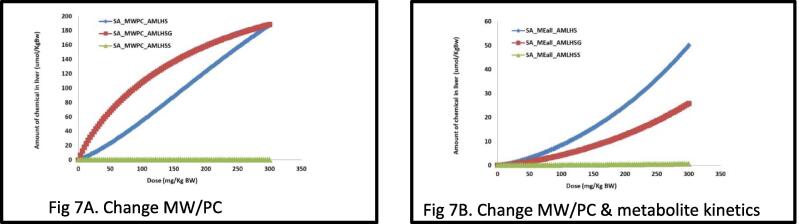
With current progress in science, there is growing interest in developing and applying Physiologically Based Kinetic (PBK) models in chemical risk assessment, as knowledge of internal exposure to chemicals is critical to understanding potential effects in vivo. In particular, a new generation of PBK models is being developed in which the model parameters are derived from in silico and in vitro methods. To increase the acceptance and use of these "Next Generation PBK models", there is a need to demonstrate their validity. However, this is challenging in the case of data-poor chemicals that are lacking in kinetic data and for which predictive capacity cannot, therefore, be assessed. The aim of this work is to lay down the fundamental steps in using a read across framework to inform modellers and risk assessors on how to develop, or evaluate, PBK models for chemicals without in vivo kinetic data. The application of a PBK model that takes into account the absorption, distribution, metabolism and excretion characteristics of the chemical reduces the uncertainties in the biokinetics and biotransformation of the chemical of interest. A strategic flow-charting application, proposed herein, allows users to identify the minimum information to perform a read-across from a data-rich chemical to its data-poor analogue(s). The workflow analysis is illustrated by means of a real case study using the alkenylbenzene class of chemicals, showing the reliability and potential of this approach. It was demonstrated that a consistent quantitative relationship between model simulations could be achieved using models for estragole and safrole (source chemicals) when applied to methyleugenol (target chemical). When the PBK model code for the source chemicals was adapted to utilise input values relevant to the target chemical, simulation was consistent between the models. The resulting PBK model for methyleugenol was further evaluated by comparing the results to an existing, published model for methyleugenol, providing further evidence that the approach was successful. This can be considered as a "read-across" approach, enabling a valid PBK model to be derived to aid the assessment of a data poor chemical.
随着科学的不断进步,在化学风险评估中开发和应用基于生理学的动力学(PBK)模型的兴趣日益浓厚,因为了解化学物质的体内暴露情况对于理解其在体内的潜在影响至关重要。特别是,新一代的PBK模型正在开发中,其模型参数源自计算机模拟和体外方法。为了提高这些“下一代PBK模型”的接受度和使用率,有必要证明其有效性。然而,对于缺乏动力学数据且无法评估预测能力的数据匮乏化学品而言,这具有挑战性。这项工作的目的是阐述使用类推框架的基本步骤,以便为建模人员和风险评估人员提供指导,说明如何为没有体内动力学数据的化学品开发或评估PBK模型。考虑到化学品吸收、分布、代谢和排泄特征的PBK模型的应用,减少了目标化学品生物动力学和生物转化方面的不确定性。本文提出的一种策略性流程图应用程序,可帮助用户确定从数据丰富的化学品类推到数据匮乏的类似物所需的最少信息。通过使用链烯基苯类化学品的实际案例研究说明了工作流程分析,展示了该方法的可靠性和潜力。结果表明,当将针对草蒿脑和黄樟素(源化学品)的模型应用于甲基丁香酚(目标化学品)时,模型模拟之间可以实现一致的定量关系。当调整源化学品的PBK模型代码以使用与目标化学品相关的输入值时,各模型之间模拟结果一致。通过将结果与现有的已发表的甲基丁香酚模型进行比较,进一步评估了所得的甲基丁香酚PBK模型,这进一步证明了该方法的成功。这可被视为一种“类推”方法,能够推导出有效的PBK模型,以帮助评估数据匮乏的化学品。