Unilever Safety and Environmental Assurance Centre, Sharnbrook MK44 1LQ, UK.
Cosmetics Europe, Auderghem 1160, Belgium.
Toxicol Sci. 2023 Oct 30;196(1):1-15. doi: 10.1093/toxsci/kfad081.
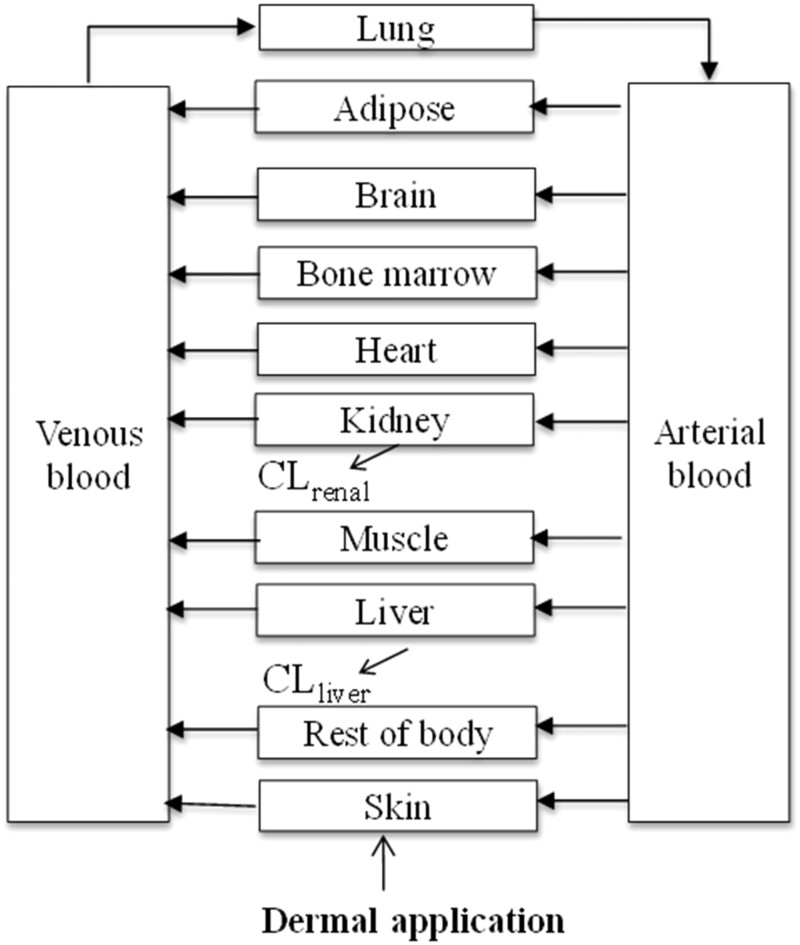
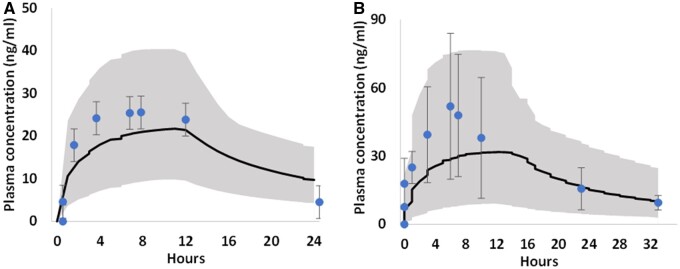
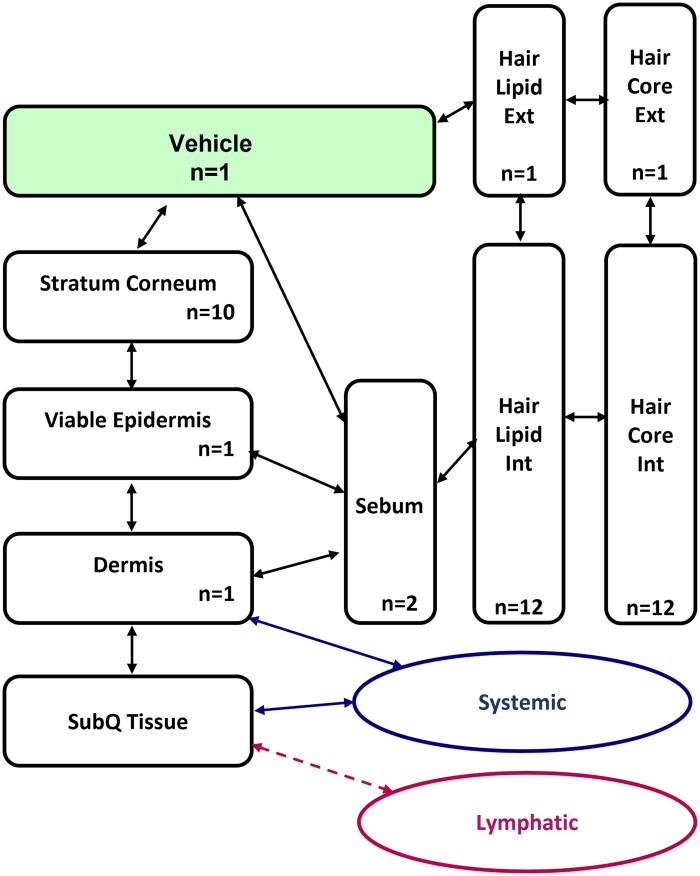
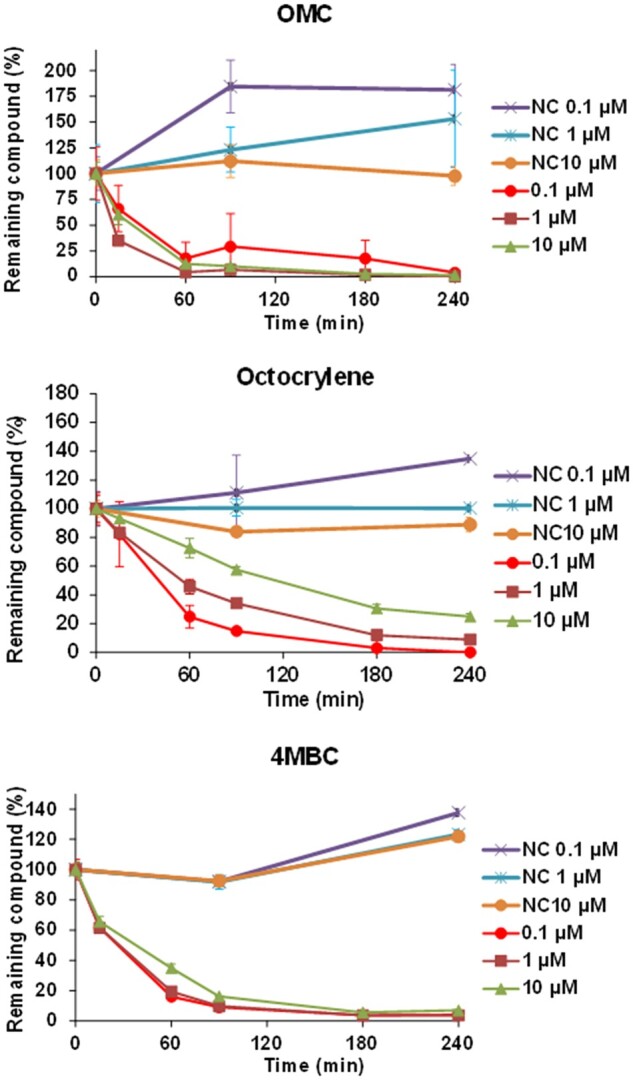
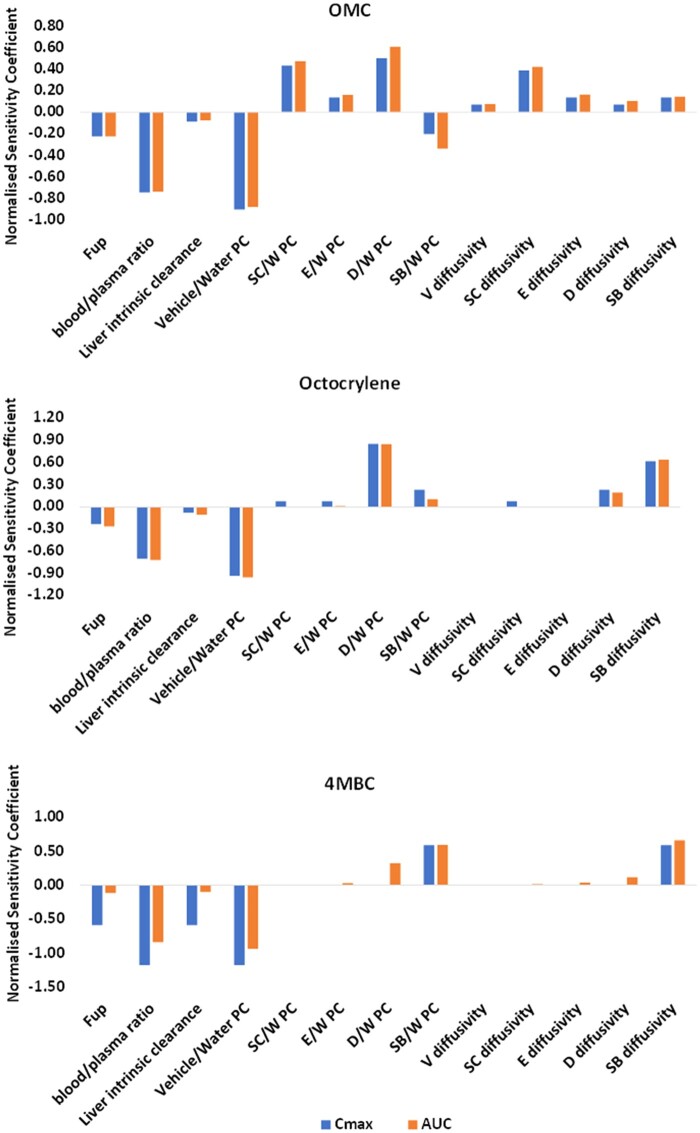
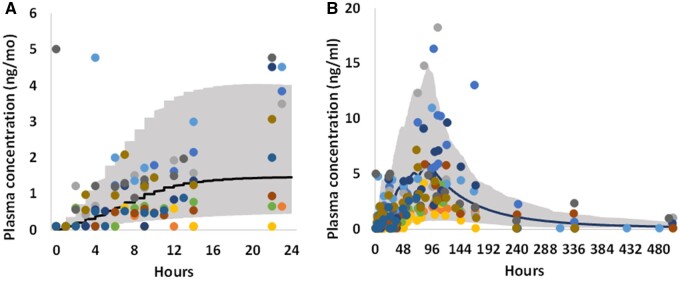
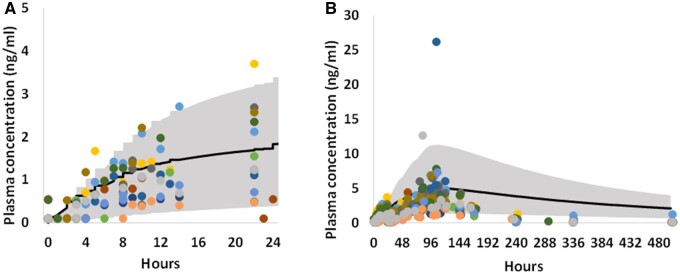
Estimating human exposure in the safety assessment of chemicals is crucial. Physiologically based kinetic (PBK) models which combine information on exposure, physiology, and chemical properties, describing the absorption, distribution, metabolism, and excretion (ADME) processes of a chemical, can be used to calculate internal exposure metrics such as maximum concentration and area under the concentration-time curve in plasma or tissues of a test chemical in next-generation risk assessment. This article demonstrates the development of PBK models for 3 UV filters, specifically octyl methoxycinnamate, octocrylene, and 4-methylbenzylidene camphor. The models were parameterized entirely based on data obtained from in vitro and/or in silico methods in a bottom-up modeling approach and then validated based on human dermal pharmacokinetic (PK) data. The 3 UV filters are "difficult to test" in in vitro test systems due to high lipophilicity, high binding affinity for proteins, and nonspecific binding, for example, toward plastic. This research work presents critical considerations in ADME data generation, interpretation, and parameterization to assure valid PBK model development to increase confidence in using PBK modeling to help make safety decisions in the absence of human PK data. The developed PBK models of the 3 chemicals successfully simulated the plasma concentration profiles of clinical PK data following dermal application, indicating the reliability of the ADME data generated and the parameters determined. The study also provides insights and lessons learned for characterizing ADME and developing PBK models for highly lipophilic and protein-bound chemicals in the future.
估算化学品安全评估中的人体暴露量至关重要。生理相关的动力学 (PBK) 模型结合了暴露、生理学和化学特性的信息,描述了化学物质的吸收、分布、代谢和排泄 (ADME) 过程,可以用于计算下一代风险评估中测试化学物质的血浆或组织中的最大浓度和浓度-时间曲线下面积等内部暴露指标。本文展示了 3 种紫外线滤光剂(辛基甲氧基肉桂酸酯、奥克立林和 4-甲基亚苄基樟脑)的 PBK 模型的开发。这些模型完全基于体外和/或计算方法的数据,采用自下而上的建模方法进行参数化,然后基于人体皮肤药代动力学 (PK) 数据进行验证。由于亲脂性高、与蛋白质的结合亲和力高以及与塑料等非特异性结合等原因,这 3 种紫外线滤光剂在体外测试系统中“难以测试”。这项研究工作提出了在 ADME 数据生成、解释和参数化方面的关键考虑因素,以确保有效开发 PBK 模型,提高在缺乏人体 PK 数据的情况下使用 PBK 模型进行安全性决策的信心。开发的 3 种化学物质的 PBK 模型成功模拟了皮肤应用后临床 PK 数据的血浆浓度曲线,表明 ADME 数据生成和确定的参数具有可靠性。该研究还为未来高度亲脂性和与蛋白质结合的化学物质的 ADME 特征描述和 PBK 模型开发提供了见解和经验教训。