Department of Medicine, Division of Hematology, Oncology, and Transplantation, University of Minnesota, Minneapolis, MN, USA.
Prostate Cancer Prostatic Dis. 2021 Dec;24(4):986-996. doi: 10.1038/s41391-021-00381-w. Epub 2021 May 25.
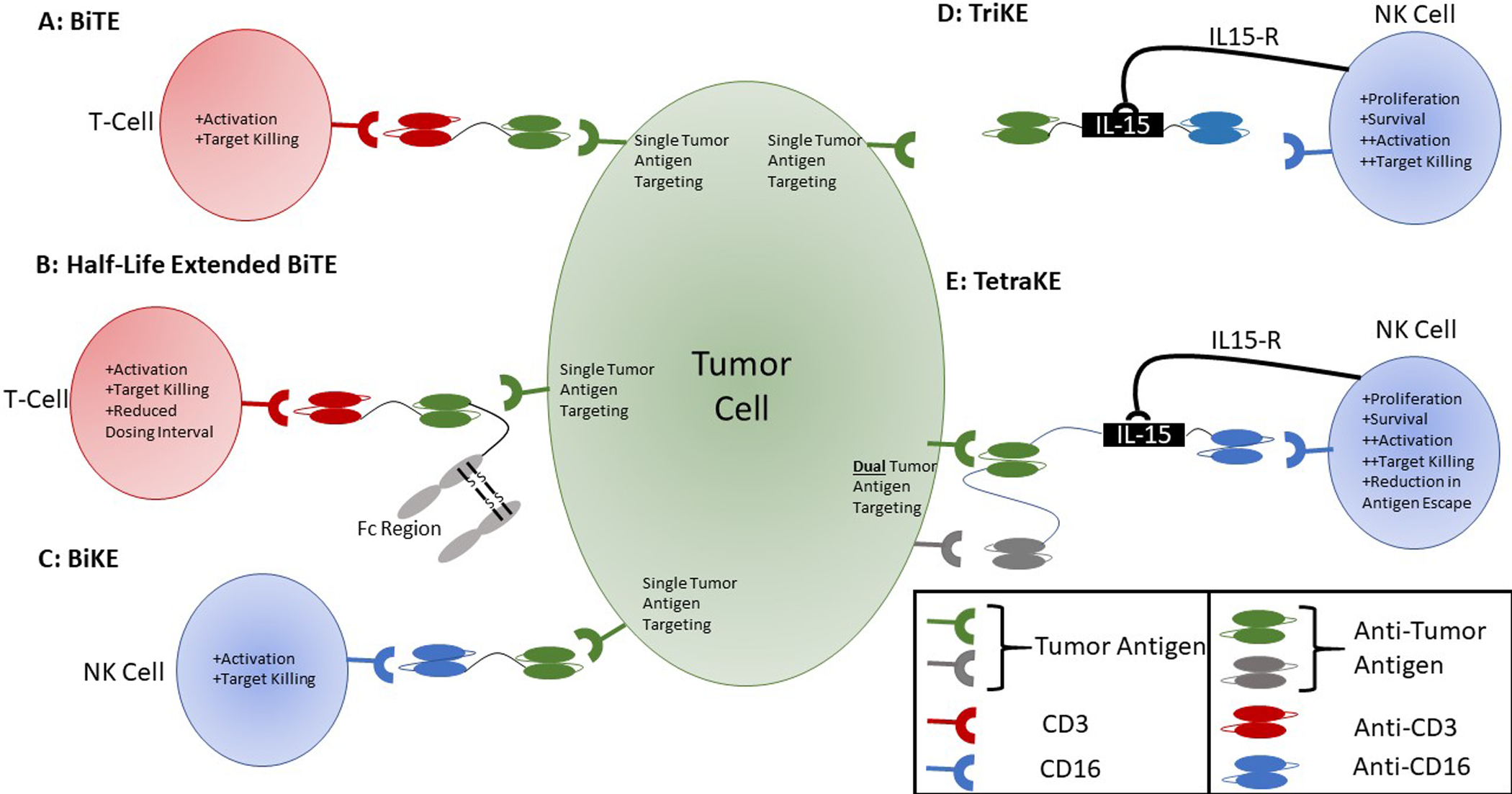
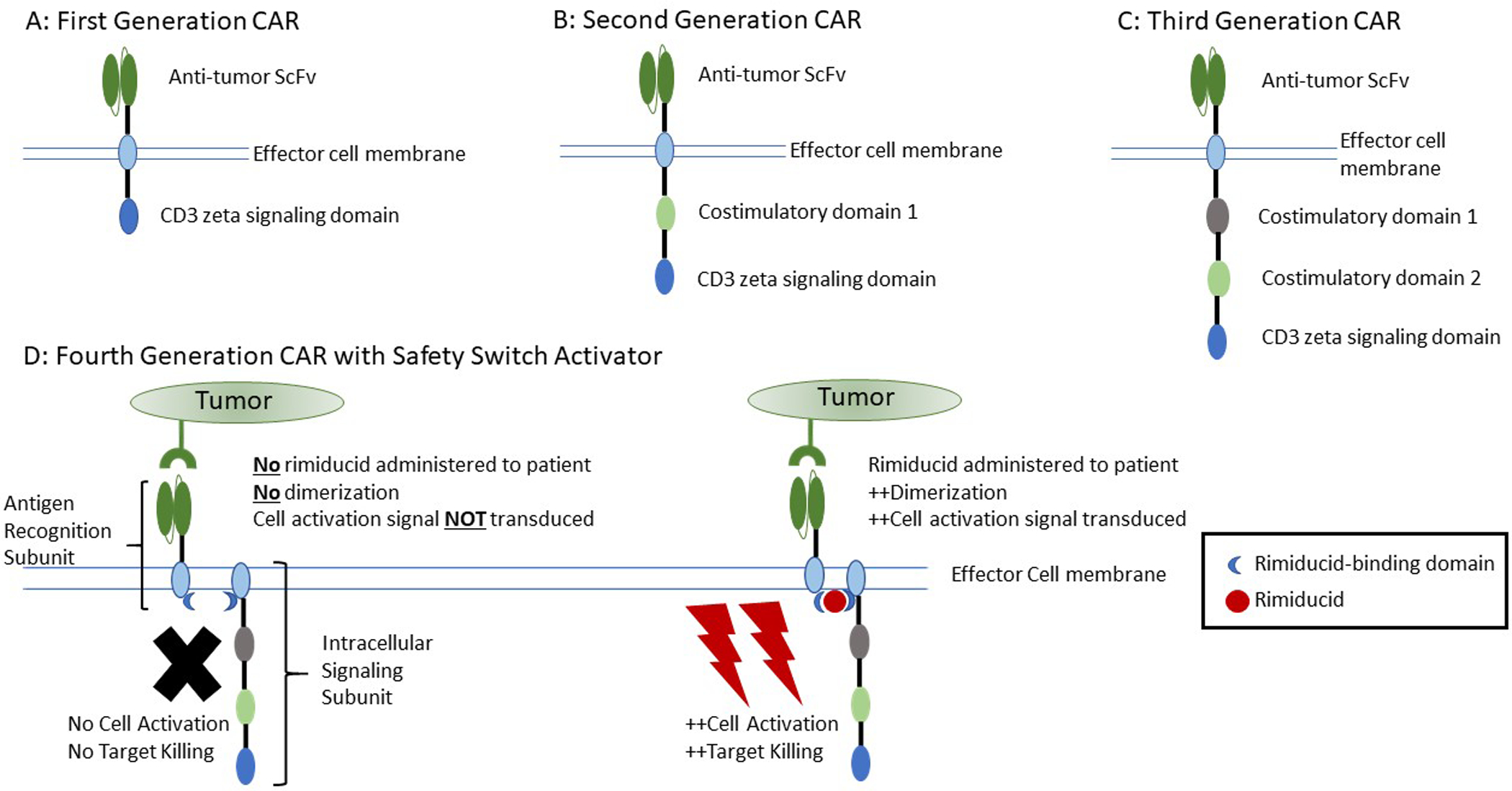
Checkpoint inhibitors and currently approved cellular products for metastatic castration-resistant prostate cancer have not resulted in revolutionary changes in outcomes compared to other solid tumors. Much of this lack of progress is attributed to the unique tumor microenvironment of prostate cancer that is often immunologically cold and immunosuppressive. These unique conditions emphasize the need for novel therapeutic options. In this review, we will discuss progress made in design of T- and NK cell immune engagers in addition to chimeric antigen receptor products specifically designed for prostate cancer that are currently under investigation in clinical trials.
We searched peer-reviewed literature on the PubMed and the ClinicalTrials.gov databases for active clinical trials using the terms "bispecific T-cell engager," "bispecific killer engager," "trispecific killer engager," "chimeric antigen receptor," "metastatic castration-resistant prostate cancer," and "neuroendocrine prostate cancer."
Ten bispecific T-cell engager studies and nine chimeric antigen receptor-based products were found. Published data were compiled and presented based on therapeutic class.
Multiple immune engagers and cell therapies are in the development pipeline and demonstrate promise to address barriers to better outcomes for metastatic castration-resistant prostate cancer patients.
与其他实体瘤相比,检查点抑制剂和目前批准用于转移性去势抵抗性前列腺癌的细胞产品并未在疗效上带来革命性变化。这种进展缓慢在很大程度上归因于前列腺癌独特的肿瘤微环境,其通常具有免疫冷性和免疫抑制性。这些独特的条件强调了需要新型治疗选择。在这篇综述中,我们将讨论在设计 T 细胞和 NK 细胞免疫衔接物方面取得的进展,以及目前正在临床试验中研究的专门针对前列腺癌设计的嵌合抗原受体产品。
我们在 PubMed 和 ClinicalTrials.gov 数据库中使用术语“双特异性 T 细胞衔接物”、“双特异性杀伤衔接物”、“三特异性杀伤衔接物”、“嵌合抗原受体”、“转移性去势抵抗性前列腺癌”和“神经内分泌前列腺癌”搜索了同行评议文献,以查找正在进行的临床试验。
发现了 10 项双特异性 T 细胞衔接物研究和 9 项基于嵌合抗原受体的产品。根据治疗类别汇编和呈现了已发表的数据。
多种免疫衔接物和细胞疗法正在开发中,有望解决转移性去势抵抗性前列腺癌患者疗效不佳的障碍。