Department of Integrated Traditional Chinese Medicine (TCM) & Western Medicine, Shanghai First Maternity and Infant Hospital, School of Medicine, Tongji University, Shanghai, China.
Department of Gynecology, Shanghai First Maternity and Infant Hospital, School of Medicine, Tongji University, Shanghai, China.
Front Immunol. 2021 May 4;12:604222. doi: 10.3389/fimmu.2021.604222. eCollection 2021.
Antiphospholipid syndrome (APS) is a systemic autoimmune disease that can lead to thrombosis and/or pregnancy complications. Exosomes, membrane-encapsulated vesicles that are released into the extracellular environment by many types of cells, can carry signals to recipient cells to affect angiogenesis, apoptosis, and inflammation. There is increasing evidence suggesting that exosomes play critical roles in pregnancy. However, the contribution of exosomes to APS is still unknown.
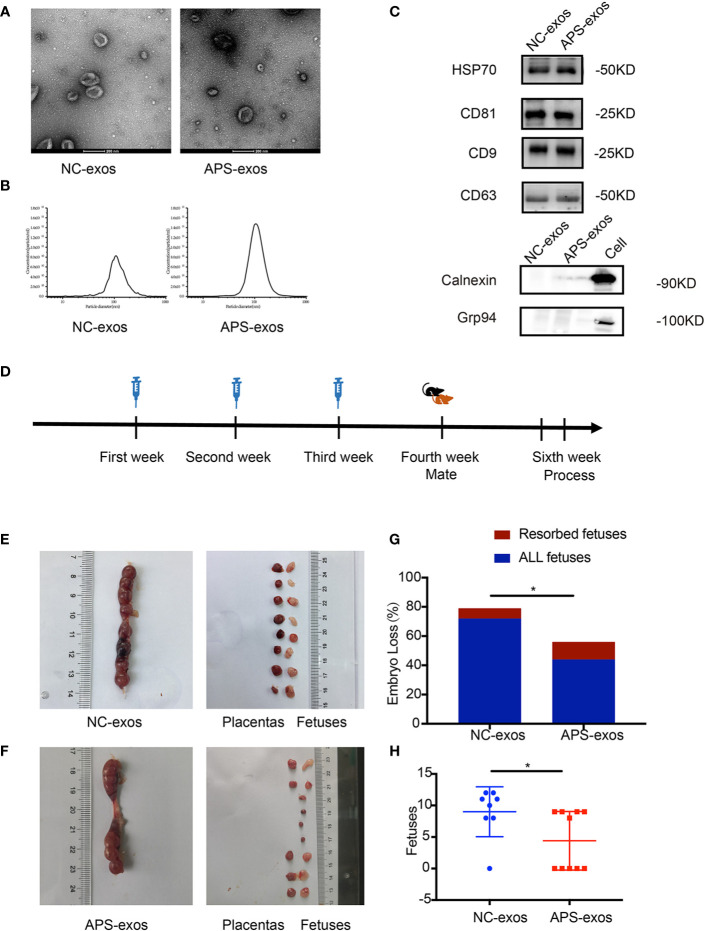
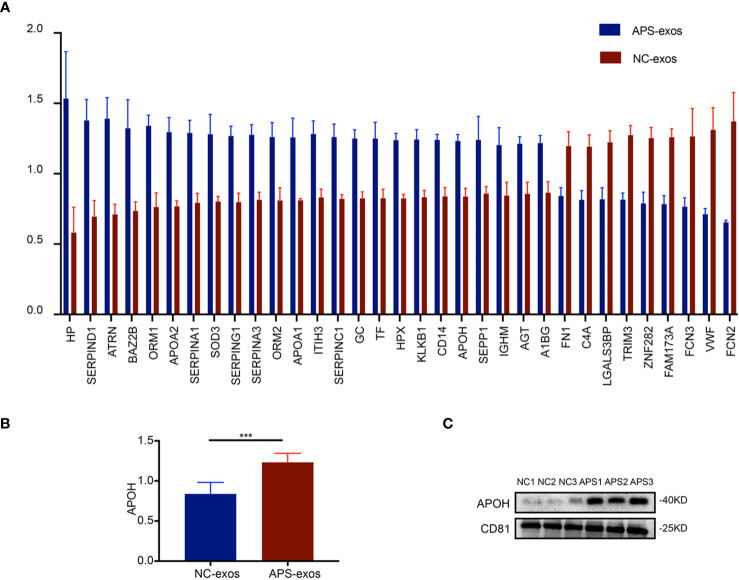
Peripheral plasma was collected from healthy early pregnancy patients (NC-exos) and early pregnancy patients with APS (APS-exos) for exosome extraction and characterization. The effect of exosomes from different sources on pregnancy outcomes was determined by establishing a mouse pregnancy model. Following the coincubation of exosomes and human umbilical vein endothelial cells (HUVECs), functional tests examined the features of APS-exos. The APS-exos and NC-exos were analyzed by quantitative proteomics of whole protein tandem mass tag (TMT) markers to explore the different compositions and identify key proteins. After incubation with HUVECs, functional tests investigated the characteristics of key exosomal proteins. Western blot analysis was used to identify the key pathways.
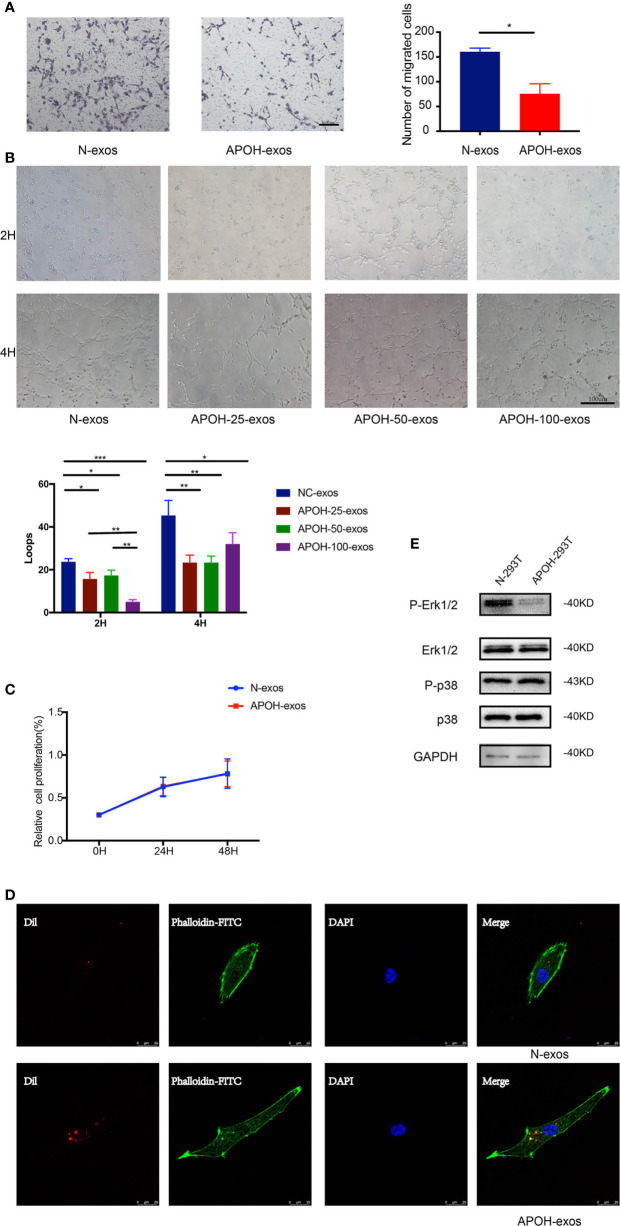
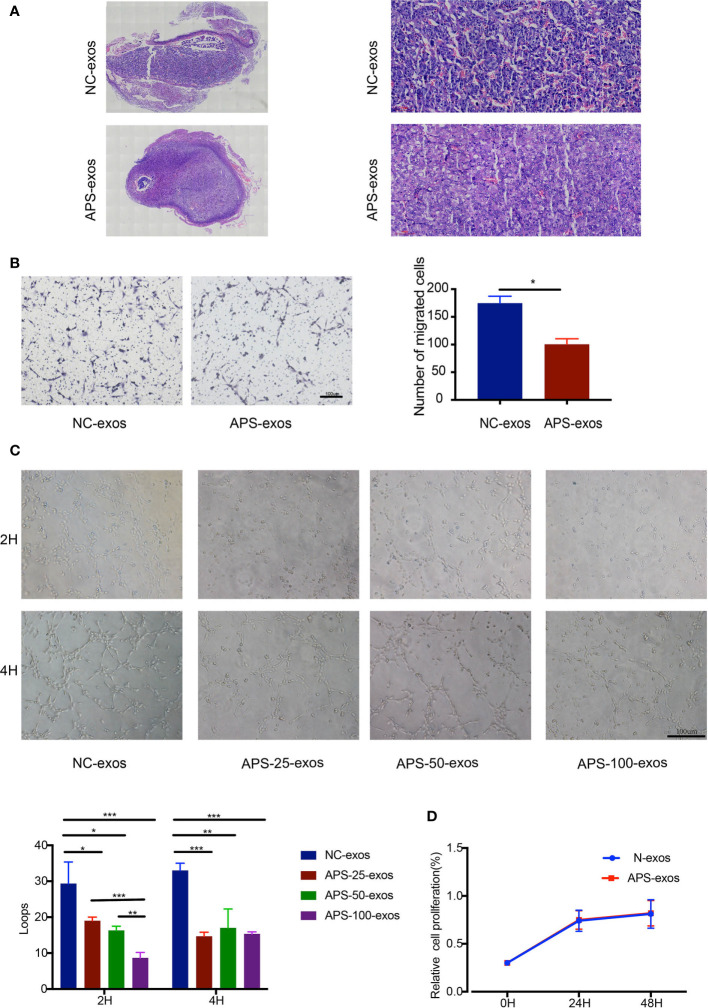
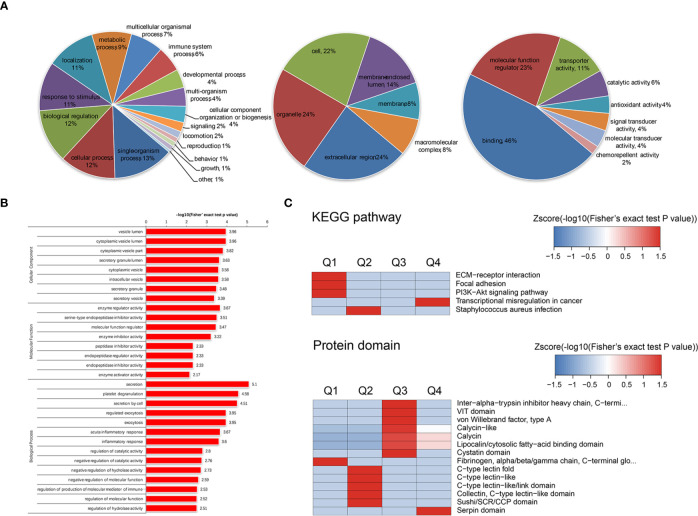
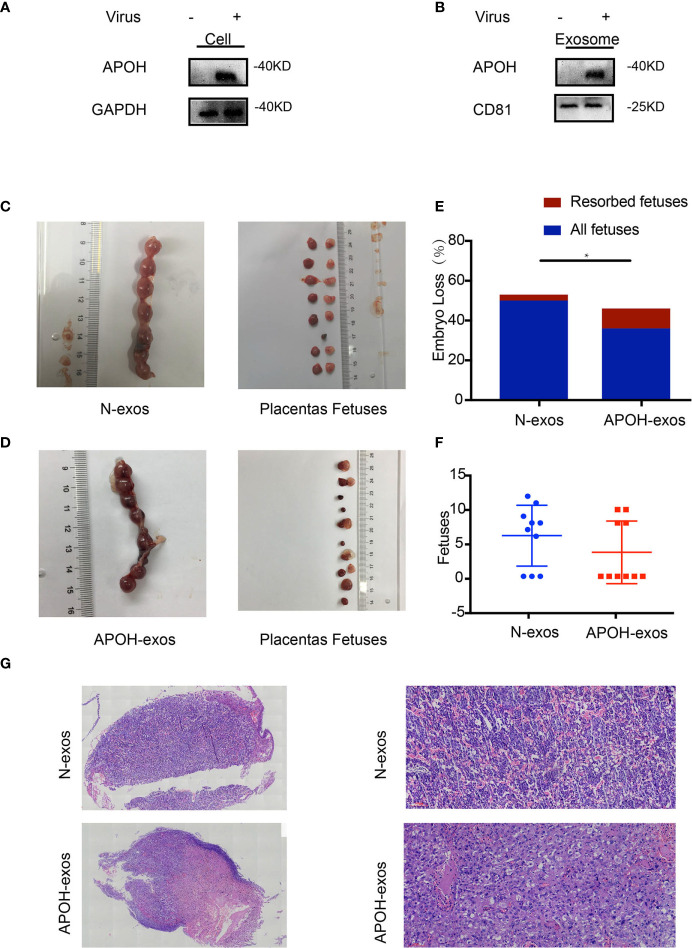
In the mouse model, APS-exos caused an APS-like birth outcome. In vitro experiments showed that APS-exos inhibited the migration and tube formation of HUVECs. Quantitative proteomics analysis identified 27 upregulated proteins and 9 downregulated proteins in APS-exos versus NC-exos. We hypothesized that apolipoprotein H (APOH) may be a core protein, and the analysis of clinical samples was consistent with finding from the proteomic TMT analysis. APOH-exos led to APS-like birth outcomes. APOH-exos directly enter HUVECs and may play a role through the phospho-extracellular signal-regulated kinase pathway.
Our study suggests that both APS-exos and APOH-exos impair vascular development and lead to pregnancy complications. APOH-exos may be key actors in the pathogenesis of APS. This study provides new insights into the pathogenesis of APS and potential new targets for therapeutic intervention.
抗磷脂综合征(APS)是一种全身性自身免疫性疾病,可导致血栓形成和/或妊娠并发症。外泌体是由许多类型的细胞释放到细胞外环境中的膜包裹的囊泡,可以向受体细胞传递信号,影响血管生成、细胞凋亡和炎症。越来越多的证据表明,外泌体在妊娠中发挥着关键作用。然而,外泌体在 APS 中的作用仍不清楚。
从健康早孕期患者(NC-exos)和早孕期 APS 患者(APS-exos)中采集外周血浆进行外泌体提取和鉴定。通过建立小鼠妊娠模型,确定来自不同来源的外泌体对妊娠结局的影响。在将外泌体与人脐静脉内皮细胞(HUVEC)共孵育后,进行功能试验以检查 APS-exos 的特征。通过全蛋白串联质量标签(TMT)标志物的定量蛋白质组学分析,对 APS-exos 和 NC-exos 进行分析,以探索不同的组成并鉴定关键蛋白。孵育 HUVEC 后,通过功能试验研究关键外泌体蛋白的特征。通过 Western blot 分析鉴定关键途径。
在小鼠模型中,APS-exos 导致 APS 样的出生结局。体外实验表明,APS-exos 抑制 HUVEC 的迁移和管形成。定量蛋白质组学分析鉴定出 APS-exos 与 NC-exos 相比有 27 个上调蛋白和 9 个下调蛋白。我们假设载脂蛋白 H(APOH)可能是核心蛋白,对临床样本的分析与蛋白质组学 TMT 分析的结果一致。APOH-exos 导致 APS 样的出生结局。APOH-exos 直接进入 HUVECs,并可能通过磷酸化细胞外信号调节激酶途径发挥作用。
我们的研究表明,APS-exos 和 APOH-exos 均损害血管发育并导致妊娠并发症。APOH-exos 可能是 APS 发病机制的关键因素。这项研究为 APS 的发病机制提供了新的见解,并为治疗干预提供了新的潜在靶点。