Fujian Provincial Key Laboratory of Soil Environmental Health and Regulation, College of Resources and Environment, Fujian Agriculture and Forestry University, Fuzhou, 350002, China.
International Magnesium Institute, College of Resources and Environment, Fujian Agriculture and Forestry University, Fuzhou, 350002, China.
BMC Plant Biol. 2021 May 27;21(1):239. doi: 10.1186/s12870-021-03028-z.
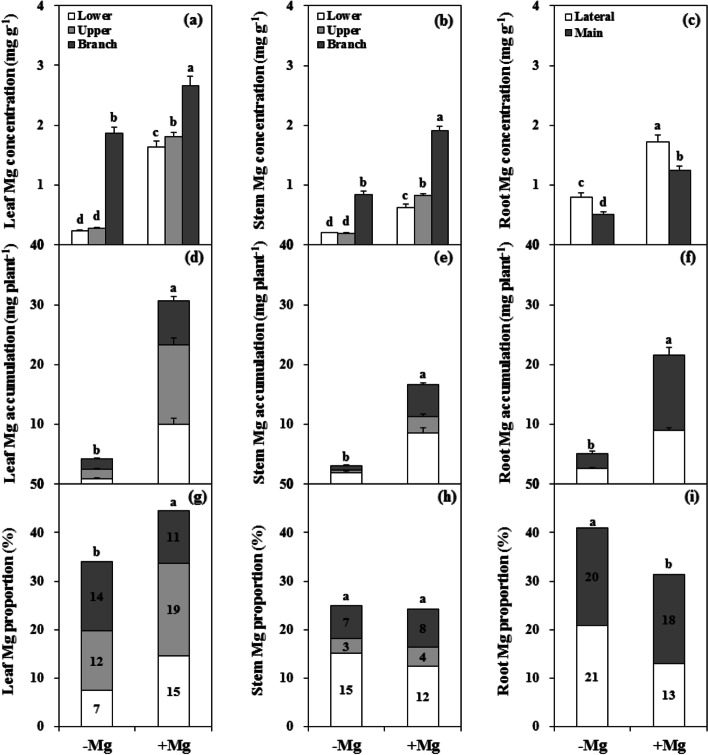
In this study, we aimed to test the hypothesis that magnesium (Mg) remobilization in citrus plants is regulated by Mg supply and contributes to differences in the growth of the parent and branch organs. Citrus seedlings were grown in sand under Mg deficient (0 mmol Mg L, -Mg) and Mg sufficient (2 mmol Mg L, + Mg) conditions. The effects on biomass, Mg uptake and transport, gas exchange and chlorophyll fluorescence, as well as related morphological and physiological parameters were evaluated in different organs.
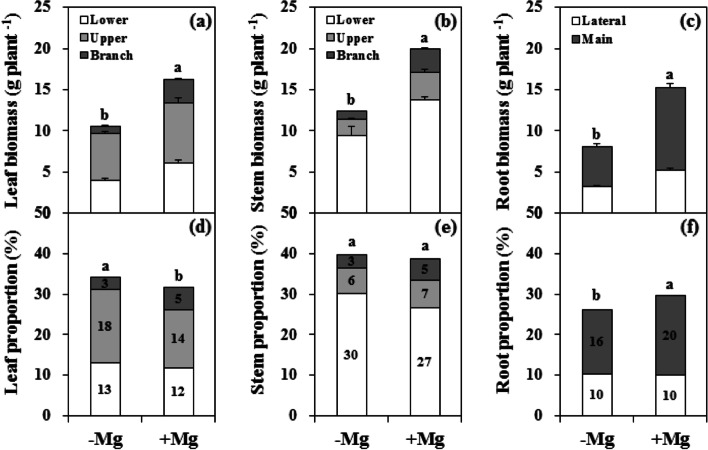
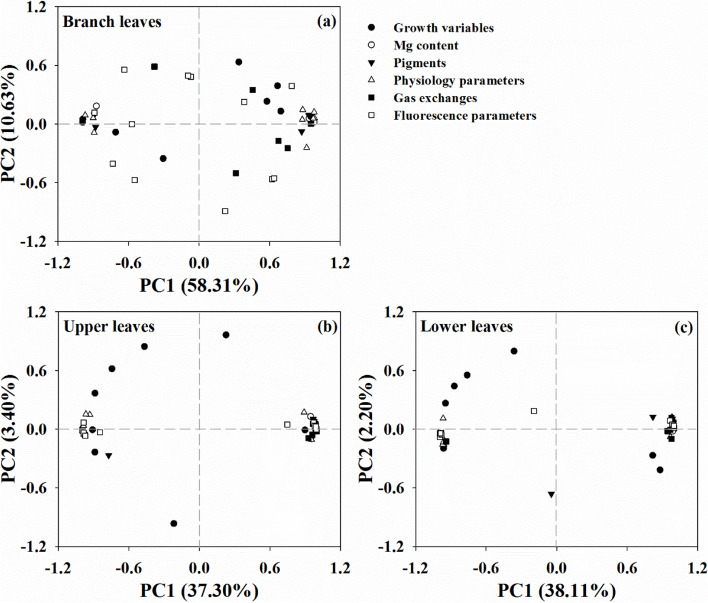
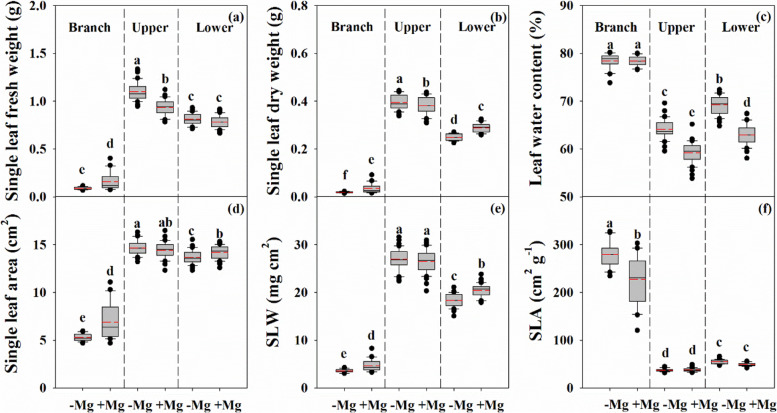
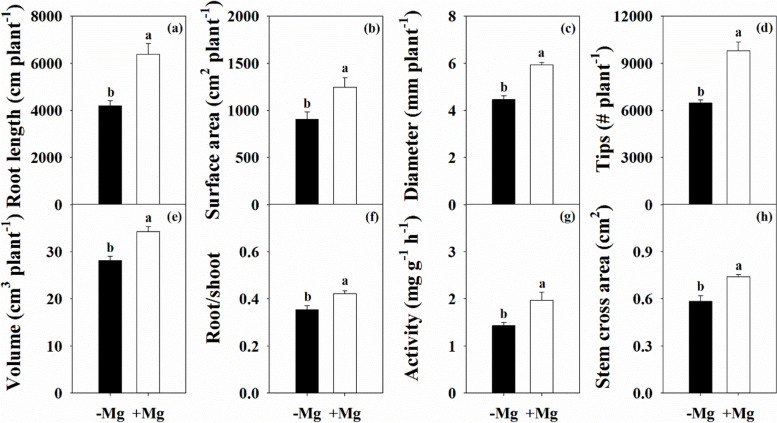
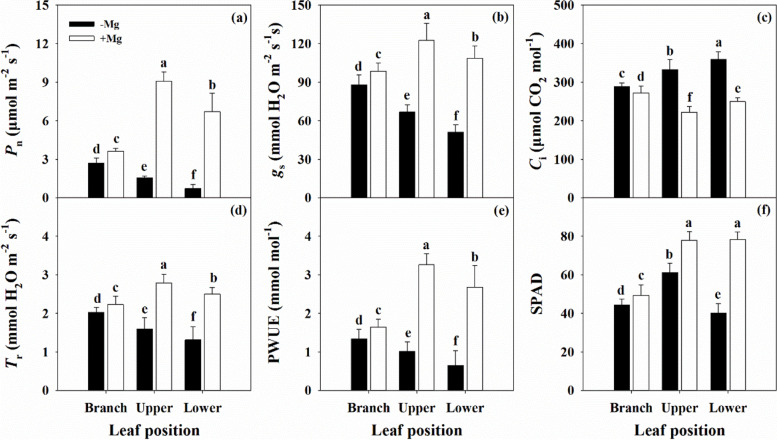
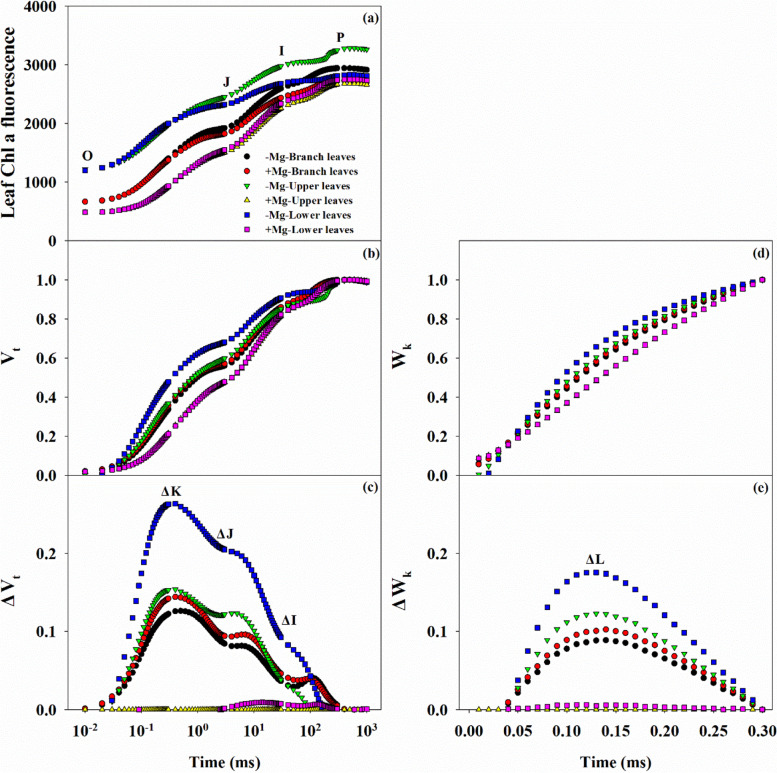
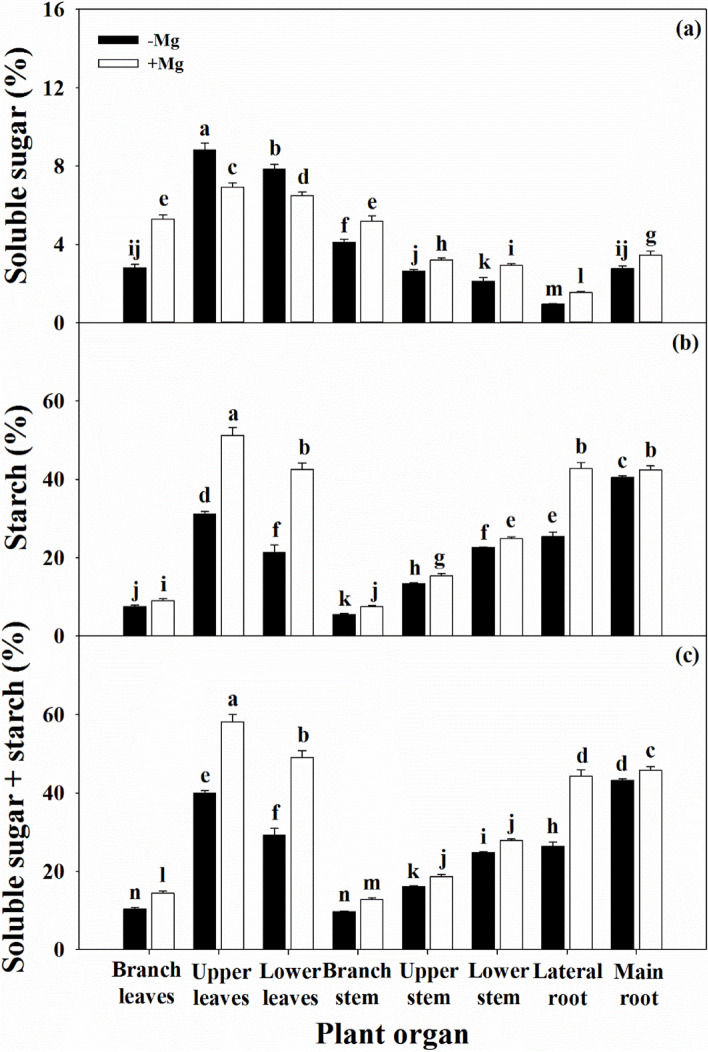
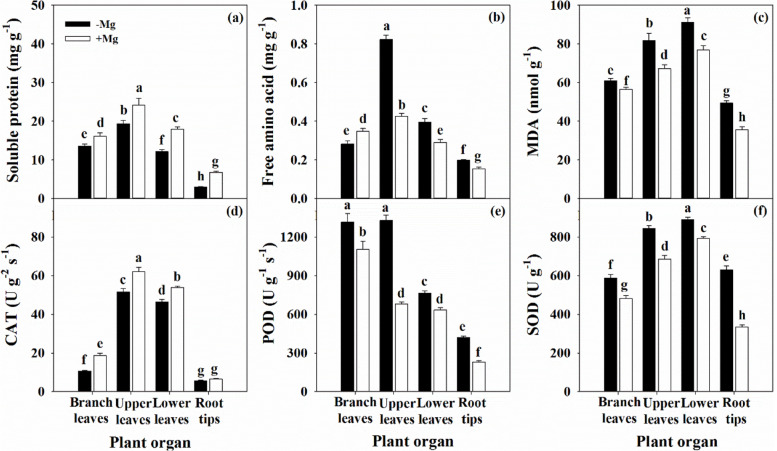
Mg deficiency significantly decreased plant biomass, with a decrease in total plant biomass of 39.6%, and a greater than twofold decrease in the branch organs compared with that of the parent organs. Reduced photosynthesis capacity was caused by a decreased in pigment levels and photosynthetic electron transport chain disruption, thus affecting non-structural carbohydrate accumulation and plant growth. However, the adaptive responses of branch leaves to Mg deficiency were greater than those in parent leaves. Mg deficiency inhibited plant Mg uptake but enhanced Mg remobilization from parent to branch organs, thus changing related growth variables and physiological parameters, including protein synthesis and antioxidant enzyme activity. Moreover, in the principal components analysis, these variations were highly clustered in both the upper and lower parent leaves, but highly separated in branch leaves under the different Mg conditions.
Mg deficiency inhibits the growth of the parent and branch organs of citrus plants, with high Mg mobility contributing to differences in physiological metabolism. These findings suggest that Mg management should be optimized for sustainable citrus production.
本研究旨在验证以下假说,即在柑橘植株中镁(Mg)的再利用受 Mg 供应的调节,并有助于母本和侧枝器官生长的差异。将柑橘幼苗种植在沙中,使其处于 Mg 缺乏(0 mmol Mg L,-Mg)和 Mg 充足(2 mmol Mg L,+Mg)条件下。在不同器官中评估了对生物量、Mg 吸收和运输、气体交换和叶绿素荧光以及相关形态和生理参数的影响。
Mg 缺乏显著降低了植物生物量,总植物生物量减少了 39.6%,侧枝器官的生物量比母本器官减少了两倍多。由于色素水平降低和光合电子传递链破坏,导致光合作用能力下降,从而影响非结构性碳水化合物的积累和植物生长。然而,侧枝叶片对 Mg 缺乏的适应反应大于母本叶片。Mg 缺乏抑制植物 Mg 吸收,但增强了 Mg 从母本到侧枝器官的再利用,从而改变了相关的生长变量和生理参数,包括蛋白质合成和抗氧化酶活性。此外,在主成分分析中,这些变化在上部和下部母叶中高度聚类,但在不同 Mg 条件下的侧枝叶片中高度分离。
Mg 缺乏抑制了柑橘植株母本和侧枝器官的生长,Mg 的高流动性有助于生理代谢的差异。这些发现表明,应优化 Mg 管理以实现可持续的柑橘生产。