Stanton Amelia M, Goodman Georgia, Looby Sara E, Robbins Gregory K, Psaros Christina
Department of Psychiatry, Massachusetts General Hospital/Harvard Medical School, Boston, MA, USA.
The Fenway Institute, Fenway Health, Boston, MA, USA.
Curr Sex Health Rep. 2019 Dec;11:320-330. doi: 10.1007/s11930-019-00227-6. Epub 2019 Nov 4.
Sexual well-being and intimacy are critical to overall quality of life and retain a high degree of significance for aging individuals, even though these considerations are often overlooked in older populations. Sexual health may be particularly impacted in older individuals living with HIV, especially women, as a result of both physical and psychosocial disease-specific factors. Despite this, sexuality research related to HIV has traditionally focused on risk reduction, rather than on other elements of sexual wellness. In this review, we examine several aspects of sexual well-being that may be important to older women living with HIV (OWLH).
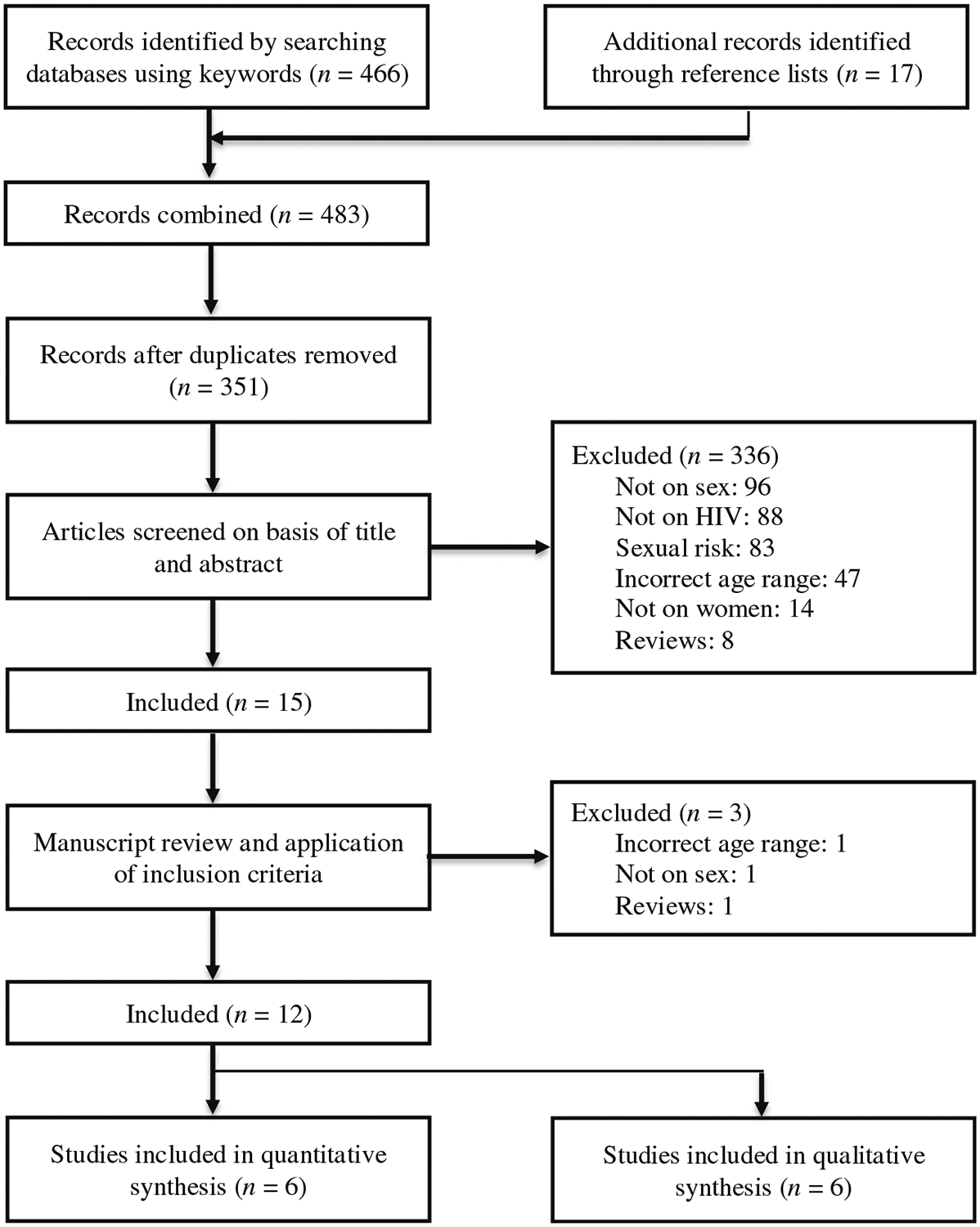
This review summarizes existing literature on sexuality in OWLH over the age of 50 and explores five themes related to sexual health: physical and emotional intimacy, desire/interest, satisfaction/pleasure, frequency of sexual activity, and abstinence. Reduced intimacy among OWLH was reported across most studies, due to stigma and disclosure concerns, lack of opportunity for relationships, and difficulty communicating sexual preferences. Data on sexual desire/interest and satisfaction/pleasure among OWLH were mixed. Frequency of sexual activity varied widely across studies, and abstinence emerged as both an intentional and inadvertent decision for OWLH. Factors related to menopause as it relates to sexuality and HIV are also discussed.
Sexual health and well-being are important to women living with HIV over 50, though key components such as intimacy, desire, and pleasure remain poorly understood. As this population continues to grow, comprehensive and age-specific interventions are needed to examine positive aspects of sexuality and promote sexual wellness among OWLH.
性健康和亲密关系对整体生活质量至关重要,对老年人也具有高度重要性,尽管这些因素在老年人群体中常常被忽视。由于特定疾病的生理和心理社会因素,感染艾滋病毒的老年人,尤其是女性,其性健康可能会受到特别影响。尽管如此,传统上与艾滋病毒相关的性研究主要集中在降低风险方面,而非性健康的其他要素。在本综述中,我们探讨了对感染艾滋病毒的老年女性(OWLH)可能重要的性健康的几个方面。
本综述总结了关于50岁以上感染艾滋病毒的老年女性的性方面的现有文献,并探讨了与性健康相关的五个主题:身体和情感亲密、欲望/兴趣、满意度/愉悦感、性活动频率以及禁欲。大多数研究报告称,由于耻辱感和披露问题、缺乏建立关系的机会以及难以交流性偏好,感染艾滋病毒的老年女性之间的亲密关系减少。关于感染艾滋病毒的老年女性的性欲/兴趣和满意度/愉悦感的数据不一。性活动频率在各项研究中差异很大,禁欲成为感染艾滋病毒的老年女性有意或无意的决定。还讨论了与绝经相关的、与性和艾滋病毒有关的因素。
性健康和幸福对50岁以上感染艾滋病毒的女性很重要,尽管亲密、欲望和愉悦等关键要素仍未得到充分理解。随着这一人群的不断增加,需要全面且针对特定年龄段的干预措施,以研究性的积极方面,并促进感染艾滋病毒的老年女性的性健康。