Mitchell Cancer Institute, University of South Alabama, Mobile, AL, USA.
Department of Pathology, College of Medicine, University of South Alabama, Mobile, AL, USA.
FASEB J. 2021 Jun;35(6):e21620. doi: 10.1096/fj.202100067R.
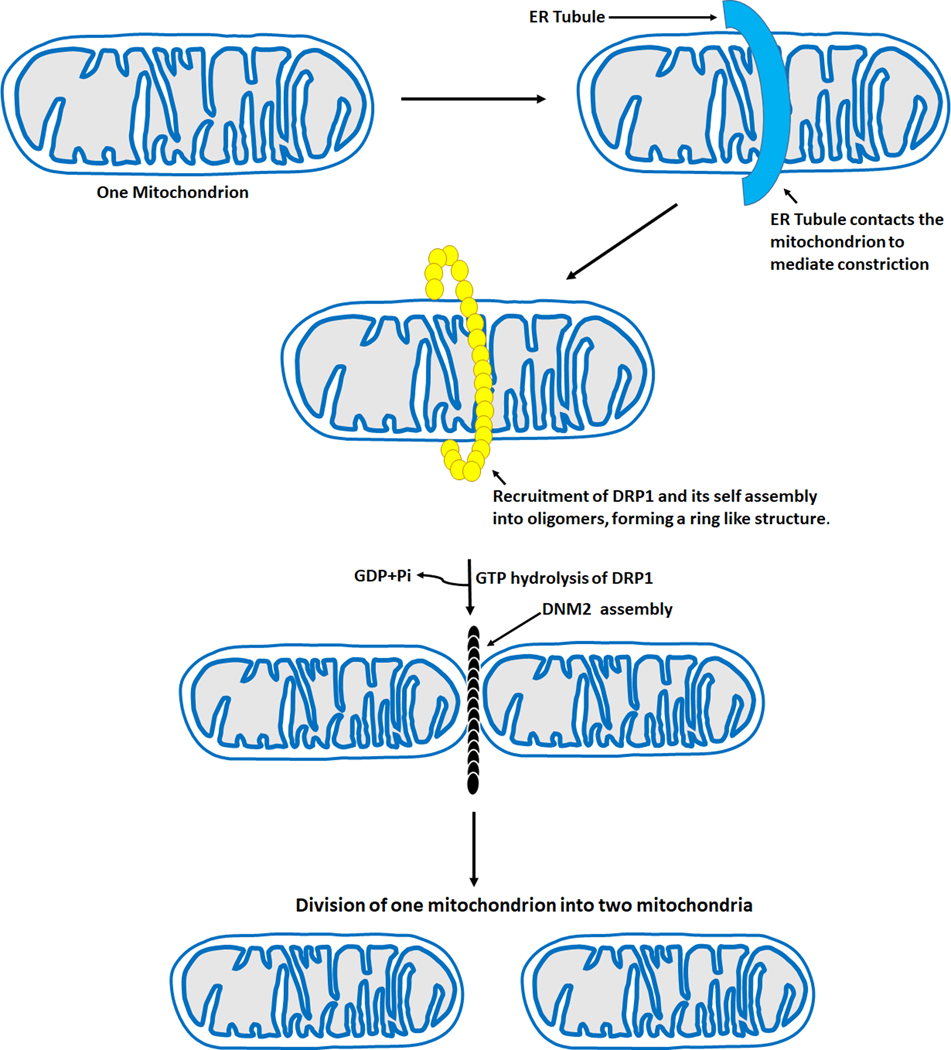
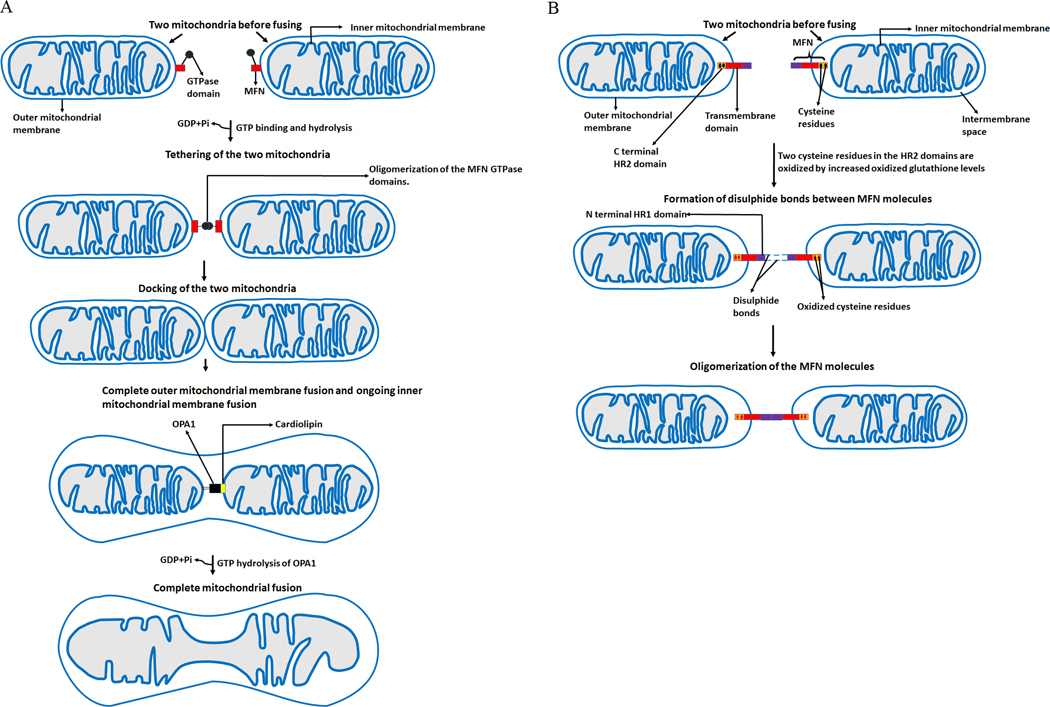
Mitochondria are highly dynamic, maternally inherited cytoplasmic organelles, which fulfill cellular energy demand through the oxidative phosphorylation system. Besides, they play an active role in calcium and damage-associated molecular patterns signaling, amino acid, and lipid metabolism, and apoptosis. Thus, the maintenance of mitochondrial integrity and homeostasis is extremely critical, which is achieved through continual fusion and fission. Mitochondrial fusion allows the transfer of gene products between mitochondria for optimal functioning, especially under metabolic and environmental stress. On the other hand, fission is crucial for mitochondrial division and quality control. The imbalance between these two processes is associated with various ailments such as cancer, neurodegenerative and cardiovascular diseases. This review discusses the molecular mechanisms that control mitochondrial fusion and fission and how the disruption of mitochondrial dynamics manifests into various disease conditions.
线粒体是高度动态的、母系遗传的细胞质细胞器,通过氧化磷酸化系统满足细胞的能量需求。此外,它们在钙和损伤相关分子模式信号、氨基酸和脂质代谢以及细胞凋亡中发挥积极作用。因此,维持线粒体的完整性和动态平衡是极其关键的,这是通过持续的融合和分裂来实现的。线粒体融合允许基因产物在线粒体之间转移,以实现最佳功能,尤其是在代谢和环境压力下。另一方面,分裂对于线粒体的分裂和质量控制至关重要。这两个过程之间的不平衡与各种疾病有关,如癌症、神经退行性疾病和心血管疾病。这篇综述讨论了控制线粒体融合和分裂的分子机制,以及线粒体动力学的破坏如何表现为各种疾病状态。