Division of Global Health Protection, Center for Global Health, Centers for Disease Control and Prevention, Atlanta, GA.
Sierra Leone Epidemiological Data Team, ICAP, Freetown, Sierra Leone.
Ann Epidemiol. 2021 Dec;64:15-22. doi: 10.1016/j.annepidem.2021.05.003. Epub 2021 May 28.
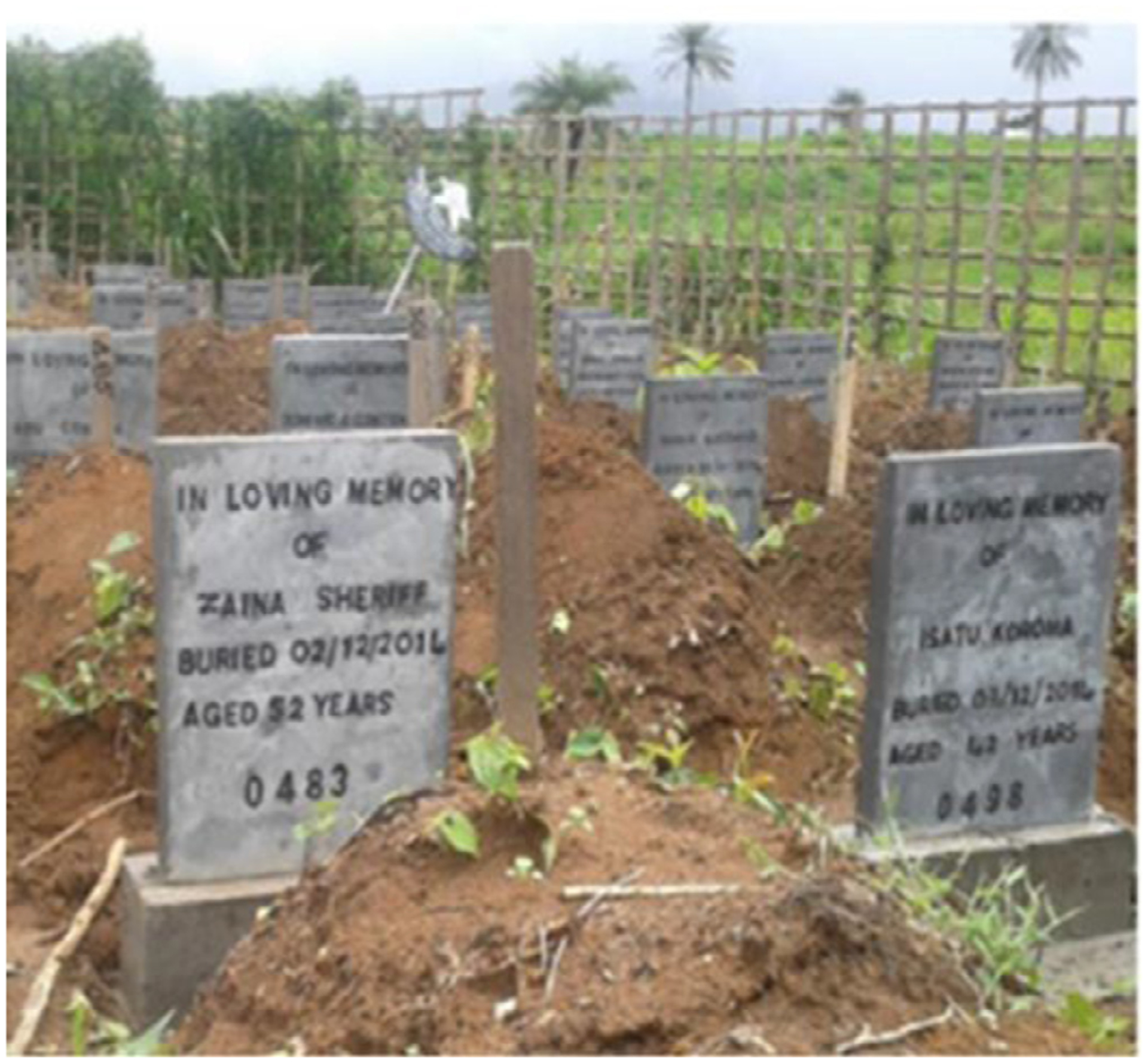
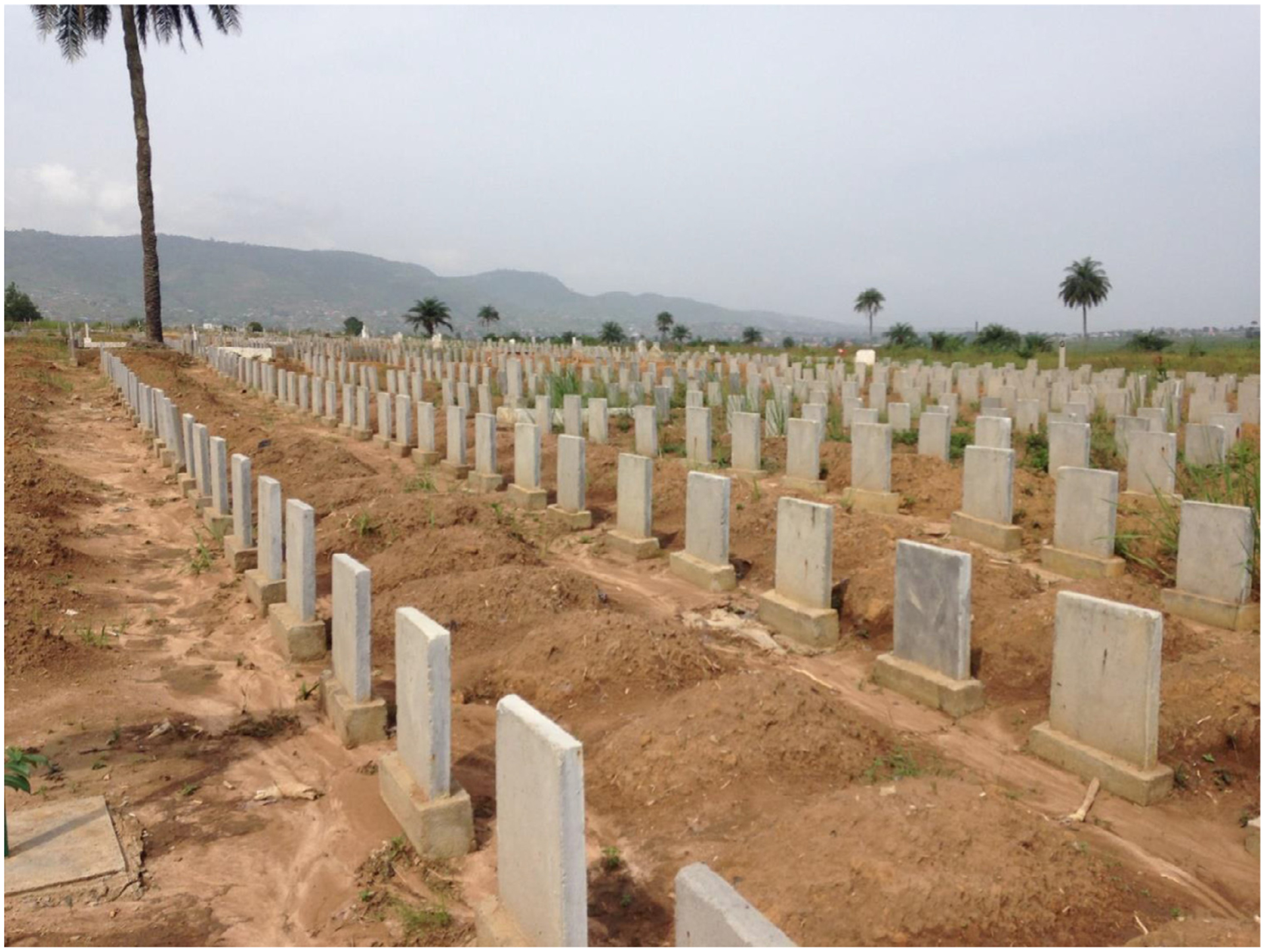
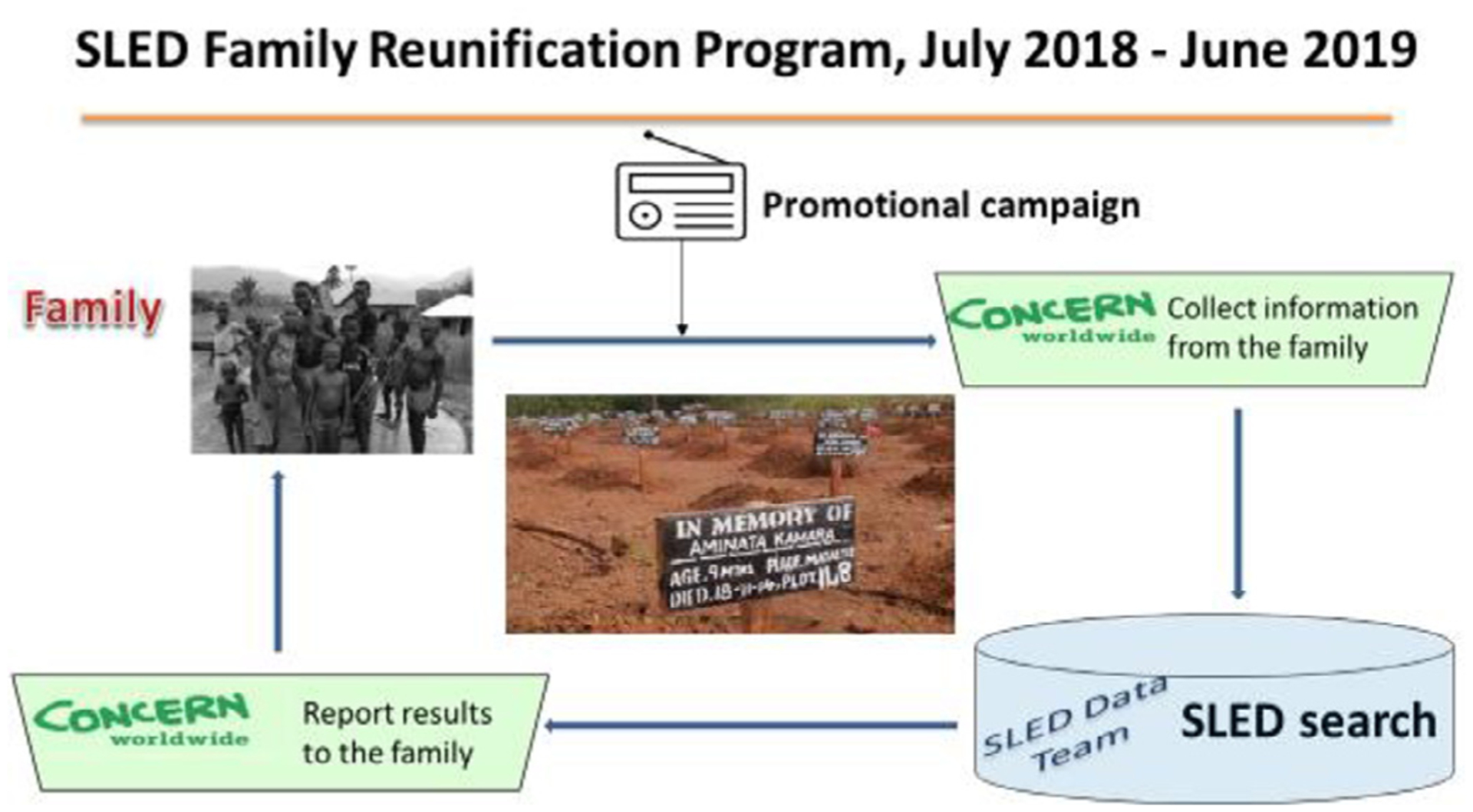
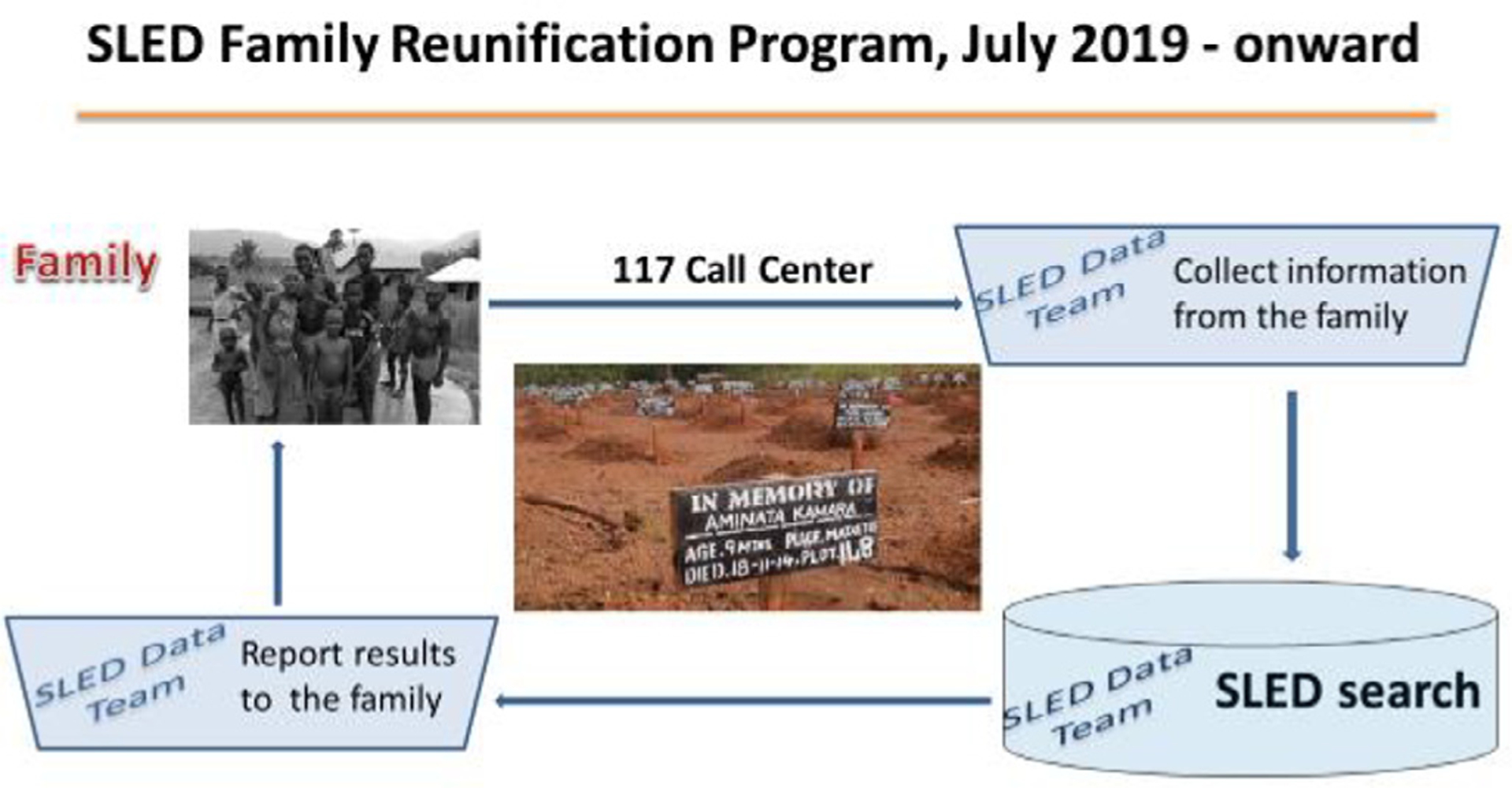
In 2015, the Sierra Leone Ministry of Health and Sanitation (MoHS) and the Centers for Disease Control and Prevention (CDC) agreed to consolidate data recorded by MoHS and international partners during the Ebola epidemic and create the Sierra Leone Ebola Database (SLED). The primary objectives were helping families to identify the location of graves of their loved ones who died from any cause at the time of the Ebola epidemic and creating a data source for epidemiological research. The Family Reunification Program fulfills the first SLED objective. The purpose of this paper is to describe the Family Reunification Program (Program) development, functioning, and results.
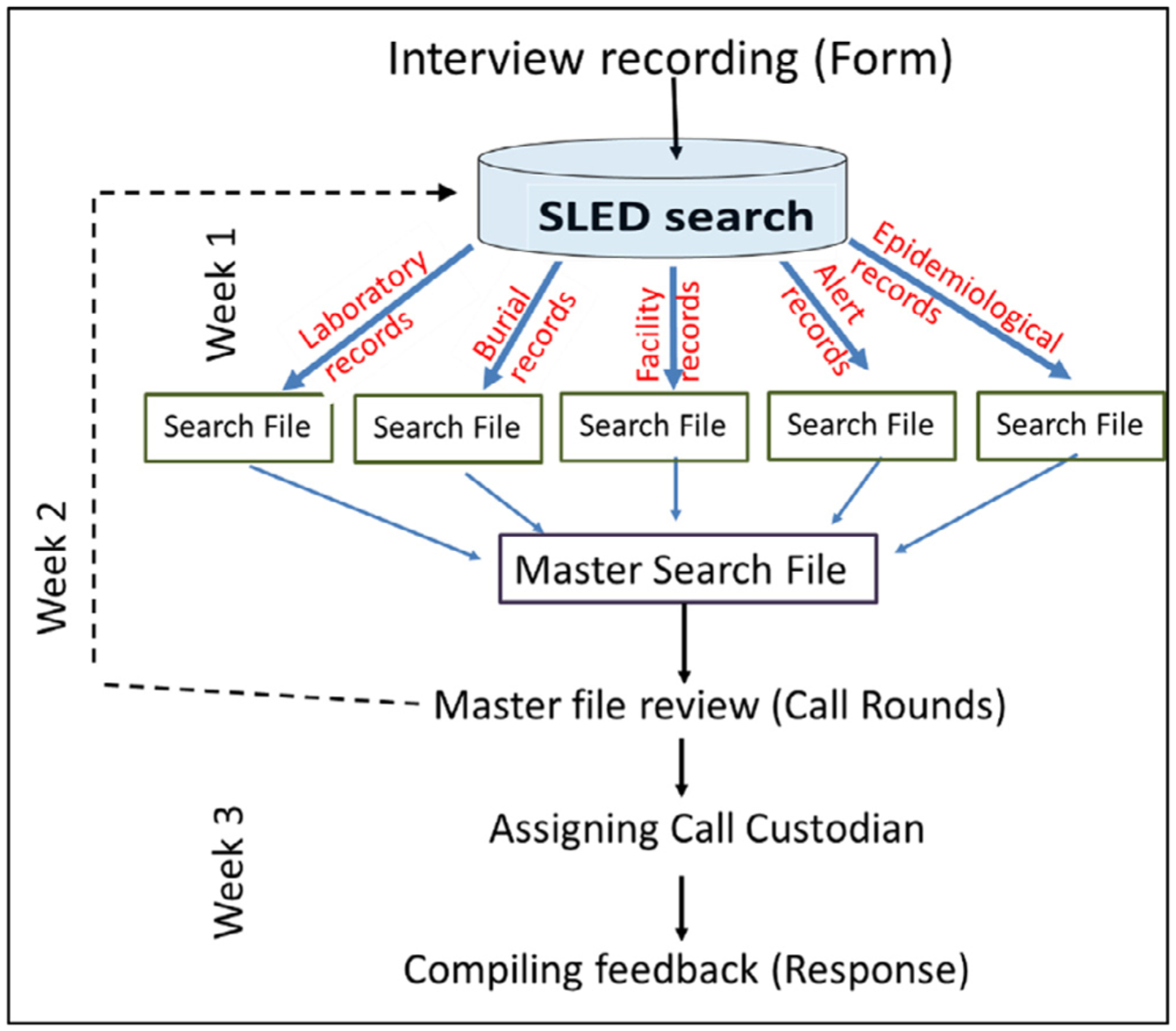
The MoHS, CDC, SLED Team, and Concern Worldwide developed, tested, and implemented methodology and tools to conduct the Program. Family liaisons were trained in protection of the personally identifiable information.
The SLED Family Reunification Program allows families in Sierra Leone, who did not know the final resting place of their loved ones, to be reunited with their graves and to bring them relief and closure.
Continuing family requests in search of the burial place of loved ones 5 years after the end of the epidemic shows that the emotional burden of losing a family member and not knowing the place of burial does not diminish with time. As of February 2021, the Program continues and is described to allow its replication for other emergency events including COVID-19 and new Ebola outbreaks.
2015 年,塞拉利昂卫生部和公共卫生署(MoHS)与疾病控制与预防中心(CDC)达成协议,合并 MoHS 和国际合作伙伴在埃博拉疫情期间记录的数据,并创建塞拉利昂埃博拉数据库(SLED)。主要目标是帮助家属确定在埃博拉疫情期间因任何原因死亡的亲人的墓地位置,并为流行病学研究创建一个数据源。家庭团聚计划实现了 SLED 的第一个目标。本文旨在描述家庭团聚计划(Program)的开发、运作和结果。
MoHS、CDC、SLED 团队和关心全世界在开发、测试和实施该计划的方法和工具方面进行了合作。家庭联络人接受了保护个人身份信息的培训。
SLED 家庭团聚计划使塞拉利昂的家属能够与亲人的坟墓团聚,并为他们带来安慰和了结。
在疫情结束 5 年后,仍有家属继续请求寻找亲人的埋葬地点,这表明失去亲人的情感负担和不知道埋葬地点并不会随着时间的推移而减轻。截至 2021 年 2 月,该计划仍在继续,并对其进行描述,以便在包括 COVID-19 和新的埃博拉疫情在内的其他紧急事件中复制。