Center for Host-Pathogen Interaction, Columbia University Vagelos College of Physicians and Surgeons, New York, New York, USA.
Department of Pediatrics, Columbia University Vagelos College of Physicians and Surgeons, New York, New York, USA.
mBio. 2021 Jun 29;12(3):e0079921. doi: 10.1128/mBio.00799-21. Epub 2021 Jun 1.
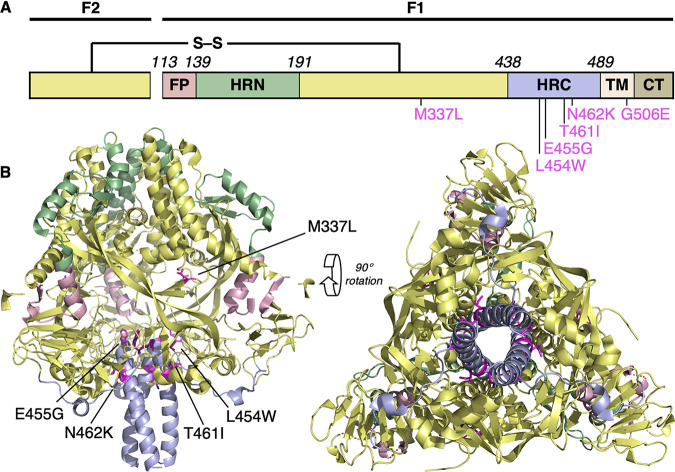
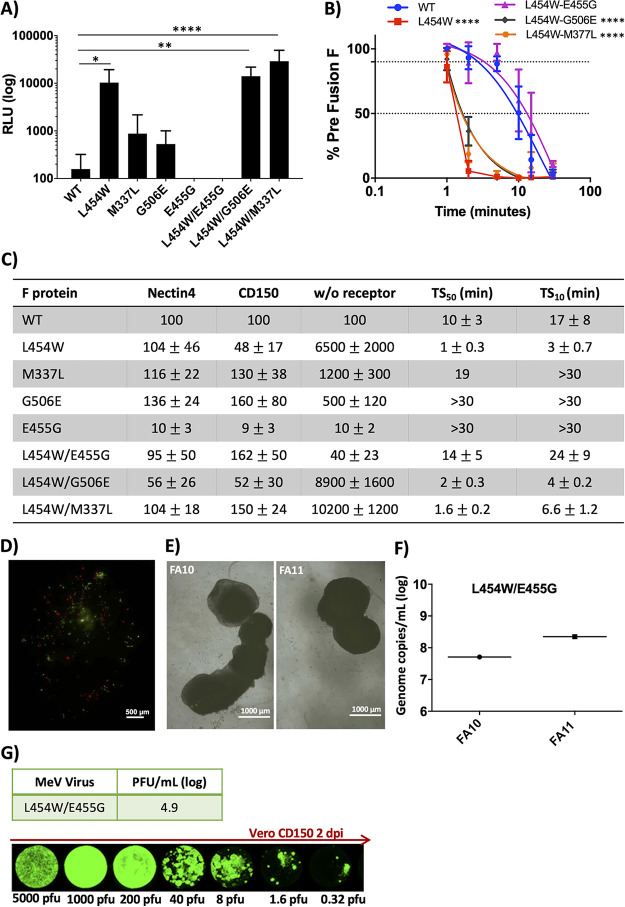
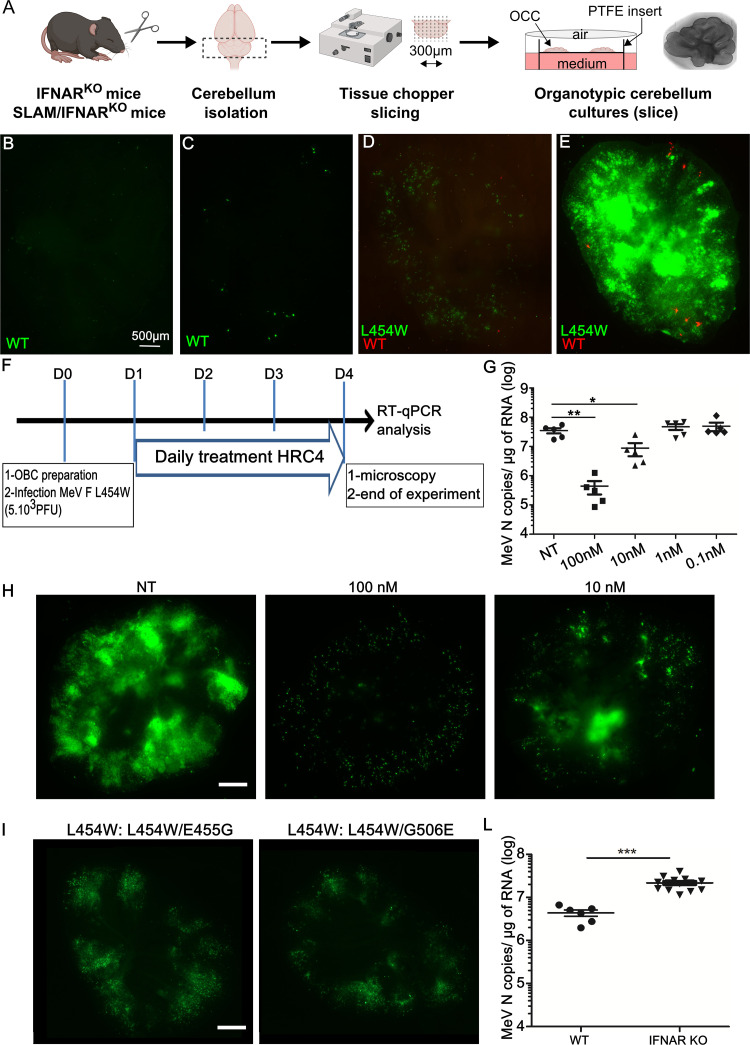
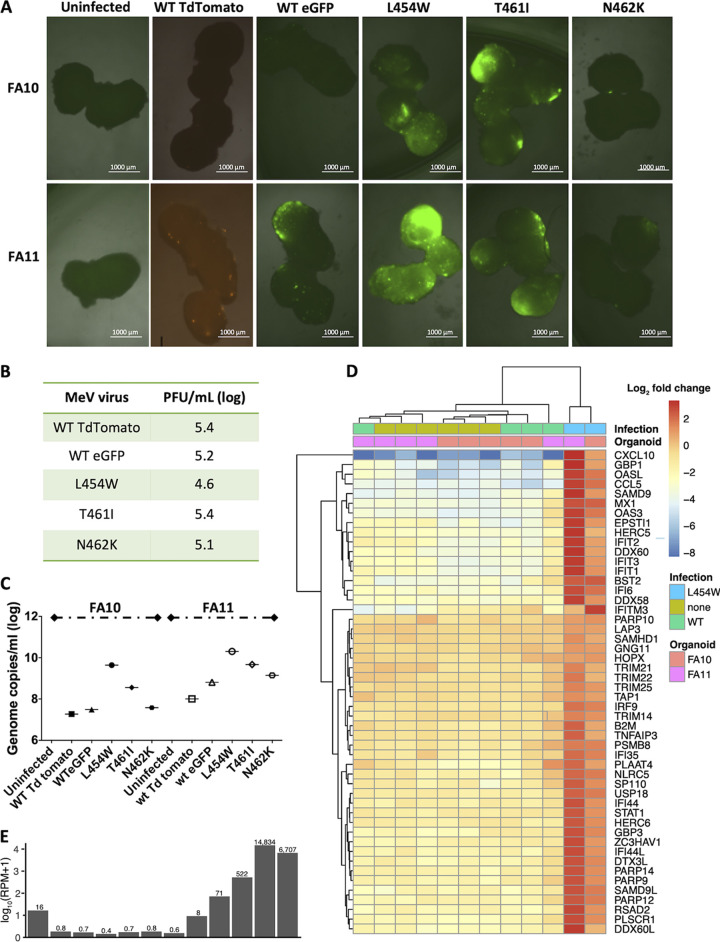
Measles virus (MeV) bearing a single amino acid change in the fusion protein (F)-L454W-was isolated from two patients who died of MeV central nervous system (CNS) infection. This mutation in F confers an advantage over wild-type virus in the CNS, contributing to disease in these patients. Using murine organotypic brain cultures and human induced pluripotent stem cell-derived brain organoids, we show that CNS adaptive mutations in F enhance the spread of virus . The spread of virus in human brain organoids is blocked by an inhibitory peptide that targets F, confirming that dissemination in the brain tissue is attributable to F. A single mutation in MeV F thus alters the fusion complex to render MeV more neuropathogenic. Measles virus (MeV) infection can cause serious complications in immunocompromised individuals, including measles inclusion body encephalitis (MIBE). In some cases, MeV persistence and subacute sclerosing panencephalitis (SSPE), another severe central nervous system (CNS) complication, develop even in the face of a systemic immune response. Both MIBE and SSPE are relatively rare but lethal. It is unclear how MeV causes CNS infection. We introduced specific mutations that are found in MIBE or SSPE cases into the MeV fusion protein to test the hypothesis that dysregulation of the viral fusion complex-comprising F and the receptor binding protein, H-allows virus to spread in the CNS. Using metagenomic, structural, and biochemical approaches, we demonstrate that altered fusion properties of the MeV H-F fusion complex permit MeV to spread in brain tissue.
麻疹病毒(MeV)在融合蛋白(F)中的 L454W 发生单一氨基酸变化后,从两名死于 MeV 中枢神经系统(CNS)感染的患者中分离出来。F 中的这种突变赋予病毒在 CNS 中的优势,导致这些患者的疾病。使用鼠类器官型脑培养物和人类诱导多能干细胞衍生的脑类器官,我们表明 F 中的中枢神经系统适应性突变增强了病毒的传播。针对 F 的抑制性肽可阻止病毒在人类脑类器官中的传播,证实了脑组织中的传播归因于 F。MeV F 中的单个突变因此改变了融合复合物,使 MeV 更具神经致病性。麻疹病毒(MeV)感染可导致免疫功能低下个体发生严重并发症,包括麻疹包涵体脑炎(MIBE)。在某些情况下,即使存在全身免疫反应,MeV 仍会持续存在并发展为亚急性硬化性全脑炎(SSPE),这是另一种严重的中枢神经系统(CNS)并发症。MIBE 和 SSPE 均相对罕见但致命。尚不清楚 MeV 如何引起 CNS 感染。我们将在 MIBE 或 SSPE 病例中发现的特定突变引入 MeV 融合蛋白中,以检验以下假设:病毒融合复合物(包括 F 和受体结合蛋白 H)的失调使病毒能够在 CNS 中传播。我们使用宏基因组学、结构和生化方法证明,改变的 MeV H-F 融合复合物的融合特性允许 MeV 在脑组织中传播。