van der Horst Gerhard
Comparative Spermatology Laboratory, Department of Medical Bioscience, University of the Western Cape, Bellville, Cape Town 7535, South Africa.
Animals (Basel). 2021 May 21;11(6):1491. doi: 10.3390/ani11061491.
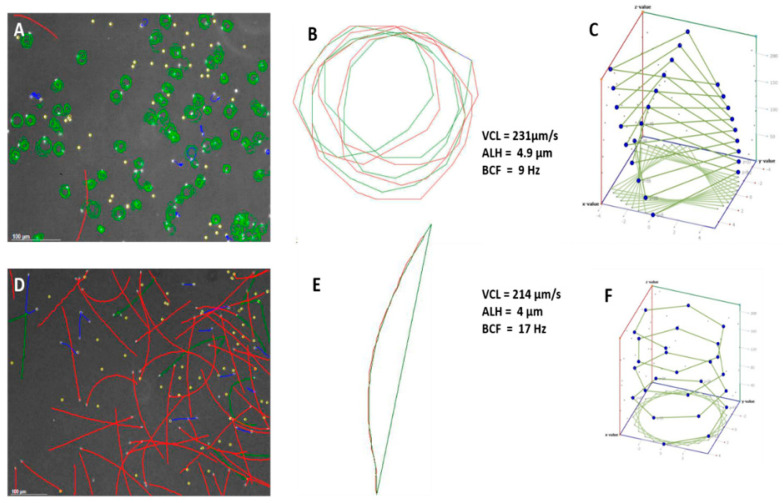
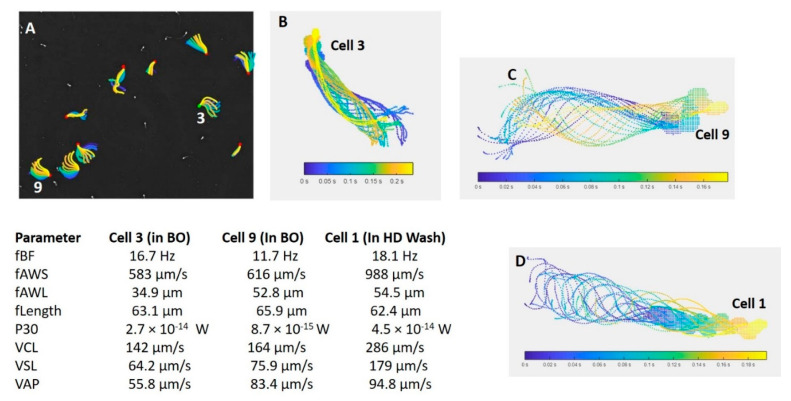
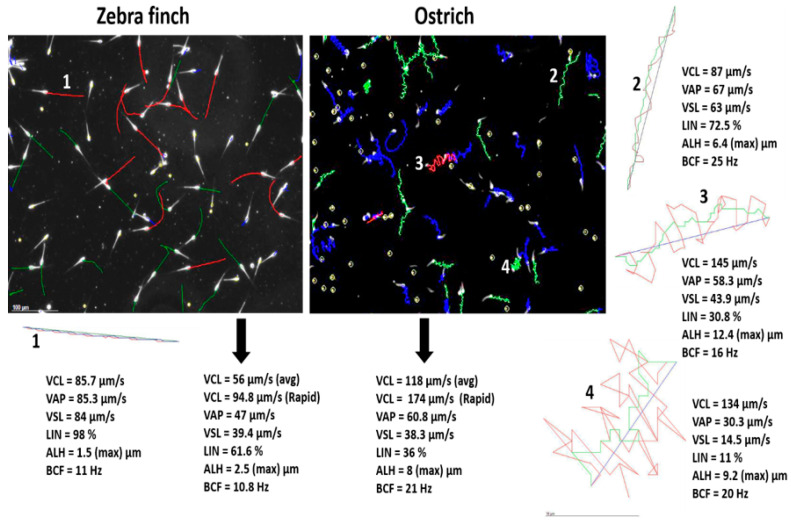
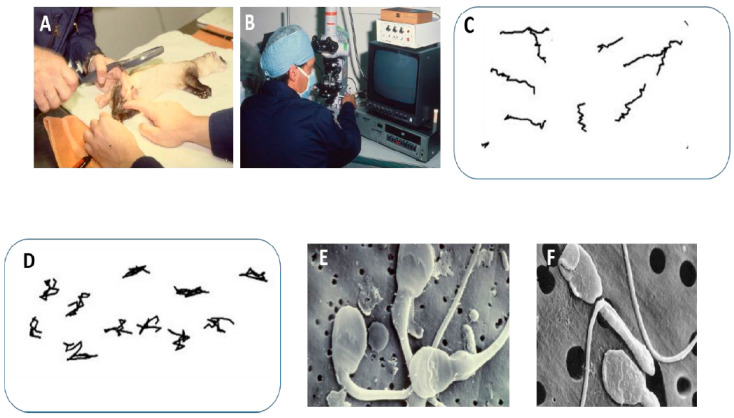
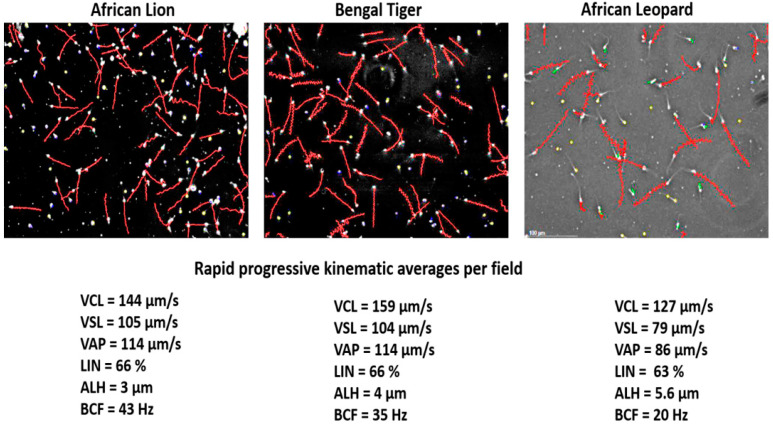
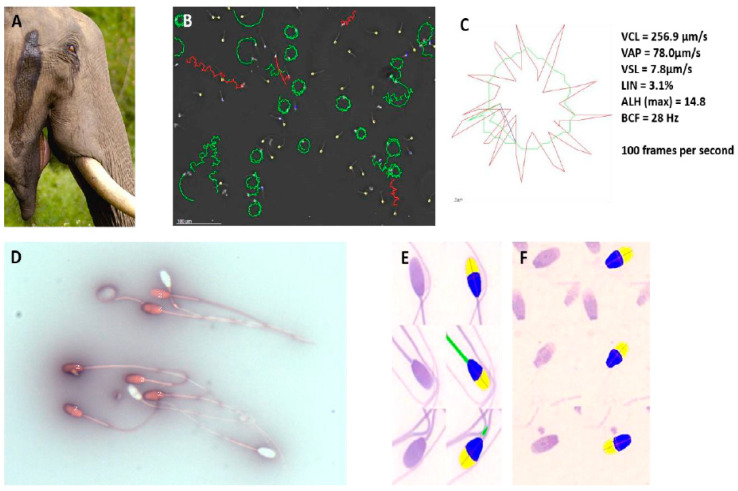
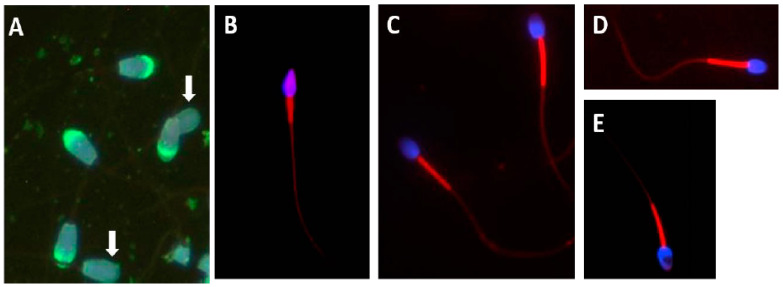
(1) Background: in order to propagate wildlife species (covering the whole spectrum from species suitable for aquaculture to endangered species), it is important to have a good understanding of the quality of their sperm, oocytes and embryos. While sperm quality analyses have mainly used manual assessment in the past, such manual estimations are subjective and largely unreliable. Accordingly, quantitative and cutting-edge approaches are required to assess the various aspects of sperm quality. The purpose of this investigation was to illustrate the latest technology used in quantitative evaluation of sperm quality and the required cut-off points to distinguish the differential grades of fertility potential in a wide range of vertebrate species. (2) Methods: computer-aided sperm analysis (CASA) with an emphasis on sperm motility, 3D tracking and flagellar and sperm tracking analysis (FAST), as well as quantitative assessment of sperm morphology, vitality, acrosome status, fragmentation and many other complimentary technologies. (3) Results: Assessing sperm quality revealed a great deal of species specificity. For example, in freshwater fish like trout, sperm swam in a typical tight helical pattern, but in seawater species sperm motility was more progressive. In amphibian species, sperm velocity was slow, in contrast with some bird species (e.g., ostrich). Meanwhile, in African elephant and some antelope species, fast progressive sperm was evident. In most species, there was a high percentage of morphologically normal sperm, but generally, low percentages were observed for motility, vitality and normal morphology evident in monogamous species. (4) Conclusions: Sperm quality assessment using quantitative methodologies such as CASA motility, FAST analysis, morphology and vitality, as well as more progressive methodologies, assisted in better defining sperm quality-specifically, sperm functionality of high-quality sperm. This approach will assist in the propagation of wildlife species.
(1) 背景:为了繁殖野生动物物种(涵盖从适合水产养殖的物种到濒危物种的整个范围),深入了解其精子、卵母细胞和胚胎的质量非常重要。过去精子质量分析主要采用人工评估,但这种人工估计主观且大多不可靠。因此,需要定量和前沿的方法来评估精子质量的各个方面。本研究的目的是阐述用于精子质量定量评估的最新技术以及区分广泛脊椎动物物种不同生育潜力等级所需的临界值。(2) 方法:采用计算机辅助精子分析(CASA),重点关注精子活力、三维跟踪以及鞭毛和精子跟踪分析(FAST),同时对精子形态、活力、顶体状态、碎片化等进行定量评估以及许多其他补充技术。(3) 结果:评估精子质量发现了大量的物种特异性。例如,在鳟鱼等淡水鱼中,精子以典型的紧密螺旋模式游动,但在海水物种中精子活力更具前进性。在两栖动物物种中,精子速度较慢,这与一些鸟类物种(如鸵鸟)形成对比。同时,在非洲象和一些羚羊物种中,快速前进的精子很明显。在大多数物种中,形态正常的精子比例较高,但一般来说,在一夫一妻制物种中观察到的活力、生命力和正常形态的比例较低。(4) 结论:使用诸如CASA活力、FAST分析、形态学和活力等定量方法以及更先进的方法进行精子质量评估,有助于更好地定义精子质量,特别是高质量精子的功能。这种方法将有助于野生动物物种的繁殖。