Rynkiewicz Agnieszka, Szura Magdalena, Bernaciak Daria, Kozak Anna, Karwowska Magdalena
Department of Psychiatry, Institute of Medical Sciences, Medical College of Rzeszów University, 35-310 Rzeszów, Poland.
Center for Diagnosis, Therapy and Education SPECTRUM ASC-MED, 80-404 Gdańsk, Poland.
Brain Sci. 2021 May 22;11(6):682. doi: 10.3390/brainsci11060682.
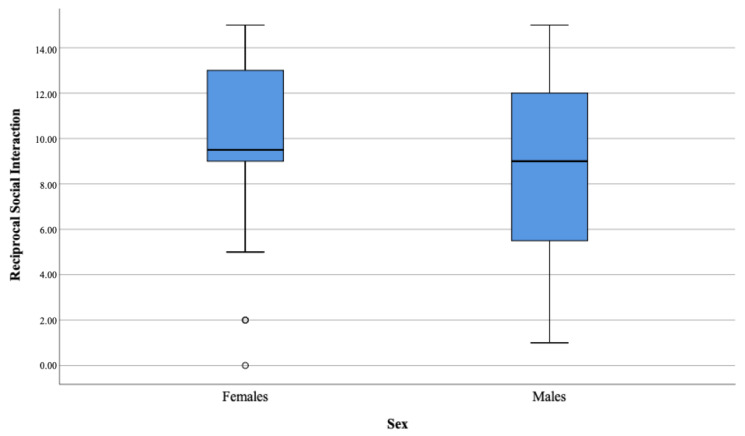
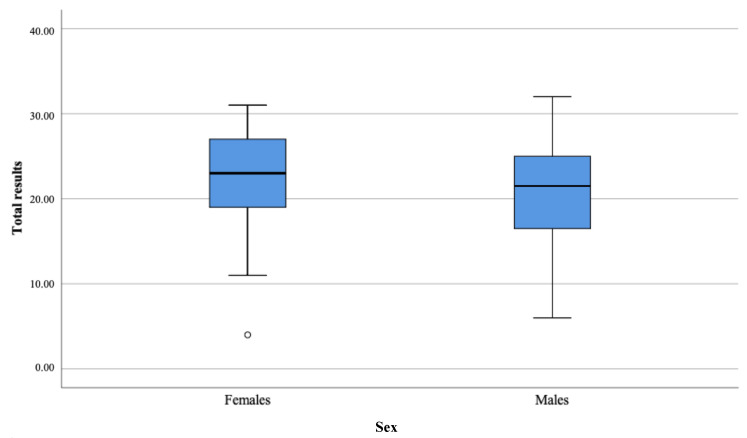
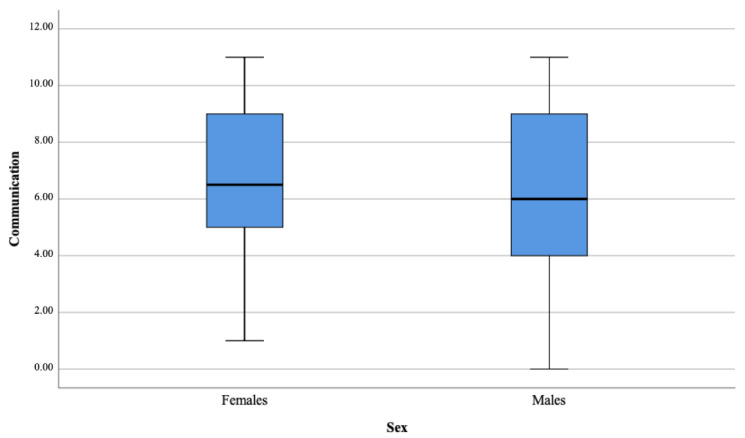
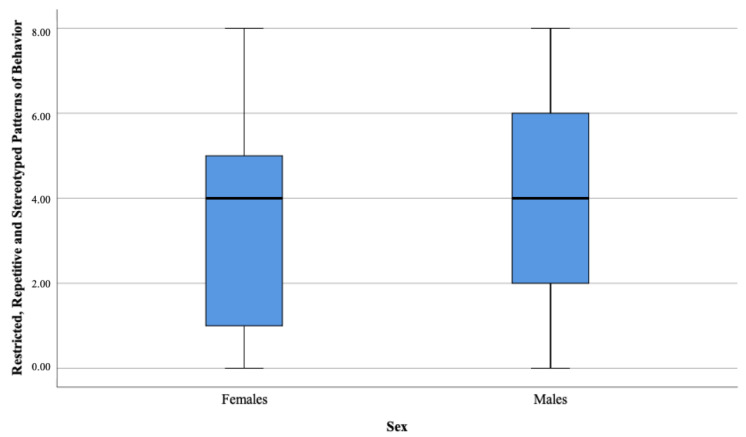
Standardized screening assessments and sex differences in autism spectrum disorder (ASD) are still under-explored in Poland. This study investigated the differences between Polish ASD females and males based on the responses provided by parents/caregivers to a Polish adaptation of the Social Communication Questionnaire, SCQ Lifetime and SCQ Current. The study included 90 ASD participants from Mental Health Services and Autism Clinics in Poland with no intellectual disability and no profound communication difficulties. Parents provided information on the items which were compared under three domains of the Autism Diagnostic Interview-Revised (ADI-R). Four items with the examples were investigated. No significant differences were found between the two sexes in the three domains. The repetitive use of objects declined with age in ASD males. Although the findings of the present study did not reveal substantial gender biases in the Polish adaptation of the SCQ, it is necessary to take into account potential gender differences in the clinical presentation of ASD and in the adaptation of screening and diagnostic tools.
在波兰,自闭症谱系障碍(ASD)的标准化筛查评估及性别差异仍未得到充分探索。本研究基于父母/照料者对波兰语版《社会沟通问卷》(SCQ Lifetime和SCQ Current)的回答,调查了波兰ASD女性和男性之间的差异。该研究纳入了90名来自波兰心理健康服务机构和自闭症诊所的ASD参与者,他们没有智力残疾且没有严重的沟通困难。父母提供了有关在《自闭症诊断访谈修订版》(ADI-R)的三个领域下进行比较的项目的信息。对四个带有示例的项目进行了调查。在这三个领域中,未发现两性之间存在显著差异。ASD男性中物体的重复使用随年龄增长而减少。尽管本研究的结果并未揭示在波兰语版SCQ中存在实质性的性别偏见,但有必要考虑ASD临床表现以及筛查和诊断工具适配方面潜在的性别差异。