Bojňanská Tatiana, Musilová Janette, Vollmannová Alena
Department of Technology and Quality of Plant Products, Faculty of Biotechnology and Food Sciences, Slovak University of Agriculture in Nitra, Trieda A. Hlinku 2, 949 76 Nitra, Slovakia.
Department of Chemistry, Faculty of Biotechnology and Food Sciences, Slovak University of Agriculture in Nitra, Trieda A. Hlinku 2, 949 76 Nitra, Slovakia.
Foods. 2021 May 14;10(5):1087. doi: 10.3390/foods10051087.
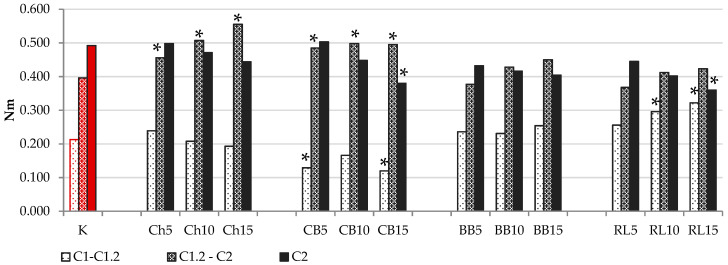
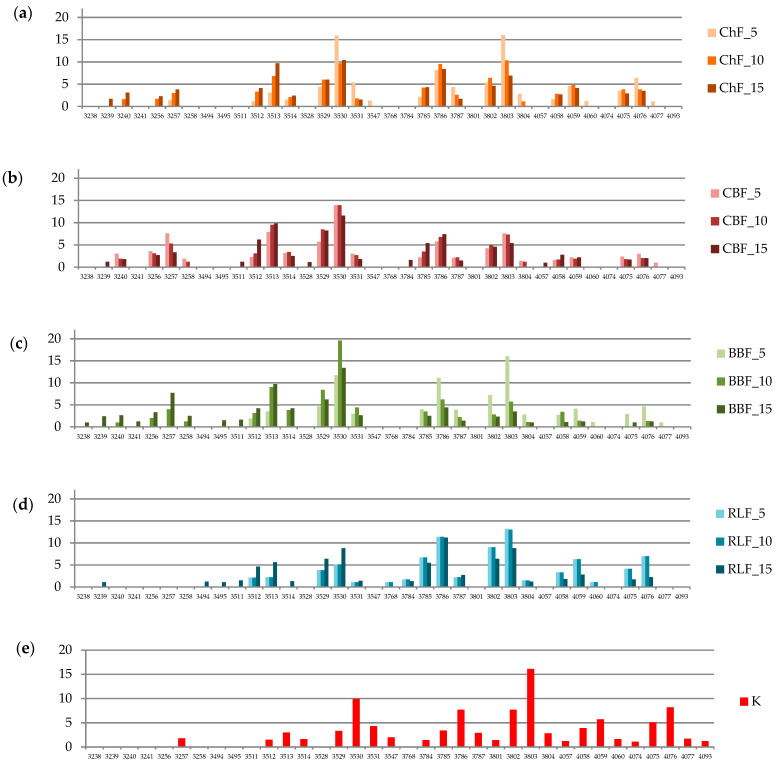
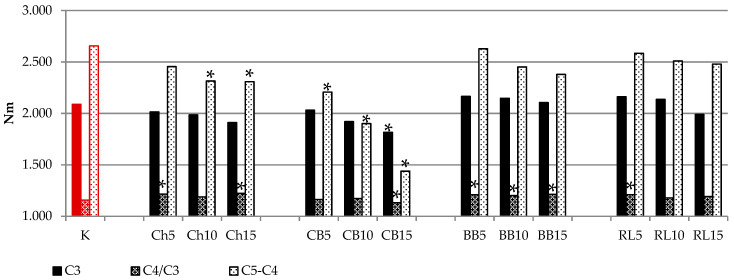
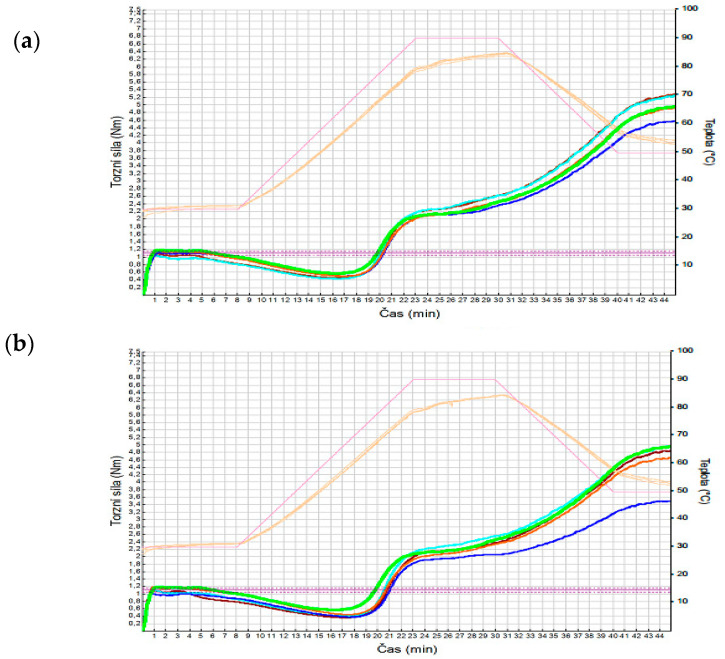
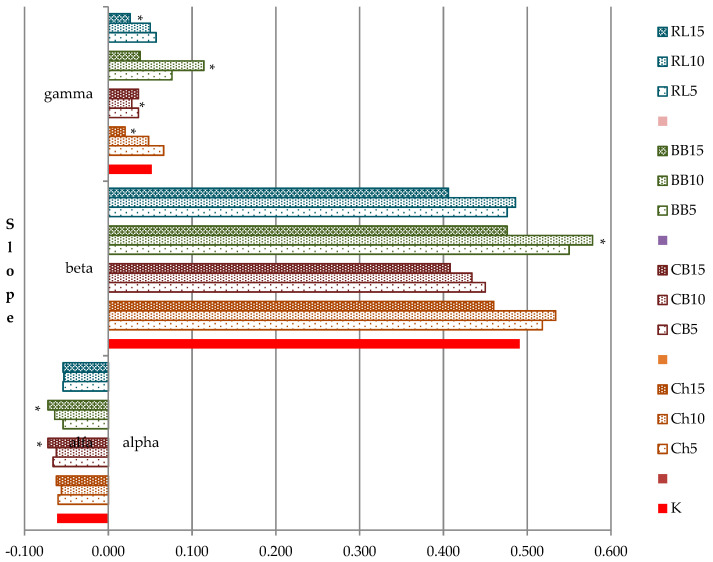
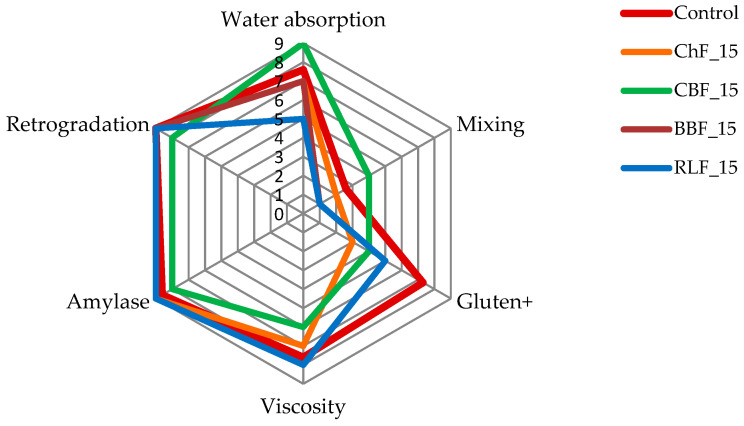
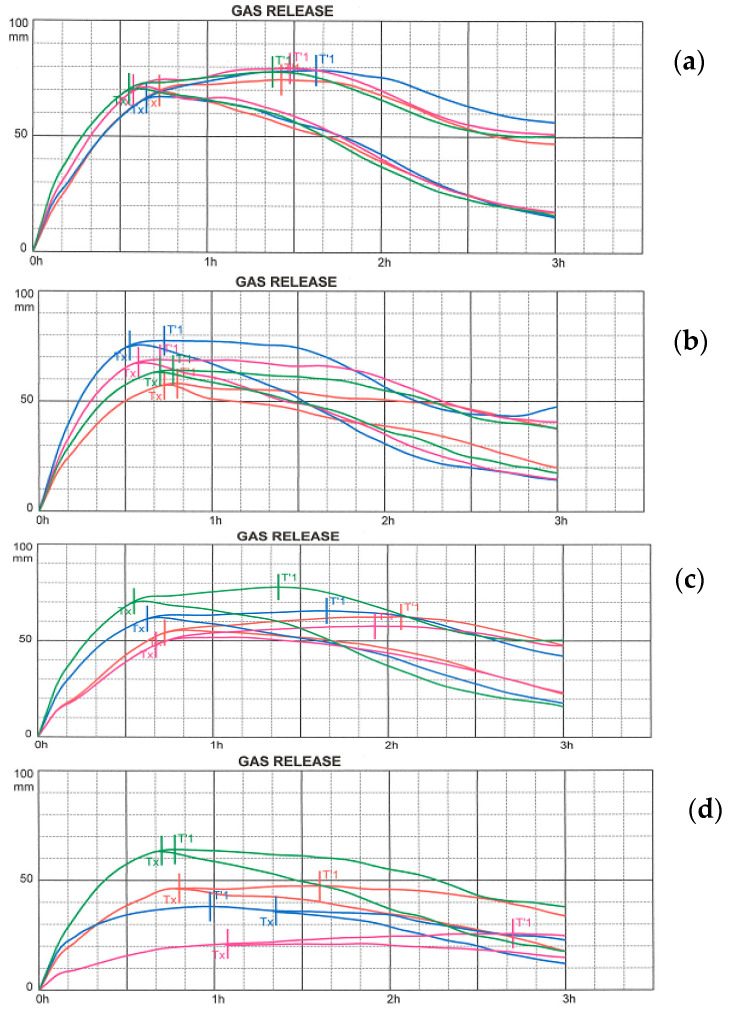
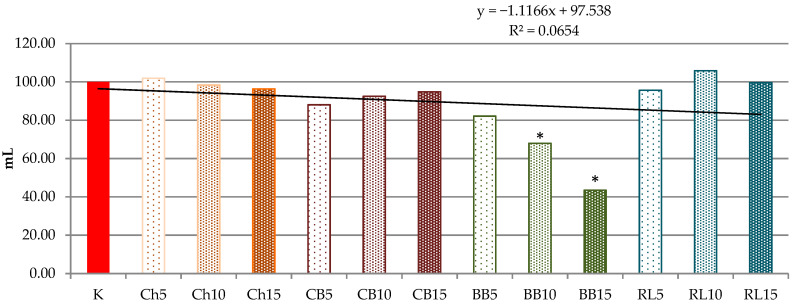
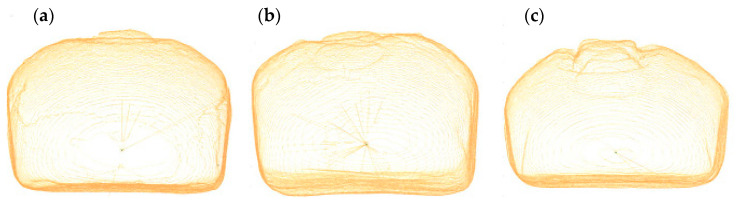
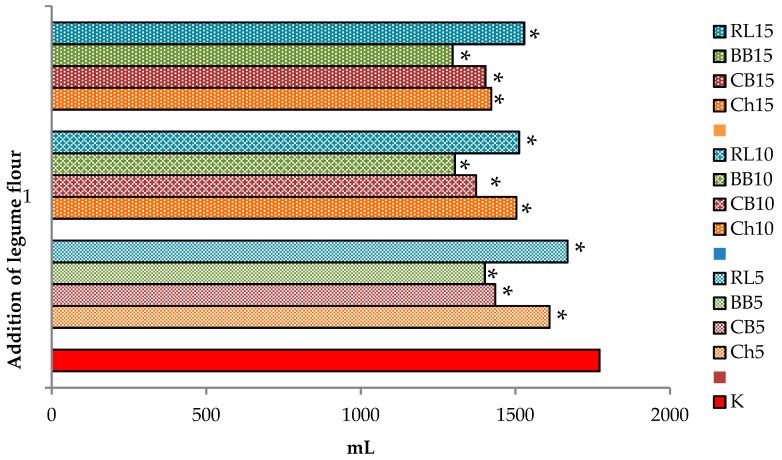
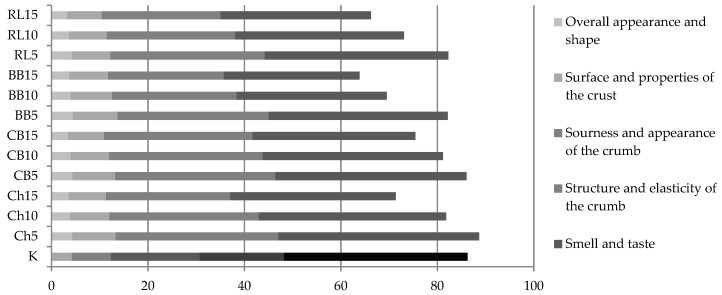
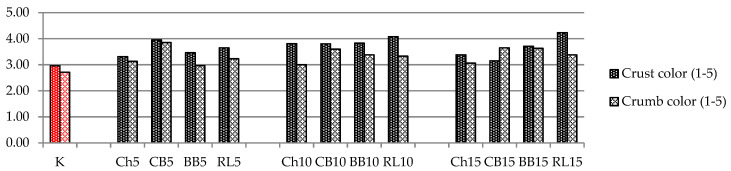
The influence of the addition of four legume flours, chickpea, broad bean, common bean and red lentil (in amounts of 5%, 10% and 15% to a wheat-rye composite flour (50:50:0-control flour), in ratios of 50:45:5; 50:40:10; 50:35:15) was studied by analyzing the rheological properties of dough in order to further exploit the functionality of legume flours in bakery products. The rheological properties of dough were monitored using a Mixolab 2. A Rheofermentometer F4 was used to check the dough fermentation, and a Volscan was used for evaluating the baking trials. The addition of different legume flours in the mixtures resulted in different viscoelastic properties of the dough. The results showed a weakening of the protein network depending on the amount of legume flour added and on the specific legume flour. On the contrary, all samples with a higher proportion of legume flour showed an increased resistance to starch retrogradation. All flours had the ability to produce a sufficient volume of fermenting gases, with the exception of flours with a higher addition of broad bean flour, and the baking test confirmed a lower bread volume for bread with this addition. The results of the sensory evaluation indicated that legume flour additions resulted in breads with an acceptable sensory quality, in the case of additions of 5% at the same level as the bread controls, or even better. The aromas and flavors of the added non-cereal ingredients improved the sensory profile of wheat-rye bread. Breads with additions of chickpea, common bean and broad bean had a considerable proportion of darker colors in comparison to the control bread and bread with red lentil.
研究了向小麦-黑麦复合粉(50:50:0 - 对照粉)中添加四种豆类面粉(鹰嘴豆、蚕豆、普通豆和红小扁豆)(添加量分别为5%、10%和15%,比例为50:45:5、50:40:10、50:35:15)对面团流变学特性的影响,以便进一步开发豆类面粉在烘焙食品中的功能特性。使用Mixolab 2监测面团的流变学特性。使用Rheofermentometer F4检查面团发酵情况,并使用Volscan评估烘焙试验。混合物中添加不同的豆类面粉导致面团具有不同的粘弹性特性。结果表明,蛋白质网络的弱化取决于添加的豆类面粉的量以及特定的豆类面粉。相反,所有豆类面粉比例较高的样品对淀粉回生的抗性增加。除了添加量较高的蚕豆粉外,所有面粉都有产生足够体积发酵气体的能力,烘焙试验证实添加这种面粉的面包体积较小。感官评价结果表明,添加豆类面粉的面包在添加量为5%时具有与对照面包相当甚至更好的可接受感官品质。添加的非谷物成分的香气和风味改善了小麦-黑麦面包的感官特征。与对照面包和添加红小扁豆的面包相比,添加鹰嘴豆、普通豆和蚕豆的面包颜色更深。