Perreault Thomas, Fernández-de-Las-Peñas César, Cummings Mike, Gendron Barry C
Northern New England Spine Center, Department of Physical Therapy, Wentworth Douglass Hospital, Dover, NH 03820, USA.
Department of Physical Therapy, Occupational Therapy, Rehabilitation and Physical Medicine, Universidad Rey Juan Carlos, 28922 Alcorcón, Madrid, Spain.
J Clin Med. 2021 May 19;10(10):2189. doi: 10.3390/jcm10102189.
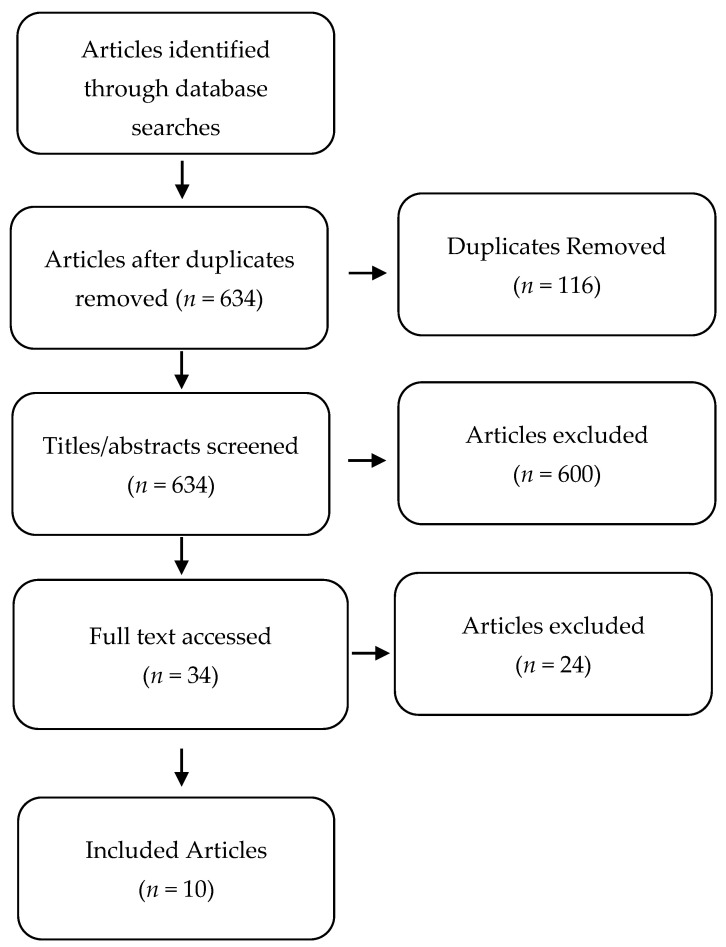
Sciatica is a condition often accompanied by neuropathic pain (NP). Acupuncture and dry needling are common treatments for pain, and the current literature supports acupuncture as an effective treatment for sciatica. However, it is unknown if the mechanisms of NP are considered in the delivery of needling interventions for sciatica. Our objective was to assess the efficacy and the effectiveness of needling therapies, to identify common needling practices and to investigate if NP mechanisms are considered in the treatment of sciatica. A scoping review of the literature on needling interventions for sciatica and a review of the literature on mechanisms related to NP and needling interventions were performed. Electronic literature searches were conducted on PubMed, MEDLINE, CINAHL and Cochrane Database of Systematic Reviews from inception to August, 2020 to identify relevant papers. Reference lists of included papers were also manually screened and a related-articles search through PubMed was performed on all included articles. Mapping of the results included description of included studies, summary of results, and identification of gaps in the existing literature. Ten articles were included. All studies used acupuncture for the treatment of sciatica, no studies on dry needling were identified. Current evidence supports the efficacy and effectiveness of acupuncture for sciatica, however, no studies considered underlying NP mechanisms in the acupuncture approach for sciatica and the rationale for using acupuncture was inconsistent among trials. This review reveals that neuropathic pain mechanisms are not routinely considered in needling approaches for patients with sciatica. Studies showed acupuncture to be an effective treatment for sciatic pain, however, further research is warranted to explore if needling interventions for sciatica and NP would be more effective if NP mechanisms are considered.
坐骨神经痛是一种常伴有神经性疼痛(NP)的病症。针灸和干针疗法是常见的疼痛治疗方法,目前的文献支持针灸作为治疗坐骨神经痛的有效方法。然而,在为坐骨神经痛提供针刺干预时是否考虑了NP的机制尚不清楚。我们的目的是评估针刺疗法的疗效和有效性,确定常见的针刺操作,并研究在治疗坐骨神经痛时是否考虑了NP机制。对关于坐骨神经痛针刺干预的文献进行了范围综述,并对与NP和针刺干预相关的机制文献进行了综述。在PubMed、MEDLINE、CINAHL和Cochrane系统评价数据库中进行了电子文献检索,检索时间从数据库建立至2020年8月,以识别相关论文。还对手动筛选了纳入论文的参考文献列表,并通过PubMed对所有纳入文章进行了相关文章检索。结果的映射包括对纳入研究的描述、结果总结以及识别现有文献中的空白。纳入了10篇文章。所有研究都使用针灸治疗坐骨神经痛,未发现关于干针疗法的研究。目前的证据支持针灸治疗坐骨神经痛的疗效和有效性,然而,没有研究在针灸治疗坐骨神经痛的方法中考虑潜在的NP机制,并且在试验中使用针灸的基本原理也不一致。本综述表明,在针对坐骨神经痛患者的针刺方法中,神经性疼痛机制并未被常规考虑。研究表明针灸是治疗坐骨神经痛的有效方法,然而,有必要进一步研究,如果在针刺干预治疗坐骨神经痛和NP时考虑NP机制是否会更有效。