Lu Li, Hao Kun, Hong Yu, Liu Jie, Zhu Jinwei, Jiang Wenjiao, Zhu Zheying, Wang Guangji, Peng Ying
Key Lab of Drug Metabolism and Pharmacokinetics, State Key Laboratory of Natural Medicines, China Pharmaceutical University, 24 Tong Jia Xiang, Nanjing 210009, China.
Division of Molecular Therapeutics & Formulation, School of Pharmacy, University Park Campus, The University of Nottingham, Nottingham NG7 2RD, UK.
Int J Mol Sci. 2021 May 30;22(11):5884. doi: 10.3390/ijms22115884.
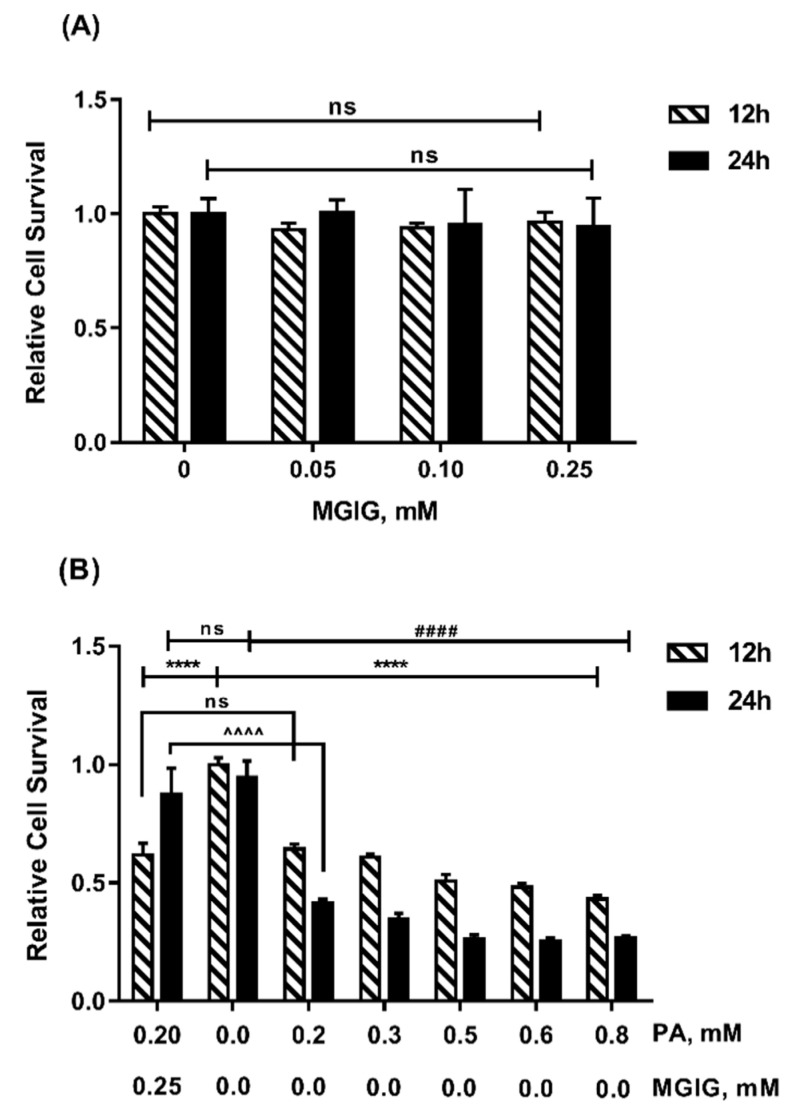
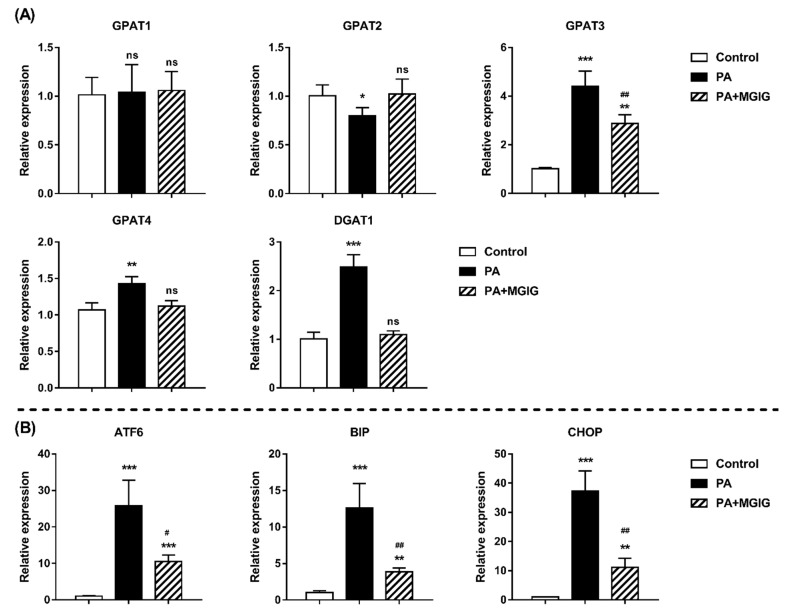
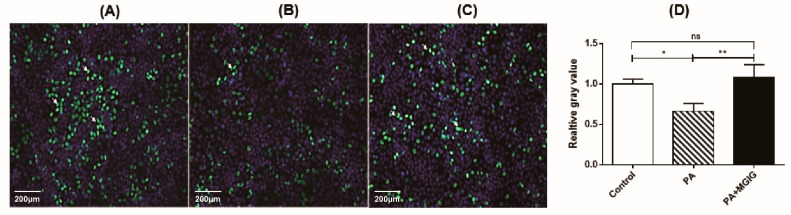
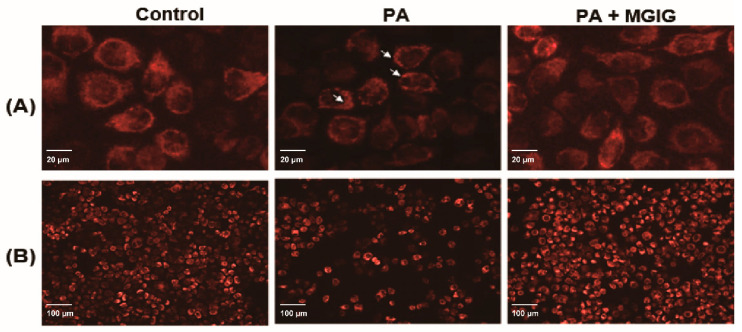
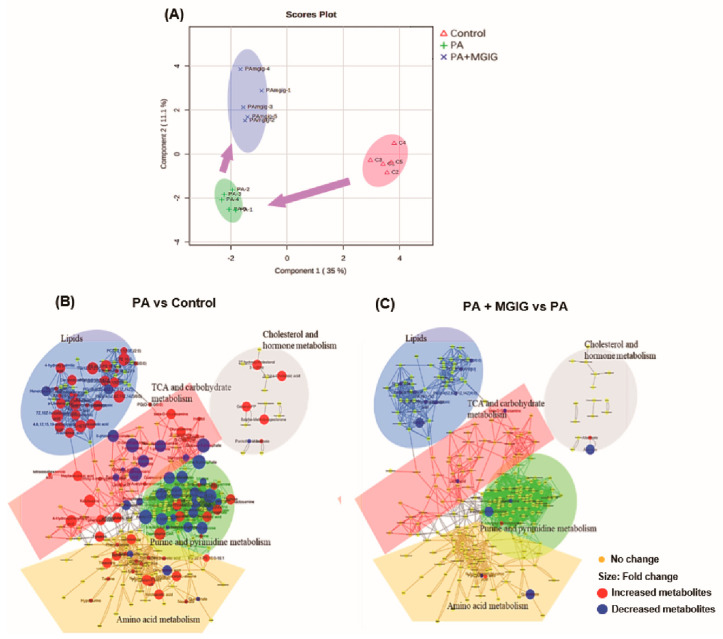
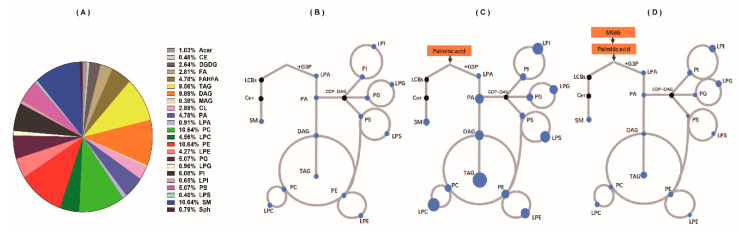
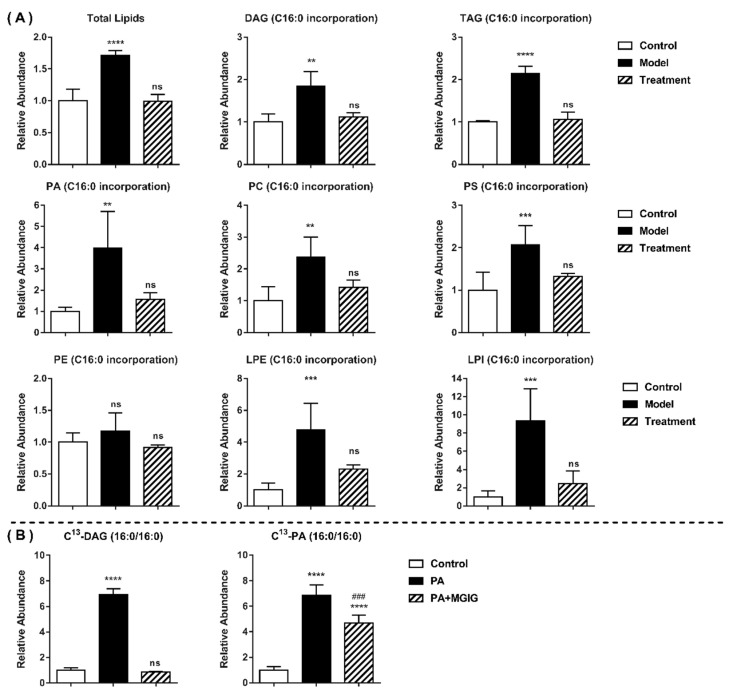
The excessive accumulation of lipids in hepatocytes induces a type of cytotoxicity called hepatic lipotoxicity, which is a fundamental contributor to liver metabolic diseases (such as NAFLD). Magnesium isoglycyrrhizinate (MGIG), a magnesium salt of the stereoisomer of natural glycyrrhizic acid, is widely used as a safe and effective liver protectant. However, the mechanism by which MGIG protects against NAFLD remains unknown. Based on the significant correlation between NAFLD and the reprogramming of liver metabolism, we aimed to explore the beneficial effects of MGIG from a metabolic viewpoint in this paper. We treated HepaRG cells with palmitic acid (PA, a saturated fatty acid of C16:0) to induce lipotoxicity and then evaluated the antagonistic effect of MGIG on lipotoxicity by investigating the cell survival rate, DNA proliferation rate, organelle damage, and endoplasmic reticulum stress (ERS). Metabolomics, lipidomics, and isotope tracing were used to investigate changes in the metabolite profile, lipid profile, and lipid flux in HepaRG cells under different intervention conditions. The results showed that MGIG can indeed protect hepatocytes against PA-induced cytotoxicity and ERS. In response to the metabolic abnormality of lipotoxicity, MGIG curtailed the metabolic activation of lipids induced by PA. The content of total lipids and saturated lipids containing C16:0 chains increased significantly after PA stimulation and then decreased significantly or even returned to normal levels after MGIG intervention. Lipidomic data show that glycerides and glycerophospholipids were the two most affected lipids. For excessive lipid accumulation in hepatocytes, MGIG can downregulate the expression of the metabolic enzymes (GPATs and DAGTs) involved in triglyceride biosynthesis. In conclusion, MGIG has a positive regulatory effect on the metabolic disorders that occur in hepatocytes under lipotoxicity, and the main mechanisms of this effect are in lipid metabolism, including reducing the total lipid content, reducing lipid saturation, inhibiting glyceride and glycerophospholipid metabolism, and downregulating the expression of metabolic enzymes in lipid synthesis.
肝细胞中脂质的过度积累会引发一种名为肝脂毒性的细胞毒性,这是肝脏代谢疾病(如非酒精性脂肪性肝病)的一个重要促成因素。异甘草酸镁(MGIG)是天然甘草酸立体异构体的镁盐,被广泛用作一种安全有效的肝脏保护剂。然而,MGIG预防非酒精性脂肪性肝病的机制尚不清楚。基于非酒精性脂肪性肝病与肝脏代谢重编程之间的显著相关性,我们旨在本文中从代谢角度探讨MGIG的有益作用。我们用棕榈酸(PA,一种C16:0的饱和脂肪酸)处理HepaRG细胞以诱导脂毒性,然后通过研究细胞存活率、DNA增殖率、细胞器损伤和内质网应激(ERS)来评估MGIG对脂毒性的拮抗作用。代谢组学、脂质组学和同位素示踪被用于研究不同干预条件下HepaRG细胞中代谢物谱、脂质谱和脂质通量的变化。结果表明,MGIG确实可以保护肝细胞免受PA诱导的细胞毒性和ERS。针对脂毒性的代谢异常,MGIG减少了PA诱导的脂质代谢激活。PA刺激后,总脂质和含有C16:0链的饱和脂质含量显著增加,而MGIG干预后显著下降甚至恢复到正常水平。脂质组学数据显示,甘油酯和甘油磷脂是受影响最大的两类脂质。对于肝细胞中过量的脂质积累,MGIG可以下调参与甘油三酯生物合成的代谢酶(甘油磷酸酰基转移酶和二酰甘油酰基转移酶)的表达。总之,MGIG对脂毒性条件下肝细胞中发生的代谢紊乱具有积极的调节作用,这种作用的主要机制在于脂质代谢,包括降低总脂质含量、降低脂质饱和度、抑制甘油酯和甘油磷脂代谢以及下调脂质合成中代谢酶的表达。