Patil Abhijeet R, Leung Ming-Ying, Roy Sourav
Computational Science Program, The University of Texas at El Paso, El Paso, TX 79968, USA.
Border Biomedical Research Center, The University of Texas at El Paso, El Paso, TX 79968, USA.
Int J Environ Res Public Health. 2021 May 23;18(11):5564. doi: 10.3390/ijerph18115564.
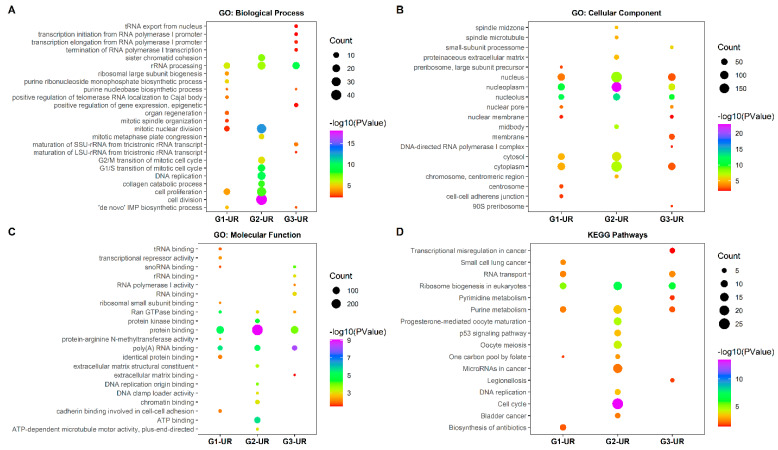
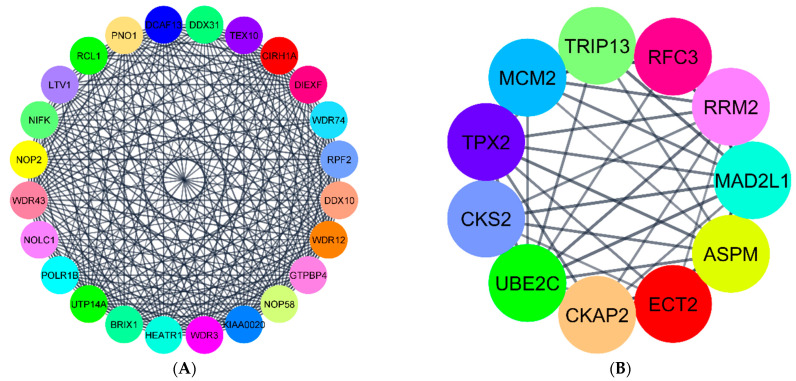
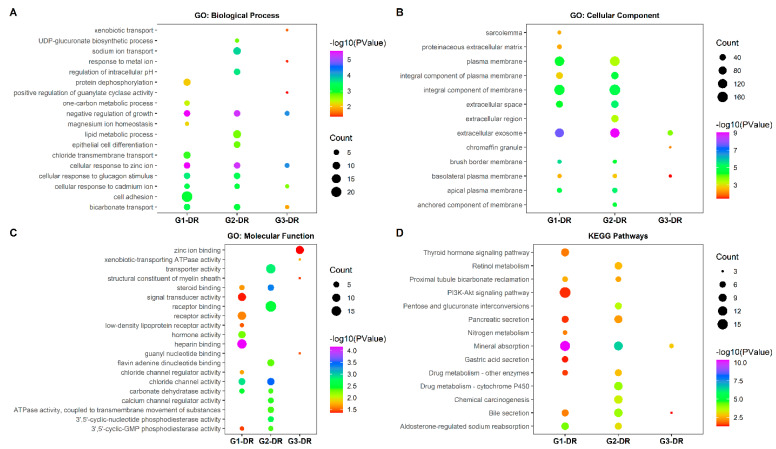
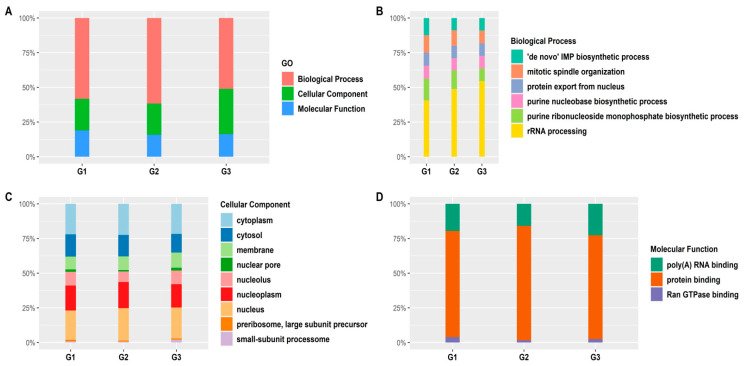
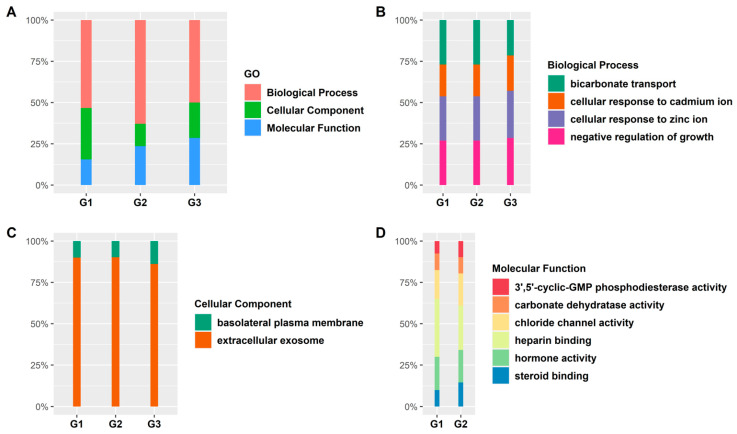
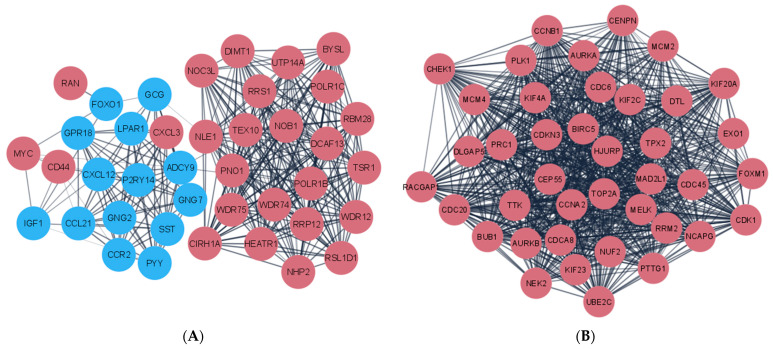
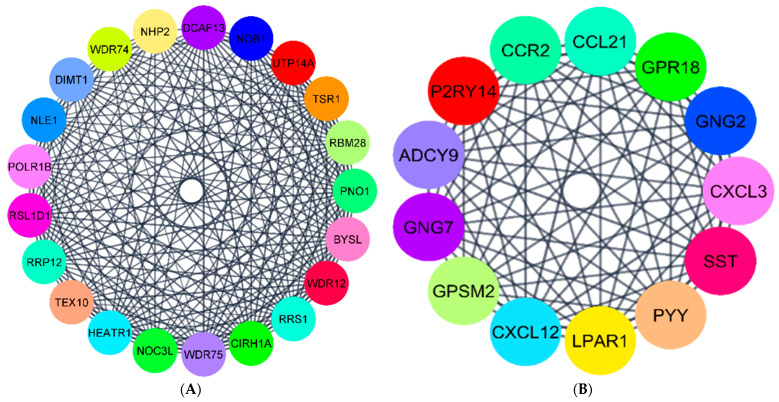
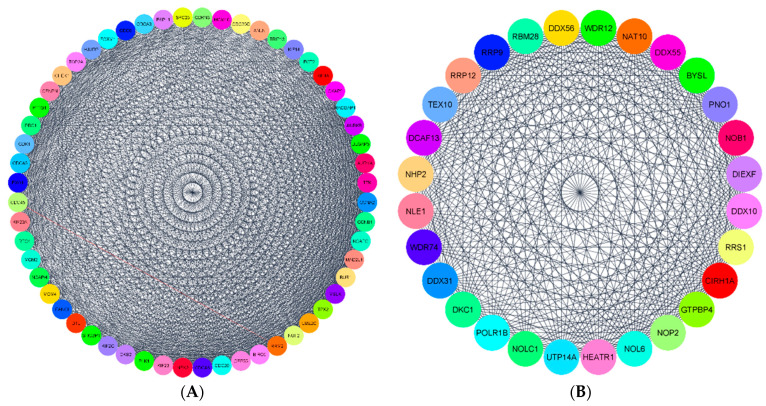
Colorectal cancer (CRC) is the third most common cancer that contributes to cancer-related morbidity. However, the differential expression of genes in different phases of CRC is largely unknown. Moreover, very little is known about the role of stress-survival pathways in CRC. We sought to discover the hub genes and identify their roles in several key pathways, including oxidative stress and apoptosis in the different stages of CRC. To identify the hub genes that may be involved in the different stages of CRC, gene expression datasets were obtained from the gene expression omnibus (GEO) database. The differentially expressed genes (DEGs) common among the different datasets for each group were obtained using the robust rank aggregation method. Then, gene enrichment analysis was carried out with Gene Ontology and Kyoto Encyclopedia of Genes and Genomes databases. Finally, the protein-protein interaction networks were constructed using the Cytoscape software. We identified 40 hub genes and performed enrichment analysis for each group. We also used the Oncomine database to identify the DEGs related to stress-survival and apoptosis pathways involved in different stages of CRC. In conclusion, the hub genes were found to be enriched in several key pathways, including the cell cycle and p53 signaling pathway. Some of the hub genes were also reported in the stress-survival and apoptosis pathways. The hub DEGs revealed from our study may be used as biomarkers and may explain CRC development and progression mechanisms.
结直肠癌(CRC)是导致癌症相关发病的第三大常见癌症。然而,CRC不同阶段基因的差异表达情况在很大程度上尚不清楚。此外,关于应激生存途径在CRC中的作用也知之甚少。我们试图发现枢纽基因,并确定它们在包括CRC不同阶段的氧化应激和凋亡等几个关键途径中的作用。为了识别可能参与CRC不同阶段的枢纽基因,从基因表达综合数据库(GEO)获取了基因表达数据集。使用稳健秩聚合方法获得每组不同数据集中共有的差异表达基因(DEG)。然后,利用基因本体论和京都基因与基因组百科全书数据库进行基因富集分析。最后,使用Cytoscape软件构建蛋白质-蛋白质相互作用网络。我们鉴定出40个枢纽基因,并对每组进行了富集分析。我们还使用Oncomine数据库来识别与CRC不同阶段所涉及的应激生存和凋亡途径相关的DEG。总之,发现枢纽基因在包括细胞周期和p53信号通路等几个关键途径中富集。一些枢纽基因在应激生存和凋亡途径中也有报道。我们研究中揭示的枢纽DEG可能用作生物标志物,并可能解释CRC的发生和发展机制。