Xiao Yue, Wang Chen, Zhao Jianxin, Zhang Hao, Chen Wei, Zhai Qixiao
State Key Laboratory of Food Science and Technology, Jiangnan University, Lihu Road No.1800, Binhu District, Wuxi 214122, China.
School of Food Science and Technology, Jiangnan University, Wuxi 214122, China.
Microorganisms. 2021 May 28;9(6):1159. doi: 10.3390/microorganisms9061159.
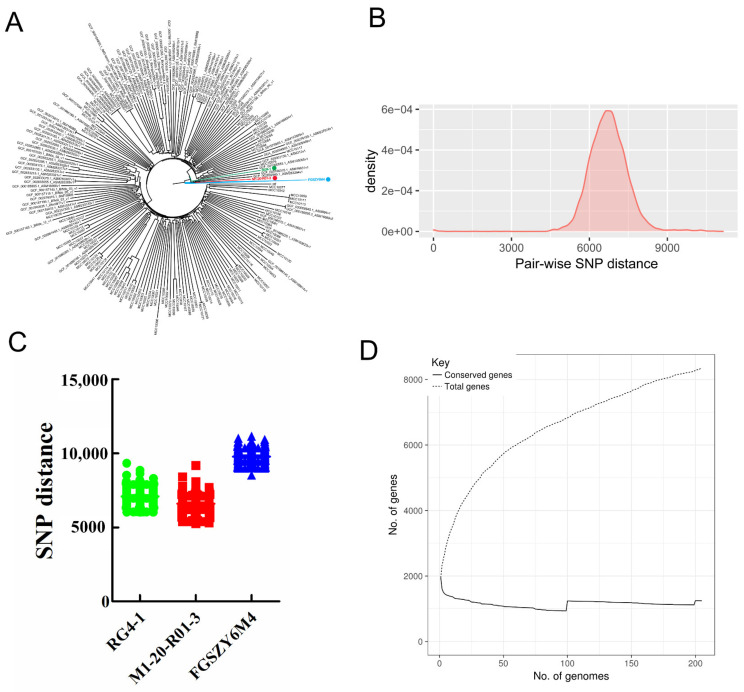
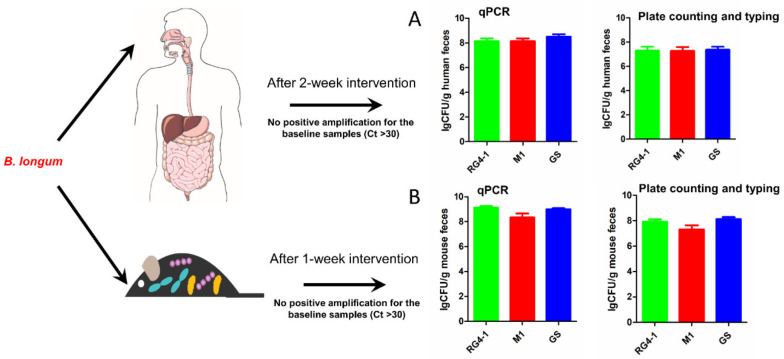
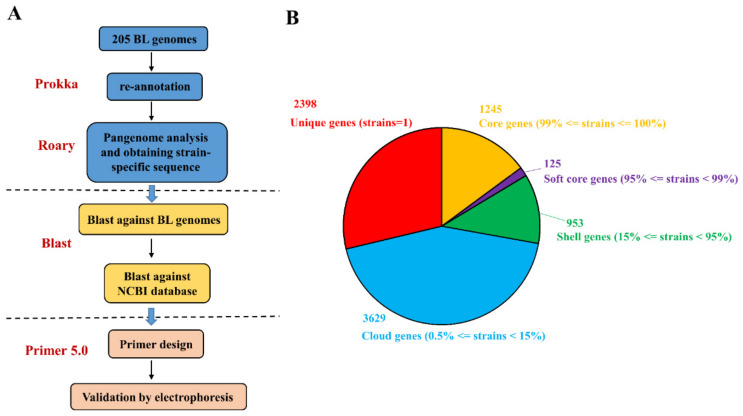
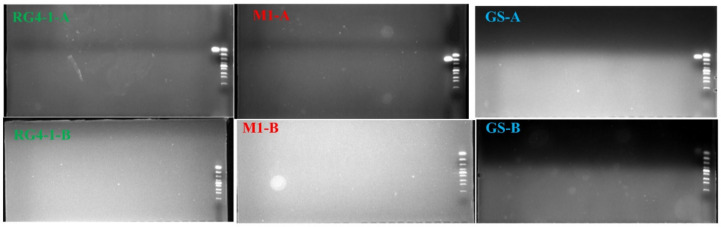
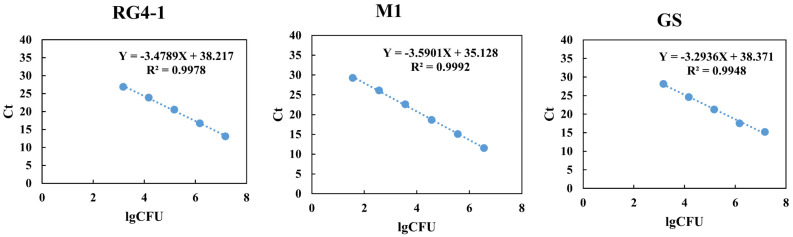
We adopted a bioinformatics-based technique to identify strain-specific markers, which were then used to quantify the abundances of three distinct sup. strains in fecal samples of humans and mice. A pangenome analysis of 205 sup. genomes revealed the accumulation of considerable strain-specific genes within this species; specifically, 28.7% of the total identified genes were strain-specific. We identified 32, 14, and 49 genes specific to sup. RG4-1, sup. M1-20-R01-3, and sup. FGSZY6M4, respectively. After performing an in silico validation of these strain-specific markers using a nucleotide BLAST against both the sup. genome database and an NR/NT database, RG4-1_01874 (1331 bp), M1-20-R01-3_00324 (1745 bp), and FGSZY6M4_01477 (1691 bp) were chosen as target genes for strain-specific quantification. The specificities of the qPCR primers were validated against 47 non-target microorganisms and fecal baseline microbiota to ensure that they produced no PCR amplification products. The performance of the qPCR primer-based analysis was further assessed using fecal samples. After oral administration, the target strains appeared to efficiently colonize both the human and mouse guts, with average population levels of >10 CFU/g feces. The bioinformatics pipeline proposed here can be applied to the quantification of various bacterial species.
我们采用了一种基于生物信息学的技术来鉴定菌株特异性标记物,然后将其用于量化人类和小鼠粪便样本中三种不同的超级菌株的丰度。对205个超级基因组进行的泛基因组分析揭示了该物种内大量菌株特异性基因的积累;具体而言,总共鉴定出的基因中有28.7%是菌株特异性的。我们分别鉴定出了超级RG4-1、超级M1-20-R01-3和超级FGSZY6M4特有的32个、14个和49个基因。在使用核苷酸BLAST对超级基因组数据库和NR/NT数据库对这些菌株特异性标记物进行了计算机模拟验证后,选择了RG4-1_01874(1331 bp)、M1-20-R01-3_00324(1745 bp)和FGSZY6M4_01477(1691 bp)作为菌株特异性定量的靶基因。针对47种非靶标微生物和粪便基线微生物群验证了qPCR引物的特异性,以确保它们不会产生PCR扩增产物。使用粪便样本进一步评估了基于qPCR引物的分析性能。口服给药后,目标菌株似乎有效地定殖于人和小鼠肠道,平均种群水平>10 CFU/g粪便。这里提出的生物信息学流程可应用于各种细菌物种的定量分析。